
Pumpkin season is in full swing, but have you ever wondered when to pick your perfect pumpkins? Knowing the ideal time to harvest can make all the difference in avoiding rot and bringing out the best flavor and texture. As an avid gardener or farmer, you’re probably aware of how quickly pumpkins can go from ripe to mushy if picked too early or left on the vine too long.
In this article, we’ll take a closer look at determining the perfect harvest date for your pumpkins. By learning from expert farmers and avoiding common mistakes, you’ll be able to enjoy a bountiful harvest of delicious, healthy pumpkins that will add some extra flavor to your fall festivities. We’ll cover the key factors to consider when deciding when to pick your pumpkins, so keep reading to discover how to get the most out of your pumpkin patch!
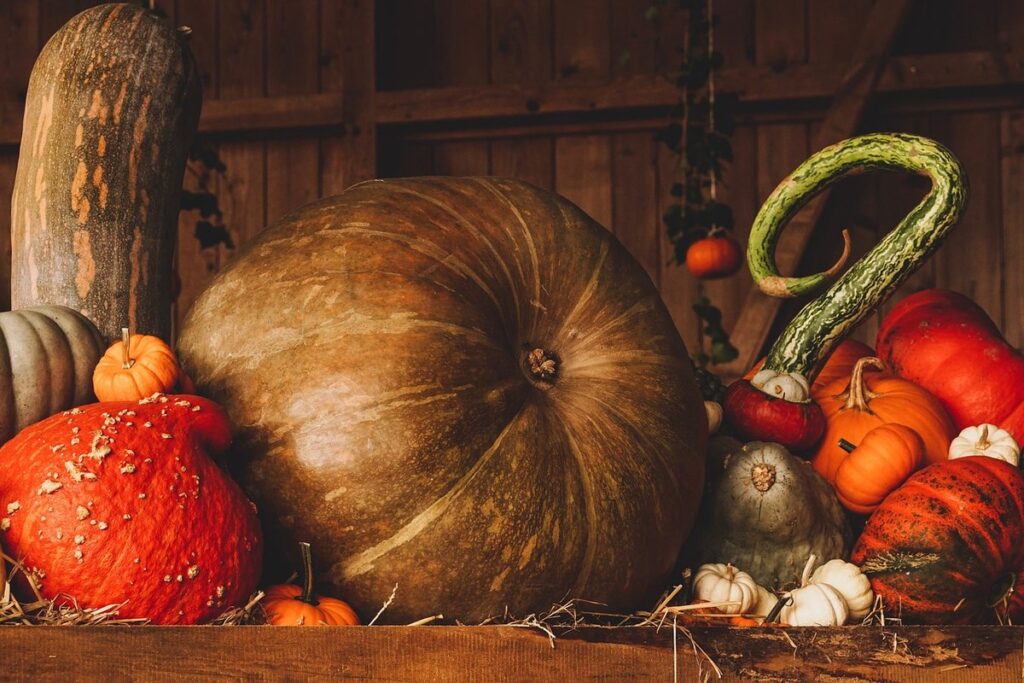
Understanding Pumpkin Maturity and Harvest Timing
To ensure you pick the perfect pumpkin, it’s crucial to understand how to determine maturity and harvest timing, which is often more nuanced than just a specific date. Let’s break down what factors affect this decision.
Factors Affecting Pumpkin Maturity
When it comes to growing pumpkins, several factors can influence their maturity and readiness for harvest. As a pumpkin grower, understanding these factors is crucial to determining the ideal harvest date.
Weather conditions play a significant role in pumpkin maturity. A consistent warm weather with adequate moisture during the first 30-40 days of growth is essential for healthy fruit development. Prolonged drought or extreme temperatures can impact sugar production and cause the rind to thicken, making it harder for the fruit to mature properly. For instance, a study by the University of Illinois found that pumpkins grown in areas with consistent rainfall had significantly higher yields compared to those grown in areas with drought conditions.
Soil quality is another critical factor affecting pumpkin maturity. Pumpkins thrive in well-draining, rich soil with a pH between 6.0 and 6.8. Avoid planting in areas with compacted or poorly draining soils, as this can lead to root rot and reduced fruit production. Additionally, the variety of pumpkin you choose also impacts maturity. Some popular varieties like ‘Jack Be Little’ and ‘Baby Boo’ mature in as little as 60 days, while others like ‘Atlantic Giant’ may take up to 120 days or more.
When selecting a pumpkin variety, consider factors such as climate, soil type, and desired fruit size. Choose a variety that suits your specific growing conditions to ensure optimal maturity and yield. Keep an eye on weather forecasts and adjust your harvest schedule accordingly. If possible, inspect your pumpkins regularly for signs of maturity, looking for a hard, smooth rind and a deep orange color.
Signs of Mature Pumpkins
When it’s time to harvest your pumpkin crop, knowing when they’re mature is crucial. A mature pumpkin will exhibit several physical signs that indicate it’s ready for picking. One of the most noticeable signs is the skin color. As pumpkins ripen, their skin typically turns from a bright green or yellow-green to a deeper orange or buff color. This change in color can occur all over the fruit or just on one side, but if you notice any white or pale spots, it may be a sign that the pumpkin has been damaged by disease or pests.
Another indicator of maturity is size and weight. A mature pumpkin should have reached its full size and feel heavy for its size. If a pumpkin feels light or hollow when lifted, it’s likely not yet mature. Check for any soft spots or bruises on the skin as well, as these can be signs that the pumpkin has begun to rot from within.
Measure the circumference of your pumpkins to ensure they’ve reached their full potential. Typically, a mature pumpkin will measure between 10 and 24 inches in diameter, depending on its variety. If you’re unsure about the maturity of your pumpkin crop, consider checking for these physical signs daily until harvest time.
The Importance of Regular Harvest Monitoring
Monitoring your pumpkins regularly is essential for determining when they’re ready to be harvested. This is because pumpkin maturity can vary greatly depending on factors like weather conditions, soil quality, and the specific variety you’re growing.
To check for ripeness, start by gently tugging on the stem of each pumpkin. A ripe one will come off the vine easily, leaving a small amount of stem attached to the fruit. If it’s too difficult to remove the stem or if it snaps off with too much force, the pumpkin may not be ready yet.
Another way to monitor ripeness is by checking for color and texture changes. Ripe pumpkins tend to develop a deeper, more even color and have a slightly hard skin that’s free of soft spots. You can also check the weight and size of your pumpkins regularly to get an idea of their progress.
Regular monitoring will help you avoid missing the optimal harvest timing and ensure you pick your pumpkins at the peak of freshness and flavor. This is especially important for varieties like ‘Connecticut Field’ or ‘Lumina’, which have a shorter maturation period than others and require more frequent checking to determine when they’re ready to be harvested.
Determining the Best Time for Pumpkin Harvest
Determining the best time for pumpkin harvest is crucial, as it directly impacts the quality and freshness of your pumpkins. Here’s how to determine when it’s finally time to pick those perfect gourds!
Calculating Days to Maturity
When planning for an ideal pumpkin harvest date, it’s essential to calculate the days to maturity accurately. This can be done by referring to the seed packet instructions or specific variety information. On average, most pumpkin varieties take around 100 to 120 days from sowing seeds to harvesting mature fruit.
To calculate the exact days to maturity for your particular crop, check the seed packet for this critical information. You’ll find it listed under “Days to Maturity” or a similar heading. Alternatively, consult the specific variety information available online or through gardening resources. Note that some pumpkin varieties may take longer than others to mature.
For example, ‘Jack Be Little’ and ‘Baby Boo’ are known to be faster maturing options, requiring around 60 to 80 days to harvest. In contrast, ‘Atlantic Giant’ and ‘Big Max’ take significantly longer, typically needing 120 to 150 days to reach maturity. By calculating the days to maturity for your specific pumpkin variety, you’ll be able to plan a precise harvesting schedule and ensure that your crop is ready at its peak.
Considering Climate and Regional Factors
When considering the best time for pumpkin harvest, it’s essential to take into account the climate and regional factors specific to your area. Temperature, humidity, and frost risk can significantly impact the quality and ripeness of your pumpkins.
In temperate climates with warm summers, pumpkins typically mature within 100 to 120 days after sowing. However, if you live in a region with hot and dry summers, you may need to adjust this timeframe. For example, in Arizona’s desert climate, pumpkin harvest often occurs earlier due to the intense heat.
In contrast, areas with cool and wet autumns may require longer maturation periods. In regions prone to frost, it’s crucial to monitor weather forecasts closely to avoid damage to your crop. A light frost can cause significant damage, so waiting for the right moment is key.
To determine the optimal harvest date in your region, keep a close eye on temperature fluctuations and adjust accordingly. This might involve checking local forecasts or consulting with fellow growers in your area.
Balancing Early and Late Harvest Strategies
When it comes to determining the ideal pumpkin harvest date, growers must consider the trade-offs between early and late harvest strategies. Early harvesting can offer several benefits, including reduced risk of fungal diseases, increased sugar content, and earlier sale at market. However, this approach may also result in smaller fruit size, lower yields, and a shorter shelf life.
On the other hand, late harvesting allows pumpkins to reach their full maturity, resulting in larger fruit sizes and higher yields. This approach can also improve storage quality, as mature pumpkins are less prone to spoilage. However, late harvesting may increase the risk of fungal diseases, such as powdery mildew and fusarium wilt, which can significantly reduce crop yields.
To strike a balance between these two approaches, growers can monitor weather conditions closely and adjust their harvest timing accordingly. This involves tracking temperature fluctuations, soil moisture levels, and disease pressure to determine when the pumpkins are at optimal maturity. By carefully considering these factors, growers can optimize their harvest strategy for maximum yield and quality.
Preparing for Pumpkin Harvest
To get the most from your pumpkin harvest, it’s essential to prepare your patch before the big day arrives. Let’s dive into some key tasks to ensure a successful and healthy harvest.
Tools and Equipment Needed
As you prepare for pumpkin harvest, it’s essential to have the right tools and equipment on hand to ensure a safe and efficient process. Gloves are a must-have, as they’ll protect your hands from thorns, cuts, and scratches that can occur when handling pumpkins. Choose durable, long-cuff gloves made of materials like leather or synthetic fabrics.
A sturdy ladder will come in handy for accessing those higher vines, especially if you’re growing smaller varieties. When selecting a ladder, ensure it’s specifically designed for outdoor use and has a wide stance to provide stability on uneven ground. Consider investing in a ladder with non-slip feet to prevent accidents.
Handling equipment like trowels, pruners, or clippers will help you carefully remove the pumpkins from the vine without damaging them. Look for tools with ergonomic handles that fit comfortably in your hand, reducing fatigue during prolonged use. Don’t forget to have some tarps or blankets on hand to protect your harvested pumpkins from damage and extend their shelf life.
Handling and Storing Pumpkins
Proper handling and storage of pumpkins after harvest is crucial to maintain their quality and extend shelf life. When harvesting, gently twist and pull the stem to avoid damaging the fruit. This will help prevent moisture loss and reduce the risk of decay.
To store pumpkins, start by selecting a dry, well-ventilated area with good air circulation. A garage or shed is ideal, but if you don’t have either, a cool, dark basement will do. Avoid storing pumpkins in direct sunlight, as this can cause moisture to evaporate too quickly.
Store pumpkins on a flat surface, never stacking them on top of each other. This will prevent bruising and damage to the skin. Cover the pumpkins with a breathable cloth or sheet to protect from dust and debris.
For long-term storage, consider storing smaller, immature pumpkins at 50-60°F (10-15°C) with high humidity. Larger, mature pumpkins can be stored at room temperature (around 70°F/21°C), but be sure to check on them regularly for any signs of decay. Regular monitoring will help you identify and address any issues before they spread.
By following these simple steps, you’ll be able to enjoy your homegrown or purchased pumpkins throughout the fall season.
Tips for Efficient Harvesting Operations
When it’s finally time to harvest your pumpkins, having an efficient process in place is crucial for maximizing yields and minimizing labor costs. To streamline your harvesting operations, start by preparing your equipment well in advance. This includes making sure all tools are clean, sharp, and in good working condition.
Consider investing in a high-quality pumpkin rake or scoop to make the process faster and less physically demanding. You can also use a utility trailer or wagon to transport harvested pumpkins to their storage location.
Another key strategy for efficient harvesting is to prioritize tasks during peak sunlight hours when possible. This allows you to take advantage of optimal weather conditions while minimizing disruptions to your schedule. Additionally, designate specific areas for different types of pumpkins based on size and variety, making it easier to keep track of what’s been harvested and what still needs attention.
By implementing these strategies, you can reduce labor costs and increase yields, ultimately ensuring a bountiful harvest.
Benefits of Ideal Pumpkin Harvest Timing
Knowing when to harvest your pumpkin is crucial for optimal flavor, texture, and storage. In this next part, we’ll explore the benefits of harvesting at the perfect time.
Reduced Rot and Mold
When you harvest your pumpkins at the ideal time, you’re not only ensuring their peak flavor and texture but also minimizing the risk of rot and mold. This is particularly important for pumpkin farmers who want to store their crops for an extended period.
Pumpkin rot and mold are common issues that can occur when pumpkins are harvested too early or too late. If left on the vine, pumpkins will eventually develop soft spots and begin to decay. On the other hand, if they’re picked before maturity, they may not have fully developed their natural defenses against pathogens.
To minimize waste and improve storage quality, it’s essential to harvest your pumpkins when they’re mature but still firm. Check for a hard, smooth rind and a dry stem. Avoid picking them in wet or humid weather, as this can lead to mold and rot during storage.
If you do notice any soft spots or signs of decay on your stored pumpkins, remove the affected areas immediately to prevent further spoilage. Keep your pumpkins in a cool, dry place with good air circulation, and check on them regularly to ensure they remain healthy and fresh. By following these guidelines, you can enjoy your pumpkin crop for months to come.
Improved Shelf Life and Freshness
When you harvest your pumpkins at the ideal time, proper handling is crucial to maintaining their freshness and shelf life. This means avoiding bruising or crushing the fruit during transportation, as this can cause soft spots and invite fungal growth.
To extend the life of your harvested pumpkins, make sure they’re kept dry. Excess moisture fosters mold and mildew development. If it’s raining on harvest day, bring tarps to cover your pumpkins temporarily until you can get them under a drier environment.
Store your harvested pumpkins in a cool, well-ventilated area with good air circulation. The ideal temperature for storing pumpkins is between 50°F and 60°F (10°C and 15°C). Avoid direct sunlight, as it can cause the fruit to degrade quickly. Use newspaper or straw to line shelves, keeping the pumpkins off the surface and allowing for air circulation underneath.
Regularly inspect your stored pumpkins for any signs of decay or damage, removing any affected fruits promptly to prevent the spread of disease.
Enhanced Flavor and Texture
When harvested at the optimal time, pumpkins are more likely to have enhanced flavor and texture. The ideal harvest timing ensures that the pumpkin’s natural sugars are developed, resulting in a sweeter taste. This is especially crucial for cooking and baking purposes, as overripe or underripe pumpkins can be unpleasantly sweet or bland.
Proper moisture levels also play a significant role in maintaining optimal texture. Overwatered pumpkins tend to become mushy and soft, while those that are not receiving enough water may develop brown spots or cracks on the skin. To ensure your pumpkins retain their natural moisture, it’s essential to monitor soil conditions carefully during the growth stage.
By harvesting at the right time, you can enjoy a wide range of pumpkin flavors, from classic sugar pie varieties to specialty types like ‘Jack Be Little’ and ‘Baby Boo’. Keep in mind that different pumpkin varieties have unique requirements for optimal harvest timing. For instance, smaller pumpkins like ‘Jack Be Little’ are typically ready 60-70 days after sowing, while larger varieties may take up to 100 days.
In general, inspect your pumpkins regularly during the last week of their growth period and use a combination of visual cues and gentle touch to determine if they’re ripe.
Case Studies: Successful Pumpkin Harvests
We’ll take a closer look at successful pumpkin harvests, exploring what factors contributed to these bountiful yields and how you can apply them to your own garden.
Real-Life Examples of Ideal Harvest Timing
In many regions, ideal pumpkin harvest dates are often determined by factors such as climate, soil type, and pest management. However, numerous farmers have successfully utilized optimal harvesting timing to achieve bountiful yields and improved crop quality.
For instance, a prominent pumpkin farm in the Midwest chose to harvest their pumpkins on October 10th, which was four weeks after they reached maturity. By doing so, they were able to avoid frost damage that could have reduced their yield significantly. Another farmer in California picked his pumpkins at exactly 50% dry matter content, allowing for easier storage and transportation.
It’s essential to note that different pumpkin varieties may require unique harvesting strategies. A key takeaway from these case studies is the importance of observing the specific needs of your crop. Regularly monitoring weather forecasts and adjusting your harvest schedule accordingly can also minimize risks associated with ideal pumpkin harvest dates.
Lessons Learned from Failed Harvest Attempts
When it comes to pumpkin harvesting, even with careful planning and preparation, things don’t always go as expected. In fact, a failed harvest can be a frustrating experience for many gardeners. To avoid this disappointment, let’s examine some common mistakes that can lead to a less-than-ideal harvest.
One of the most significant pitfalls is over-maturity. Leaving pumpkins on the vine too long can cause them to become too soft and rot-prone. This can result in a lower quality crop and reduced shelf life. To avoid this, regular checks are crucial, ensuring you pick your pumpkins when they’re still firm but fully mature.
Another common mistake is inadequate support or disease management. Failing to provide adequate space between plants or neglecting to control fungal diseases can lead to a significant reduction in yield. Regularly inspect your vines and remove any weak or diseased plants to prevent the spread of disease.
By being aware of these potential pitfalls, you can take proactive steps to ensure a successful harvest. Make sure to keep a close eye on your pumpkins’ development and take action promptly if you notice any issues.
Conclusion: Achieving Optimal Pumpkin Harvest Timing
Now that we’ve explored the ideal harvest date for your pumpkin patch, let’s talk about what you can do to ensure a bountiful and timely harvest. This is where careful planning comes into play.
Recap of Key Takeaways
When it comes to achieving an optimal pumpkin harvest timing, there are several key factors to consider. First and foremost, understanding the ideal temperature range for pumpkin maturation is crucial. This typically falls between 50°F to 65°F (10°C to 18°C), with optimal growth rates occurring between 55°F to 60°F (13°C to 15°C).
As we’ve discussed throughout this post, factors such as moisture levels and soil pH can significantly impact pumpkin growth and ripening. Regular watering and maintaining a slightly acidic to neutral soil pH will promote healthy plant development.
In addition to environmental conditions, timing is also critical for a successful harvest. This includes not only the optimal harvest date but also proper pruning techniques to optimize fruit size and quality. By carefully considering these factors and planning ahead, gardeners can achieve an ideal pumpkin harvest timing that yields the best possible results. Be sure to keep a close eye on your plants’ progress, monitoring temperature fluctuations and adjusting your strategy as needed to ensure a bountiful harvest.
Final Tips for Success
As you’ve made it through this comprehensive guide on ideal pumpkin harvest timing, we hope you’re feeling more confident and prepared for a successful harvest. Remember that achieving optimal harvest timing requires careful planning, attention to detail, and a willingness to adapt to changing weather conditions.
To ensure you’re getting the most out of your pumpkin patch, consider investing in a soil thermometer to track temperature fluctuations. This will help you make informed decisions about when to plant, water, and harvest your pumpkins. You can also consult with local gardening experts or join online forums for advice on specific climate-related challenges.
For further learning and support, we recommend checking out the resources provided by reputable organizations like the National Gardening Association or your state’s cooperative extension service. These organizations offer a wealth of information on sustainable gardening practices, including tips on pest management, irrigation systems, and nutrient-rich soil amendments. By staying informed and connected with fellow gardeners, you’ll be well-equipped to overcome any obstacles that come your way.
Frequently Asked Questions
What if I missed the ideal harvest date for my pumpkins, can they still be saved?
Yes, even if you pick your pumpkins after their ideal harvest date, they might still be usable for cooking and decoration. However, be aware that quality will decrease rapidly. Check for visible signs of decay and consider using them within a few days.
How often should I inspect my pumpkin patch for maturity and potential issues?
Regularly inspect your pumpkin patch every 3-5 days during peak growth to monitor for maturity, pests, diseases, or other issues. Early detection allows you to take corrective action and ensure optimal harvest timing.
What’s the best way to handle and store pumpkins after harvesting to maintain freshness and shelf life?
After harvesting, gently clean your pumpkins with a soft brush to remove dirt and debris. Store them in a dry, well-ventilated area with temperatures between 50°F-60°F (10°C-15°C). Avoid direct sunlight and high humidity.
Can I use the days-to-maturity value from my seed packet as a reliable guide for determining harvest timing?
While your seed packet’s days-to-maturity estimate can provide a general guideline, consider local climate conditions, soil quality, and specific weather patterns. This will give you a more accurate prediction of when to expect optimal harvest readiness.
How do I balance early and late harvest strategies in my pumpkin patch?
Consider implementing a staggered planting schedule or dividing your pumpkins into multiple varieties with different maturation times. Monitor their progress closely and adjust your harvesting plan accordingly to ensure continuous production throughout the season.