
You’ve ever wondered how trees manage to produce those delicious fruits we all love? From juicy apples to sweet oranges, the process is truly fascinating. It all starts with photosynthesis, where trees harness energy from sunlight, water, and air to fuel their growth. But that’s not all – pruning techniques also play a crucial role in promoting fruit growth and production. In this article, we’ll delve into the intricate world of tree biology and explore the factors that affect fruit growth, including climate, soil quality, and pest management. We’ll break down the complex process into simple terms, so you can gain a deeper understanding of how trees produce fruits. Get ready to discover the secrets behind your favorite fruits!
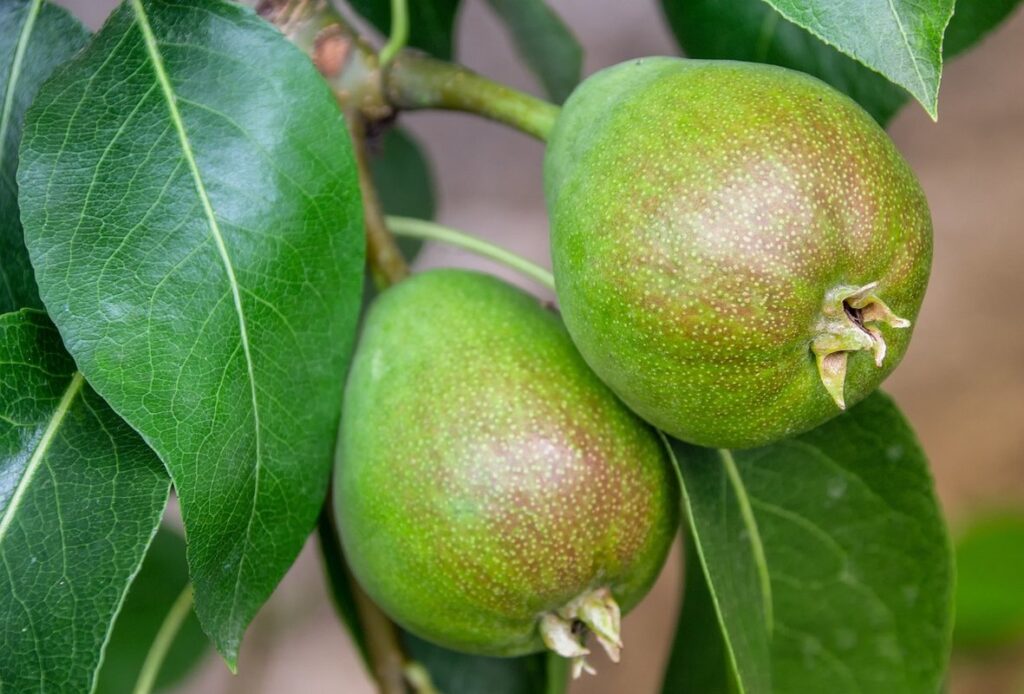
The Basics of Tree Growth and Fruit Production
So you want to know how trees grow fruit? Let’s start with the basics: understanding the fundamental processes that drive tree growth, including photosynthesis and root development.
Understanding the Role of Photosynthesis
Photosynthesis is the unsung hero of tree growth and fruit production. Without it, trees wouldn’t be able to produce the energy they need to grow, thrive, and ultimately, produce delicious fruits. So, let’s dive into how photosynthesis works and its impact on fruit growth.
Trees convert sunlight, carbon dioxide, and water into glucose and oxygen through photosynthesis. This process occurs in specialized organelles called chloroplasts, which are present in leaf cells. As trees undergo photosynthesis, they produce the energy-rich molecule glucose, which serves as their primary source of fuel. But how does this relate to fruit growth? Simply put, the energy produced during photosynthesis is used by trees to support various physiological processes, including cell division, growth, and differentiation.
A strong connection exists between photosynthesis and fruit development. When trees produce excess glucose through photosynthesis, they allocate it towards producing fruits. This means that healthy, vigorous tree growth, facilitated by efficient photosynthesis, is crucial for optimal fruit production.
Factors Influencing Tree Development
When it comes to tree development and fruit production, several key factors come into play. Soil quality is one of the most critical components, as it provides essential nutrients for healthy growth. Trees grown in well-draining, fertile soils tend to produce more fruit than those planted in poor soil conditions. For instance, a study by the University of California found that avocado trees growing in nutrient-rich soils produced 20% more fruit compared to those in poorer soils.
Climate also plays a significant role in tree development and fruit production. Trees require specific temperature ranges for optimal growth, which can vary depending on the species. Too much heat or cold stress can lead to reduced yields and poor fruit quality. For example, citrus trees grown in regions with mild winters and warm summers tend to produce more fruit than those in areas with harsher climates.
Genetics also influence tree development and fruit production. Trees bred for specific traits such as disease resistance, drought tolerance, and high yield potential can significantly impact fruit output. Many nurseries now offer genetically improved tree varieties designed to optimize fruit production in various environments.
Types of Trees That Produce Fruits
As we explore how trees grow fruit, it’s essential to understand that not all trees produce edible fruits. Let’s look at some common types of trees that bear delicious and nutritious fruits.
Deciduous vs. Evergreen Fruit-Producing Trees
When it comes to fruit-producing trees, two main categories exist: deciduous and evergreen. Deciduous trees, like apple and cherry, drop their leaves seasonally, going dormant during winter months. These trees typically thrive in temperate climates with distinct seasons. They grow new leaves each spring, producing flowers and eventually fruit.
Evergreen trees, such as citrus and olive, keep their leaves year-round, continuing to photosynthesize and produce energy throughout the seasons. This means they can continue to produce fruit, even during periods of cold weather. Evergreen trees are often found in warmer climates or in regions with mild winters.
One key difference between these two types lies in their growth habits. Deciduous trees require a period of dormancy to recharge for the next growing season, while evergreen trees keep growing steadily throughout the year. This distinction impacts how you care for and prune each type of tree. For deciduous trees, pruning often occurs during the dormant season, while evergreen trees can be pruned at any time.
This understanding is crucial when selecting a fruit-producing tree for your garden or orchard.
Tropical vs. Temperate Fruit-Producing Trees
When it comes to fruit-producing trees, two primary categories emerge: tropical and temperate. While both types can thrive with proper care, their climate requirements and growth patterns differ significantly.
Tropical fruit trees, such as mangoes, bananas, and pineapples, are adapted to high temperatures and humidity levels. They typically require a warm and stable environment with minimal frost tolerance. In contrast, temperate fruit trees like apples, pears, and cherries thrive in cooler climates with distinct seasonal changes. These trees can tolerate some frost but may still need protection during harsh winters.
Understanding the climate requirements of your tree is crucial for successful cultivation. If you live in a tropical region, choose species that are native to your area or have similar needs. Conversely, if you’re in a temperate zone, select trees that can withstand local temperature fluctuations. By matching your tree’s needs with your environment, you’ll be more likely to enjoy a bountiful harvest and ensure the long-term health of your tree.
Keep in mind that some fruit trees, such as citrus and avocado, are semi-tropical and can tolerate cooler temperatures but still require protection from extreme cold snaps.
Stages of Fruit Development
Let’s dive into the fascinating process of how trees grow fruit, and we’ll explore the key stages that transform a bud into a delicious, juicy treat. This journey begins with pollination and blossoming.
Pollination and Fertilization
Pollination and fertilization are crucial steps in the fruit development process. Without them, trees wouldn’t be able to produce the delicious fruits we enjoy. So, let’s dive into how these two processes work together to bring forth the bounty of the orchard.
Pollination is the transfer of pollen from the male reproductive part of a flower (anther) to the female reproductive part (stigma). This usually happens with the help of bees and other pollinators like butterflies, moths, and even hummingbirds. As these creatures move from flower to flower in search of nectar, they inadvertently collect and transfer pollen, facilitating the fertilization process.
For instance, apples are self-incompatible, meaning that they require cross-pollination from another apple tree to produce viable seeds. This is where bees come into play, traveling between trees and collecting pollen as they go. Without this pollination service, many fruit varieties would be unable to reproduce.
In orchards, farmers often plant multiple trees of the same variety close together to encourage natural pollination. They may also use techniques like hand-pollination or artificial pollinators to ensure a successful harvest. By understanding and working with these processes, gardeners can increase their chances of growing healthy, fruitful trees.
Cell Division and Expansion
As trees grow fruit, it’s essential to understand the process of cell division and expansion that occurs within the fruiting structures. This is where the magic happens, and a tiny bud on a branch transforms into a juicy apple or plump berry.
Cell division involves the duplication of cells through mitosis, resulting in new cells with identical genetic material. As these new cells grow and differentiate, they begin to specialize in specific functions, such as providing structural support, producing enzymes, or storing nutrients. This process is triggered by growth regulators like auxins, gibberellins, and ethylene, which play a crucial role in controlling cell division and expansion.
For example, when an apple tree is pollinated, the fertilized ovules develop into embryo sacs, which will eventually give rise to the fruit’s seeds. As the seeds grow, they produce growth regulators that stimulate cell division and expansion in the surrounding tissue, causing the fruit to swell and mature. By understanding this process, gardeners can optimize growing conditions to promote healthy cell division and expansion, resulting in better fruit quality and yield.
Environmental Factors Affecting Fruit Growth
As we explore how trees grow fruit, let’s take a closer look at the environmental factors that play a crucial role in their growth and development. This includes things like temperature, sunlight, and water availability.
Temperature Extremes
Temperature fluctuations have a profound impact on fruit growth. When temperatures rise above optimal levels, trees may experience heat stress, which can impede fruit development. In extreme cases, prolonged exposure to high temperatures can lead to sunburned or scorched fruit. Conversely, exposure to cold temperatures can cause damage to delicate flower buds and young fruits.
Frost events pose an even more significant threat, as they can rapidly freeze the water within cells, causing irreversible damage. For example, a single frost event in early spring can eliminate up to 80% of a crop’s potential yield. To mitigate these risks, orchardists often employ various techniques, such as using row covers or wind machines to protect delicate blooms and young fruits from extreme temperatures.
It’s essential for growers to monitor temperature fluctuations closely and take proactive measures to safeguard their crops. By understanding the specific temperature requirements of their tree varieties, they can implement targeted strategies to minimize the impact of heat stress and cold damage, ensuring optimal fruit growth and development.
Water Stress and Nutrient Deficiency
Water scarcity and nutrient deficiencies are two significant environmental factors that can impact fruit production in trees. When a tree experiences water stress, it allocates its resources to prioritize survival over growth, leading to reduced fruit set and size. For instance, a study on drought-tolerant apple varieties found that even moderate water stress resulted in lower yields and smaller fruit.
Nutrient deficiencies, such as those caused by inadequate nitrogen or potassium levels, can also limit fruit production. These nutrients are essential for photosynthesis, root development, and fruit growth. A tree may appear healthy but still be struggling with nutrient deficiencies due to poor soil quality or excessive water usage, leading to impaired fruiting.
To mitigate the impact of water stress and nutrient deficiencies, farmers can implement strategies like drip irrigation, mulching, and crop rotation. These techniques can help conserve water and improve soil health while providing essential nutrients for optimal fruit growth. By understanding the effects of environmental factors on tree growth and implementing targeted mitigation strategies, growers can enhance their fruit yields and overall tree productivity.
Human Influence on Tree Growth and Fruit Production
You’re probably wondering how human actions can affect a tree’s ability to grow delicious fruit, from pruning techniques to pest management strategies. We’ll explore these crucial factors next.
Pruning and Training Techniques
When it comes to optimizing tree growth and promoting healthy fruiting, pruning and training techniques play a crucial role. Pruning, in particular, is an essential practice that involves removing select branches to maintain the tree’s overall shape, promote fruit production, and remove diseased or damaged areas.
Proper pruning techniques include thinning out select branches, reducing branch weight by removing water sprouts, and promoting air circulation through strategic cuts. For example, a technique known as “center leader” pruning encourages a strong central leader while allowing lower limbs to grow more freely, ideal for fruit trees like apple and cherry varieties. By selectively pruning, you can increase sunlight penetration, reduce disease susceptibility, and enhance overall tree vigor.
Regular training also helps direct the tree’s energy towards producing high-quality fruit. Techniques such as espaliering – a technique where branches are trained against a trellis or wall – allow for more efficient use of space while promoting better air circulation and easier harvesting. By adopting these pruning and training techniques, you can significantly improve your tree’s health, productivity, and overall quality of life.
Pesticide and Fertilizer Use
When it comes to commercial fruit production, pesticide and fertilizer use is a common practice. On one hand, these chemicals can boost crop yields and improve fruit quality by controlling pests and providing essential nutrients. For instance, pesticides like neonicotinoids have been shown to increase apple yields by up to 20%. Fertilizers, such as nitrogen-based products, can also enhance fruit size and color.
However, excessive pesticide use has severe environmental and health consequences. Pesticide residues on fruits and vegetables have been linked to increased cancer risk in humans. Moreover, overuse of fertilizers contributes to soil degradation, water pollution, and greenhouse gas emissions. To mitigate these risks, farmers can adopt integrated pest management (IPM) strategies that combine physical barriers, biological controls, and targeted pesticide use.
If you’re a home gardener or small-scale farmer, consider using organic alternatives like compost tea, cover crops, and beneficial insects to maintain soil health and control pests. By choosing eco-friendly methods, you’ll not only reduce your environmental footprint but also grow healthier, more nutritious fruits for your family and community.
Case Studies: Successful Fruit-Producing Trees
Let’s take a look at some real-life examples of fruit-producing trees that have been cultivated to perfection, and learn from their successes. We’ll explore their unique characteristics and growth habits.
Examples from Around the World
From small backyard gardens to large-scale commercial orchards, successful fruit-producing trees can be found all around the world. Let’s take a closer look at some real-world examples of these thriving ecosystems.
In California, USA, the citrus industry is one of the most prominent in the world. However, it’s not just the warm climate and rich soil that contribute to its success – human management practices also play a significant role. Farmers in this region use advanced irrigation systems, pruning techniques, and pest management strategies to optimize their yields.
In contrast, the tropical forests of Malaysia have been producing fruit for centuries without any need for intensive management. The rainforest’s rich biodiversity and natural nutrient cycling processes support an incredible array of fruit species. For instance, the Durian tree (Durio zibethinus) thrives in these conditions, thanks to its ability to tap into the forest floor’s nutrient-rich fungi network.
In Japan, the traditional art of orchard management has been passed down through generations. Farmers in this region use a combination of natural and organic practices to cultivate fruit trees like apples (Malus domestica) and pears (Pyrus communis). By employing techniques such as composting and mulching, they create a balanced ecosystem that promotes healthy tree growth.
These examples illustrate the significance of climate, soil quality, and human management practices in achieving successful fruit production. Whether you’re a backyard gardener or an experienced farmer, there are valuable lessons to be learned from these global case studies. By adapting these strategies to your local conditions, you can create your own thriving fruit-producing tree ecosystem.
Frequently Asked Questions
Can I encourage fruit production on a tree by simply providing more water?
Yes, while water is essential for trees, overwatering can actually harm fruit growth. A balanced water supply that meets the tree’s needs without causing root rot or other issues is crucial. Trees also require adequate sunlight, nutrients, and proper pruning to promote healthy fruit production.
How often should I prune my fruit-producing trees?
Pruning frequency depends on the type of tree and its growth rate. Typically, deciduous fruit trees need annual pruning during their dormant season, while evergreen trees may require bi-annual or seasonal pruning to maintain shape and promote new growth.
Can pests and diseases impact fruit production on a single tree?
Yes, pests like aphids and diseases like fungal infections can significantly reduce fruit production on a single tree. Regular monitoring for signs of infestation or infection is essential, and taking prompt action with integrated pest management techniques can help mitigate damage and promote healthy growth.
How do I support the growth of new trees from seeds versus grafting?
Both methods have their advantages and disadvantages. Growing from seed allows natural selection to occur, but it may take years for the tree to mature and produce fruit. Grafting involves attaching a piece of stem (scion) from one tree onto another’s root system (rootstock), which can result in faster fruit production but requires expertise.
Can I grow multiple types of fruit on a single tree through grafting?
Yes, a technique called multi-grafting allows growers to cultivate multiple fruit varieties on the same tree. This method involves attaching scions from different trees onto the same rootstock, resulting in a unique combination of fruits growing on a single plant.