
Have you ever noticed dark patches or black substance growth on the trunks of trees in your yard or neighborhood? If so, you’re not alone. The appearance of this unsightly discoloration can be concerning, and it’s essential to understand its causes and concerns. Black stuff on tree trunks, also known as “black bark” or “tree blight,” can be a sign of underlying issues that may affect the health and longevity of your trees. In this article, we’ll explore the common causes of black substance growth on tree trunks, discuss potential environmental and health implications, and provide practical tips on how to identify, prevent, and address this issue for a healthier environment. By learning more about this topic, you can take proactive steps to protect your trees and enjoy their benefits for years to come.
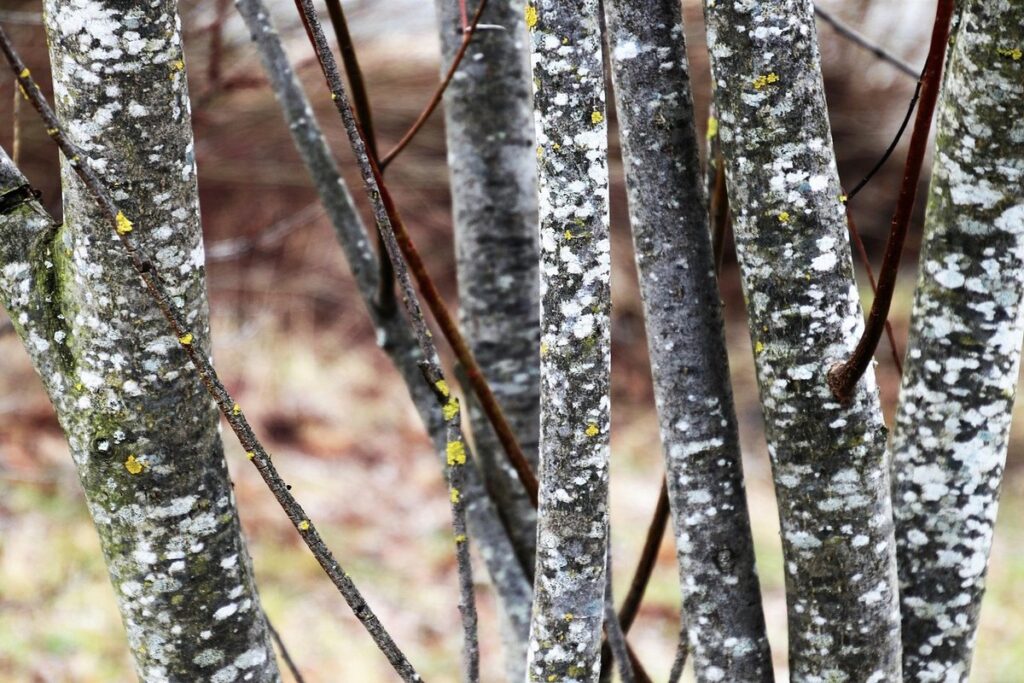
Understanding the Phenomenon
To truly grasp the enigma of black stuff on tree trunks, let’s delve into its causes and try to understand what’s really going on in our forests.
What is the Black Stuff?
So you’ve spotted that mysterious black stuff on your tree trunk and are wondering what it is. The good news is that it’s quite common, especially in areas with high humidity and rainfall. The bad news is that its appearance can be alarming, leading some homeowners and gardeners to worry about the health of their trees.
This dark residue is often a result of a type of fungi or algae growth, which feeds on the sap or moisture present on the tree’s bark. It can also be caused by the buildup of debris, such as leaves or twigs, that have accumulated on the trunk and are decaying. As it grows, the black stuff can spread rapidly, giving it a tar-like appearance.
While it may look ominous, in most cases, this substance is harmless to trees. However, if you’re concerned about its presence, there are steps you can take to control its growth. Regularly inspect your tree’s trunk and remove any debris or dead material that might be contributing to the problem. You can also try using a fungicide specifically designed for tree care, but always follow the manufacturer’s instructions carefully.
Common Misconceptions and Myths
One common misconception about the black substance on tree trunks is that it’s always a sign of tree death or disease. However, this isn’t necessarily true. While some cases may be related to decay or fungal infections, many instances are actually harmless and even beneficial for the tree.
Some people believe that any dark-colored staining on a tree trunk must mean the tree is dying or diseased. But in reality, these substances can come from various sources like fungi, algae, or even environmental pollutants. For example, certain types of fungi can produce melanin-like pigments that discolor the bark, but this doesn’t necessarily harm the tree.
It’s essential to note that not all black stuff on trees is a cause for concern. Some species, like oak and beech trees, naturally develop dark-colored bark as they age. In these cases, it’s simply a sign of the tree’s maturity rather than an indication of disease or decay.
Causes of Black Stuff on Tree Trunks
So, you’re curious to know why black stuff appears on tree trunks? Let’s take a closer look at some common causes and what might be behind this mysterious phenomenon.
Fungal Growth and Decay
Fungal growth is one of the primary causes of dark-colored substances on tree trunks. When fungi infect a tree, they break down the cellulose and lignin in the wood, producing a range of byproducts that can appear as black, gray, or brown streaks. These substances can be a mixture of fungal hyphae, spores, and decomposition products.
Several types of fungi are known to contribute to this issue, including species from the genera Armillaria, Phellinus, and Ganoderma. For example, Armillaria mellea is a root-rotting fungus that produces dark brown to black lesions on tree trunks. Similarly, Phellinus spp. can cause heart rot in trees, leading to discolored streaks on the trunk.
To diagnose fungal growth as the cause of black stuff on your tree’s trunk, look for signs such as white or yellowish mycelium (fungal threads) at the base of the trunk or on nearby surfaces. If you suspect a fungal infection, consider consulting with an arborist who can provide guidance on treatment options, which may include pruning affected branches, improving air circulation around the tree, and applying fungicides if necessary.
Bacterial Activity
Bacteria play a crucial role in the decomposition process of tree trunks, contributing to the development of black stuff. These microorganisms break down organic matter, releasing nutrients that can stimulate fungal growth. Certain bacteria, such as Streptomyces and Bacillus, are particularly effective at decomposing lignin, a complex polymer found in plant cell walls.
As these bacteria feed on the tree’s cellulose and hemicellulose, they release enzymes that break down the lignin, making it more accessible to fungi. This process can lead to an overgrowth of fungal hyphae, which can appear as black stuff on the tree trunk. Some research suggests that bacterial-fungal partnerships are essential for effective decomposition in ecosystems.
To identify if bacteria are contributing to the black stuff on your tree, look for signs of recent water damage or disease. High humidity and moisture create an ideal environment for bacterial growth. If you suspect bacterial activity is involved, consider pruning any affected branches to reduce moisture accumulation. This can help prevent further bacterial proliferation and promote a healthier balance between bacteria, fungi, and the tree itself.
Health Concerns and Environmental Impact
As we explore the potential causes of black stuff on tree trunks, let’s also examine the health concerns it poses for humans and animals, as well as its broader environmental impact.
Potential Health Risks
Exposure to the black substance on tree trunks can pose potential health risks, particularly for individuals who frequently come into contact with it. Direct skin contact may cause irritation, itching, and redness due to its abrasive nature. In more severe cases, prolonged exposure has been linked to skin conditions like eczema and dermatitis. Respiratory issues may also arise when the substance is disturbed, releasing fine particles that can be inhaled, potentially triggering allergies or asthma attacks.
If you notice any of these symptoms after coming into contact with the black substance, wash the affected area thoroughly with soap and water. For respiratory concerns, remove yourself from the area immediately and seek fresh air. In cases where skin conditions persist, consult a medical professional for proper diagnosis and treatment. To minimize risks, wear protective clothing and gloves when approaching areas with heavy buildup of the substance.
Environmental Effects
When black stuff accumulates on tree trunks, it can have far-reaching effects on local ecosystems. The nutrient cycle is one area that may be disrupted. Fungi and insects often rely on the organic matter found in the bark for food and shelter. When this material is removed by the black substance, these organisms must find alternative sources of sustenance.
Additionally, some microorganisms present in tree trunks can produce chemicals that harm other species. These compounds might be released when the black stuff breaks down, potentially causing problems for nearby plants or animals. Furthermore, areas with high concentrations of black stuff on trees may experience soil degradation due to changes in pH levels.
To mitigate these effects, consider implementing measures that promote a balanced ecosystem. For instance, planting native vegetation around affected trees can help maintain nutrient cycles and support local biodiversity. Regular monitoring and maintenance can also help identify any emerging issues before they worsen. By taking proactive steps, it’s possible to minimize the ecological impact of black stuff on tree trunks and foster a healthier environment for all living organisms in the area.
Identification and Diagnosis
To accurately address your tree health concerns, it’s essential to identify and diagnose the cause of the mysterious black stuff on your tree trunks. Let’s break down the signs and symptoms to determine what you’re dealing with.
Visual Inspection and Observation
When inspecting the black substance on tree trunks, pay close attention to its color, texture, and pattern. Start by observing the overall hue of the substance. Is it a deep, rich black, or is it more of a dark gray or brown? A pure black color can indicate the presence of a fungal or bacterial infection, such as sooty mold or anthracnose. On the other hand, a darker gray or brown color may be indicative of insect infestation or environmental pollution.
Next, examine the texture of the substance. Is it smooth and uniform, or is it irregular and crumbly? A soft, powdery texture can suggest the presence of sooty mold, which thrives on sap flows. If the texture appears more brittle or crumbling, it may be a sign of insect damage.
Notice the pattern in which the black substance is distributed on the tree trunk. Is it spreading rapidly, or does it appear to be contained within specific areas? A uniform pattern can indicate environmental contamination, such as pollution from nearby industrial sites.
Sampling and Testing
When collecting samples from affected areas, it’s essential to follow proper protocols to ensure accurate results. Start by taking multiple samples from various locations on the tree trunk, including the area with the black substance and a nearby unaffected area. Use a sterile sampling tool or a clean knife to collect small pieces of bark or wood tissue, about 1-2 inches in size.
These samples can be sent to a laboratory for further analysis, where they will undergo various tests to determine the cause of the issue. Some common tests include:
• Microscopic examination to identify fungal hyphae or other microorganisms
• DNA sequencing to confirm the presence of specific pathogens
• Chemical analysis to detect heavy metals, pesticides, or other pollutants
It’s crucial to choose a laboratory with expertise in plant pathology and follow their guidelines for sample collection and submission. The faster you collect and analyze samples, the better chance you have of identifying the cause before it spreads further. By following these steps, you can gather valuable information to inform your decision-making process and develop an effective solution to address the black stuff on your tree trunk.
Prevention and Control Measures
Now that you know what might be causing the black stuff on your tree trunks, let’s dive into practical ways to prevent it from forming in the first place. We’ll cover some effective measures to keep your trees healthy and beautiful.
Tree Care and Maintenance Practices
Regular tree care and maintenance practices can significantly reduce the likelihood of black stuff forming on tree trunks. Start by inspecting your trees regularly for signs of disease, pests, or nutrient deficiencies. Prune branches that are dead, diseased, or damaged to prevent the spread of infection. Keep the area around the base of the tree clear of debris and weeds, which can harbor moisture and create an ideal environment for fungal growth.
Maintain a healthy tree through proper watering habits – overwatering can lead to root rot, while underwatering can cause stress that makes trees more susceptible to disease. Fertilize your trees annually with a balanced fertilizer to ensure they receive the necessary nutrients for optimal health. Mulching around the base of the tree can also help retain moisture and suppress weeds.
In addition to these practices, consider implementing integrated pest management techniques to minimize chemical use and reduce the risk of creating an environment conducive to fungal growth.
Chemical Treatments and Biological Controls
When it comes to addressing black stuff on tree trunks, chemical treatments and biological controls can be considered as effective methods of prevention and control. Chemical treatments involve the use of fungicides, bactericides, or insecticides that target specific organisms causing the issue. For example, a common chemical treatment for fungal growths like lichen is a solution containing copper octanoate, which inhibits the growth of these organisms.
However, it’s essential to weigh the effectiveness of these treatments against their potential risks and environmental impact. Some chemical treatments can harm beneficial microorganisms, while others may not address the root cause of the issue. Moreover, overuse or misapplication of these chemicals can lead to resistance in pathogens, making them less effective in the long run.
Biological controls offer a more sustainable alternative, relying on naturally occurring organisms that prey on pests and diseases causing black stuff on tree trunks. Beneficial insects like ladybugs and lacewings are examples of biological controls used against aphid populations. However, their effectiveness depends heavily on specific environmental conditions and targeted species.
Conclusion
In conclusion, the mysterious black stuff on tree trunks can be a concerning sight for many of us. However, as we’ve explored throughout this article, it’s often not as alarming as it seems. By understanding the possible causes, such as soot, sap flow, or disease, you can take steps to address the issue and protect your trees. Regular maintenance, including pruning and inspecting tree trunks, can go a long way in preventing these problems from arising in the first place. If you do encounter black stuff on your tree trunk, don’t panic – simply follow our tips for cleaning and disinfecting the area, or consult with a professional arborist if necessary.
Frequently Asked Questions
Can I identify the black stuff on my tree trunk without professional help?
Yes, you can start by visually inspecting your trees during different seasons to track any changes or patterns. Look for signs of decay, cracks, or discoloration around the affected area. Keep in mind that early detection and monitoring are crucial in determining the cause and severity of the issue.
How long does it take for black stuff on tree trunks to spread and become a major problem?
The rate at which black stuff spreads depends on various factors such as climate, soil conditions, and tree health. In general, fungal growth can progress rapidly, especially during periods of high humidity or rainfall. Be aware that even if the issue seems minor initially, it can escalate quickly without proper care and attention.
What are some common household items I can use to prevent black stuff from forming on my trees?
Regularly cleaning your tree’s bark with a mixture of mild soap and water can help prevent algae growth. You can also apply a thin layer of neem oil or horticultural oil to the affected area, as these have natural antifungal properties.
Can I use chemical treatments to kill black stuff on my trees?
While chemical treatments can be effective in killing fungal growth, they should be used with caution and only as a last resort. Always consult with an arborist or gardening expert before applying any chemicals to your trees, as the wrong treatment can cause more harm than good.
What are some signs that black stuff on my tree trunk is due to bacterial activity rather than fungal growth?
If you notice softening or crumbling of the bark around the affected area, it may be a sign of bacterial decay. Additionally, if the black substance has an unpleasant odor or is accompanied by dead branches or leaves, it could indicate bacterial activity rather than fungal growth.