
Are you tired of watching your beautiful roses wither away due to pests or diseases? Do you want to create a stunning garden that not only looks great but also provides optimal growing conditions for your beloved blooms? A rose garden cage can be just what you need. Not only does it protect your roses from unwanted critters and diseases, but it also enhances the overall aesthetic of your garden by framing each plant perfectly. But what exactly is a rose garden cage, and how do you build one that will give your roses the best chance to thrive? In this article, we’ll show you how to create a beautiful and functional rose garden cage using easy-to-follow steps and expert tips.
Benefits of Using a Rose Garden Cage
By incorporating a rose garden cage into your landscape, you’ll discover numerous benefits that will make growing roses easier and more rewarding than ever. Let’s explore some of these advantages together.
Protecting Your Roses from Pests and Diseases
Protecting your roses from pests and diseases is crucial for maintaining their health and beauty. These unwanted visitors can cause significant damage to your plants, reducing their lifespan and affecting the overall aesthetic of your garden.
Diseases such as black spot, powdery mildew, and rust can quickly spread through a rose garden, while pests like aphids, whiteflies, and slugs can wreak havoc on individual plants. These issues often arise from poor air circulation, excess moisture, and lack of proper care.
A rose garden cage provides an excellent solution to this problem by creating a controlled environment that minimizes the risk of disease transmission and pest infestation. By enclosing your roses within the cage, you prevent airborne pathogens from reaching them, reduce humidity levels, and deter pests from accessing your plants. Regular cleaning of the cage and its mesh also helps maintain hygiene.
To maximize the benefits of your rose garden cage, ensure it is at least 3 feet tall to allow for good air circulation and easy maintenance access.
Keeping Deer and Other Wildlife Away
One of the most significant benefits of using a rose garden cage is its ability to keep deer and other wildlife away from your prized roses. Deer, in particular, are notorious for their love of rose gardens, and can cause significant damage to your plants if left unchecked.
To understand just how much of a problem deer can be, consider this: according to the National Gardening Association, deer can eat up to 4-6% of a garden’s foliage per day. Over time, this can lead to significant losses for rose garden enthusiasts. But there are steps you can take to protect your roses from these hungry critters.
One effective way to keep deer out is to surround your rose garden with a sturdy fence or cage made of materials like wire mesh or chicken wire. Make sure the fencing is at least 6 feet tall, as this will help prevent deer from jumping over it. You can also consider using plants that deer tend to avoid, such as lavender or rosemary, around the perimeter of your garden.
In addition to physical barriers, there are other steps you can take to deter deer and other wildlife from visiting your rose garden. Consider removing any food sources, like fallen fruit or berries, that may be attracting these animals to your yard. You can also try using repellents, such as motion-activated sprinklers or predator urine (like coyote or fox), to scare them away.
Ultimately, by taking proactive steps to protect your rose garden from deer and other wildlife, you’ll not only preserve the beauty of your plants but also save yourself a lot of time and money in repairs.
Aesthetics and Visual Appeal
A rose garden cage is not just a functional way to support your roses, but it can also be a beautiful addition to your garden’s aesthetic. When designed and installed correctly, a rose garden cage can create a stunning visual display that adds to the overall charm of your outdoor space.
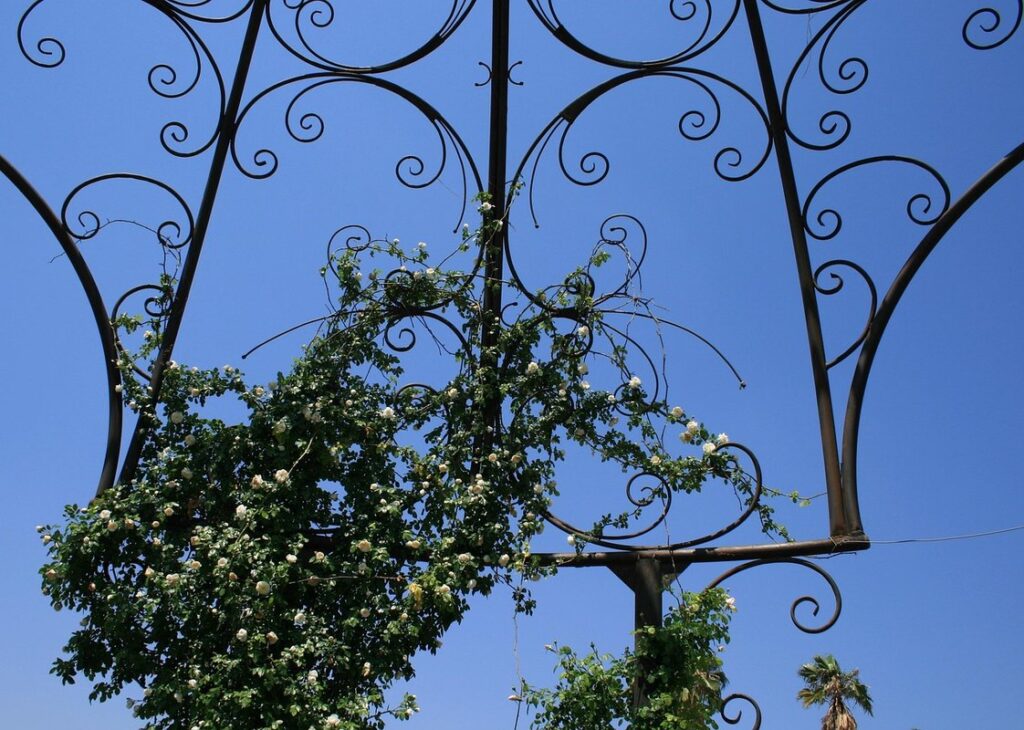
Imagine strolling through your garden and being greeted by a picturesque arrangement of blooming roses, their stems gently swaying in the breeze as they cascade over the beautifully crafted metal framework of your rose garden cage. The contrast between the delicate petals of the flowers and the sturdy structure of the cage creates a striking visual effect that is sure to impress.
To maximize the visual appeal of your rose garden cage, consider choosing a design that complements your garden’s existing style and color scheme. For example, if you have a traditional English garden with a mix of roses, shrubs, and perennials, opt for a classic metal cage with ornate details. Alternatively, if your garden has a more modern and minimalist look, a sleek and simple cage design will be the perfect fit.
When selecting the right rose varieties to train onto your cage, remember that the flowers’ colors, shapes, and sizes can create a stunning visual display when combined in a harmonious way. For instance, pair vibrant red roses with delicate pink ones or alternate between large, showy blooms and smaller, more compact roses for added visual interest.
By incorporating a rose garden cage into your gardening design, you’ll not only add structure and support to your plants but also create a beautiful focal point in your outdoor space that will be the envy of friends and neighbors alike.
Choosing the Right Materials for Your Rose Garden Cage
When selecting materials for your rose garden cage, it’s essential to consider durability, weather resistance, and aesthetics to create a beautiful and long-lasting structure. You’ll want to choose materials that complement your garden style.
Types of Fencing Used for Rose Garden Cages
When it comes to building a rose garden cage, selecting the right fencing material is crucial for durability and longevity. There are several types of fencing materials commonly used, each with its own set of advantages and disadvantages.
Wooden fences are a popular choice for rose garden cages due to their aesthetic appeal and ease of installation. You can opt for pressure-treated wood or cedar, which offers natural resistance to rot and insects. However, wooden fences require regular maintenance to prevent warping and decay.
Metal fencing is another option that provides excellent durability and security. Aluminum or steel fences are rust-resistant and come in a variety of styles, from ornate to modern designs. They also offer better protection against wildlife and intruders. But metal fences can be expensive and may not blend seamlessly with your garden’s design.
Plastic fencing is a budget-friendly alternative that’s lightweight and easy to install. PVC or vinyl-coated plastic fences are low maintenance and resistant to corrosion, but they might not provide the same level of security as other options. Consider the overall look and functionality you want for your rose garden cage when choosing between these materials.
Considering the Size and Shape of Your Cage
When it comes to creating a rose garden cage, one of the most critical decisions you’ll make is determining its size and shape. While it may seem like a straightforward task, choosing the right dimensions can significantly impact the health and productivity of your roses.
Consider the mature size of your rose plants and leave enough space for them to grow freely. A good rule of thumb is to allow at least 18-24 inches of clearance between each plant. This will not only prevent overcrowding but also facilitate proper air circulation, which is essential for healthy growth.
Think about the shape of your garden bed too. If you have a long, narrow plot, consider using a rectangular cage that can be aligned with the bed’s dimensions. For larger gardens or irregularly shaped beds, a hexagonal or octagonal cage may provide better flexibility and structure.
When deciding on the overall size of your cage, don’t forget to factor in the space needed for maintenance, pruning, and harvesting. A larger cage can make these tasks much easier and more efficient.
Budget-Friendly Options for DIY Enthusiasts
Creating a rose garden cage on a budget can be a challenge, but there are many ways to do it without breaking the bank. For DIY enthusiasts, the good news is that you don’t need to invest in expensive materials to build a sturdy and effective rose garden cage.
Start by repurposing old materials from around your home or garden. For example, you can use an old wire mesh fence as the base of your cage, and add wooden posts for support. You can also use reclaimed wood for the frame and trellis, which will not only save you money but also reduce waste.
Another option is to use affordable materials like PVC pipes, chicken wire, or netting. These are easy to find at most hardware stores or home improvement centers and can be used to create a sturdy cage structure. Consider using a mix of recycled and budget-friendly materials to create a unique and functional rose garden cage that fits your needs and style.
Remember, the key to building a successful rose garden cage on a budget is to think creatively and make do with what you have. With a little imagination and resourcefulness, you can create a beautiful and thriving rose garden without overspending.
Designing Your Rose Garden Cage for Optimal Air Circulation
To create a rose garden cage that’s truly thriving, you’ll want to prioritize air circulation by designing your structure with strategic openings and clever layout. This will keep your roses healthy and robust.
The Importance of Air Circulation in Rose Gardening
Air circulation is one of the most critical factors to consider when designing your rose garden cage. Healthy roses need adequate air movement to prevent disease and promote robust growth. When air circulates freely around plants, it helps to dissipate moisture and reduce humidity levels, making it difficult for fungal diseases like black spot and powdery mildew to take hold.
A well-designed rose garden cage can facilitate air circulation in several ways. By leaving space between the wire mesh or trellis panels, you allow air to flow through the structure, promoting healthy growth and reducing disease susceptibility. Consider using a trellis with diamond-shaped holes, which allow for better air penetration compared to square or rectangular openings.
When building your rose garden cage, remember that the size of the gaps between the wires is just as important as their orientation. A general rule of thumb is to use 1-inch gaps for smaller roses and larger spaces for more vigorous varieties.
Strategies for Maximizing Airflow Within Your Cage
When designing your rose garden cage, it’s essential to prioritize airflow to prevent disease and promote healthy growth. To achieve this, consider implementing a strategic plant spacing plan that allows for adequate circulation between each bloom. Aim for at least 12-18 inches of space between plants, taking into account the mature size of each variety.
Incorporating lattice work into your cage design is another effective way to maximize airflow. By placing lattices at varying heights and intervals, you can create a three-dimensional structure that promotes air movement while also providing support for climbing roses. For instance, installing a lattice trellis near the back of the cage can help to draw in cool breezes and prevent stagnation.
Remember to avoid overplanting, as this can lead to reduced airflow and increased susceptibility to disease. By striking a balance between plant density and spacing, you’ll be able to create an environment that allows your roses to thrive while also maintaining optimal air circulation.
Using Ventilation and Louvers to Enhance Air Circulation
Proper ventilation is essential for maintaining good air circulation within your rose garden cage. One effective way to achieve this is by incorporating ventilation systems and louvers into the design.
Ventilation systems come in various forms, including exhaust fans, vents, and ductwork. These can be installed strategically around the cage to promote airflow. For example, you could install a vent at the top of the cage to allow warm air to escape, while also installing another one near the base to introduce fresh air.
Louvers are also an excellent option for enhancing air circulation in your rose garden cage. These are essentially slatted panels that can be installed on walls or roofs to allow air to pass through while keeping pests out. By carefully positioning louvers around the cage, you can create a natural convection effect that keeps the air moving.
When choosing ventilation systems and louvers for your rose garden cage, consider factors such as climate, location, and plant type. Be sure to select materials that are durable and resistant to weather conditions. Regular maintenance is also crucial to ensure that these components continue to function effectively.
Maintenance and Upkeep of Your Rose Garden Cage
To keep your rose garden cage thriving, it’s essential to establish a regular maintenance routine that includes tasks such as pruning and cleaning. Regular upkeep will also help prevent damage from pests and diseases.
Regular Inspections and Repairs
Regular inspections and repairs are crucial to ensure your rose garden cage remains secure and effective. As with any structure, a rose garden cage is not immune to wear and tear over time. Extreme weather conditions, such as heavy rain or intense sunlight, can cause damage to the cage’s framework, wires, or joints.
Check your rose garden cage regularly for signs of damage, rust, or corrosion. Look out for loose or broken wires, sagging structures, and damaged joints. If you notice any issues, address them promptly to prevent further damage. For instance, tighten loose screws or replace rusty wire mesh with new ones.
To make inspections easier, create a routine schedule, such as inspecting your rose garden cage every spring before the growing season begins. This way, you can identify and repair potential problems before they become major issues. Remember, regular maintenance is key to maintaining a secure and healthy rose garden cage that will continue to protect your prized roses for years to come.
Cleaning and Disinfecting the Cage
Cleaning and disinfecting your rose garden cage is an essential part of maintaining its health and preventing the spread of diseases. Regular cleaning helps remove debris, dead plant material, and pests that can harm your roses. Start by removing any loose dirt or debris from the cage using a soft-bristled brush or a gentle scrubber.
Next, mix a solution of 1 part bleach to 10 parts water in a spray bottle. Spray the solution onto all surfaces of the cage, including walls, floor, and any other features. Let it sit for about 10-15 minutes to allow the bleach to effectively kill bacteria and fungi. After the waiting period, use a clean water rinse to remove the bleach residue.
To prevent pests from infesting your cage, inspect it regularly and look for signs of damage or egg-laying. Use neem oil or insecticidal soap to treat any affected areas. Remember to always wear gloves when handling cleaning solutions to avoid irritating your skin. Regular cleaning and disinfecting will help keep your rose garden cage healthy and thriving.
Seasonal Adjustments and Preparations
As we delve into the world of rose garden cages, it’s essential to consider the seasonal adjustments and preparations necessary for maintaining a healthy and thriving rose garden. Just like our own homes, rose gardens require some TLC during different times of the year.
Protecting Your Roses from Extreme Weather
During harsh winter months, the cold weather can damage or even kill your rose bushes. To protect them, make sure to add extra insulation around the base of each plant using mulch or straw. This will help keep the roots warm and shielded from frost. Conversely, during hot summer days, it’s crucial to provide adequate shade for your roses. Use shade cloth or umbrellas to filter direct sunlight and prevent scorching.
Pruning and Deadheading
Spring is an excellent time for pruning, allowing you to shape your roses and promote new growth. Remove dead branches, cut back overgrown stems, and encourage a balanced shape. As blooms fade, don’t forget to deadhead – this simple task encourages more flowers to grow!
Tips for Integrating Your Rose Garden Cage with Existing Gardening Systems
Now that you’ve created your rose garden cage, let’s talk about seamlessly integrating it into your existing gardening systems and layouts for a harmonious outdoor space.
Incorporating the Cage into a Larger Trellis System
When integrating your rose garden cage with larger trellis systems, you’ll not only create a more robust support structure for your climbing roses, but also improve airflow and promote healthy growth. This is especially beneficial when working with hybrid tea or grandiflora varieties that can grow quite large.
By combining the cage with an existing trellis system, you can extend its reach to accommodate longer stems without obstructing air circulation. For instance, if your trellis system has a lattice top, consider adding a series of horizontal bars to create a stable base for the rose cage’s vertical posts.
To achieve this seamless integration, start by securing the trellis system firmly into the ground using wooden stakes or metal anchors. Then, attach the rose garden cage to the existing structure using sturdy wire or cable ties. This will create an open framework that allows for efficient air exchange and maximum sunlight penetration. By doing so, you’ll provide your climbing roses with everything they need to thrive in a beautiful, balanced display of color and fragrance.
Using the Cage as a Companion Planting Solution
When it comes to creating a thriving rose garden, companion planting is an often-overlooked technique that can bring numerous benefits. By strategically placing other plants alongside your roses, you can enhance growth, deter pests, and even improve soil health.
Some of the most effective companion plants for rose gardens include marigolds, which repel nematodes and attract beneficial insects; chives, which repel aphids and add nutrients to the soil; and basil, which improves flavor and fragrance. Consider placing these plants at the perimeter or interspersed among your roses.
When choosing companion plants, remember that they should complement rather than compete with your rose growth. For example, planting tall sunflowers near your roses can provide shade and structure but may also create competition for water and nutrients.
To get started, identify areas in your garden where pests are most prevalent or where soil quality is lacking. Select companion plants tailored to address these specific issues and plant them in harmony with your rose garden cage. With careful planning, you can create a balanced ecosystem that supports the health and productivity of your roses while also attracting beneficial wildlife and pollinators.
Linking Your Cage to an Irrigation System
Linking your rose garden cage to an irrigation system can significantly simplify maintenance and ensure that your plants receive the right amount of water at all times. One of the primary benefits of integrating your cage with an existing irrigation system is that it eliminates the need for manual watering, saving you time and effort.
To link your cage to an irrigation system, you’ll need to identify the type of irrigation controller you’re using and match its output to the specific requirements of your rose garden. If you have a drip irrigation system, for example, you can connect the tubes directly to the cage’s irrigation points.
Before making any connections, ensure that the system is turned off and follow these basic steps:
* Identify the correct flow rate and pressure gauge required for your irrigation controller.
* Connect the hoses or tubes from the irrigation controller to the cages’ individual valves.
* Adjust the valve settings according to the plant spacing and growth requirements of your rose garden.
Once connected, you can schedule watering sessions through a smart irrigation controller or manually adjust as needed.
Common Mistakes to Avoid When Building a Rose Garden Cage
When building your rose garden cage, it’s easy to overlook some crucial details that can compromise its effectiveness and longevity. Let’s take a look at common mistakes to avoid.
Insufficient Materials and Support
When building a rose garden cage, it’s easy to overlook essential details that can compromise its integrity. One common mistake is using insufficient materials and support, which can lead to structural failure and damage to your plants. For instance, if you’re using wire mesh with small openings (around 1 inch or less), it may not provide adequate ventilation for your roses, leading to heat stress and disease.
To avoid this issue, opt for larger mesh sizes (about 2-3 inches) that allow for good air circulation while keeping pests at bay. Additionally, ensure you have a sturdy framework in place, with corner posts securely anchored into the ground or attached to existing garden walls. This will help prevent the cage from toppling over due to wind or weight.
Remember, investing in quality materials upfront can save you time and resources in the long run. A well-designed rose garden cage should be able to support the growth of your plants without requiring constant maintenance or repairs. By paying attention to these details, you’ll be able to enjoy a thriving and healthy rose garden for years to come.
Poor Design and Layout
A well-designed rose garden cage is not just aesthetically pleasing but also functional. However, poor design and layout can hinder the growth of your roses, make maintenance more difficult, and even attract pests. To avoid these common mistakes, it’s essential to consider a few key factors.
Firstly, ensure that the cage provides sufficient support for the mature height and width of your rose bushes. A general rule of thumb is to provide at least 1 inch of clearance between the plant and the cage. This will prevent damage to the stems and leaves during pruning and training.
When designing the layout, consider the mature spread of each rose variety and leave enough space for air circulation. This will help prevent disease and promote healthy growth. Aim for a minimum of 12-18 inches between plants in different directions.
Additionally, pay attention to the placement of entrances and exits. These should be large enough for easy access but not so large that they compromise structural integrity. By carefully planning your rose garden cage’s design and layout, you can create a thriving and beautiful oasis in your garden.
Failing to Consider Local Regulations and Restrictions
When building a rose garden cage, it’s essential to consider local regulations and restrictions on gardening structures. These can vary significantly depending on where you live, so it’s crucial to research what’s allowed in your area before breaking ground.
Some municipalities have specific rules governing the size, material, and placement of outdoor gardens, including cages. For instance, some neighborhoods may require a permit for any structure over a certain height or width. Others might prohibit the use of certain materials due to environmental concerns.
To avoid costly mistakes, take the time to review your local government’s website or contact their planning department directly. Check if there are any zoning restrictions on garden cages in your area and what specific regulations apply to your project. Additionally, familiarize yourself with any homeowners’ association (HOA) rules that might impact your rose garden cage.
Not doing so could result in fines, the need for costly modifications, or even the removal of your entire garden.
Conclusion: Building a Thriving Rose Garden with Your Cage
Now that you’ve built and planted your rose garden cage, it’s time to tie everything together with some final tips for long-term success. Let’s discuss how to keep your thriving rose garden going strong.
Recap of Key Takeaways
To create a thriving rose garden cage, it’s essential to recap on the key takeaways from our discussion. Careful planning is crucial, and this starts with selecting the right location for your cage. Ensure that your chosen spot receives at least six hours of direct sunlight daily, as roses require ample sunlight to produce an abundance of blooms.
Proper design is also vital, and this includes choosing the perfect size and type of rose cage. A larger cage will provide more space for your roses to grow, but it may be more challenging to maintain. Conversely, a smaller cage can be easier to manage, but it may restrict plant growth. Regular maintenance is another critical aspect of creating a thriving rose garden cage. This includes watering, fertilizing, and pruning your roses regularly.
Key takeaways from this guide include:
* Selecting a suitable location with at least six hours of direct sunlight
* Choosing the right size and type of rose cage for your needs
* Regularly maintaining your roses through watering, fertilizing, and pruning
By following these guidelines, you’ll be well on your way to creating a stunning rose garden cage that will provide years of beauty and enjoyment. Remember, with careful planning, proper design, and regular maintenance, your rose garden cage will flourish, producing an abundance of fragrant blooms for years to come.
Encouragement for Readers to Experiment and Innovate
Now that you’ve learned the ins and outs of creating a thriving rose garden cage, it’s time to put your newfound knowledge into action. Don’t be afraid to experiment with different designs, layouts, and features to create a truly unique space that meets your specific needs.
As you begin to build your dream rose garden cage, remember that there’s no one-size-fits-all approach. Be willing to make adjustments and improvements along the way based on what works best for your climate, soil type, and personal preferences.
For instance, if you live in a region with harsh winds or extreme temperatures, consider incorporating additional supports or windbreaks into your design. On the other hand, if you have limited space, think creatively about vertical gardening options to maximize your square footage.
As you experiment and innovate, keep an eye on your plants’ response to their new surroundings. Make note of what works well and what areas need improvement, using this valuable feedback to refine your design over time. By embracing a spirit of experimentation and continuous learning, you’ll be amazed at the beauty and vibrancy that can emerge from even the most humble rose garden cage.
Frequently Asked Questions
How Do I Determine the Perfect Size for My Rose Garden Cage?
Determine the size of your rose garden cage based on the mature spread of your roses, as well as the amount of space you want to dedicate to each plant. Consider a cage that is at least 3-4 feet tall and 6-8 feet wide to allow for optimal air circulation and easy maintenance.
Can I Use a Pre-Made Fencing Material for My Rose Garden Cage?
Yes, you can use pre-made fencing materials like chicken wire or hardware cloth for your rose garden cage. However, make sure it’s sturdy enough to withstand wind and weather conditions, and consider adding additional support structures as needed.
How Often Should I Inspect and Maintain My Rose Garden Cage?
Regularly inspect your rose garden cage every 2-3 months during the growing season, checking for signs of damage or wear. Perform seasonal cleanings and disinfecting to prevent disease spread and pest infestations.
What Are Some Tips for Integrating My Rose Garden Cage with Existing Gardening Systems?
When integrating your rose garden cage into existing gardening systems like irrigation or trellis systems, consider the flow of water and air circulation within the cage. Use a drip irrigation system to deliver water directly to the roots, reducing evaporation and runoff.
How Do I Adapt My Rose Garden Cage for Different Types of Roses?
Different types of roses have varying growth habits and space requirements. For example, climbing roses may require more vertical support, while shrub roses may benefit from a smaller cage with better soil access. Research specific growing needs for your rose variety to adapt the cage accordingly.
What Are Some Common Mistakes to Avoid When Building a Rose Garden Cage?
Avoid common mistakes like insufficient materials and poor design by carefully planning and measuring your cage before construction. Also, consider local regulations and restrictions on fencing heights and types in your area to avoid costly modifications or fines.