
Starting your succulent journey can be intimidating, but don’t worry, we’ve got you covered! Simple succulents are perfect for beginners because they’re low-maintenance and easy to care for. Whether you have a small apartment or a spacious backyard, these plants can thrive in various environments. In this guide, we’ll walk you through the basics of growing and caring for simple succulents, covering different types, planting techniques, propagation methods, and common issues that might arise.
As a beginner, it’s essential to understand how to properly care for your succulent friends, including watering, lighting, and fertilizing. We’ll share expert tips on troubleshooting common problems like overwatering, under-watering, or pests. By the end of this article, you’ll be confident in your ability to grow and maintain a beautiful collection of simple succulents that bring joy and life to any space. So, let’s get started!
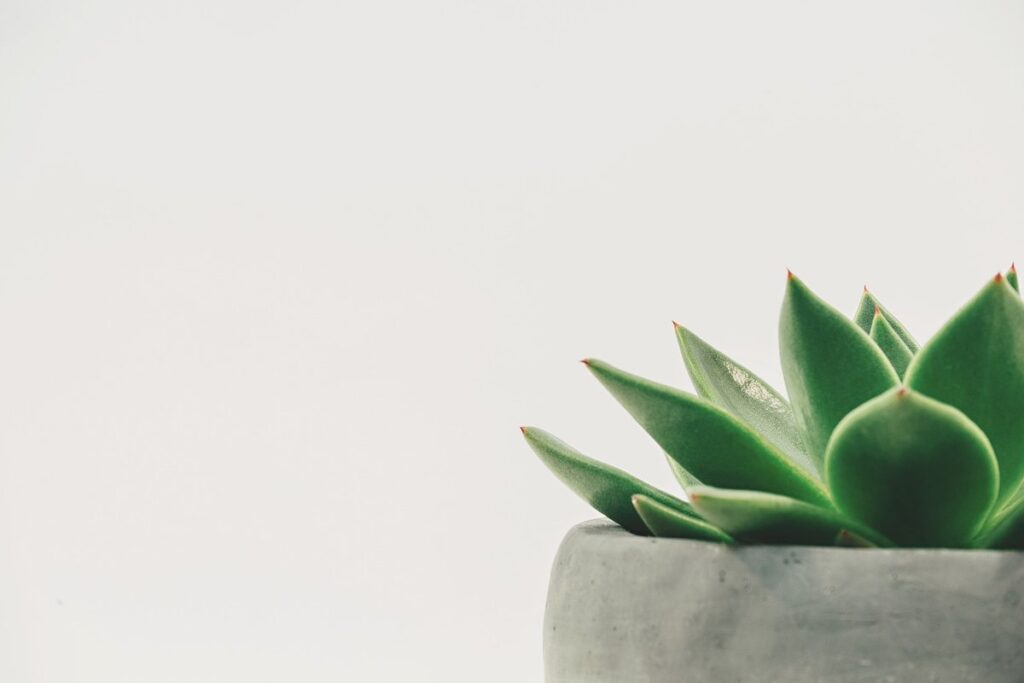
What are Succulents?
If you’re new to the world of succulents, let’s start from the beginning: what exactly is a succulent and how does it differ from other plants. This section will cover the basics.
Definition and History of Succulents
Succulents have been around for thousands of years, originating from the arid regions of Africa, Asia, and the Americas. These plants evolved to conserve water, developing thick, fleshy leaves or stems that can store moisture. The ancient Egyptians prized succulents for their beauty and medicinal properties, often using them in arrangements and decorative vases.
In modern times, succulents have experienced a resurgence in popularity, thanks in part to the rise of indoor gardening and small-space living. With the increasing awareness of water conservation and sustainable practices, succulents have become a staple in many urban gardens and homes. Today, you can find a vast array of succulent species, from delicate Echeveria to robust Aloe, in nurseries, online marketplaces, and even big-box stores.
The appeal of succulents lies not only in their unique appearance but also in their low-maintenance requirements. With proper care, these plants can thrive in conditions that would be inhospitable to other types of plants, making them an ideal choice for beginners or those new to gardening.
Types of Succulents
Succulents come in an incredible variety of shapes, sizes, and growth habits, making them perfect for any space. You can divide these low-maintenance wonders into several main categories: cacti, echeverias, crassulas, aloe, agave, sedum, and lithops.
Cacti are perhaps the most iconic succulents, with their sharp spines and waxy stems. These desert-dwellers can store massive amounts of water in their thick pads, allowing them to survive for months without rain. Some popular varieties include Christmas cactus, prickly pear, and saguaro.
Echeverias are a favorite among succulent enthusiasts due to their delicate rosettes and vibrant colors. With around 150 species to choose from, you can find echeverias in various shapes, sizes, and hues. They thrive in bright indirect light and require moderate watering.
Crassulas, also known as jade plants, have thick, fleshy leaves that allow them to store water. These adaptable succulents can grow into small shrubs or remain compact, making them perfect for indoor spaces. When choosing a crassula, look for the ‘Tricolor’ variety with its striking white and pink markings.
These are just a few examples of the incredible diversity within the succulent family. By understanding their unique characteristics and growth habits, you can choose the perfect type to fit your space and care routine.
Choosing the Right Succulent for Your Space
When selecting a succulent, consider your space’s lighting conditions and temperature range to choose one that will thrive under those circumstances. This will ensure you bring home a happy plant.
Factors to Consider When Selecting a Succulent
When selecting a succulent for your space, there are several key factors to consider. First and foremost, think about the amount of light your space receives. Some succulents can thrive in low-light conditions, such as African Violets or Christmas Cactus, while others require direct sunlight, like Aloe Vera or Echeveria.
Temperature tolerance is another crucial consideration. If you live in an area with freezing winters, choose succulents that are hardy and can withstand frost, such as Agave or Yucca. On the other hand, if your space is prone to heatwaves, select succulents that prefer warmer temperatures, like Lithops or Crassula.
Watering needs are also essential to consider. Some succulents, like Cacti, require infrequent watering and can survive with neglect, while others need more frequent watering, such as String of Pearls or Pincushion Cactus. Consider the humidity levels in your space too, as some succulents prefer higher humidity than others.
Ultimately, choose a succulent that fits your lifestyle and growing conditions to ensure its success and longevity. Research specific care requirements for your chosen species to make informed decisions about watering, fertilizing, and pruning. By considering these factors, you can select the perfect succulent for your space and enjoy the benefits of low-maintenance, beautiful plants.
Popular Succulent Varieties for Beginners
When it comes to choosing the right succulent variety, beginners often have a hard time deciding which ones to bring home. Fortunately, there are several popular varieties that are perfect for those just starting out. Let’s take a closer look at three of our favorites: ‘Haworthia’, ‘Echeveria’, and ‘Sedum’.
These plants are incredibly versatile and can thrive in various lighting conditions, making them ideal for beginners who may not know their way around a windowsill. For example, the compact ‘Haworthia’ is perfect for small spaces or indoor gardens with limited natural light. Its thick, fleshy leaves store water, allowing it to survive with minimal watering.
‘Echeveria’, on the other hand, offers a stunning range of shapes and colors, making it a favorite among succulent enthusiasts. These plants are relatively low-maintenance and can tolerate some neglect, but they still appreciate regular watering and fertilization. ‘Sedum’ is another great option for beginners, as it’s extremely hardy and can grow well in full sun or partial shade.
When selecting one of these varieties, consider the specific needs of your plant and choose a potting mix specifically designed for cacti and succulents. This will ensure that your new succulent has everything it needs to thrive.
Planting and Caring for Your Succulents
Now that you’ve got your succulent, it’s time to plant and care for it properly. In this next part, we’ll cover the basics of getting your new plant off to a healthy start.
Soil Selection and Repotting
When it comes to growing succulents, one of the most critical aspects is selecting the right soil. Succulents thrive in well-draining soil that prevents water from accumulating around their roots, which can lead to root rot and other issues. To ensure you’re using the best possible soil for your succulents, look for a mix specifically designed for cacti and succulents. These mixes typically contain perlite or sand, which help to prevent waterlogged soil.
When repotting your succulents, make sure to choose a pot that’s only slightly larger than the previous one. This will give them room to grow without becoming too wet in the process. Start by gently removing the succulent from its current pot, taking care not to disturb the roots. Then, place it into its new home and add fresh soil around the roots. Water sparingly until the succulent is established.
It’s also a good idea to repot your succulents every 1-2 years to give them a fresh start and prevent nutrient depletion in the soil. Simply follow the same process as before, taking care not to overwater during this time.
Watering and Humidity Requirements
When it comes to watering and humidity requirements for succulents, many beginners get it wrong. The key is to understand that overwatering is the most common cause of death for these plants. To avoid this, start by checking the soil moisture by sticking your finger into the soil up to the first knuckle. If it feels dry, it’s time to water. Water thoroughly until you see water coming out of the drainage holes.
However, don’t overdo it – succulents prefer dry soil between waterings. In general, watering once a week is a good starting point, but this can vary depending on factors like climate and pot size. For example, if your succulent lives in a bright, hot spot, you may need to water more frequently. Conversely, if it’s in a shadier location, less often.
Humidity-wise, succulents are adapted to arid environments and prefer low humidity levels – between 40-50%. This means they can thrive in average indoor conditions, without the need for special humidifiers or misting systems.
Propagation Methods for Succulents
Succulent propagation is a breeze, and once you master it, you can share your favorite plants with friends and family. Let’s explore some easy methods to propagate succulents, including leaf and stem cuttings.
Leaf and Stem Cuttings
Propagating succulents using leaf and stem cuttings is a straightforward process that requires minimal equipment. To start, gather healthy leaves or stems from your succulent plant. For leaf cuttings, twist or cut off the leaf at the base, making sure to leave a small piece of stem attached. This will help the cutting develop roots more easily.
For stem cuttings, cut a section of stem about 3-4 inches long, just above a node (where a leaf meets the stem). Allow the cut ends to dry for a few days to form a callus, which helps prevent root rot. You can then plant the cutting in well-draining soil, watering sparingly until roots develop.
When planting, make sure the node is buried in the soil and the cut end is above it. Water lightly but thoroughly, and keep the soil moist but not waterlogged. Roots should develop within a few weeks. Some popular succulent species that respond well to leaf and stem cuttings include Aloe, Echeveria, and Crassula.
Division and Grafting
Division and grafting are two advanced propagation methods for succulents that can be used to create new plants from existing ones. Division involves separating a mature succulent into multiple sections, each with its own roots, while grafting involves joining a piece of stem or leaf from one succulent onto the root system of another.
The benefits of division and grafting include increased efficiency in propagating new plants, reduced waste, and the ability to propagate rare or difficult-to-grow species. For example, if you have a mature echeveria that’s outgrown its pot, you can divide it into multiple sections to create several smaller plants with their own roots.
However, division and grafting also come with challenges. Division requires careful handling to avoid damaging the delicate roots, while grafting demands precision and patience to ensure successful union of the two plants. To increase your chances of success, make sure the “stock” plant (the one you’re taking a cutting from) is healthy and vigorous, and choose a suitable “scion” (the piece being grafted onto). It’s also essential to monitor temperature, humidity, and light conditions during the propagation process.
When attempting division or grafting, use clean tools, disinfect any cuts with alcohol, and apply a rooting hormone to promote root growth. With practice and patience, you’ll be able to successfully propagate new succulents using these advanced methods.
Common Problems and Solutions
As you start growing and caring for your succulents, you may encounter some common issues that can be easily resolved. Let’s take a look at some of these problems and their simple solutions.
Overwatering and Underwatering
When it comes to caring for simple succulents, two common mistakes beginners make are overwatering and underwatering. These issues can lead to root rot, leaf drop, or even the death of your plant.
Overwatering occurs when you give your succulent too much water, causing the roots to become waterlogged. This can be especially problematic if you have a simple succulent like Aloe Vera, which is prone to root rot. To prevent overwatering, make sure to check the soil moisture by sticking your finger into the soil up to the first knuckle. If it feels wet, wait another day or two before watering again.
Underwatering, on the other hand, happens when you don’t provide enough water for your succulent’s needs. This can cause leaves to shrivel and turn brown. To avoid underwatering, try to develop a regular watering schedule that takes into account the time of year and temperature changes in your area. Water your simple succulent thoroughly, then let it dry out slightly between waterings.
By being mindful of these two common mistakes and adjusting your watering habits accordingly, you can help ensure the health and happiness of your simple succulents.
Pests and Diseases
As you tend to your beautiful succulents, it’s not uncommon for pests and diseases to creep in. Succulents are generally low-maintenance, but they’re still susceptible to common issues that can be detrimental if left unaddressed.
Some of the most common pests that affect succulents include mealybugs, spider mites, and scale insects. These tiny critters can drain your plants’ energy and cause damage to their leaves and stems. To treat infestations, start by isolating the affected plant to prevent further spread. Use a gentle soap solution or neem oil to spray the pests off, making sure to cover all surfaces.
Diseases like root rot and leaf spot are also common in succulents. Root rot occurs when excess water causes roots to rot, while leaf spot is caused by fungal infections that create unsightly spots on leaves. To prevent these issues, make sure your potting mix drains well and avoid overwatering. If you do notice symptoms of disease, remove infected areas, repot the plant in fresh soil, and treat with a fungicide.
Regular inspections and prompt action can help prevent infestations and diseases from taking hold. By keeping an eye out for pests and being mindful of your watering habits, you’ll be well on your way to raising healthy, thriving succulents.
Conclusion and Inspiration
Now that you’ve learned the basics of growing and caring for simple succulents, let’s talk about what to do next and how to keep your plants thriving over time.
Final Tips for Succulent Success
As you’ve made it through this beginner’s guide to growing and caring for succulents, we’re confident that you’ll be well on your way to becoming a succulent expert. Remember, the key to succulent success is simplicity – don’t overthink it!
Here are some final tips to keep in mind as you embark on your succulent journey:
- Be gentle when handling your plants – those delicate leaves can bruise easily.
- Keep an eye out for pests like mealybugs and spider mites, which thrive in dry environments. Inspect your plants regularly and treat any infestations promptly.
- Water wisely – overwatering is the most common mistake succulent owners make. Stick to the ‘soak-and-dry’ method: let the soil dry completely between waterings.
- Rotate your plants every few weeks to ensure even growth and prevent lopsidedness.
- Most importantly, have fun experimenting with different varieties and arrangements – there’s a whole world of succulents out there just waiting to be explored!
With these final tips in mind, you’ll be well-equipped to handle any challenges that come your way. Happy planting!
Showcase of Stunning Succulent Displays
As you’ve mastered the basics of growing and caring for succulents, it’s time to take your creativity to the next level. A stunning succulent display can add a touch of elegance and sophistication to any room, making it the perfect centerpiece or accent piece. The best part? You don’t need to be a skilled gardener or decorator to create these beautiful arrangements.
To get started, consider the types of plants you have available. Mix and match different shapes, sizes, and colors to create visual interest. For example, pair tall, upright species like Aloe vera with shorter, more compact ones like Echeveria. Add some texture by incorporating plants with unique leaf patterns or shapes.
For a simple yet impactful arrangement, try grouping succulents in small pots and placing them on a decorative tray or plate. This creates a beautiful vignette that can be easily rearranged as your plants grow and change. You can also experiment with adding decorative stones, pebbles, or shells to the soil for added visual appeal.
Frequently Asked Questions
How often should I water my succulents, especially if I live in a humid climate?
Yes, the frequency of watering still applies to succulents in humid climates. Water your succulents sparingly, allowing the soil to dry out completely between waterings. Overwatering is just as common in humid environments, so be cautious not to overcompensate.
Can I propagate my succulent by cutting off a single leaf or stem?
Yes, leaf and stem cuttings are popular methods for propagating succulents. However, it’s essential to choose healthy leaves or stems with no signs of damage or pests. Allow the cut ends to dry out for 1-3 days before planting them in well-draining soil.
What if my succulent is already showing signs of overwatering – how can I save it?
Save your succulent by actuating a change in watering habits immediately. Remove the plant from its pot, gently wash away excess moisture from the roots, and repot it with fresh, well-draining soil. Reduce watering frequency and monitor the plant’s response.
How long does it take for a succulent to adjust to indoor or outdoor conditions?
Succulents typically adapt quickly to their new environments within 1-2 weeks. However, this depends on factors like light exposure, temperature fluctuations, and humidity levels. Be patient and observe your succulent’s growth; you may need to make adjustments based on its specific needs.
Are there any pest control methods that are safe for indoor succulents?
Neem oil is a gentle yet effective natural pesticide for controlling pests on indoor succulents. Mix neem oil with water according to the product instructions and spray it on the affected areas. This method can help prevent infestations without harming your plants or the environment.