
As the weather cools down and summer fades into autumn, your front porch is begging for some seasonal flair. A well-chosen selection of fall porch plants can completely transform your outdoor space, inviting warmth and coziness to your home’s entrance. But with so many options available, it can be overwhelming to know where to start. That’s why I’m excited to share my expert tips on choosing the perfect fall porch plants for your unique climate and style. From native drought-tolerant options that thrive in low-maintenance conditions to vibrant mums and asters that add a pop of color to your display, we’ll cover it all. Whether you’re a seasoned gardener or just starting out, this article will guide you through the process of designing a beautiful fall porch with plants that are sure to impress.
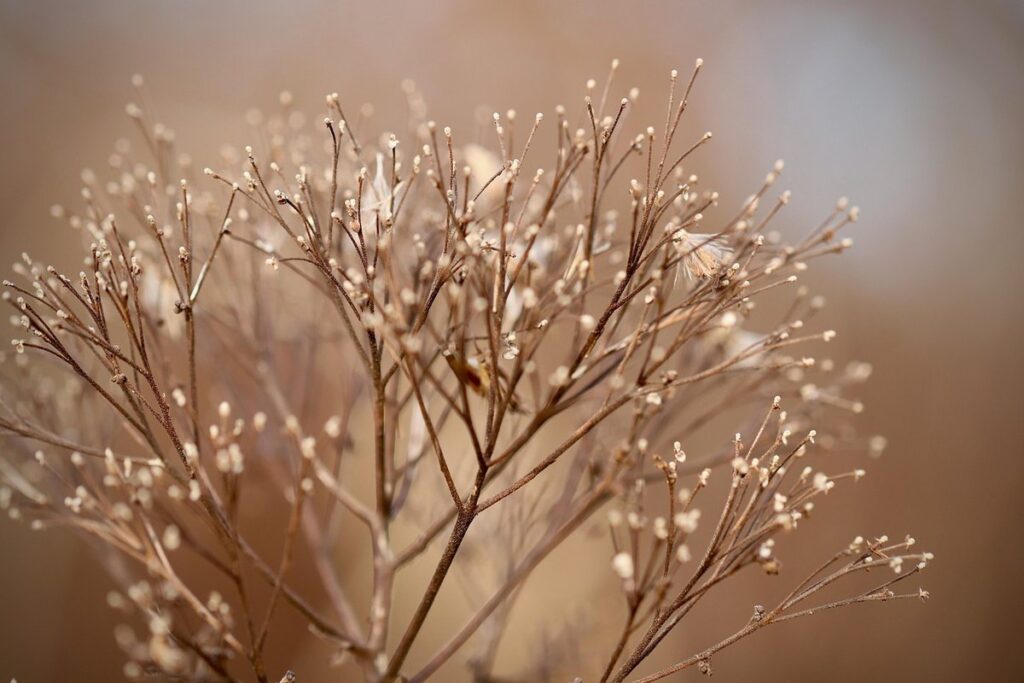
Selecting the Right Fall Porch Plants
When it comes to selecting the perfect fall porch plants, you’ll want to consider factors like climate, maintenance needs, and of course, style. Let’s break down the key considerations for choosing beautiful fall flowers.
Native Drought-Tolerant Options
When selecting plants for your fall porch, consider incorporating native drought-tolerant options that require minimal watering and maintenance. These plants are well-suited for the changing seasons and can thrive with infrequent watering.
Sedum, aloe vera, and succulents are excellent choices for fall porches. Sedum, in particular, comes in a variety of shapes and sizes, making it easy to find one that fits your space. Its thick, fleshy leaves store water, allowing the plant to survive with minimal watering.
Aloe vera is another low-maintenance option, tolerating drought conditions with ease. It’s also known for its soothing gel, which can be used to calm sunburned skin. Succulents, such as agave and echeveria, come in a range of colors and textures, adding visual interest to your fall porch.
To care for these plants, remember to water them sparingly during the fall season. Water only when the soil feels dry to the touch, and avoid overwatering, which can lead to root rot. By incorporating native drought-tolerant options into your fall porch design, you’ll enjoy beautiful seasonal beauty with minimal maintenance.
Colorful Mums and Asters
When it comes to adding a pop of color to your fall porch without breaking the bank or worrying about winter storage, colorful mums and asters are a perfect choice. These annuals thrive in cooler temperatures and can provide vibrant hues from September through frost.
One reason why mums and asters stand out is their low-maintenance requirements. They’re easy to care for, needing only occasional watering and fertilization to maintain their color and health. Plus, they don’t require the same level of pruning that perennials do, making them a great option for those new to gardening.
Some popular varieties of mums include ‘Sheffield Pink’, ‘Becky’, and ‘Joker’, while asters come in a range of colors including pink, purple, and white. To get the most out of these plants, be sure to plant them after the last spring frost and provide at least six hours of direct sunlight per day.
By incorporating mums and asters into your fall porch decor, you can add a seasonal touch without the hassle of winter storage or extensive care.
Fall-Flowering Bulbs
When it comes to selecting fall- flowering bulbs for your porch, there are few options that can match the vibrancy and beauty of tulips, daffodils, and crocus. These perennials are not only a delight to behold but also provide an opportunity to create a stunning display year after year with proper care.
To plant these bulbs, choose a location that receives full sun to partial shade, depending on the specific variety. Plant them 2-3 times deeper than their height, typically in late summer or early fall, when the soil has cooled down. Space them about 3-6 inches apart, depending on the mature size of the bloom.
For maintenance, allow the foliage to die back naturally after blooming, as this will help recharge the bulb for next year’s growth. Avoid watering or fertilizing during this period, as it can cause new growth that may not have time to harden off before winter.
By following these simple steps and providing the right conditions, you’ll be rewarded with stunning fall displays from these bulbs season after season.
Preparing Your Porch for Fall Planting
Before you can enjoy your beautiful fall porch plants, it’s essential to prepare your porch for the new season by cleaning and inspecting it thoroughly. This process will help ensure a healthy start for your seasonal blooms.
Cleaning and Disinfecting
Before you start planting beautiful fall flowers on your porch, it’s essential to give it some TLC. Cleaning and disinfecting your porch is a crucial step in preparing it for new plants. Start by removing any dead or dying plants from the previous season. This will prevent pests like aphids and whiteflies from spreading disease to your new plants.
Next, wash all surfaces with soap and water to remove dirt, dust, and other debris. Pay particular attention to areas around planters, railings, and any other high-touch areas. A stiff-bristled brush can help scrub away tough stains.
To give your porch an extra layer of protection against germs and bacteria, mix a solution of one part bleach to nine parts water in a spray bottle. Spray the solution onto all surfaces, including planters, railings, and furniture. Let it sit for 10-15 minutes before rinsing with soap and water. This will help kill any lingering pests or diseases that might be hiding on your porch.
Choosing the Right Containers
When it comes to choosing containers for your fall porch plantings, there are several factors to consider. First and foremost is material. Ceramic and wood containers are excellent choices for a rustic, autumnal look, but they can be heavy and prone to cracking or splitting. On the other hand, plastic containers are lightweight and easy to move around, making them ideal for renters or those who like to rearrange their porch decor frequently.
In terms of size, consider the mature size of your plants when selecting a container. You want to make sure it has enough room to grow, but not so much that it becomes too large for its surroundings. A good rule of thumb is to choose a container that’s at least 6-8 inches deep and has drainage holes to prevent waterlogged soil.
Finally, don’t forget about color! Choose containers in warm, earthy tones like terracotta or weathered wood to complement the vibrant hues of fall plants. Some popular options include bronze, copper, and distressed finishes, which can add a touch of elegance to your porch decor. Remember, the right container can make all the difference in showcasing your beautiful fall plantings.
Soil Preparation
When preparing your porch for fall planting, it’s essential to give your plants a solid foundation. This starts with using high-quality potting mix specifically designed for outdoor use. Unlike indoor potting mixes, outdoor mixes are formulated to withstand the elements and retain moisture better.
In addition to a suitable potting mix, you’ll want to add essential nutrients and fertilizers to support optimal growth. A balanced fertilizer (such as 10-10-10 NPK) applied according to package instructions can provide a boost of nitrogen, phosphorus, and potassium. You may also consider adding a slow-release fertilizer for long-term benefits.
Consider the type of plants you’re using; some require more nutrients than others. For example, flowering perennials like mums or asters will need additional phosphorus to support blooming. To ensure your plants get the right nutrients, read the label and follow the recommended application rates. This step may seem minor, but it sets the stage for a thriving fall display on your porch.
Caring for Your Fall Porch Plants
Now that you’ve chosen your beautiful fall porch plants, let’s focus on how to keep them thriving through the seasons with a few simple care tips. Proper care will ensure they remain stunning throughout autumn and beyond.
Watering and Fertilization
As you tend to your fall porch plants, it’s essential to water and fertilize them correctly to ensure they thrive throughout their life cycle. When it comes to watering, the frequency and amount will depend on the type of plant, its size, and the local climate.
For example, if you’re growing a potted mums or asters, aim to provide about 1-2 inches of water per week. You can achieve this by watering every 3-4 days during hot weather or allowing the soil to dry slightly between waterings. On the other hand, plants like ferns and begonias prefer moist but not soggy soil.
As for fertilization, it’s best to do so when your plants are actively growing and producing blooms. You can use a balanced, water-soluble fertilizer (20-20-20) at half the recommended strength to avoid burning their roots. Feed your fall porch plants every 2 weeks or as directed by the manufacturer.
To promote continued growth and blooming, consider repotting your plants with fresh potting mix in early spring. This will give them a nutrient boost and help prevent soil-borne diseases.
Pest Control and Pruning
As the fall season progresses, your porch plants may become vulnerable to pests and require pruning to maintain their health. One of the most common pests that target fall porch plants are aphids and whiteflies, which can cause significant damage if left unchecked.
To manage these pests, consider using organic pest control methods such as neem oil or insecticidal soap. For example, mix 2 tablespoons of neem oil with a gallon of water and spray it on the affected areas to repel aphids and whiteflies. You can also use sticky traps to capture adult insects, thereby preventing them from laying eggs.
Regular pruning is another essential aspect of maintaining your fall porch plants. Prune dead or dying leaves to promote healthy growth and prevent the spread of disease. Cut back overgrown branches to maintain a neat shape and encourage new blooms. This will not only enhance the aesthetic appeal of your plants but also ensure their longevity.
Designing a Fall-Themed Porch Display
To create a stunning fall-themed porch display, let’s dive into some creative ideas for designing a seasonal space that perfectly captures the cozy essence of autumn.
Color Scheme Ideas
When it comes to creating a cohesive color scheme for your fall-themed porch display, there are many beautiful combinations you can try. For example, pairing warm-toned flowers like sunflowers and dahlias with deep red and orange pumpkins adds a pop of vibrant color to your space.
Consider incorporating foliage like golden-leaved maple trees or burgundy-tinted mums into your arrangement for added depth and texture. To complement these natural elements, incorporate neutral-colored hay bales, distressed wooden crates, or weathered metal planters in shades of gray or beige.
Artificial decorations can also play a key role in tying together your color scheme. Look for items like lanterns, garlands, or decorative flowers that mimic the warm hues of fall foliage. Remember to balance bold colors with more subtle accents to avoid overwhelming the senses. To get started, take inspiration from nature by arranging a mix of seasonal blooms and evergreen branches in a large vase or wooden planter.
Layered Planting Techniques
When designing a fall-themed porch display, it’s essential to add depth and visual interest with creative layering techniques. One way to achieve this is by combining plants with varying textures, heights, and bloom times.
For example, pair the smooth leaves of a hydrangea with the delicate texture of a fern or the fuzzy stems of a Russian sage. This mix of textures adds visual appeal and creates a sense of depth. Consider layering taller plants like mums or asters in the back, with shorter ones like succulents or pansies in the front.
To create a dynamic display, think about bloom times as well. Plant spring-blooming perennials, such as hydrangeas, in the fall to provide early interest next season. Then add annuals, like chrysanthemums or snapdragons, which will burst into bloom just as the seasons change. By combining plants with staggered bloom times and varying heights, you can enjoy a continuous display of color and texture throughout the fall season.
Troubleshooting Common Issues
Don’t worry if your fall porch plants are struggling, we’ve got you covered. This section tackles common problems and offers practical solutions to keep your outdoor space looking its best.
Dealing with Wilting Plants
Wilting plants can be a frustrating sight on your fall porch. It’s often a sign that something is amiss with the plant’s care, but don’t worry – it’s an easy fix most of the time! Before we dive into solutions, let’s quickly address why root bound plants or those in need of repotting might be wilting.
Root-bound plants are essentially plants that have outgrown their containers and need more room to expand their roots. This can cause them to become waterlogged, leading to yellowing leaves and a general decline in health. If you suspect this is the issue with your plant, try gently removing it from its pot and inspecting the roots. If they’re circling or growing out of the container, it’s time for a bigger home.
To repot, choose a container that’s only one to two sizes larger than the original, as this will prevent the soil from becoming too wet. Use fresh potting mix and gently place the plant in its new home. Water thoroughly after repotting and make sure not to overwater in the following weeks. If your plant is simply thirsty, give it a good soaking and make sure it’s getting enough sunlight.
In some cases, wilting plants might be due to underwatering or overwatering. Make sure you’re checking the soil regularly, feeling for moisture rather than relying on the top inch of soil appearing dry. For potted plants, stick your finger into the soil about an inch deep – if it feels dry, it’s time to water. And remember, fall is a season with plenty of rain, so be mindful not to overwater and cause root rot.
As for repotting frequency, most plants will need fresh potting mix every 1-3 years, depending on their growth rate. Some plants like succulents and cacti can go longer between repottings due to their slow-growing nature. For the rest of us, aim to repot in spring or early fall when your plant is actively growing.
Overcoming Pests and Diseases
As the temperatures drop and humidity increases, your fall porch plants may become susceptible to pests and diseases. Identifying these issues early on is crucial for preventing them from taking over your beautiful display.
Powdery mildew, a common problem in fall, can be identified by its white, powdery coating on leaves. To treat it, remove infected leaves or stems, and spray the plant with a mixture of 1 tablespoon of baking soda per gallon of water. For more severe cases, consider using a fungicide specifically designed for garden use.
Fungal infections like leaf spot can also occur in fall porch plants. These are usually marked by small, circular spots on leaves that turn yellow or black. To combat this, remove and dispose of infected leaves, and treat the plant with a product containing neem oil.
Regular inspections will help you catch any issues before they spread. Look for sticky residue, distorted leaves, or actual pests like aphids or spider mites. For these problems, use insecticidal soap to gently but effectively eliminate the issue.
Frequently Asked Questions
How do I know which fall porch plants are suitable for my specific climate?
You can determine the hardiness zone of your area by checking with your local nursery or gardening association. Look for plants that are native to your region and have similar temperature requirements as your existing plants. For example, if you live in a warm climate, consider succulents like sedum or aloe vera.
Can I use regular potting soil instead of the specific soil preparation mentioned in the article?
While regular potting soil can work in an emergency situation, it’s not ideal for long-term success with fall porch plants. The special preparation mentioned in the article is designed to support healthy root growth and prevent waterlogged soil. It’s worth investing a bit extra time and money upfront to ensure your plants thrive.
How often should I fertilize my fall porch plants?
Fertilize your fall porch plants once a month, using a balanced fertilizer that contains nitrogen, phosphorus, and potassium (NPK). This will promote healthy growth and encourage blooming. Be sure to follow the instructions on the fertilizer package for specific application rates.
Can I combine different types of plants in a single container?
Yes! Layered planting techniques can add depth and visual interest to your fall porch display. Choose plants with varying textures, shapes, and heights, and arrange them harmoniously within their pot or planter. Don’t forget to leave enough space for each plant to receive adequate air circulation.
What should I do if my fall porch plants start to wilt despite proper care?
Check the soil moisture by sticking your finger into the soil up to the first knuckle. If it feels dry, water thoroughly. Also, inspect the plants for signs of pests or diseases. If you suspect a problem, take action promptly to prevent further damage and ensure the health of your fall porch display.