
Adding a splash of color to your small outdoor space can be as easy as planting some beautiful flowers on your balcony. But, let’s face it – growing blooms in tight spaces with limited natural light and unpredictable weather conditions can be quite challenging. If you’re new to balcony gardening or struggling to get your plants to thrive, don’t worry! With the right tips and tricks, you can enjoy a stunning display of color even on the most inhospitable balconies. In this article, we’ll explore how to choose the perfect flowers for your balcony, provide expert advice on planting and caring for them, and share some valuable secrets for success – no matter what the weather throws at you.
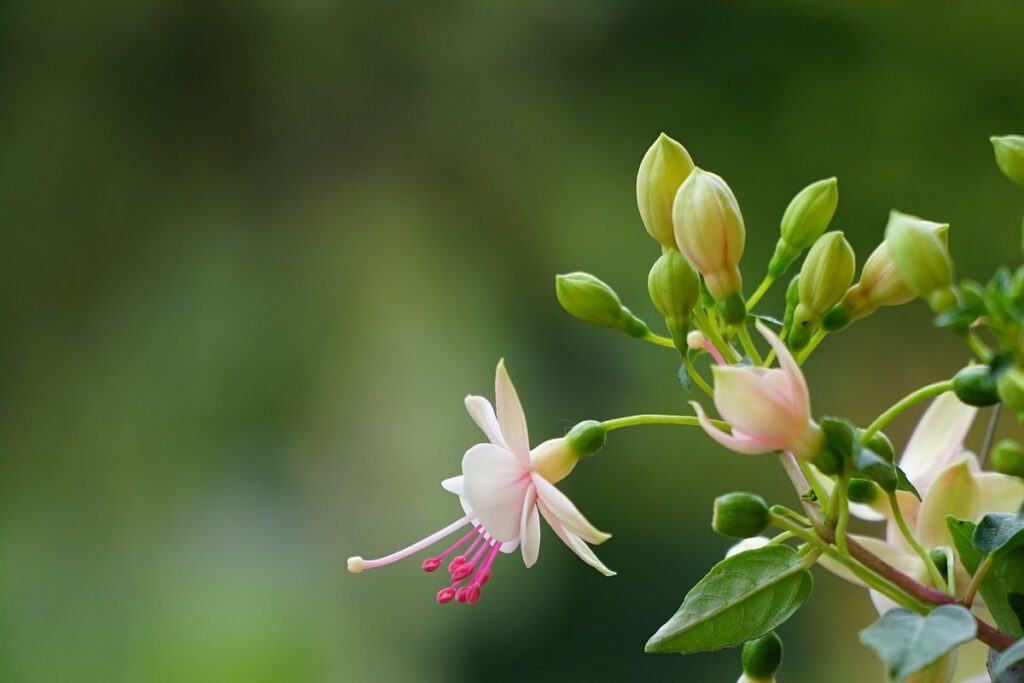
Choosing the Right Flowers
When it comes to selecting flowers for your balcony, choosing varieties that thrive in container gardens and can withstand outdoor conditions is crucial. This means considering factors such as sunlight exposure and watering needs.
Selecting Balcony-Friendly Flower Types
When selecting flowers for your balcony garden, it’s essential to choose types that can thrive in the unique conditions. Most balconies receive full sun to partial shade, with temperatures ranging from hot summer days to chilly nights. To ensure your blooms stay healthy and vibrant, opt for varieties that can adapt to these fluctuations.
Consider the following popular balcony-friendly flowers:
* Petunias: These colorful blooms love full sun (6+ hours) and well-draining soil, making them perfect for balconies with west or south-facing exposure.
* Geraniums: With their ability to tolerate partial shade and cooler temperatures, geraniums are ideal for north- or east-facing balconies.
* Hibiscus: These tropical beauties require full sun (6+ hours) but can handle high temperatures and humidity levels common in urban areas.
When selecting flowers, remember to research their specific needs. Check the sunlight requirements, watering schedules, and temperature tolerances to ensure a harmonious balance with your balcony’s conditions. By choosing the right blooms for your space, you’ll be well on your way to creating a stunning, thriving garden that brings joy and serenity to your home.
Understanding Your Balcony’s Microclimate
When assessing your balcony’s microclimate, it’s essential to consider three key factors: wind direction, sun exposure, and potential frost pockets. Start by observing the way the wind blows around your building and note which areas are most sheltered from harsh gusts. This will help you determine where to place sensitive plants that might be damaged by strong winds.
Next, pay attention to how much direct sunlight your balcony receives throughout the day. Some flowers thrive in full sun, while others prefer partial shade or even full shade. If your balcony faces south, it’s likely to receive intense sunlight during peak hours, making it ideal for sun-loving plants like geraniums and petunias.
Finally, be aware of potential frost pockets – areas where cold air can become trapped, leading to frost formation even on mild mornings. This is often the case in courtyards or around buildings with narrow corridors. To mitigate this risk, choose flowers that are resistant to light frosts or consider using protective measures like row covers or heating mats.
When selecting plants for your balcony, take into account these microclimate considerations to ensure they’ll thrive and bloom beautifully all season long.
Preparing the Balcony for Flower Planting
Before you start planting, make sure your balcony is ready for flowers by clearing out any debris and giving it a good clean. This will help prevent pests and diseases from harming your blooms.
Preparing the Soil
When it comes to growing beautiful flowers on your balcony, the foundation of success lies in preparing the soil. A well-draining potting mix specifically designed for containers is essential to ensure healthy roots and prevent waterlogged conditions that can lead to root rot.
To prepare the soil, start by choosing a high-quality potting mix that’s formulated for container gardens. This type of mix will have better drainage properties than regular garden soil, which can become too dense and retain too much water in containers. Look for mixes containing perlite or vermiculite, as these help with aeration and prevent compaction.
Before filling your pots or planters, remove any excess potting mix from the container’s bottom to create space for proper drainage. This simple step will ensure that excess moisture can escape and prevent waterlogged soil conditions. Once you’ve prepared your containers, fill them with your chosen potting mix, leaving enough room at the top for watering without overflowing.
By taking these simple steps, you’ll be giving your flowers a solid foundation to thrive on your balcony, setting yourself up for a bountiful harvest of blooms all season long.
Choosing the Right Containers
When it comes to choosing the right containers for your balcony flower planting, you’ll want to consider options that are not only aesthetically pleasing but also functional. Self-watering planters, for instance, can be a great choice as they come equipped with built-in water reservoirs that allow plants to draw water as needed. This eliminates the need for frequent watering, making it perfect for busy individuals or those who tend to forget to water their plants.
Hanging baskets are another popular option for balcony flower planting. They provide excellent air circulation and can add a touch of whimsy to your outdoor space. However, they may require more maintenance as plants in hanging baskets can dry out quickly if not watered regularly.
When selecting containers, consider the size of your balcony, the type of flowers you’re planning to plant, and the amount of sunlight your balcony receives. You’ll also want to think about the material – ceramic, plastic, or metal – and ensure it’s durable enough to withstand outdoor conditions.
Planting and Caring for Your Balcony Flowers
To bring your balcony garden to life, you’ll need to know how to plant and care for your flowers properly. We’ll walk you through the essentials of getting started.
Tips for Watering and Fertilizing
When it comes to watering and fertilizing your balcony flowers, getting it just right can be a bit of an art. The key is to provide the right amount of moisture and nutrients at the right time, taking into account the specific needs of each plant, as well as the climate and season.
A good rule of thumb for watering is to check the soil daily during hot summer months, when plants are more likely to dry out quickly. During cooler spring or fall periods, you can water less frequently, perhaps every 2-3 days. For container-grown flowers, it’s also essential to ensure proper drainage to prevent waterlogged soil.
Fertilization-wise, consider using a balanced, water-soluble fertilizer for your balcony blooms. Follow the instructions on the label carefully and apply it once a week during the growing season (spring-fall). You can also supplement with compost tea or worm casting for added nutrients. Remember that over-fertilizing is worse than under-fertilizing – so start with small amounts and adjust as needed.
By striking this balance, you’ll be rewarded with vibrant blooms all season long!
Mulching and Pruning
When it comes to creating a thriving balcony garden, mulching and pruning are two essential practices that can make all the difference. Mulch is more than just a decorative layer – it plays a crucial role in retaining moisture, suppressing weeds, and regulating soil temperature. By spreading a 2-3 inch thick layer of organic mulch around your plants, you’ll prevent water loss due to evaporation and keep the soil consistently moist.
Pruning, on the other hand, is vital for promoting healthy growth and preventing overgrowth. Regular pruning encourages bushy, full blooms while maintaining shape and size. Cut back dead or diseased stems, and remove any weak or spindly growth. To avoid damaging delicate flowers, prune in the morning when the plant is at its highest water content.
For balcony gardens with limited space, consider using a pair of loppers for thicker stems and a small pruning shear for more precise cuts. By adopting these simple habits, you’ll keep your plants happy, healthy, and bursting with color all season long.
Overcoming Common Balcony Flower Challenges
We’ve all been there – struggling with balcony flowers that just won’t thrive. Let’s tackle some of the most common challenges and find solutions to make your blooms flourish.
Dealing with Pests and Diseases
Growing flowers on your balcony can be a wonderful experience, but it’s not without its challenges. One of the most frustrating issues you may encounter is dealing with pests and diseases that can quickly spread and damage your beautiful blooms.
Common pests like aphids, whiteflies, and spider mites can suck the sap from your plant leaves, causing them to become distorted or discolored. To prevent these pests from taking over, make sure to inspect your plants regularly for any signs of infestation. Look for sticky substance on leaves, tiny eggs on stems, or actual insects on the undersides of leaves.
Prevention is key: use neem oil or insecticidal soap to repel pests and keep them under control. For more severe infestations, consider using diatomaceous earth or introducing beneficial insects like ladybugs or lacewings that prey on these unwanted critters.
Diseases like powdery mildew, leaf spot, and root rot can also wreak havoc on your balcony flowers. To prevent disease, ensure good air circulation around plants and avoid overwatering, which can lead to root rot. Regularly inspect leaves for signs of fungal growth or black spots. If you do encounter a diseased plant, treat it immediately with fungicides like copper-based products.
It’s also essential to practice proper sanitation: remove any infected leaves or stems from the rest of the plant and dispose of them properly. By staying vigilant and taking preventive measures, you can keep your balcony flowers healthy and thriving all season long.
Managing Extreme Weather Conditions
Growing flowers on your balcony can be a delightful experience, but it’s not without its challenges. One of the most significant hurdles you may face is managing extreme weather conditions that can damage or destroy your beautiful blooms. Strong winds can knock over pots and uproot plants, intense sunlight can scorch delicate petals, and frost can freeze tender shoots.
To protect your balcony flowers from these threats, consider using weights to secure heavy planters or installing a trellis system to support tall stems. For intense sunlight, provide shade with a sheer curtain or umbrella, and for frost, bring potted plants indoors or use a frost blanket to insulate the soil. Additionally, choose varieties that are tolerant of extreme conditions or use mulch to retain moisture and regulate temperature fluctuations.
Some examples of wind-tolerant flowers include succulents, sedum, and ornamental grasses, while sun-lovers like impatiens and begonias can thrive in partial shade. By taking these precautions and selecting the right plants for your balcony’s climate, you can enjoy a vibrant display of blooms all year round.
Maximizing Space on Your Balcony
When working with a small balcony, every inch counts. Let’s explore some clever ideas for utilizing your space to grow more flowers without sacrificing style or functionality.
Vertical Gardening Options
When it comes to maximizing space on your balcony, vertical gardening options are a game-changer. Not only do they make the most of your limited space, but they also add a touch of elegance and beauty to your outdoor area.
One popular choice for balconies is trellises. These can be attached to the railing or placed against a wall, providing a structure for climbing flowers like clematis, honeysuckle, or morning glories to grow up. Not only do trellises save space, but they also add visual interest with their intricate designs and textures.
Wall-mounted planters are another great option for balconies. These can be hung from the railing or attached to a wall, providing a place for flowers like geraniums, petunias, or begonias to bloom. They come in a variety of materials, including wood, metal, and plastic, so you can choose one that fits your style.
Living walls are also a fantastic option for balconies. These involve attaching plants directly to a wall using a trellis system or a soilless growing medium. Not only do they save space, but they also provide a unique and stunning display of greenery.
These vertical gardening options not only make the most of your balcony’s space but also add a touch of personality and style to your outdoor area. By choosing one that suits your needs and preferences, you can enjoy a lush and vibrant display of flowers even in the smallest of spaces.
Compact Flower Varieties
When choosing compact flower varieties for your balcony garden, look for those specifically bred for container growing. These plants have been selected to thrive in smaller spaces with good air circulation and suitable soil conditions.
Some popular examples of compact flower varieties include Petunia ‘Purple Wave’, a trailing petunia that grows up to 6 inches tall and produces a profusion of purple flowers; Verbena ‘Bloom-A-Thon Pink’, a low-maintenance verbena that reaches about 12 inches in height and boasts vibrant pink blooms all season long. You can also consider compact geraniums like ‘Renegade’ or ‘Topsy Turvy’, which grow around 18-24 inches tall and come in a variety of colors.
When growing compact flowers, make sure to choose a container with good drainage and use a well-draining potting mix. Water regularly but avoid overwatering, as this can lead to root rot. Most compact varieties require at least 4-6 hours of direct sunlight per day, so ensure your balcony receives sufficient light for optimal growth.
Regular deadheading will encourage these compact flower varieties to continue blooming throughout the growing season, making them ideal choices for small balcony gardens.
Conclusion
Now that you’ve learned how to choose, plant, and care for your balcony flowers, let’s summarize the key takeaways from our blooming beauty guide.
Recap of Key Takeaways
As you’ve reached the end of this comprehensive guide to growing flowers on your balcony, let’s take a moment to recap the key takeaways. Careful planning and consideration are crucial when it comes to cultivating vibrant blooms in a confined space.
To start with, choosing the right type of plants is vital for success. We discussed how to select varieties that thrive in containers and can tolerate wind, sun, and temperature fluctuations common on balconies. Remember to opt for plants with similar growing requirements to simplify maintenance. For example, if you’re growing a mix of flowering plants, ensure they all require the same amount of water and sunlight.
Next, we emphasized the importance of providing adequate light and nutrients for your plants. Make sure your balcony receives sufficient direct sunlight or consider using grow lights if it’s shaded. Fertilize regularly, but avoid over-fertilizing, which can damage your plants’ roots. Consider using self-watering planters to minimize watering frequency.
Another critical aspect is container size and drainage. Select containers with adequate depth for the roots of your chosen plants. Don’t forget to drill drainage holes in the bottom of each planter to prevent waterlogged soil. This will help prevent root rot and ensure healthy growth.
Finally, maintain a consistent routine for pruning, deadheading, and repotting. Regular pruning encourages bushy growth, while deadheading promotes continuous blooming. Repot your plants every 1-2 years to refresh the soil and provide more room for growth.
By following these guidelines and being mindful of your balcony’s specific conditions, you’ll be well on your way to enjoying a vibrant, thriving garden in the midst of your urban landscape.
Frequently Asked Questions
How do I know if my balcony has too much sunlight for flowers?
Yes, excessive direct sunlight can scorch delicate blooms. Check the specific sun exposure of your balcony during peak hours (usually between 11 am and 3 pm) by using a sunlight meter or simply observing how plants react under different conditions. If you notice wilting or discoloration, it’s best to provide shade using umbrellas or trellises.
Can I use regular potting soil for my balcony flowers?
No, standard potting mixes may not be suitable for outdoor balcony gardens due to their high water-holding capacity and lack of beneficial microorganisms. Opt for a well-draining container mix specifically designed for containers and outdoor use to prevent waterlogged roots and promote healthy root growth.
What if I don’t have a lot of space on my balcony? Are there any compact flower options?
Compact varieties are perfect for small balconies! Consider flowering plants like Petunias, Marigolds, or Herbs that can thrive in tight spaces. These flowers come in various sizes and growth habits, so be sure to check the specific dimensions and growing requirements for each plant.
How often should I water my balcony flowers during extreme weather conditions?
Water your balcony flowers according to their individual needs, taking into account temperature fluctuations and humidity levels. For example, if it’s extremely hot (above 90°F), reduce watering to once a week; if it’s cool and rainy, you may need to water more frequently (every other day). Be cautious not to overwater, as this can lead to root rot.
Can I repurpose items from around my home for balcony garden planters?
Yes! Get creative with repurposed containers like old boots, colanders, or wooden crates. Just ensure they have proper drainage holes and are clean before planting. Add a decorative touch while reducing waste – your flowers will love the unique homes you provide!