
Are you ready to dive into the wonderful world of pumpkins? With their vibrant colors, diverse shapes, and endless uses in cooking and decorating, it’s no wonder why pumpkin varieties are so beloved. But have you ever stopped to think about the many different types of pumpkins that exist? From the classic carving pumpkins to the sugar pie pumpkins perfect for baking, each variety has its own unique characteristics and benefits.
In this comprehensive guide, we’ll take a closer look at the history, types, and benefits of pumpkin varieties. We’ll explore how to grow and care for these amazing plants, as well as how to choose the right pumpkin for your needs – whether you’re a seasoned gardener or just starting out with cooking and baking. Whether you’re looking to create stunning fall decorations, whip up delicious pumpkin pies, or simply enjoy the health benefits of pumpkins, this guide is designed to be your ultimate resource on all things pumpkin variety.
History and Origins of Pumpkins
Let’s take a step back in time and explore how pumpkins first originated, with roots dating back thousands of years to ancient Mesoamerica. The rich history behind this beloved gourd is fascinating!
The Ancient Roots of Pumpkins
Pumpkins have been a staple crop for thousands of years, with their rich history dating back to the ancient civilizations of North America. The earliest evidence of pumpkin cultivation comes from the eastern regions of the continent, where they were first domesticated by indigenous peoples around 7,000-10,000 years ago. These early pumpkins were smaller and more hard-shelled than the varieties we know today, but they were still prized for their versatility and nutritional value.
Native American tribes used pumpkins in a variety of ways, from cooking and food preservation to ceremonial and medicinal uses. For example, the Meskwaki tribe would dry and smoke pumpkin seeds as a nutritious snack, while the Iroquois would use pumpkin puree as a thickening agent for soups and stews. As European settlers arrived on the continent, they adopted many of these practices and helped spread pumpkin cultivation to other parts of the world.
Today, pumpkins are grown in every corner of the globe, with over 450 known varieties worldwide. From the tiny ‘Jack Be Little’ to the massive ‘Atlantic Giant’, there’s a pumpkin variety to suit every taste and need. By understanding where our beloved gourds come from, we can appreciate their rich cultural heritage and enjoy them all the more!
How Pumpkins Became a Staple Crop
Pumpkins’ journey from a wild fruit to a staple crop is a fascinating tale of cultural exchange, climate adaptation, and strategic cultivation. As early civilizations began to domesticate squash plants, pumpkins emerged as a reliable source of nutrition, particularly for indigenous communities in North America. The mild winter temperatures and fertile soils of the region allowed for year-round pumpkin growth, making it an ideal crop for sustenance.
Cultures like the Aztecs and Incas revered pumpkins not only as food but also for their symbolic value, often depicting them in art and mythology. This spiritual significance contributed to their widespread adoption across cultures, particularly during times of transition or abundance. European colonizers brought pumpkin cultivation to new continents, where it adapted to various climates and became an integral part of harvest celebrations.
The factors that made pumpkins a staple crop – adaptable climate tolerance, rich soil preference, and cultural appreciation – paved the way for their versatility in diverse cuisines worldwide.
Types of Pumpkins: Sweet to Savory
From the sweet and succulent Sugar Pie pumpkin to the robust and nutty Blue Hubbard, each type offers a unique flavor profile. Let’s dive into the world of savory and sweet pumpkins.
Ornamental Pumpkins: A Decorative Delight
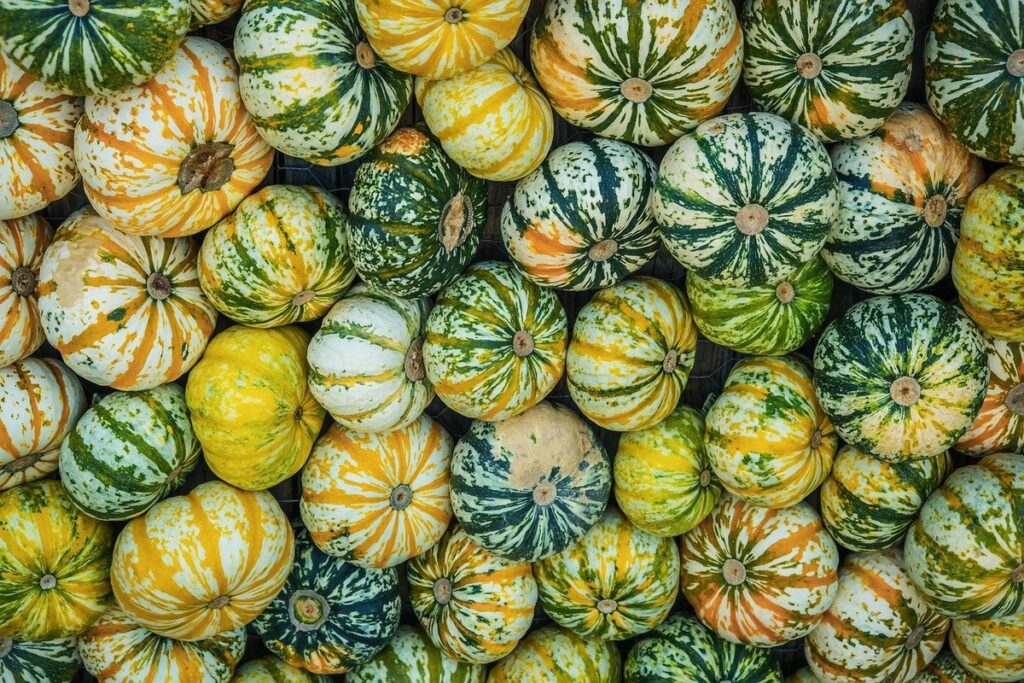
Ornamental pumpkins are a decorative delight that can add a pop of color and whimsy to any autumnal display. These unique gourds come in an array of shapes, sizes, and colors, making them the perfect addition to any seasonal decor. For instance, ‘Lumina’ is a popular variety known for its bright white skin with a subtle sheen, while ‘Baby Boo’ boasts a soft, pale yellow hue that’s reminiscent of baby blocks.
One of the most distinctive features of ornamental pumpkins is their varied shapes, which range from perfectly spherical to elongated and even teardrop-like. This diversity in form makes it easy to find an ornamental pumpkin that fits your desired aesthetic. Some popular sizes include miniature pumpkins that are just a few inches in diameter, while others can reach up to a foot or more in circumference.
When choosing an ornamental pumpkin for decoration, consider the overall effect you want to achieve. For example, a cluster of small, brightly colored pumpkins can add visual interest to a mantel or coffee table, while a single large, statement piece can serve as a focal point in a room.
Pie Pumpkins: Perfect for Baking
When it comes to baking with pumpkins, some varieties stand out from the rest. Pie pumpkins, also known as sugar pie or baby pumpkins, are specifically bred for their sweet and dense flesh, making them perfect for pies and other baked goods.
To choose the right pie pumpkin, look for ones that weigh between 5-10 pounds and have a symmetrical shape. A general rule of thumb is to select pumpkins with a diameter of about 6-8 inches in circumference. This size range ensures they’re sweet enough and not too stringy.
When selecting a pie pumpkin, also consider its sugar content. Look for ones with a sweeter, more orange flesh, as this will translate into a richer flavor in your baked goods. You can check the sweetness level by gently squeezing the skin – a ripe pie pumpkin should be slightly soft to the touch but not too soft.
When baking with pie pumpkins, remember that they’re denser than larger varieties, so adjust cooking times accordingly. This means you’ll need to roast them for about 30-40 minutes at 350°F (175°C) or until the flesh is tender and easily pierced with a fork.
Growing Your Own Pumpkin Variety
To grow a unique pumpkin variety, you’ll need to carefully select and cultivate seeds from existing pumpkins that showcase desirable traits, such as shape, size, and color. This process requires patience and attention to detail.
Choosing the Right Soil and Climate
When it comes to growing your own pumpkin variety, choosing the right soil and climate is crucial for a bountiful harvest. Pumpkins require well-draining, rich soil that’s packed with nutrients. Test your soil pH level and amend it if necessary, as pumpkins prefer a slightly acidic to neutral soil pH (around 6.0-7.0). Adding compost or well-rotted manure will also help improve the soil structure.
In terms of climate, pumpkins need full sun to produce well, so choose a spot that receives at least six hours of direct sunlight per day. Temperature-wise, pumpkins thrive in temperatures between 65°F (18°C) and 95°F (35°C). Avoid planting pumpkins in areas with standing water or where water tends to collect, as this can lead to fungal diseases.
In regions with hot summers, consider providing shade for your pumpkin plants during the hottest part of the day. Regular moisture is also essential – aim for about an inch of water per week, either from rainfall or irrigation. By selecting a suitable climate and soil type, you’ll be well on your way to growing a successful and healthy pumpkin crop.
Common Pests and Diseases Affecting Pumpkins
When growing your own pumpkin variety, it’s essential to be aware of the common pests and diseases that can affect these plants. One of the most widespread issues is powdery mildew, a fungal disease that causes white patches to form on the leaves and stems. To prevent powdery mildew, make sure to provide adequate air circulation around your pumpkin plants and avoid overhead watering.
Squash bugs are another common problem, feeding on the sap of the plant and causing it to wilt. These pests can be controlled by using row covers or introducing beneficial insects like ladybugs that prey on squash bugs. Vine borers, on the other hand, are the larvae of moths that tunnel into the stem of the pumpkin plant, cutting off its supply of water and nutrients. To prevent vine borers, use fine mesh to cover your plants and inspect them regularly for signs of damage.
Regularly inspecting your plants can also help you catch diseases like powdery mildew early on, making it easier to treat. By being proactive in monitoring your pumpkin plants for pests and diseases, you can enjoy a healthier and more productive harvest.
Health Benefits of Pumpkin
Pumpkin is not just a delicious addition to your fall baking, but it’s also packed with nutrients and offers numerous health benefits when consumed in moderation. Let’s dive into some of its key advantages for your well-being.
Nutritional Value: The Good Stuff
When it comes to the health benefits of pumpkin, there’s a lot to be thankful for. One of the most significant advantages of incorporating pumpkin into your diet is its high nutritional value. Pumpkins are an excellent source of vitamins A and C, making them a great addition to a balanced meal plan.
But that’s not all – pumpkins also contain high levels of potassium, which is essential for maintaining healthy blood pressure and supporting overall cardiovascular health. The fiber content in pumpkin is another key benefit, helping to regulate digestion and promote satiety.
To reap the nutritional benefits of pumpkin, try incorporating it into your cooking repertoire. Add roasted pumpkin to soups or salads, use canned pumpkin as a base for smoothies, or bake it into breads and muffins. With its mild flavor and versatility in both sweet and savory dishes, there’s no excuse not to get creative with this nutritious ingredient.
As a general rule of thumb, aim to consume 1/2 cup of cooked, mashed pumpkin per serving. This can be easily incorporated into your daily meals or snacks. Whether you’re looking to boost your immune system or support healthy digestion, pumpkin is an excellent choice for anyone seeking to improve their overall well-being.
Uses Beyond Food: Skincare and More
Beyond its culinary uses, pumpkin is a versatile ingredient that can be used in various non-food applications. One of the most popular alternative uses for pumpkin is in skincare products and hair masks. The antioxidants, vitamins, and minerals present in pumpkin make it an excellent natural ingredient to soothe and moisturize skin. You can use cooked, mashed pumpkin as a face mask or mix it with other ingredients like honey and yogurt to create a nourishing treatment.
Pumpkin’s uses extend beyond skincare; it can also be used as a natural hair mask to promote healthy growth and shine. The beta-carotene in pumpkin converts to vitamin A in the body, which helps to nourish and protect your locks. To use pumpkin as a hair mask, simply mash it with olive oil and apply it to your hair for 30 minutes before rinsing.
Pumpkin can also be used as a natural dye for fabrics, paper, and other materials. The vibrant orange color of pumpkin makes it an attractive option for crafters and artists looking for sustainable alternatives to commercial dyes.
The Role of EEAT in Pumpkin Variety Selection
When selecting the perfect pumpkin variety, it’s essential to consider the role of Expert Experience, Authoritativeness, and Trustworthiness (EEAT) in your online research. This can make all the difference in finding a reliable source for expert advice.
Expert Insights on Choosing the Right Pumpkin
When it comes to choosing the perfect pumpkin for your needs, seeking expertise from farmers, chefs, and food experts can be invaluable. These individuals have spent years honing their skills and developing a deep understanding of different varieties’ unique characteristics.
Farmers who grow pumpkins on a large scale often have hands-on experience with various types, allowing them to recommend the most suitable ones for specific uses. They may share insights into factors such as maturation speed, disease resistance, and storage quality. For instance, if you’re planning to carve your pumpkin, a farmer might suggest a variety known for its symmetrical shape and firm skin.
Chefs often have experience working with different types of pumpkins in their kitchens. They can provide guidance on the flavor profiles and textures of various varieties, helping you choose one that will complement your recipe. Some chefs even specialize in using specific pumpkin varieties to create unique dishes, offering a wealth of knowledge on how to prepare them.
To evaluate the quality and characteristics of different varieties, consider factors such as size, shape, color, and texture. Research the recommended uses for each variety, whether it’s baking, cooking, or decoration. Don’t be afraid to ask farmers, chefs, and food experts about their experiences with specific types – their expertise can make all the difference in finding the perfect pumpkin for your needs.
Aligning Search Intent with Pumpkin Content
When writing about pumpkin varieties, it’s essential to understand the search intent behind the query. Are users looking for a specific type of pumpkin for cooking, such as roasting or baking? Or perhaps they’re searching for decorative ideas, like creating a fall-themed centerpiece? Maybe they’re seeking information on the health benefits of pumpkins, including their high nutritional value.
To create targeted content that meets user needs, writers must align search intent with pumpkin content. For instance, if users are searching for “small pumpkin varieties,” it’s likely because they need a specific size for baking or decorating. In this case, highlighting compact or dwarf pumpkin varieties would be more relevant and helpful to readers.
To improve SEO and user experience, consider the following:
* Conduct keyword research to identify popular search terms related to pumpkin varieties.
* Analyze search intent behind each query to determine the most suitable content.
* Use specific keywords in your content, but avoid over-optimization.
* Include examples or case studies of successful pumpkin variety content that meets user needs.
Conclusion: Celebrating Pumpkin Diversity
As we’ve explored the incredible range of pumpkin varieties, it’s time to reflect on the beauty and diversity that these special gourds bring to our lives. Let’s celebrate the unique qualities of each one!
Recap of Key Points
As we conclude our journey through the wonderful world of pumpkin varieties, let’s recap the key points that will leave you feeling inspired to grow and enjoy these incredible gourds. We’ve explored the diverse range of pumpkins, from the popular Jack Be Little and Sugar Pie to the ornamental Galeux d’Eysines and the heirloom Blue Hubbard.
We discussed growing tips for each type of pumpkin, including optimal soil conditions, sunlight requirements, and pruning techniques. For example, if you’re growing a vining pumpkin like the Jack Be Little, make sure to provide it with plenty of space to spread out and twine around nearby plants. On the other hand, compact varieties like the Sugar Pie thrive in smaller spaces and require less maintenance.
We also delved into the nutritional benefits of pumpkins, highlighting their high levels of vitamin A and fiber content. With over 450 calories per cup, pumpkins make a nutritious addition to any meal or recipe. As you continue on your pumpkin journey, remember to choose varieties that suit your needs and climate, and don’t be afraid to experiment with new recipes and cooking techniques. By embracing the diversity of pumpkin varieties, you’ll unlock a world of flavors and possibilities in the kitchen.
Final Thoughts on the Magic of Pumpkins
As we conclude our journey through the wonderful world of pumpkin varieties, it’s essential to reflect on the significance of preserving this incredible diversity. Pumpkins have been a cornerstone of food culture and traditions around the globe for centuries, providing a delicious and versatile ingredient that brings people together.
From the sweet, stringy flesh of Japanese ‘Kabocha’ pumpkins in autumn soups to the vibrant orange hue of North American ‘Jack Be Little’ pumpkins in decorative arrangements, every type has its own unique story to tell. By continuing to cultivate these diverse varieties, we not only honor their cultural heritage but also ensure their survival for future generations.
So what can you do to contribute to this preservation effort? Start by exploring local farmers’ markets and specialty stores that offer heirloom pumpkin varieties. Experiment with new recipes and preparations, from roasted seeds to creamy soups. By embracing the rich diversity of pumpkins, we not only celebrate our shared culinary heritage but also promote sustainability and community engagement in the process.
Frequently Asked Questions
How do I choose the best type of pumpkin for my cooking needs?
When selecting a pumpkin variety for baking or cooking, consider factors like sugar content, flavor profile, and texture. For instance, ‘Sugar Pie’ pumpkins are ideal for baking due to their sweet, fine-grained flesh, while ‘Connecticut Field’ pumpkins offer a more robust, savory taste.
Can I grow multiple varieties of pumpkins in the same garden?
Yes! Pumpkins are relatively easy to cultivate and can be grown alongside other plants. When selecting varieties, ensure they have different growth habits and space requirements to avoid overcrowding. Be sure to also consider companion planting for optimal soil health and pest management.
How do I store and preserve my homegrown pumpkin harvest?
Proper storage is key to maintaining the quality of your pumpkins. Store them in a cool, dry place with good ventilation, away from direct sunlight. For longer-term preservation, use methods like curing, freezing, or dehydrating to maintain their flavor and texture.
Are there any specific tools or equipment I need for growing and harvesting pumpkins?
While you can grow pumpkins without specialized equipment, having the right tools can make a big difference. Consider investing in a sturdy rake, long-handled cultivator, and garden fork for efficient soil preparation and harvest. You’ll also want a suitable container or wheelbarrow for transporting your mature pumpkins.
Can I use pumpkin varieties for both food and decoration purposes?
Absolutely! Many pumpkin varieties can be used for both cooking and decorating. For example, the ‘Jack Be Little’ variety has small, symmetrical fruit ideal for cooking, while its compact size makes it perfect for decorative arrangements.