
Small forest flowers may not be as showy as their garden counterparts, but they possess an undeniable charm that’s waiting to be discovered. These tiny blooms thrive in the shaded depths of our forests, where few humans venture. As a result, they’ve remained somewhat mysterious and underappreciated – until now.
In this article, we’ll delve into the world of small forest flowers, exploring their unique characteristics, cultivation tips, and cultural significance. You’ll learn how to identify these delicate blooms and care for them in your own garden or indoor space. Whether you’re a seasoned botanist or just starting out on your gardening journey, our guide will provide valuable insights into the fascinating realm of small forest flowers.
From their intricate details to their surprising uses, we’ll uncover everything you need to know about these tiny treasures. So join us as we venture into the enchanting world of small forest flowers and discover why they’re worth getting to know.
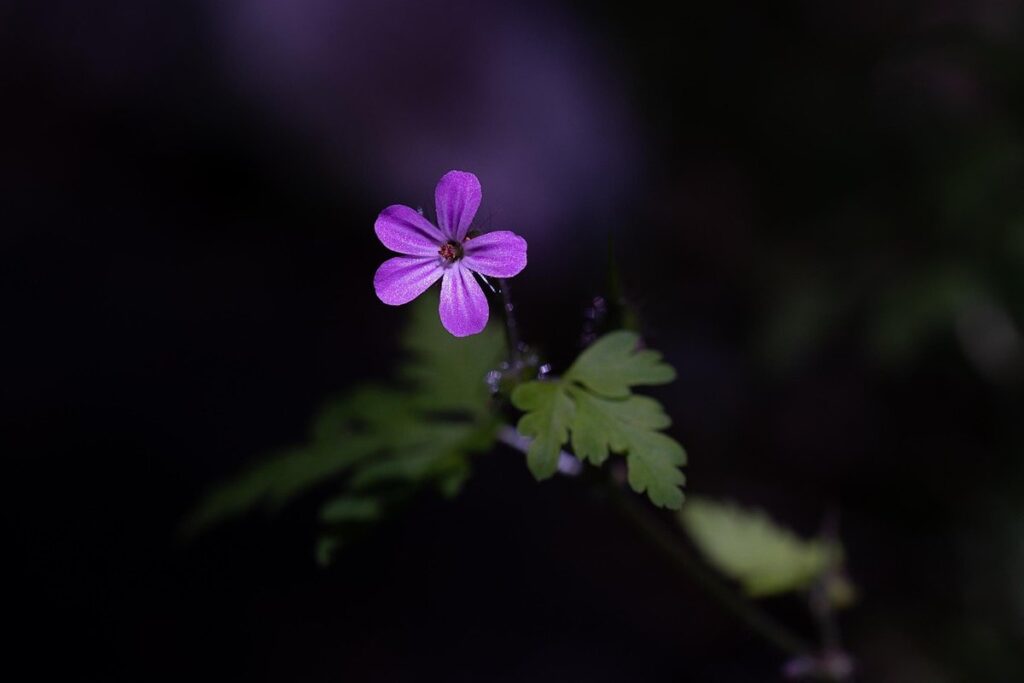
Types of Small Forest Flowers
As we delve into the world of small forest flowers, you’ll find that there are numerous species to discover, each with its own unique charm and characteristics. Let’s take a closer look at some of the most beautiful and fragrant types.
Wildflowers vs. Garden Flowers
When it comes to small forest flowers, many of us are familiar with the term “wildflowers.” But have you ever stopped to consider what exactly distinguishes wildflowers from garden flowers? While both types of flowers can be equally beautiful and fragrant, there are some key differences between them.
Wildflowers, by definition, grow naturally in their environment without any human intervention. They’re often found in meadows, forests, and other areas where the soil and climate conditions are suitable for their growth. Wildflowers like trillium, violets, and wild geraniums thrive in these settings, producing vibrant colors and sweet scents that attract pollinators.
On the other hand, garden flowers are cultivated by humans to be grown in a controlled environment. They’re often bred for specific traits like larger blooms or more intense fragrances. While some garden flowers can still be found in small forest areas, they’ve been intentionally planted there to add beauty and color to the landscape.
One key thing to keep in mind is that wildflowers tend to have more delicate growth habits than their garden counterparts. They’re often adapted to grow in a specific range of light conditions and soil types, which can make them more finicky to care for.
Annuals vs. Perennials
When it comes to small forest flowers, you’ll often come across two types: annuals and perennials. While they share some similarities, they have distinct growth habits, advantages, and disadvantages that are essential to consider when planning a garden or simply appreciating these beautiful blooms.
Annuals are plants that complete their life cycle within a year. They germinate, grow, produce flowers and seeds, and then die all in the span of 12 months. Examples include marigolds, zinnias, and petunias. Annuals offer several benefits: they’re easy to establish, require minimal maintenance, and provide an instant pop of color. However, their lifespan is short-lived, which means you’ll need to replant them every year.
Perennials, on the other hand, live for multiple years. They go dormant during winter months but regrow in spring. These include flowers like daylilies, coneflowers, and hostas. Perennials are a more long-term investment as they require less maintenance over time and often come back stronger with each passing season. However, their initial planting costs can be higher due to the cost of purchasing multiple plants.
Ultimately, whether you choose annuals or perennials depends on your gardening goals and preferences. If you want a low-maintenance option for a quick splash of color, annuals might be the way to go. But if you’re willing to invest time and money upfront, perennials can provide lasting beauty and fragrance in your small forest garden.
Endemic Species
In the vast expanse of our planet’s forests, there exist rare and extraordinary flowers that have adapted to thrive in specific regions. These endemic species are not only breathtakingly beautiful but also play a vital role in maintaining biodiversity. Take, for instance, the exquisite Slipper Orchid found only in the cloud forests of Central America. This remarkable bloom has evolved to extract nutrients from its native soil, making it an essential component of its ecosystem.
Unfortunately, many of these endemic species face threats from habitat destruction, climate change, and human exploitation. The critically endangered Kadupul Flower, found only in Sri Lanka, blooms for a mere 24 hours each night before wilting with the dawn. Its brief yet stunning appearance has captured the hearts of locals and tourists alike, but its fragility demands urgent conservation efforts.
We can contribute to preserving these remarkable flowers by supporting local conservation initiatives and spreading awareness about their plight. By doing so, we can ensure that future generations will continue to marvel at the beauty and diversity of our planet’s endemic small forest flower species.
Characteristics of Small Forest Flowers
When it comes to these delicate blooms, some standout characteristics make them all the more captivating and worth getting to know. Let’s take a closer look at what sets small forest flowers apart.
Adaptations for Survival
To survive in shaded environments, small forest flowers have evolved remarkable adaptations that enable them to thrive in conditions where sunlight is scarce. One of the key strategies employed by these delicate blooms is the development of deep roots. By extending their root systems downward, small forest flowers can access water and nutrients deeper in the soil, reducing their reliance on surface moisture.
Another adaptation found among small forest flowers is the presence of waxy leaves or stems. This waxy coating serves as a barrier against excessive moisture loss, allowing the plant to conserve water in humid environments where evaporation rates are high. For example, the Venus flytrap (Dionaea muscipula) has highly modified leaves with waxy surfaces that help prevent water loss.
In addition to these adaptations, small forest flowers have also developed unique growth habits and leaf arrangements that maximize their exposure to what little light is available. By growing close together or using low-growing forms, these plants can create a dense mat of foliage that traps light and increases photosynthetic efficiency.
Fragrance and Attractants
When it comes to attracting pollinators and other beneficial insects, small forest flowers have evolved some remarkable strategies. One of the most effective ways they entice these visitors is through fragrance and attractants.
You might be surprised to know that many species of small forest flowers release their scent at dawn or dusk when temperatures are cooler and there’s less competition from other plants. This timing allows them to attract pollinators like bees, butterflies, and moths more efficiently. For example, the evening primrose (Oenothera speciosa) releases its sweet fragrance in the late afternoon, just as the sun begins to set.
These fragrances can be incredibly potent, with some species emitting scents that are thousands of times stronger than the smell of a freshly cut grass! Some small forest flowers use their attractants in combination with visual cues like color and shape. The lady’s slipper orchid (Cypripedium parviflorum), for instance, has modified petals that resemble a tiny, intricate shoe – a perfect landing spot for pollinators seeking nectar.
To encourage these beneficial insects to visit your garden, try planting small forest flowers that are native to your region. By mimicking the natural environment and scents of these plants, you’ll create an irresistible invitation for pollinators to come and explore!
Camouflage and Defense Mechanisms
In addition to their vibrant colors and intoxicating scents, small forest flowers have evolved some incredible defense mechanisms to protect themselves from herbivores and other threats. One of the most fascinating ways they camouflage themselves is through mimicry. For instance, the Spotted Wintergreen flower has adapted to resemble a dead leaf, making it nearly invisible among the underbrush.
Another clever tactic employed by small forest flowers is the production of chemicals that repel or deter herbivores. The Sensitive Plant, for example, releases a foul-tasting substance when its leaves are touched, warning potential grazers to stay away. Some species even have modified their growth habits to evade detection – like the aptly named “False Foxglove”, which produces a pair of “decoy” flowers that attract pollinators but not herbivores.
By incorporating these clever defense strategies into your garden or forest walks, you can gain a deeper appreciation for the intricate lives of small forest flowers. By observing and learning from their adaptations, we can develop more effective methods to protect and preserve these delicate species in our natural environments.
Popular Small Forest Flowers for Gardens
If you’re looking to add a touch of whimsy and charm to your garden, look no further than these enchanting small forest flowers that thrive in shaded conditions. Let’s explore some of our favorites!
Recommended Species
When it comes to adding small forest flowers to your garden, there are several species that are perfect for beginners and require minimal maintenance. One of the easiest to cultivate is the Trillium (Trillium grandiflorum), a perennial with three-leafed stems and delicate white flowers. It thrives in well-drained soil and partial shade, making it ideal for woodland gardens.
Another popular choice is the Foamflower (Tiarella cordifolia), which produces delicate pink or white blooms in late spring. This low-maintenance flower requires minimal care and can tolerate a range of soils. The Wild Ginger (Asarum canadense) is also a great option, with its heart-shaped leaves and reddish-brown flowers that bloom in early spring.
When choosing small forest flowers for your garden, consider the specific growing conditions required by each species. Most small forest flowers prefer well-drained soil and partial shade to full sun, depending on the type. With proper care and attention, these beautiful flowers can thrive and bring a touch of wild beauty to your garden.
Care and Maintenance Tips
To ensure that your small forest flowers thrive in your garden, it’s essential to provide them with proper care and maintenance. When it comes to pruning, remember that these delicate flowers require regular trimming to maintain their shape and promote healthy growth. Prune your small forest flowers after they’ve finished blooming, as this will encourage new blooms and prevent the plant from becoming leggy.
Watering is also crucial for small forest flowers. Make sure to provide them with consistent moisture, especially during their first year of growth. Water them thoroughly once or twice a week, depending on weather conditions. However, be careful not to overwater, as this can lead to root rot and other problems.
Fertilizing your small forest flowers is another vital aspect of care. Feed them with a balanced fertilizer in the spring and summer months when they’re actively growing. You can also use compost tea or organic fertilizers for a more natural approach.
Incorporating Small Forest Flowers into Garden Design
Incorporating small forest flowers into garden design can be a delicate yet beautiful process. When done thoughtfully, these blooms can add an extra layer of depth and interest to your outdoor space. To create a harmonious landscape, consider the following tips: balance bold species with more subtle ones, use their varying growth habits to create visual texture, and pair them with other plants that complement their colors and forms.
For example, the delicate white flowers of Trillium grandiflorum look stunning when paired with the deep blue forget-me-not (Myosotis spp.). Similarly, the tall spikes of fritillaria can be balanced by shorter-growing species like creeping bellflower (Campanula poscharskyana). When planning your garden design, consider the mature size of each plant and leave enough space for them to breathe and flourish.
Ultimately, the key is to strike a balance between showcasing individual flowers and creating a cohesive landscape that invites exploration.
Cultural Significance of Small Forest Flowers
As we delve into the fascinating world of small forest flowers, let’s explore how these delicate blooms have become an integral part of various cultures around the globe. From traditional medicine to symbolic meanings.
Symbolism and Meaning
The symbolism and meaning associated with small forest flowers are as varied and complex as they are beautiful. In many cultures, these delicate blooms have been imbued with deep significance, reflecting the human experience of nature’s cycles and our place within them.
For instance, the modest violet has long been a symbol of humility and modesty in art and literature, its quiet beauty a reminder that true worth is not measured by grandeur. In contrast, the bold and showy orchid is often associated with luxury, refinement, and even seduction, reflecting its exotic origins and delicate allure.
Folklore also plays a significant role in assigning meaning to small forest flowers. In some cultures, they’re believed to possess healing properties or ward off evil spirits. For example, the rare and elusive Jack-in-the-Pulpit is said to have protective qualities, while the Bluebell is often linked to fertility and abundance.
When working with these symbols, consider their personal significance and how you can integrate them into your life. You might use small forest flowers in art or writing as a metaphor for resilience, growth, or renewal. By embracing their symbolic meanings, we can deepen our connection to nature and its many wonders.
Traditional Uses and Medicinal Properties
In many cultures around the world, small forest flowers have been used for centuries to promote physical and emotional well-being. For instance, the delicate petals of the Trillium flower are said to possess anti-inflammatory properties, making it a popular remedy for soothing skin irritations and wounds. In traditional Chinese medicine, the dried roots and rhizomes of the Trillium species are used to treat a range of ailments, from fever and rheumatism to digestive issues.
Similarly, the beautiful Wood Sorrel flower has been used as a natural diuretic and treatment for urinary tract infections. The leaves and stems of this plant contain high levels of oxalic acid, which gives them their characteristic tart flavor and makes them a popular ingredient in salads. In traditional medicine, Wood Sorrel is often combined with other herbs to create teas and infusions that aid digestion and reduce bloating.
When using small forest flowers for medicinal purposes, it’s essential to note the correct identification of the species, as some may be toxic or cause allergic reactions. Consult reputable field guides and local experts before harvesting or consuming any wildflowers. Always follow proper preparation and dosing guidelines to ensure safe and effective use.
Conservation Efforts
As we explore the cultural significance of small forest flowers, it’s essential to acknowledge the urgent need for conservation efforts. These tiny flowers play a vital role in maintaining the health and biodiversity of our forests. Unfortunately, many species are facing threats such as habitat destruction, climate change, and human exploitation.
To mitigate these effects, organizations like the International Union for Conservation of Nature (IUCN) have established programs to protect small forest flower habitats. For example, the IUCN’s Red List categorizes endangered species, raising awareness about their plight. Similarly, local communities are implementing sustainable practices such as reforestation and controlled harvesting.
Individuals can also contribute to conservation efforts by supporting organizations that specialize in small forest flower preservation. By spreading awareness and promoting responsible gardening practices, we can ensure the long-term survival of these delicate yet resilient species.
How to Identify Small Forest Flowers
When exploring the forest floor, it can be overwhelming to spot these delicate blooms. In this next part of our guide, we’ll show you how to distinguish between different species.
Key Characteristics and Features
When venturing into the forest to discover small flowers, it’s essential to know what to look for. Small forest flowers can be identified based on several key characteristics that set them apart from other plants.
First and foremost, consider the color of the flower. While many forest flowers are white or pale yellow, some species boast vibrant colors like pink, purple, or even blue. For instance, the Shooting Star (Dodecatheon jeffreyi) boasts delicate purple petals, while the Western Buttercup (Ranunculus occidentalis) has bright yellow flowers with five to seven petals.
The shape of the flower is another distinguishing feature. Some small forest flowers have cup-shaped blooms, such as the Wood Sorrel (Oxalis montana), while others resemble tiny stars or trumpets, like the Bellflower (Campanula).
In terms of size, small forest flowers can be as tiny as 1/4 inch in diameter or as large as 2-3 inches. Look for flowers that are no more than an inch and a half across to ensure you’re identifying a true “small” flower.
Finally, consider the growth habits of the plant. Small forest flowers often grow close to the ground, using other plants or trees for support.
Field Guides and Resources
When venturing into the enchanting world of small forest flowers, having reliable resources at hand can make all the difference. A field guide and online tools can be invaluable companions on your identification journey. Here are some highly recommended resources to get you started:
Some excellent field guides for small forest flowers include “Newcomb’s Wildflower Guide” by Lawrence Newcomb and “Peterson Field Guide to Eastern/Central Medicinal Plants and Herbs” by Steven Foster and James A. Duke. These comprehensive guides provide detailed descriptions, photographs, and range maps to help you accurately identify species.
For online resources, the USDA PLANTS database (plants.usda.gov) is an exhaustive collection of plant information, including identification keys, photos, and distribution data. Additionally, apps like Leafsnap (leafsnap.usc.edu) and PlantSnap (plantsnap.com) allow you to upload a photo of the flower and receive instant identifications.
When using these resources, remember to verify multiple sources before making an identification. This ensures that your findings are accurate and reliable. With practice, patience, and the right tools, you’ll become proficient in identifying small forest flowers in no time.
Tips for Responsible Foraging
When venturing into the forest to forage for small flowers, it’s essential to practice responsible harvesting techniques. This not only ensures a sustainable yield but also preserves the delicate ecosystem of these natural habitats.
Before you start searching, familiarize yourself with local regulations regarding foraging. Some areas may have restrictions on collecting certain species or quantities, while others might require permits. Take a moment to research and understand what’s allowed in your region.
When selecting flowers, follow the “take only what you need” principle. Only gather what you plan to use immediately or store properly for later use. Be mindful of the flower’s size and quantity; taking too many can harm the plant’s ability to reproduce.
Avoid damaging the surrounding vegetation by choosing areas with minimal human impact and avoiding sensitive habitats like meadows and wetlands. Also, be aware of any protected species and leave them undisturbed. By adopting these sustainable foraging practices, you’ll not only help preserve the forest ecosystem but also contribute to its beauty and fragrance for generations to come.
Frequently Asked Questions
Can I grow small forest flowers indoors, or do they require outdoor conditions?
Yes, with the right care and conditions, you can successfully grow small forest flowers indoors. They typically prefer bright, indirect light and moderate temperatures between 60-75°F (15-24°C). Make sure to provide a well-draining potting mix and maintain high humidity levels by placing the pot on a tray filled with water and pebbles.
Are all small forest flowers fragrant?
No, not all small forest flowers are fragrant. While many species have delicate scents that attract pollinators, others may be nearly scentless or even produce unpleasant odors to deter herbivores. If fragrance is important to you, research specific species known for their pleasant aromas.
How can I ensure the long-term survival of small forest flowers in my garden?
To promote long-term survival, provide a consistent moisture level and avoid over-fertilization. Small forest flowers often thrive in areas with low competition from invasive species. Consider implementing sustainable gardening practices to protect your local ecosystem.
Can I cultivate rare or endemic species for personal use?
Yes, but it’s essential to prioritize responsible foraging and cultivation methods. Research the specific needs of the species you’re interested in cultivating, and ensure that you have necessary permits. Be aware of potential regulations regarding habitat preservation and conservation efforts.
How can I incorporate small forest flowers into my garden design without overwhelming the space?
To create a harmonious display, choose a few select species with varying characteristics, such as flower color, size, or foliage texture. Consider using a mix of perennials and annuals to add depth and interest throughout the growing season.