
Are you ready to unlock the secrets of one of the most versatile and underutilized ingredients in your kitchen? Plant garlic se mi is more than just a type of garlic – it’s a flavor powerhouse that can add depth, richness, and aroma to any dish. From sauces and marinades to soups and stir-fries, this incredible ingredient has countless uses that are waiting to be explored. But growing plant garlic se mi isn’t always easy, which is why we’ve put together this comprehensive guide. In the following pages, you’ll learn everything you need to know about growing, harvesting, and using plant garlic se mi in your kitchen. We’ll dive into its benefits, uses, and growing tips, so you can get started on incorporating this amazing ingredient into your cooking routine today!
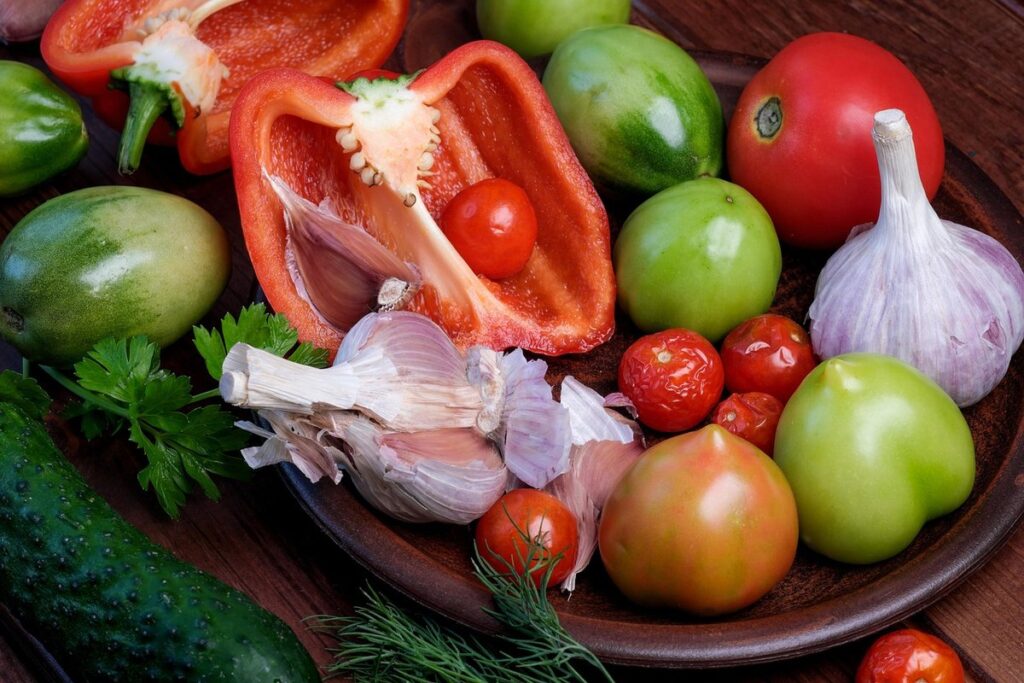
Understanding Plant Garlic Se Mi
Now that you know what plant garlic se mi is, let’s dive into understanding its unique characteristics and how it differs from regular garlic. This includes its flavor profile and growing requirements.
What is Plant Garlic Se Mi?
Plant garlic se mi is a unique ingredient that has been gaining popularity among chefs and home cooks alike. Its origins date back to the Mediterranean region, where it was traditionally used for its distinct flavor and aroma. The name “se mi” translates to “wild garlic” in Italian, which gives you an idea of what this plant is all about.
This versatile ingredient is a type of wild garlic that grows in the mountainous regions of Italy, particularly in the provinces of Tuscany and Umbria. Its history dates back centuries, where it was used by local chefs to add depth and complexity to traditional dishes such as pasta sauces and risottos. Today, plant garlic se mi is cultivated globally, and its popularity has spread beyond Italian cuisine.
If you’re interested in growing your own plant garlic se mi, you’ll be pleased to know that it’s relatively easy to cultivate. Simply sow the bulbs in well-draining soil during the fall season, and they will bloom come springtime. With its pungent aroma and flavor, plant garlic se mi is a must-have ingredient for any kitchen enthusiast looking to add an authentic touch to their cooking.
Benefits and Uses of Plant Garlic Se Mi
Plant garlic se mi is not only an excellent addition to various cuisines but also boasts numerous health benefits. Its unique flavor profile has made it a staple ingredient in many parts of the world.
One of the primary health advantages of plant garlic se mi lies in its ability to fight off infections and diseases due to its high allicin content, a compound known for its antibacterial properties. This makes it an excellent addition to soups, stews, and sauces that need a boost of immunity. In fact, studies have shown that consuming garlic regularly can reduce the risk of certain cancers by up to 50%.
In terms of flavor profile, plant garlic se mi is often described as pungent and slightly sweet, making it an excellent addition to Mediterranean, Asian, and Latin American dishes. It pairs particularly well with ingredients such as olive oil, lemons, and herbs like thyme and rosemary. In traditional Korean cuisine, for example, plant garlic se mi is used to make a flavorful paste called “samchae” that’s served with steamed rice.
In the kitchen, you can use plant garlic se mi in various ways – from adding it to sauces and marinades to using it as a topping for pizzas or salads. When preparing this versatile ingredient, be sure to mince or crush it finely to release its full flavor potential.
Preparing Your Garden for Plant Garlic Se Mi
Before planting garlic se mi, it’s essential to prepare your garden by clearing any debris and loosening the soil to a depth of 12 inches. This will give your garlic a healthy start.
Choosing the Right Climate and Soil Conditions
When it comes to cultivating plant garlic se mi, understanding the optimal climate and soil conditions is crucial for success. This type of garlic thrives in areas with moderate temperatures and humidity levels.
In terms of temperature, plant garlic se mi prefers a cooler climate with average temperatures ranging from 40°F to 70°F (4°C to 21°C). It’s essential to avoid planting in areas where the temperature drops below freezing or rises above 80°F (27°C), as this can lead to poor growth and reduced flavor.
Soil-wise, plant garlic se mi prefers well-draining soil with a pH level between 6.0 and 7.0. A mix of compost, manure, and organic matter will provide the necessary nutrients for optimal growth. Avoid planting in areas with standing water or where water tends to collect, as this can lead to root rot.
When selecting a location for your plant garlic se mi crop, choose an area that receives partial shade to full sun, depending on your local climate conditions. By understanding and replicating the ideal climate and soil conditions, you’ll be well on your way to growing delicious and aromatic plant garlic se mi in your garden.
Obtaining High-Quality Seeds or Bulbs
When it comes to obtaining high-quality seeds or bulbs for plant garlic se mi, sourcing from reputable suppliers is crucial. You can start by checking with local nurseries or gardening stores that specialize in exotic or specialty plants. Online seed banks and bulb catalogs are also excellent resources, offering a wide selection of varieties to choose from.
When selecting seeds or bulbs, look for ones that are specifically labeled as “plant garlic se mi” or similar varieties, such as Allium ursinum or Allium ampeloprasum. These plants have been cultivated to produce the characteristic small cloves and sweet flavor associated with plant garlic se mi.
Once you’ve obtained your seeds or bulbs, it’s essential to store them properly to ensure they remain healthy and viable until planting time. Store them in a cool, dry place away from direct sunlight, and keep them separate from other plants to prevent cross-pollination. Make sure the containers are well-ventilated to prevent moisture buildup, which can lead to rot or mold.
Proper storage will help your seeds or bulbs last longer and increase their chances of successful germination when planted.
Planting and Caring for Plant Garlic Se Mi
When planting garlic se mi, it’s essential to choose a location with well-draining soil and full sun, as these conditions will promote healthy growth. Planting at the right time is also crucial for success.
Planting Techniques and Timing
When planting garlic se mi, timing is crucial. In most regions, autumn is the ideal time for planting, as it allows the bulbs to establish themselves before winter dormancy. However, if you’re in a region with mild winters or a long growing season, you can plant in early spring.
To plant garlic se mi, start by preparing the soil. Loosen the top 6-8 inches of the bed, removing any debris and weeds. Mix in a balanced fertilizer according to the manufacturer’s instructions. Next, separate your garlic bulbs into individual cloves, making sure each clove has a small piece of the basal plate intact (this will help it grow).
Plant the cloves 4-6 inches apart, with the pointed end facing up and the flat base down. Cover with about an inch of soil, leaving the rest of the bed bare to allow for easy harvest. Water thoroughly after planting.
It’s essential to space your garlic rows 12-18 inches apart to prevent overcrowding. This will give each bulb room to grow without competing for resources.
Watering, Fertilizing, and Pest Management Tips
Proper watering is essential for healthy plant garlic se mi growth. Aim to provide about 1 inch of water per week, either through rainfall or irrigation. Water at the base of the plants to avoid getting leaves wet and promoting disease. Be cautious not to overwater, as this can lead to rot and other issues.
Fertilize your plant garlic se mi regularly, but sparingly. A balanced fertilizer with a ratio of 10-10-10 (nitrogen-phosphorus-potassium) is suitable. Apply it once a month during the growing season, following the manufacturer’s instructions for application rates. You can also add compost or well-rotted manure to improve soil fertility.
Common pests to watch out for include aphids, spider mites, and onion thrips. Inspect your plants regularly, looking for signs of infestation such as yellowing leaves or white eggs on the undersides of leaves. Use neem oil or insecticidal soap to control pest populations, following the product’s instructions carefully to avoid harming beneficial insects.
Some gardeners also report issues with scapes and flower stalks that can divert energy from bulb formation. Remove these after blooming to encourage growth towards the bulb.
Harvesting and Storing Plant Garlic Se Mi
Once your plant garlic se mi bulbs have matured, it’s essential to harvest them carefully and store them properly to preserve their flavor and aroma. This section covers key steps for a successful harvest and storage process.
Determining the Right Time for Harvest
When you notice that your plant garlic se mi plants have reached maturity, it’s essential to determine if they are ready for harvest. One of the most critical signs is the color change of the leaves and flower heads. As the plants mature, the green or yellowish-green leaves will begin to turn a golden brown, often accompanied by a slight drying out.
Check the size of the bulb as well; ideally, it should be firm and roughly the same size as your thumb. Harvesting plant garlic se mi when the bulbs are too small can lead to lower yields in future harvests. Another sign is the formation of necks between the leaves and the base of the bulb – this indicates that the bulb has fully formed.
Keep a close eye on weather conditions, as excessive moisture can cause rot and damage your crop. A dry spell followed by a gentle rain is perfect for harvest time. Use a fork to carefully loosen the soil around each plant before lifting them out, making sure not to damage the bulbs.
Proper Storage Methods for Extended Freshness
To preserve the unique flavor and aroma of plant garlic se mi, proper storage is crucial. When harvesting your crop, make sure to trim the stems to an inch from the bulb, leaving some green tops intact to help prevent moisture loss. This will also encourage the bulbs to dry further.
Store harvested plant garlic se mi in a cool, well-ventilated area away from direct sunlight and heat sources. A temperature range of 60°F to 70°F (15°C to 21°C) is ideal for storage. Avoid storing near potatoes or apples as these fruits emit ethylene gas, which can cause the garlic to sprout prematurely.
For long-term storage, consider hanging bunches in a dry, dark place with good air circulation. You can also store individual bulbs in breathable containers like paper bags or mesh bags, keeping them away from light and moisture. Monitor the stored garlic regularly for signs of mold or sprouting, and use it within 6-8 months for optimal flavor.
Using Plant Garlic Se Mi in Your Kitchen
Now that you’ve learned how to grow and harvest plant garlic se mi, let’s dive into some creative ways to use it in your favorite recipes. From savory sauces to aromatic marinades, we’ll explore its culinary potential.
Culinary Applications and Recipe Ideas
Plant garlic se mi is an incredibly versatile ingredient that can elevate a wide range of dishes. Whether you’re looking to add depth and complexity to sauces, soups, stews, or roasted vegetables, plant garlic se mi is the perfect addition.
Here are some recipe ideas to get you started:
* Sautéed Greens: Chop 2-3 cloves of plant garlic se mi and sauté them with your favorite greens (such as kale, spinach, or collard greens) in a bit of olive oil. Season with salt and pepper for a delicious side dish.
* Roasted Vegetable Soup: Mince 4-5 cloves of plant garlic se mi and add it to your roasted vegetable soup along with carrots, celery, and onions.
* Garlic Butter Sauce: Mix softened butter with minced plant garlic se mi and parsley for a simple yet flavorful sauce perfect for pasta or grilled meats.
When using plant garlic se mi in cooking, remember that less is often more. Start with small amounts (about 1-2 cloves per serving) and adjust to taste. You can also roast or dry plant garlic se mi to intensify its flavor and aroma before adding it to your dishes.
Substitutions and Combinations with Other Ingredients
When working with plant garlic se mi, you may find yourself wondering what to do when you’re out of stock or if a recipe calls for a different type of garlic. One common substitution is using regular garlic, but keep in mind that the flavor and texture will be slightly different.
In some cases, you can also use elephant garlic as a 1:1 substitute, but this variety has a milder flavor than plant garlic se mi. If you’re looking for something with a similar depth of flavor, try substituting with shallots or scallions.
Combinations with other herbs and spices can also elevate the flavor of your dishes. For example, pairing plant garlic se mi with fresh rosemary adds a piney undertone to roasted meats or vegetables. Mixing it with dried thyme creates a savory blend perfect for soups and stews. Experimenting with different combinations will help you discover new flavors and uses for this versatile ingredient.
Troubleshooting Common Issues with Plant Garlic Se Mi
Don’t worry, we’ve all been there – struggling with plant garlic se mi. Let’s tackle some common problems and find solutions to get you back on track.
Identifying Common Problems and Solutions
When growing plant garlic se mi, you may encounter some common problems that can affect its growth and productivity. Identifying these issues early on is crucial to prevent them from becoming major problems.
Some potential issues with plant garlic se mi include:
* Pests: aphids, spider mites, and thrips are common pests that can infest your garlic plants.
* Diseases: powdery mildew, downy mildew, and root rot are some of the most common diseases affecting garlic.
* Poor growth: this can be due to factors such as inadequate sunlight, poor soil quality, or insufficient watering.
To address these issues, you can try the following solutions:
* Use neem oil or insecticidal soap to control pests.
* Treat fungal diseases with copper-based fungicides or organic alternatives like sulfur and bicarbonate.
* Improve soil quality by adding compost or well-rotted manure. Make sure your garlic plants receive sufficient sunlight (at least 6 hours a day) and water them regularly, but avoid overwatering.
Regular monitoring of your plants and taking prompt action will help prevent these problems from becoming severe.
Additional Tips for Achieving Success with Plant Garlic Se Mi
To ensure success with plant garlic se mi, let’s recap some key takeaways from this comprehensive guide. First and foremost, choose a suitable location for your plant garlic se mi that receives full sun to partial shade and has well-draining soil.
When growing plant garlic se mi, it’s essential to maintain consistent moisture levels and avoid overwatering, which can lead to rot and other issues. Also, be mindful of temperature fluctuations, as this can affect the flavor and aroma of your crop.
For optimal results, harvest your plant garlic se mi when the tops have begun to yellow and fall over, typically in late summer or early fall. To make the most of your harvest, use a sharp knife to carefully dig around the plants, being sure not to damage the bulbs.
When using plant garlic se mi in cooking, be creative and experiment with different recipes that showcase its unique flavor profile. You can also store the bulbs for later use by tying them in small bunches and hanging them upside down in a cool, dry place. By following these tips, you’ll be well on your way to growing and using plant garlic se mi with ease.
Frequently Asked Questions
Can I grow plant garlic se mi in containers or do I need a large garden space?
You can definitely grow plant garlic se mi in containers, which is perfect for small gardens, patios, or even indoor spaces with plenty of sunlight. Make sure the container is at least 6-8 inches deep to accommodate the bulbs’ growth and has good drainage holes to prevent waterlogged soil.
How often should I fertilize my plant garlic se mi crop, and what type of fertilizer should I use?
Fertilizing your plant garlic se mi crop regularly will promote healthy growth and flavor. Use a balanced, slow-release fertilizer (10-10-10 NPK) once a month during the growing season. You can also add a high-phosphorus fertilizer to boost bulb formation.
Can I use regular garlic instead of planting garlic se mi for my culinary needs?
While you can substitute regular garlic for plant garlic se mi in some recipes, keep in mind that the flavor and aroma will be slightly different. Plant garlic se mi has a more intense, pungent taste and aroma due to its unique growing conditions and processing methods.
What are some common pests or diseases I should watch out for when growing plant garlic se mi?
Keep an eye out for aphids, spider mites, and root knot nematodes, which can damage your plant garlic se mi crop. Regularly inspect your plants for signs of disease like yellowing leaves, black spots, or powdery mildew.
Can I harvest my plant garlic se mi year-round, or is there a specific time of the year that’s best?
While you can harvest plant garlic se mi throughout the growing season, it’s generally recommended to harvest in the fall when the bulbs are fully mature. This will ensure optimal flavor and aroma for your culinary needs.