
Are you ready to spice up your life with the amazing world of chilli peppers? With their incredible heat, vibrant colors, and versatility in cooking, it’s no wonder why these spicy delights have become a staple in cuisines around the globe. But did you know that there are over 200 types of chilli peppers, each with its unique characteristics, flavor profiles, and health benefits?
From the fiery heat of ghost peppers to the sweet, smoky flavor of chipotle peppers, understanding the different varieties of chilli peppers can elevate your cooking game and open up new possibilities for experimenting with flavors. In this comprehensive guide, we’ll take you on a journey through the origins, varieties, health benefits, and culinary uses of chilli peppers, helping you to unlock their full potential in your kitchen. Whether you’re a seasoned cook or just starting out, get ready to discover the incredible world of spicy delights!
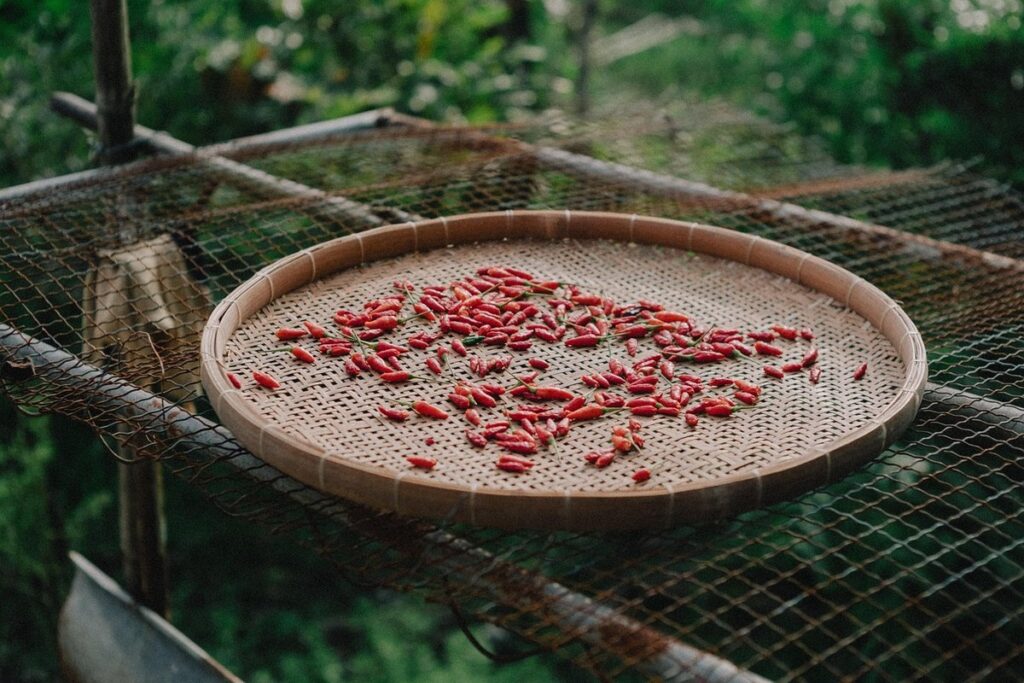
The Origins and History of Chilli Peppers
Let’s start at the very beginning: chilli peppers have been a staple ingredient in various cuisines for thousands of years, their origin dating back to ancient Mesoamerica.
Their journey from humble beginnings as a wild plant to becoming an integral part of many cultures is a fascinating story that spans centuries.
The Ancient Civilizations that Brought us Chilli Peppers
The ancient civilizations that cultivated chilli peppers were the Mayans and Aztecs in Central America. These cultures not only prized chillies for their flavor but also revered them as a symbol of power, wealth, and spiritual connection. They believed that chillies possessed healing properties and used them to treat ailments such as fever and arthritis.
Chilli peppers were first domesticated in the Americas over 6,000 years ago, specifically in present-day Mexico and Central America. From there, they spread throughout the continent via trade routes and by migrating populations. The Spanish conquistadors encountered chillies during their conquest of the Aztec Empire and took them back to Europe, where they were initially met with skepticism due to their intense heat.
As European explorers traveled across the globe, they brought chilli peppers with them, introducing new cultures to this pungent ingredient. Today, we can find a staggering variety of chilli pepper types in cuisines from Korea to India, reflecting the diverse ways that people have adapted and incorporated these fiery plants into their cooking traditions.
How Chilli Peppers Became a Staple in Global Cuisine
Chilli peppers have become an integral part of global cuisine, spreading their fiery influence across continents and cultures. Their journey to becoming a staple ingredient began centuries ago, when Spanish conquistadors brought them back from the New World to Europe. From there, chilli peppers traveled eastward, introduced to Asia by Portuguese traders, and westward, reaching Africa through the transatlantic slave trade.
As they traversed the globe, chilli peppers adapted to local tastes, evolving into unique varieties that reflected regional flavors. In India, for instance, chilli peppers became a fundamental component of curries, while in Korea, gochujang – a fermented chilli paste – added depth and heat to traditional dishes like bibimbap. Similarly, African countries incorporated chilli peppers into their own cuisine, often blending them with indigenous spices to create distinctive flavors.
The impact of chilli peppers on local flavors has been profound, elevating the richness and diversity of global cuisine. They’ve also become an integral part of cultural traditions, symbolizing hospitality and community in many societies. For instance, in some African countries, a meal isn’t complete without a serving of chilli-spiced stew or sauce.
The Most Popular Chilli Pepper Types
Let’s dive into the most sought-after chilli peppers that have captured the hearts and taste buds of spicy food enthusiasts around the world. From jalapeños to habaneros, we’re counting down the top picks.
Sweet Bells: Understanding the Mild and Sweet Variety
Sweet bell chillies are one of the most popular and versatile varieties among home cooks and chefs. Unlike their spicy counterparts, sweet bells bring a mild sweetness to dishes without adding heat. They have a crunchy texture, firm skin, and a slightly sweet flavor profile.
One of the key characteristics of sweet bells is their low Scoville rating – typically ranging from 0 to 100 units. This makes them an excellent choice for those who want to add some crunch and color to their meals without any spice. In cooking, sweet bell chillies are ideal for roasting, grilling, sautéing, or using raw in salads.
Their mild flavor and crunchy texture make them a favorite among home cooks and chefs alike. They can be used in a variety of dishes, from stir-fries to sauces, soups, and even as a topping for pizzas. If you’re new to cooking with sweet bells, try starting with simple recipes like roasted bell pepper soup or stuffed bell peppers. With their mild sweetness and versatility, it’s no wonder why sweet bell chillies are a staple in many kitchens worldwide.
Jalapeño and Serrano: Spicy Favorites Among Chili Enthusiasts
When it comes to spicy favorites among chili enthusiasts, two peppers stand out: the jalapeño and the serrano. While both are popular choices for adding heat to dishes, they have distinct differences that set them apart.
In terms of Scoville heat units (SHU), the serrano pepper has a higher rating, typically ranging from 10,000 to 23,000 SHU, while the jalapeño ranges from 2,500 to 8,000 SHU. This means that if you’re looking for an intense burst of heat, the serrano is likely your best bet.
In terms of flavor profiles, the two peppers also differ significantly. Jalapeños have a bright, crisp flavor with a slightly sweet undertone, while serranos are known for their sharp, biting taste and earthy undertones. This difference in flavor makes them suited to different types of dishes. For example, jalapeños pair well with rich flavors like cheese or meat, while serranos work well in fresh salsas or salads.
To use these peppers effectively, it’s essential to understand their unique characteristics. When working with jalapeños, be sure to chop them finely and add them towards the end of cooking time to preserve their flavor. With serranos, slice them thinly and use them as a garnish or in marinades where their intense heat can shine through.
Exotic Chilli Pepper Varieties from Around the World
As we travel the globe, we discover a kaleidoscope of chilli pepper varieties that not only ignite our taste buds but also reflect the unique cultures and traditions of their origins. Let’s explore some of these exotic finds!
Ghost Peppers: The Hottest of Them All
Ghost peppers are often considered one of the hottest chilli pepper varieties globally. Native to India, specifically in the North Eastern states of Assam and Nagaland, these peppers have a long history dating back thousands of years.
The Guinness World Records recognizes the Bhut Jolokia, a type of Ghost Pepper, as the world’s hottest pepper between 2007 and 2011. This record is significant because it highlights the unique properties of the Ghost Pepper. Cultivation requires specific conditions, including ample rainfall and rich soil. Farmers in India have traditionally used these peppers for their medicinal and culinary purposes.
The intense heat in Ghost Peppers comes from a chemical compound called capsaicin. In traditional medicine, they are sometimes used to treat pain, reduce inflammation, and even as an antidote for certain snake bites. When cooking with Ghost Peppers, be cautious not to overhandle them, as the oils can cause skin irritation. Use gloves when chopping or handling these peppers to avoid exposure.
Habanero: Uncovering the Caribbean’s Sweet but Fiery Gem
The habanero chilli pepper is often misunderstood as being all about heat, but this Caribbean gem has so much more to offer. Native to the Yucatan Peninsula in Mexico, it’s since spread throughout the region and has become an integral part of local cuisine.
When we talk about habaneros, the first thing that comes to mind is their intense heat level, which ranges from 100,000 to 350,000 Scoville Heat Units (SHU). While this might seem daunting for some, it’s also what makes them so versatile in cooking. In many Caribbean countries like Jamaica and Trinidad & Tobago, habaneros are a staple ingredient in jerk seasoning blends.
In terms of flavor profile, habaneros have a sweet and fruity undertone that pairs perfectly with the richness of meats like chicken and pork. To get the most out of this chilli pepper variety, use it in combination with other ingredients to balance out its heat. Try making your own homemade hot sauce by blending habanero peppers with lime juice, vinegar, and spices.
When cooking with habaneros, remember that a little goes a long way due to their intense heat level. Start with small amounts and adjust to taste. This will allow you to appreciate the full range of flavors this chilli pepper variety has to offer.
Growing Your Own Chilli Peppers: Tips and Tricks
Wanting to grow your own chilli peppers from scratch? In this section, we’ll share expert tips on how to successfully cultivate these spicy gems in your own garden.
Choosing the Right Variety for Your Climate
When selecting chilli pepper varieties, it’s essential to consider your local climate and region. Not all chilli peppers are created equal, and what thrives in one area may struggle in another. For instance, if you live in a hot and dry desert climate, you’ll want to choose varieties that are resistant to heat stress and drought.
In areas with cooler temperatures, such as the UK or northern Europe, you’ll need chilli pepper varieties that can tolerate lower temperatures and shorter growing seasons. Look for varieties like ‘Bird’s Eye’ or ‘Thai Hot’, which mature quickly and can thrive in cooler conditions.
Conversely, if you live in a tropical climate, you may be able to grow more exotic and sensitive varieties like the ‘Ghost Pepper’ or ‘Scotch Bonnet’. Be sure to research the specific needs of your chosen variety, including soil type and pH requirements.
When selecting chilli pepper seeds or seedlings, check the packet or ask your nursery for information on the variety’s climate tolerance. With a little planning and research, you can choose the perfect chilli pepper varieties for your region and enjoy a bountiful harvest of spicy delights.
Best Practices for Planting and Caring for Chilli Pepper Plants
When it comes to growing chilli pepper plants, understanding best practices is essential for achieving a bountiful harvest. To begin with, choose a location that receives full sun and has well-draining soil – this will help prevent waterlogged roots and promote healthy growth.
For optimal growth, fertilize your chilli plants regularly using a balanced fertilizer (10-10-10 NPK). You can also side-dress with a high-phosphorus fertilizer (15-30-15) to encourage fruiting. Keep in mind that over-fertilization can lead to weak plants and lower yields.
Pest management is also crucial – keep an eye out for common pests like aphids, whiteflies, and spider mites, which can be controlled using neem oil or insecticidal soap. Regularly inspect your plants and take action promptly to prevent infestations from getting out of hand.
Harvesting chillies at the right time is also key – typically, they’re ready when they reach their full color and are slightly soft to the touch. Use scissors to snip off the fruit rather than pulling it from the plant, which can damage the stem and reduce future yields.
Health Benefits of Eating Chilli Peppers
Eating chilli peppers can have some amazing health benefits, from reducing inflammation to boosting your metabolism, so let’s dive into these advantages.
Unlocking the Nutritional Powerhouses of Chilli Peppers
Consuming chilli peppers has been linked to numerous health benefits, making them a valuable addition to a balanced diet. One of the key advantages is their high antioxidant content. These compounds play a crucial role in neutralizing free radicals, which can damage cells and contribute to various diseases.
Studies have shown that the antioxidants present in chilli peppers possess anti-inflammatory properties, potentially reducing the risk of chronic conditions such as heart disease, diabetes, and certain types of cancer. For instance, capsaicin, a primary component of chilli peppers, has been found to inhibit the growth of cancer cells while also protecting against neurodegenerative disorders like Alzheimer’s.
Incorporating chilli peppers into your meals can be simple. Start by adding sliced jalapeños to salads or using diced habaneros in stir-fries. You can also experiment with chilli pepper-infused oils, which can add a subtle kick to various dishes without overpowering their flavors. Remember that the key is moderation: while chilli peppers are packed with benefits, excessive consumption can lead to discomfort.
Chilli peppers’ versatility extends beyond just adding heat; they can elevate the nutritional value of your meals and contribute to a healthier lifestyle.
Exploring the Therapeutic Potential of Chilli Peppers
As we explore the world of chilli peppers, it’s not just their flavor and versatility that make them stand out. Emerging research suggests that chilli pepper compounds have a wealth of therapeutic potential, making them an area of interest for scientists and health enthusiasts alike.
One area of focus is pain management. Capsaicin, a key compound found in chillies, has been shown to have analgesic properties by blocking the production of a chemical called substance P, which transmits pain signals to the brain. In fact, studies have demonstrated that capsaicin can be as effective as some prescription painkillers in managing certain types of chronic pain. This has led to its inclusion in various topical creams and ointments for relieving arthritis and muscle soreness.
Another area of investigation is the antimicrobial effects of chilli pepper compounds. Capsaicin and other bioactive molecules have been found to exhibit potent antibacterial, antifungal, and antiviral properties, potentially providing a natural alternative to antibiotics in certain cases. This has sparked interest in using chillies as part of a holistic approach to maintaining immune health.
Incorporating chilli peppers into your diet can be as simple as adding them to meals or taking supplements. When choosing chillies for therapeutic purposes, opt for varieties with high capsaicin content, such as cayenne, habanero, or ghost peppers. As with any new supplement or treatment, consult a healthcare professional before making significant changes to your routine.
The possibilities are vast and varied, but one thing is clear: chilli pepper compounds hold immense promise for improving our well-being.
Cooking with Chilli Peppers: Recipes and Tips
Now that you’ve explored the diverse world of chilli pepper types, let’s dive into some delicious recipe ideas to add a spicy kick to your meals. We’ll share our favorite recipes and expert tips to get you started.
Essential Spices and Oils for Enhancing Chilli Pepper Flavors
When it comes to cooking with chilli peppers, the right combination of spices and oils can elevate their flavor profile and take your dishes to the next level. Let’s explore some essential ingredients that pair well with various types of chilli peppers.
For a smoky depth, consider using smoked paprika or chipotle powder. These add a rich, velvety texture and a slow-building heat that complements the natural sweetness of many chilli pepper varieties. Another great option is coriander, which adds a warm, earthy flavor that pairs particularly well with sweet peppers like bell or Anaheim.
Some key oils to keep in your pantry include chili oil (a blend of oil infused with dried chillies), sesame oil for its nutty undertones, and avocado oil for high-heat cooking. Don’t be afraid to experiment with different combinations – you might find that a dash of cumin and a drizzle of chili oil turn an ordinary stir-fry into a truly exceptional dish.
To make the most of these ingredients, remember to use them in balance. A little goes a long way when it comes to spice and oils, so start with small amounts and taste as you go. This will allow you to adjust the flavor to your liking and avoid overpowering the delicate flavors of your chilli peppers.
Mastering the Art of Preparing and Using Chilli Peppers in Recipes
Mastering the art of preparing and using chilli peppers in recipes requires a combination of technique and knowledge. When working with different types of chilli peppers, it’s essential to understand their unique characteristics and heat levels. Start by choosing the right chilli pepper for your recipe; if you’re new to cooking with chilli peppers, begin with milder varieties like Anaheim or Poblano.
To prepare chilli peppers, first, wash them thoroughly to remove any dirt or debris. Next, slice off the top and bottom, then remove the seeds and membranes, which contain most of the heat. Use gloves when handling chilli peppers to avoid transferring oils to your skin or eyes. For sauces, marinades, and rubs, puree or finely chop the chilli peppers before adding them to your recipe.
Some popular methods for using chilli peppers include making a spice paste by blending them with olive oil, garlic, and vinegar, or grinding them into a fine powder using a spice grinder. Experiment with different ratios of chilli pepper to ingredient to find the perfect balance of heat and flavor in your dishes.
Frequently Asked Questions
What are the key differences between sweet chilli peppers and hot chilli peppers?
Sweet chilli peppers, like bell peppers, have a sweeter flavor profile with minimal heat, whereas hot chilli peppers contain capsaicinoids that give them their fiery taste. While sweet chilli peppers are great for snacking and salads, hot chilli peppers add depth to dishes.
How can I safely handle and store chilli peppers?
When handling chilli peppers, wear gloves or wash your hands thoroughly afterward to avoid transferring heat to other areas of the body. For storage, keep them in a cool, dry place away from direct sunlight to preserve their flavor and heat levels.
Can I grow multiple varieties of chilli peppers together?
While it’s possible to grow different types of chilli peppers together, ensure they have sufficient space (at least 12-18 inches apart) and provide optimal growing conditions. Some chilli pepper varieties can cross-pollinate, affecting their flavor and heat level.
What are some common health benefits associated with consuming chilli peppers?
Regular consumption of chilli peppers has been linked to improved circulation, anti-inflammatory effects, and even cancer prevention due to their high content of antioxidants and capsaicinoids.
How do I choose the right variety of chilli pepper for my specific climate and cooking needs?
Consider factors like temperature tolerance (some varieties thrive in warmer climates), days to maturity (shorter or longer growth periods), and flavor profile when selecting a chilli pepper variety. You can also consult with local nurseries, gardening experts, or online resources for guidance.