
The world of spicy delights is vast and varied, with options ranging from sweet and gentle to fiery and intense. Whether you’re a seasoned chef or a curious cook, exploring the realm of mild to hot peppers can add depth and excitement to your culinary adventures. But did you know that not all peppers are created equal? From the mild sweetness of bell peppers to the scorching heat of ghost peppers, each variety has its unique characteristics, uses, and growing requirements. In this comprehensive guide, we’ll delve into the fascinating world of pepper heat units, exploring what makes them tick, and share expert tips on how to grow your own peppers at home. Whether you’re looking to spice up your meals or simply want to learn more about these flavorful superstars, keep reading!
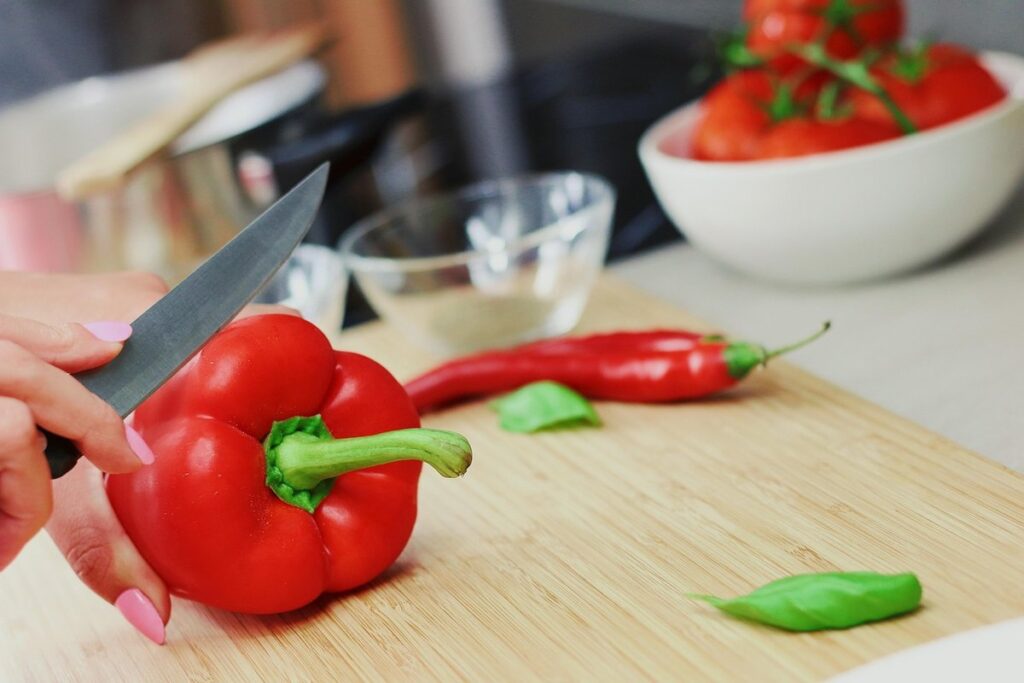
Understanding Pepper Scoville Heat Units (SHU)
If you’re new to the world of spicy peppers, understanding SHU is a great place to start, as it helps measure their intensity. Let’s break down what these units mean and how they’re used to categorize different pepper varieties.
What are SHU and How Do They Measure Heat?
When handling hot peppers, you’ve likely come across the term Scoville Heat Units (SHU). This measurement quantifies the heat level of a pepper based on its capsaicin content. Capsaicin is the compound responsible for the burning sensation associated with spicy foods.
To determine SHU, a pepper extract is mixed with sugar water, and the resulting solution’s dilution is measured to find out how much it takes to neutralize the heat sensation. This process involves a subjective human panel that assesses the intensity of the heat. The more capsaicin present in the pepper, the higher its SHU rating.
The significance of SHU lies in its ability to help cooks choose the right peppers for their recipe’s desired level of spiciness. For instance, if you’re making a dish that requires minimal heat, opt for a pepper with lower SHU ratings like Anaheim or Poblano peppers. Conversely, if you need intense heat, go for peppers with higher SHU ratings such as Habanero or Ghost peppers.
Understanding the Scoville scale empowers home cooks to experiment with various peppers and find the perfect balance of flavor and heat for their dishes.
Common Pepper Types and Their SHU Ratings
When exploring the world of peppers, it’s essential to understand the SHU ratings of various types. Here are some popular pepper varieties and their corresponding Scoville Heat Units (SHU) ratings:
The Bell Pepper is a classic example of a mild pepper, with an SHU rating of 0. It’s sweet and crunchy, perfect for snacking or adding to salads. The Jalapeño, on the other hand, has an SHU rating of 2,500-8,000, making it a popular choice for spicy dishes.
The Serrano Pepper has an SHU rating of 10,000-23,000, while the Cayenne Pepper boasts an impressive 30,000-50,000 SHU. For those seeking even more heat, the Habanero Pepper packs a punch with its 100,000-350,000 SHU rating.
It’s worth noting that pepper SHU ratings can vary depending on factors like growing conditions and ripeness. If you’re new to cooking with peppers, start by experimenting with milder varieties like Bell or Jalapeño. As your taste buds become accustomed to the heat, gradually move up the Scoville scale to more intense options.
For a beginner-friendly approach, consider incorporating peppers into everyday meals in small amounts. For instance, add diced jalapeños to omelets or stir-fries for an instant flavor boost.
Mild Peppers: Perfect for Beginners and Everyday Use
Mild peppers are a great place to start your pepper journey, offering a range of flavors perfect for everyday cooking. Let’s explore some popular varieties suitable for beginners.
Sweet Peppers: Bell, Pimento, and Cherry Peppers
When it comes to mild peppers, sweet peppers are often overlooked, but they’re perfect for beginners and everyday use. There are three main types of sweet peppers: bell, pimento, and cherry peppers.
Bell peppers come in a variety of colors, including green, red, yellow, orange, and purple. They have a crunchy texture and a slightly sweet flavor, making them great for snacking or adding to salads. Bell peppers are also a good source of vitamins A and C, potassium, and fiber. Try slicing bell peppers thinly and using them as a topping for tacos or burgers.
Pimento peppers have a similar texture to bell peppers but with a slightly sweeter and smokier flavor. They’re often stuffed with cheese, meat, or rice and baked until tender. Cherry peppers are small, round, and sweet, with a firm texture that’s perfect for pickling or adding to sandwiches.
When working with sweet peppers, remember to choose fresh ones by looking for firm skin, glossy appearance, and no signs of mold. Store them in the refrigerator to keep them fresh for up to five days. With their mild flavor and versatility, it’s no wonder why sweet peppers are a favorite among home cooks and professional chefs alike.
Mildly Spicy Peppers: Anaheim, Cubanelle, and Poblano Peppers
Mildly spicy peppers offer a perfect balance of flavor and heat for those who want to add depth to their dishes without overpowering them. Let’s take a closer look at three popular options: Anaheim, Cubanelle, and Poblano peppers.
Anaheim peppers have a mild to medium heat level and a sweet, slightly smoky flavor that pairs well with grilled meats or vegetables. They’re also great for stuffing and baking, as their thick walls hold up nicely to fillings. When choosing Anaheim peppers, look for those that are dark green or have a slight red tint, as they’ll be more flavorful.
Cubanelle peppers, on the other hand, have a sweet, slightly crunchy texture and a mild flavor profile that’s perfect for adding depth to sauces and soups. They’re also great for roasting or sautéing, bringing out their natural sweetness. When working with Cubanelles, be sure to remove the seeds and membranes for the best flavor.
Poblano peppers have a rich, earthy flavor and a moderate level of heat that’s perfect for adding depth to dishes like chili con carne or stuffed peppers. They’re also great for roasting and freezing, as they retain their flavor well when cooked down. When working with Poblanos, look for those that are dark green or have a slight red tint, as they’ll be more flavorful.
Remember, the key to using mildly spicy peppers is to balance their heat with acidity and sweetness. By combining them with ingredients like citrus juice or honey, you can create complex flavors that will elevate your dishes to the next level. Experiment with different varieties and preparation methods to find your favorite ways to use these versatile peppers!
Medium-Hot Peppers: Adding Spice to Your Life
If you’re ready to ignite your taste buds, medium-hot peppers are a great place to start – they pack just enough heat to add excitement to any dish. From salsas to stir-fries, we’ll explore their uses and flavors.
Jalapeño, Serrano, and Guajillo Peppers
When exploring the world of medium-hot peppers, three popular varieties stand out: Jalapeño, Serrano, and Guajillo. Each of these peppers offers a unique flavor profile and level of heat that can add depth to various dishes.
The Jalapeño pepper is a staple in many cuisines, with its moderate heat level (2,500-8,000 Scoville Heat Units) and distinctive sharpness. It’s often used in Mexican and Tex-Mex cooking, but it’s also a great addition to sandwiches, salads, and sauces. For example, adding sliced Jalapeños to a grilled cheese can elevate the flavor and heat level of this classic comfort food.
The Serrano pepper, on the other hand, is known for its intense heat (10,000-23,000 Scoville Heat Units) and crisp texture. It’s often used in salsas, marinades, and sauces where a burst of flavor is desired. To use Serranos effectively, chop them finely and add them to your favorite recipes, or blend them into a smooth sauce.
Guajillo peppers have a rich, slightly sweet flavor and moderate heat (2,500-5,000 Scoville Heat Units). They’re commonly used in Mexican cooking, particularly in sauces and soups. To get the most out of Guajillos, roast them before chopping or blending to enhance their flavor and aroma.
Incorporating these peppers into your cooking can add excitement and variety to your meals. Experiment with different recipes and heat levels to find your perfect balance of flavor and spice.
Pepper Variations: Smoked, Dried, and Fresh Options
Pepper Variations: Smoked, Dried, and Fresh Options add incredible depth to dishes. You can experiment with different preparation methods to infuse unique flavors into your cooking.
Smoked peppers are a game-changer for those who love BBQ or grilled meats. They’re made by smoking fresh peppers over low heat, which gives them a rich, smoky flavor that’s perfect for adding depth to sauces, marinades, and rubs. Try pairing smoked jalapeños with chipotle peppers in adobo sauce for an unbeatable combination.
Dried peppers are another great option, especially during the off-season when fresh peppers might be hard to find. They’re made by drying out fresh peppers using various methods like sun-drying or dehydrating. Dried peppers can add a concentrated burst of flavor to dishes, and they’re often used in Indian and Middle Eastern cuisine.
Fresh peppers are always a great choice, but they can sometimes lack the complexity that dried or smoked peppers offer. That’s why experimenting with different pepper variations is so important – it allows you to unlock new flavors and combinations that elevate your cooking game. For example, you could try adding a handful of dried ancho chilies to your chili recipe for added depth or using smoked paprika as a substitute in recipes calling for regular paprika.
Keep in mind that when working with dried peppers, it’s essential to rehydrate them before use by soaking them in water or broth. This helps bring out their full flavor potential.
Hot Peppers: For Those Who Dare
For those who crave a little heat, we’re diving into the world of hot peppers, where intense flavors and fiery spice will take your cooking to new heights. Let’s explore some of the hottest varieties out there.
Extremely Hot Peppers: Ghost, Scorpion, and Trinidad Moruga Peppers
When it comes to taking your heat tolerance to the next level, there are few peppers that can match the intense experience of Ghost Peppers, Scorpion Peppers, and Trinidad Moruga Peppers. These extremely hot peppers have been bred for their intense heat, which makes them not for the faint of heart.
The Ghost Pepper, also known as Bhut Jolokia, is one of the most infamous hot peppers in the world. It boasts a rating of over 1,000,000 Scoville Heat Units (SHU), making it significantly hotter than most other varieties. This pepper has a smoky, slightly sweet flavor that’s often used to add depth and heat to dishes like curries and stews.
The Scorpion Pepper is another contender for the hottest pepper title, with some varieties reaching up to 2 million SHU. Its intense, piercing heat makes it perfect for those who enjoy a challenge. The Trinidad Moruga Pepper, on the other hand, has a unique fruity flavor that’s often used in hot sauces and marinades.
When working with these extremely hot peppers, be sure to handle them carefully and use gloves to avoid irritating your skin. Start by adding small amounts to your dishes and gradually increase the heat level to suit your taste. Also, keep in mind that these peppers can cause intense sweating and even tears when consumed, so it’s essential to have a glass of milk nearby to help neutralize the heat.
Using Hot Peppers in Cooking: Chilies, Sauces, and More
When it comes to incorporating hot peppers into your cooking, the possibilities are endless. One of the most versatile uses for hot peppers is as a key ingredient in sauces and marinades. For example, you can make a simple sriracha sauce by blending hot peppers with vinegar, garlic, and sugar. This spicy condiment is perfect for adding heat to noodle dishes, soups, or using as a dipping sauce.
Hot peppers also add depth and flavor to salsas, stews, and braises. Try adding diced jalapeños to your favorite chili recipe or using sliced habaneros in a Caribbean-inspired stew. You can even use hot peppers as a topping for tacos or grilled meats, adding a burst of heat and flavor with each bite.
To incorporate more heat into your cooking, experiment with different types of hot peppers in various dishes. Some popular options include chipotle peppers in adobo sauce, which add a smoky heat to Mexican-inspired dishes, and Korean chili flakes (gochugaru), which add a bold, spicy kick to noodle soups and stir-fries.
When working with hot peppers, be sure to handle them carefully, as the oils in the peppers can cause skin irritation. Wearing gloves when chopping or slicing hot peppers is always a good idea. Also, start with small amounts and adjust to taste, as hot peppers can quickly overpower other flavors in a dish.
Pepper Variations and Hybrids
You’ll discover a vast array of pepper varieties, each offering unique characteristics, flavor profiles, and heat levels that can add excitement to your cooking repertoire. From sweet bell peppers to spicy hybrids, we’re just getting started on the flavorful journey!
Hybrid Peppers: Combining Flavors and Heat Levels
Hybrid peppers have revolutionized the way we enjoy our favorite spice. By combining different flavor profiles and heat levels, these innovative hybrids cater to a wide range of tastes. For instance, the ‘Cayenne Lime’ pepper brings together the intense heat of cayenne with the zesty freshness of lime, perfect for adding a burst of citrus flavor to your dishes.
Another notable example is the ‘Patio Pepper’, which balances sweet and smoky flavors with a moderate level of heat. This hybrid is ideal for grilling or roasting, as its complex taste profile complements various meats and vegetables. To incorporate these unique flavors into your cooking, consider using them in salsas, marinades, or stir-fries.
When experimenting with hybrid peppers, keep in mind that their flavor profiles can change depending on the specific combination of parent peppers used. This makes each variety a new discovery waiting to be explored. With so many options available, you’re sure to find the perfect balance of heat and flavor for your taste buds.
Rare and Exotic Pepper Types: Dragon’s Breath and Others
Beyond the well-known bell peppers and jalapenos lies a world of rare and exotic pepper varieties that are waiting to be discovered. One such example is the infamous Dragon’s Breath, which holds the Guinness World Record for being the hottest pepper in 2017. Native to Senegal, this pepper packs a whopping 2.48 million Scoville Heat Units (SHU), making it not for the faint of heart.
If you’re feeling adventurous and want to try something new, look no further than the Naga Viper or the Trinidad Moruga Scorpion. These peppers have been known to blow even seasoned chiliheads away with their intense heat. The Naga Viper, a hybrid pepper from India, boasts an average SHU rating of 1.4 million, while its cousin from Trinidad and Tobago clocks in at 1.8 million.
When working with these extreme peppers, it’s essential to handle them carefully and wear protective gear, including gloves and goggles. Start by incorporating small amounts into your dishes, gradually increasing the heat level as you become accustomed to their intense flavor.
Cooking with Mild to Hot Peppers: Tips and Tricks
When working with peppers, knowing how to balance heat and flavor is key, so let’s dive into some expert tips for cooking with mild to hot peppers.
Roasting, Grilling, and Sauteing Peppers for Flavor
When it comes to unlocking the natural sweetness in peppers, roasting, grilling, and sautéing are some of the best techniques to try. These methods not only add depth to the flavor but also bring out the inherent sweetness that’s often masked by acidity.
Roasting is a fantastic way to coax out the sweetness in peppers. Simply place them on a baking sheet, drizzle with olive oil, and roast at 425°F (220°C) for about 20-25 minutes or until charred. The resulting flavor is rich and caramelized, perfect for adding depth to dishes like stews and soups.
Grilling peppers over direct heat can also produce similar results. Just brush them with oil and cook for a few minutes on each side until they’re blistered. Searing the skin helps break down the cell walls, releasing the natural sugars inside.
Sautéing is another quick method that’s perfect for adding sweetness to sauces and stir-fries. Slice peppers thinly and sauté in a pan with some oil over medium heat until softened. This technique can add an instant burst of sweetness to your dishes.
Adding Peppers to Soups, Stews, and Stir-Fries
Adding peppers to soups, stews, and stir-fries is an excellent way to boost flavor without overpowering the dish. When it comes to soups, consider adding sliced bell peppers to creamy tomato soup for a pop of color and sweetness. For heartier soups like minestrone or chili, diced jalapeños can add a spicy kick.
In stews, red bell peppers bring a sweet and slightly smoky flavor that pairs well with beef or lamb. When cooking stir-fries, use sliced Anaheim or Poblano peppers for their mild heat and rich texture. To incorporate peppers into your stir-fry, sauté them first in a little oil until tender before adding the other ingredients.
Remember to adjust the level of heat according to the dish’s flavor profile. For example, in a spicy chili con carne, you can add more jalapeños or serrano peppers for added intensity. When cooking with mild peppers like bell or Anaheim, start with a small amount and taste as you go, adding more if needed.
Incorporating peppers into your dishes is also about balance – be mindful of the flavors and textures already present in the recipe. By mixing sweet, sour, salty, and spicy elements, you’ll create a well-rounded and engaging culinary experience.
Growing Your Own Mild to Hot Peppers: A Beginner’s Guide
If you’re eager to grow your own peppers, we’ll start by guiding you through the process of cultivating both mild and hot pepper varieties from seed to harvest. This is where it all begins for pepper enthusiasts!
Choosing the Right Pepper Variety for Your Climate
When it comes to growing peppers, choosing the right variety for your climate is crucial. Peppers come in a wide range of shapes, sizes, and heat levels, but not all varieties will thrive in every region.
In general, bell pepper varieties tend to do well in cooler climates with moderate temperatures between 65-75°F (18-24°C). These sweet peppers are perfect for areas with shorter growing seasons. On the other hand, hot pepper varieties like jalapeños and habaneros love warmer temperatures above 80°F (27°C) and can tolerate high humidity levels.
To select a suitable pepper variety, consider factors such as your region’s frost dates, average temperature, and annual rainfall. For example, if you live in an area with long growing seasons, you may want to try varieties like Anaheim or Poblano. These peppers require more time to mature but will reward you with abundant harvests.
Some popular pepper varieties for specific climates include:
• Cooler Climates: Bell Boy, California Wonder, and Sweet Pepper
• Warm Climates: Jalapeño, Serrano, and Cayenne
• Tropical Climates: Thai Hot, Korean Chili, and Bird’s Eye
Choose a variety that suits your climate, and with proper care, you’ll be enjoying a bountiful harvest of mild to hot peppers in no time!
Tips for Planting, Maintaining, and Harvesting Peppers
When it comes to growing mild to hot peppers, success lies not just in choosing the right variety but also in providing them with optimal conditions. Here are some expert tips for planting, maintaining, and harvesting these delicious plants.
First, make sure you’re planting in a spot that receives at least 6 hours of direct sunlight a day. Peppers need warmth to thrive, so if your area experiences cooler temperatures, consider using row covers or other protection methods to keep them cozy.
As for soil quality, peppers prefer slightly acidic to neutral pH levels (around 6.0-7.0). Test your soil before planting and amend it if necessary with organic matter like compost or manure.
When transplanting seedlings, water them thoroughly a day prior to minimize shock. Plant at the same depth as they were in their pots, and space them about 12-18 inches apart for proper air circulation.
Regular watering is key – peppers require around 1 inch of water per week. Mulch around plants to retain moisture and suppress weeds. For optimal growth, fertilize with a balanced, water-soluble fertilizer once a month.
Prune your pepper plants regularly to encourage bushy growth and prevent them from becoming leggy. Harvest at the right time: when peppers are fully colored but still firm to the touch.
Frequently Asked Questions
Can I grow hot peppers indoors?
Yes, you can grow hot peppers indoors using containers or indoor gardens. Ensure proper ventilation, temperature control (around 65-75°F), and adequate lighting for optimal growth. This method is perfect for regions with limited outdoor space or during colder months when it’s difficult to plant outdoors.
How do I preserve the heat of hot peppers after harvesting?
To maintain the heat of hot peppers, store them in a cool, dry place. Remove seeds and membranes if you want to reduce heat retention. Freeze or freeze-dry peppers for long-term storage, which will help preserve their capsaicin content.
Can I mix different pepper varieties when growing my own peppers?
Yes, but be aware that some peppers may not thrive together due to space requirements, sunlight needs, or disease susceptibility. Consider companion planting by selecting varieties with complementary growth habits and pest resistance.
Are there any alternatives to traditional hot sauce for adding heat to dishes?
Yes, experiment with pepper-based oils, salsas, or chili paste for added flavor and spice. These condiments are great for those who want more control over the level of heat in their recipes.
How do I safely handle and cut hot peppers without irritating my skin or eyes?
Wear gloves when handling hot peppers to prevent oil from transferring to your skin. Cut peppers on a stable surface, using a sharp knife. Avoid touching your face or eyes after handling hot peppers, as oils can cause irritation.