
As a rose enthusiast, you’re probably no stranger to the joys of nurturing these beautiful flowers throughout the year. But when winter rolls around, many gardeners worry about how to care for their roses in the cold months ahead. Will they survive the harsh weather conditions and emerge healthy come springtime? With proper care and attention, your roses can thrive even during the harshest winter season. In this article, we’ll delve into the essential tips and tricks for protecting your roses from extreme weather, including pruning, mulching, and selecting top winter-hardy varieties. We’ll also troubleshoot common problems you might encounter and share expert advice on keeping your roses healthy and happy all year round.
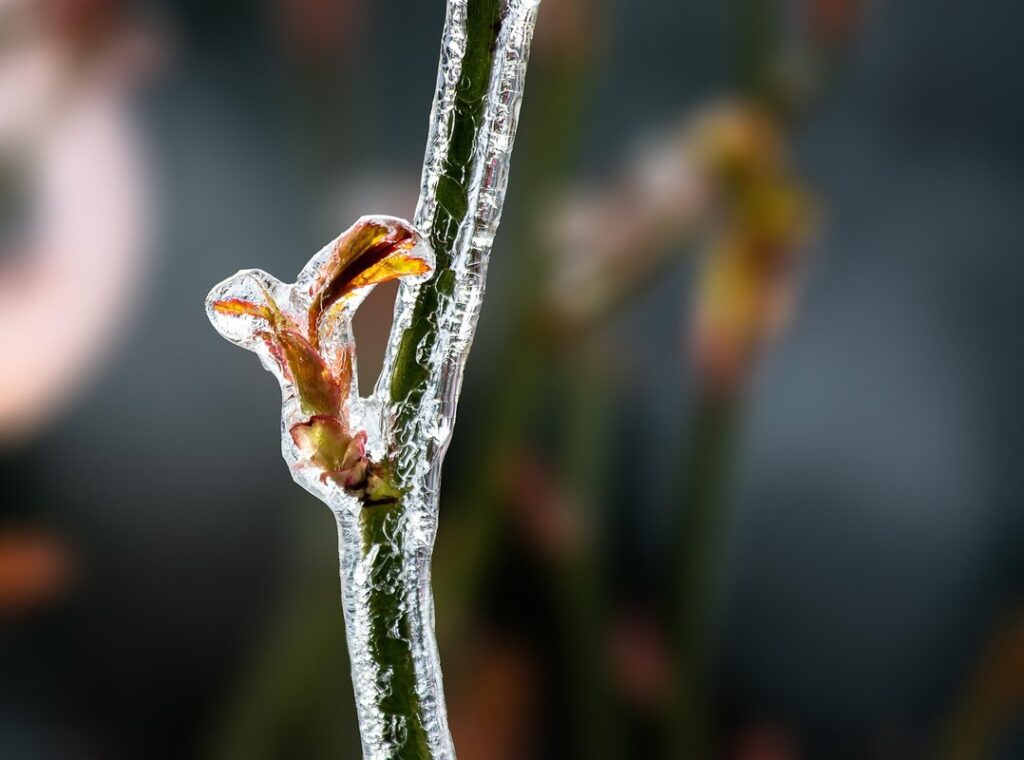
Understanding Rose Care in Winter
As winter approaches, it’s essential to understand how to protect your roses from cold temperatures and harsh weather conditions that can damage them. This is where proper winter care comes into play.
Why Roses Need Extra Care During Winter
As we dive into the winter season, it’s essential to give our beloved roses an extra layer of care to help them survive the harsh conditions. During this time, temperatures drop, sunlight is scarce, and dry air becomes a significant concern for rose bushes.
The cold temperatures can cause damage to the delicate buds and flowers, leading to premature fall or even winter dieback. Additionally, the lack of sunlight reduces the plant’s ability to produce food through photosynthesis, making it more susceptible to disease and pests. Dry air, on the other hand, can dry out the plant’s roots and foliage, further weakening its defenses.
To combat these challenges, make sure to provide your roses with some extra TLC. Water them deeply before the first frost to ensure the soil remains moist but not waterlogged during the winter months. Mulch around the base of the plants to retain moisture and regulate soil temperature. Avoid pruning in the fall or early winter, as this can stimulate new growth that may not have time to harden off before the cold sets in.
Identifying Signs of Winter Stress in Roses
As you inspect your rose bushes during the winter season, it’s essential to recognize the signs of stress that can arise due to the cold temperatures and lack of moisture. One common indicator is yellowing leaves, which can be a sign that your roses are not getting enough nutrients or water. This can be caused by freezing soil, inadequate fertilization, or poor pruning practices.
Another telltale sign of winter stress in roses is brittle stems, which can break easily under the weight of snow or ice. To avoid this, make sure to provide sufficient support for your rose bushes, either by staking them or using a trellis. Additionally, reduced blooming can be an indication that your roses are not receiving enough light or have been exposed to extreme temperatures.
If you notice any of these symptoms in your rose bushes, don’t panic! There are steps you can take to revive and nourish them for the coming season.
Preparing Roses for Winter: A Seasonal Checklist
As winter approaches, it’s essential to prepare your roses for the cold weather ahead. A well-planned checklist can ensure your beloved flowers survive the season and thrive come springtime. Begin by pruning your rose bushes in late fall or early winter, removing dead, diseased, or damaged branches to prevent the spread of disease.
Next, mulch around the base of each plant, keeping a 2-3 inch layer of organic material like straw or wood chips. This not only protects against frost but also retains moisture and suppresses weeds. Be sure to keep the mulch away from the stem to avoid rot.
If you live in an area prone to extreme weather conditions, consider providing additional protection for your roses. Bring potted plants under cover or move them to a protected location like a greenhouse. For garden roses, use burlap or a frost blanket to shield against harsh winds and icy temperatures. Regularly inspect your plants throughout the winter months, making adjustments as needed to ensure their continued health and survival.
Choosing the Right Rose Variety for Winter Hardiness
When choosing a rose variety, consider hardiness zones and select types that thrive in your local climate to ensure they survive winter temperatures successfully. Researching specific varieties can help you make an informed decision.
Understanding Rose Plant Hardiness Zones
When it comes to choosing the right rose variety for your garden, understanding your local climate is crucial. This is where rose plant hardiness zones come into play. Essentially, these zones categorize areas based on their temperature fluctuations throughout the year, helping you determine which roses will thrive in your area.
The USDA Plant Hardiness Zone Map divides the country into 11 distinct zones, each representing a specific average annual extreme minimum temperature range. For example, if you live in zone 5, it means that your winters typically don’t get colder than -20°F (-29°C). Conversely, if you’re in zone 9, temperatures rarely drop below 30°F (-1°C).
To choose the right rose variety for your area’s climate, consult a plant hardiness zone map and select roses that are rated for your specific zone. For instance, if you live in zone 5, opt for varieties labeled as ‘hardy’ or ‘cold-tolerant,’ which can withstand temperatures down to -20°F (-29°C). This simple step will ensure your rose plants survive the harsh winter months and continue to bloom beautifully come springtime.
Top Winter-Hardy Rose Varieties for Cold Climates
If you live in an area with cold winters, don’t worry – there are plenty of rose varieties that can thrive in harsh conditions. When choosing a winter-hardy rose, look for varieties that have been bred specifically for their ability to withstand frost and freezing temperatures.
Some top performers include:
* ‘Iceberg’ (Rosa ‘KORbin’) – This shrub rose is known for its fragrant white blooms and ability to tolerate temperatures as low as -30°F (-34°C). It’s a great choice for gardeners who want a low-maintenance, long-blooming rose.
* ‘Fragrant Cloud’ (Rosa ‘MEIduwi’) – With its repeat-flowering habit and clusters of fragrant pink blooms, this English rose is perfect for cold climates. It can handle temperatures as low as -20°F (-29°C).
* ‘Cinderella’ (Rosa ‘Auslese’) – This hybrid tea rose produces large, fragrant blooms in a vibrant pink color. It’s a good choice for gardeners who want a show-stopping rose that can withstand cold temperatures up to -15°F (-26°C).
When planting these varieties, be sure to choose a location with full sun and well-draining soil to help them establish themselves quickly. With proper care and maintenance, you’ll be enjoying beautiful blooms from your winter-hardy roses in no time.
Growing Roses in Containers: A Winter Solution
Growing roses in containers is an excellent solution for winter-hardy rose varieties, and it offers several advantages over planting them in the ground. One of the primary benefits is reduced soil compaction. When planted in containers, roots have more room to breathe and expand freely, which promotes healthy root growth. This is especially important during the dormant season when roses are not actively growing, as a strong root system will help them bounce back quickly come spring.
Additionally, container-grown roses can be easily moved to a protected location or brought indoors if necessary, reducing exposure to harsh winter conditions. This flexibility also allows for better soil quality management, as you can use high-quality potting mix specifically designed for containers and amend it according to your rose’s needs. To maximize the benefits of growing roses in containers, choose a container that is at least 12-18 inches deep to accommodate the root system, and make sure it has good drainage holes to prevent waterlogged soil.
Rose Care Tips for Different Winter Conditions
As you prepare your rose garden for winter, it’s essential to know how to care for them under different conditions, from frosty temperatures to drought. Learn how to protect and nurture your roses in various winter scenarios.
Caring for Roses in Mild Winters (Temps above 32°F/0°C)
In mild winters with temperatures above 32°F (0°C), roses require special care to maintain their health and appearance. One key aspect is watering. Since the winter months are typically drier than usual, make sure to provide supplemental irrigation to keep the soil consistently moist but not waterlogged. A good rule of thumb is to check the soil every week or two by sticking your finger into it up to the first knuckle.
Fertilizing in mild winters is also crucial. Use a balanced, slow-release fertilizer (10-10-10 NPK) during the dormant season (usually late fall to early winter). This will provide essential nutrients for healthy growth when new shoots emerge in spring. Pruning is another vital task. Cut back any dead or damaged canes and remove any suckers that grow from the base of the plant.
When pruning, focus on maintaining a strong, balanced framework rather than simply cutting back every cane to an inch or two above ground level. This will help promote healthy growth and encourage new blooms in the spring. By following these care tips, you’ll be able to enjoy your roses even during mild winters.
Protecting Roses from Extreme Cold (Temps below -10°F/-23°C)
When temperatures plummet below -10°F (-23°C), protecting your roses from extreme cold becomes crucial. At this point, even hardy rose varieties can suffer damage or dieback. To safeguard your plants, consider the following strategies:
Snow covers are an effective way to shield your roses from harsh winds and freezing temperatures. You can use burlap sheets or breathable fabrics specifically designed for this purpose. Place them over the plants, securing with stakes or weights to prevent them from blowing away in strong gusts.
Mulching around the base of the rose bush helps retain moisture and insulate the soil from extreme cold. Apply a 2-3 inch layer of organic mulch like straw, bark chips, or pine needles. Keep it a few inches away from the plant’s stem to prevent rotting.
If possible, bringing your potted roses indoors during prolonged periods of extremely low temperatures is the ultimate protection method. Choose a bright, frost-free location with consistent temperatures between 40-50°F (4-10°C).
Caring for Roses in Coastal or Windy Areas
Caring for roses in coastal or windy areas can be particularly challenging due to the harsh effects of salt spray and strong gusts. In these regions, roses are exposed to an increased risk of disease and damage, making it essential to take extra precautions. One key consideration is the type of rose variety you plant. Look for varieties that are resistant to salt and wind, such as rugosa or English roses.
To mitigate the effects of coastal conditions, prune your roses regularly to maintain a healthy shape and promote air circulation. This will help prevent water from accumulating on the leaves and reduce the risk of fungal diseases. You can also use a rose fertilizer specifically designed for coastal gardens, which typically contain added nutrients to combat salt stress.
In addition to these tips, consider providing protection from wind-borne debris by installing a trellis or other support system near your roses. This will help shield them from damage caused by strong gusts and prevent leaves from being blown off the plant.
Troubleshooting Common Winter Problems with Roses
As winter sets in, your rose garden may be plagued by issues like bare branches and dead buds. Let’s tackle some common problems and find solutions to keep your roses thriving.
Identifying and Addressing Root Rot in Winter
Root rot is a common problem that can affect roses during the winter season, particularly if they are not properly cared for. One of the main causes of root rot is overwatering, which can lead to the roots becoming waterlogged and susceptible to disease. Symptoms of root rot include soft, mushy stems, black or brown roots, and a foul odor emanating from the soil.
To prevent root rot, it’s essential to avoid overwatering your roses during the winter months. Check the soil moisture by sticking your finger into the soil up to the knuckle, and only water if the soil feels dry. You should also ensure that the pot has good drainage holes to prevent water from accumulating in the soil.
If you suspect root rot, stop watering immediately and take steps to treat the affected plant. Remove any dead or damaged roots, and repot the rose in fresh, well-draining soil.
Dealing with Pests and Diseases in the Winter Months
As winter sets in, roses are more vulnerable to pests and diseases that can cause significant damage. One of the most common pests affecting roses during this season is the rose sawfly. These tiny insects lay eggs on the stems and leaves of the plant, causing wilting and defoliation.
To identify rose sawflies, look for small holes or slits on the underside of leaves and stems, typically near the base of the plant. A fine webbing may also be present around the affected areas.
When it comes to managing rose sawflies, focus on controlling their populations by pruning infested branches, removing weeds that provide shelter, and applying insecticidal soap or neem oil.
As for diseases, winter is a prime time for black spot and powdery mildew to appear. Black spot causes dark spots on leaves, while powdery mildew forms a white, powdery coating on the surface of leaves. Regularly inspect your roses for these symptoms, and treat with fungicides if necessary.
In addition to monitoring for pests and diseases, provide your roses with the right conditions to thrive during winter, including adequate moisture and protection from harsh winds and extreme temperatures.
Common Winter Care Mistakes to Avoid
Caring for roses during the winter months can be challenging, but making a few common mistakes can make it even more difficult. One of the biggest errors is not providing enough mulch to protect the roots from freezing temperatures. This can cause damage or even kill the plant. To avoid this mistake, apply a thick layer of organic mulch around the base of the rose bush, keeping it several inches away from the stem.
Another common mistake is neglecting to water the roses properly during winter. While it may seem counterintuitive, winter is not necessarily a dry season for roses. In fact, soil moisture can drop significantly due to freezing temperatures and reduced air circulation. To prevent this issue, water your roses deeply before the first frost, and then only if the weather remains extremely dry.
It’s also essential to avoid over-pruning during winter, as this can stimulate new growth that may not have time to mature before the next cold spell. Instead, prune your roses in late winter or early spring, when the threat of frost has passed.
Frequently Asked Questions
What if I forgot to mulch my roses before winter, can I still protect them from cold damage?
Yes, it’s not too late to apply a thick layer of mulch around the base of your rose bushes, even if you missed doing so earlier. Mulching will help insulate the soil and prevent it from freezing, reducing the risk of root damage. However, be sure to choose a winter-hardy mulch type that won’t break down quickly or compact during thawing.
Can I still prune my roses in the middle of winter if I didn’t do so before the season?
No, it’s generally best to prune your roses in late winter or early spring when new growth begins. Pruning in mid-winter can cause unnecessary stress on the plant and may lead to infection from cold weather. If you need to make cuts during this time, focus only on removing dead or damaged branches.
How do I know if my rose bushes are experiencing root rot due to excess moisture in winter?
Root rot symptoms include yellowing leaves, soft stems, and a sour smell emanating from the base of the plant. Check for signs of waterlogged soil by gently digging around the roots with your fingers. If you notice any soft or mushy areas, it’s essential to repot the rose in fresh, well-draining soil as soon as possible.
What are some common mistakes I should avoid when protecting my roses from extreme cold?
Be cautious not to overwater your rose bushes during winter, as this can exacerbate damage from frost. Also, be aware of potential root damage caused by shallow or exposed planting sites. Mulching and applying a layer of straw around the base will help insulate roots and protect against cold air.
Can I grow roses in containers if I live in an area with extremely harsh winters?
Yes, growing roses in containers is an excellent solution for winter-hardy rose cultivation. Choose varieties specifically bred for container growing and ensure your pots are at least 1-2 feet deep to accommodate the root system. Keep the soil consistently moist but not waterlogged, as this can lead to root rot in cold temperatures.