
Are you ready to spice up your life with one of the most versatile and flavorful ingredients in the culinary world? Round chilli peppers have been a staple in many cuisines for centuries, and their popularity is still growing today. But what makes them so special? Not only do they add a burst of heat to any dish, but they’re also packed with nutrients and antioxidants that can boost your health. Whether you’re a seasoned chef or a gardening newbie, learning about round chilli peppers can take your cooking and gardening skills to the next level. In this comprehensive guide, we’ll explore the fascinating history of round chilli peppers, delve into their culinary and health benefits, and share expert tips on how to grow them successfully in your own garden. Get ready to discover the magic of these round wonders!
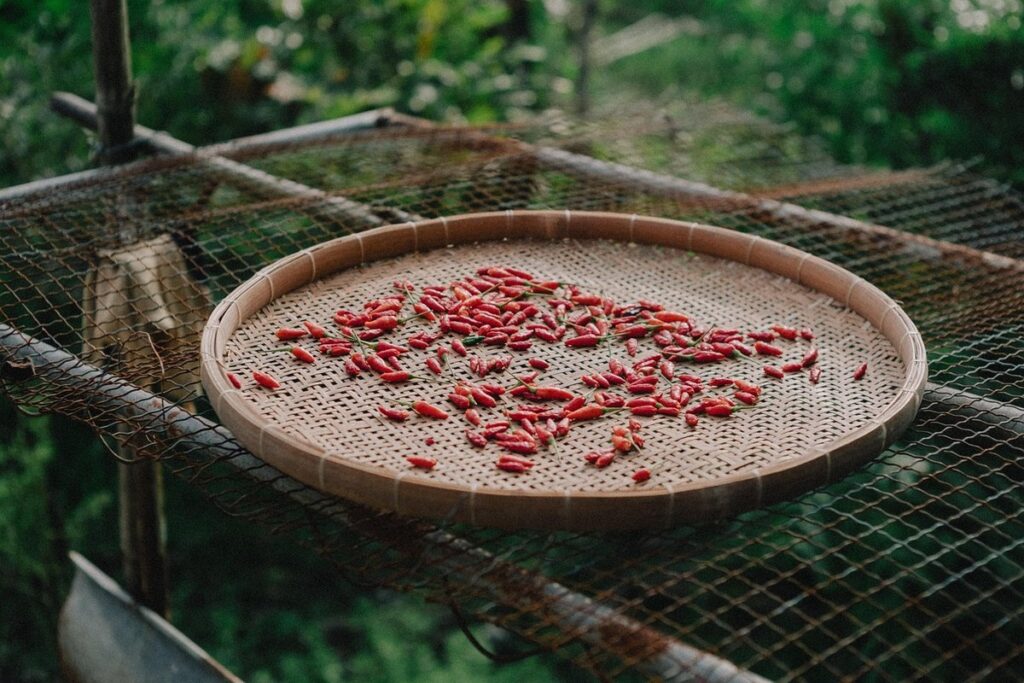
History of the Round Chilli Pepper
The round chilli pepper has a rich and fascinating history that spans thousands of years, originating from Central America and spreading globally through trade and migration. Let’s take a journey through its evolution over time.
Origins and Early Cultivation
The round chilli pepper has its roots in Central and South America, where it was first domesticated over 6,000 years ago. The earliest evidence of chilli cultivation comes from the ancient civilizations of Mexico and Peru, where it was revered for its flavor and medicinal properties. As trade routes expanded, the round chilli pepper was introduced to other parts of the world, including Asia and Europe.
In its early cultivation stages, farmers in Central America would carefully hand-pollinate the plants to ensure proper fruit set. This labor-intensive process allowed for higher yields and more consistent results. The round chilli pepper quickly became an integral part of traditional cuisine in these regions, with various cultures adapting it to their unique cooking styles.
As European explorers traveled to the New World, they discovered the round chilli pepper and took some back to their homelands. From there, it spread rapidly throughout Asia and Africa, becoming a staple ingredient in many global cuisines. Today, the round chilli pepper is grown commercially in over 100 countries worldwide.
Spread and Variations Over Time
As the round chilli pepper continued its journey around the globe, it adapted to various climates and cultures, giving rise to numerous variations. Its spread was largely facilitated by trade routes, particularly the Silk Road, which connected Europe, Asia, and Africa. The pepper’s popularity led to the development of different types, each with unique characteristics.
In India, for example, the round chilli pepper is known as a “lal mirch” and comes in several varieties, including the small, sweet “guntur” and the larger, more fiery “byadgi”. In Africa, it’s commonly used in dishes like suya and jollof rice. In Asia, particularly in China, Korea, and Japan, it’s often pickled or fermented to add depth of flavor.
The round chilli pepper’s ability to thrive in diverse environments has led to its widespread cultivation. Today, you can find various types of round chillies at most supermarkets, from mild ” Anaheim” to hot “Fresno”. To make the most of this versatile ingredient, experiment with different cooking methods – roasting, grilling, or sautéing can bring out the pepper’s natural sweetness.
Characteristics and Uses
As we dive deeper into the world of round chilli peppers, let’s take a closer look at their key characteristics and explore some exciting uses for this versatile ingredient in your kitchen.
Physical Description and Types
The round chilli pepper’s physical characteristics are just as diverse and intriguing as its flavor profile. These peppers typically have a rounded or oval shape, with a slight tapering at the top and bottom. Their texture can range from smooth to slightly bumpy, depending on the variety.
One of the most striking aspects of the round chilli pepper is its color palette. While they often start off green, as they ripen, they transform into vibrant shades of red, yellow, orange, and even purple. The color changes not only indicate the pepper’s level of maturity but also influence their flavor profile.
There are several main types of round chilli peppers, each with distinct taste, heat level, and usage. For instance, green round chillies tend to be milder in flavor and lower in Scoville heat units (SHU), making them ideal for adding crunch to salads or using as a garnish. Red round chillies, on the other hand, are sweeter and hotter, often used in cooking sauces and salsas.
Culinary Applications
When it comes to culinary applications, the round chilli pepper is an incredibly versatile ingredient. One of the most popular ways to use round chillies is by adding them to dishes for flavor and heat. For example, you can slice them thinly and add them to stir-fries, curries, or salsas for a burst of flavour and heat. You can also chop them up and mix them into dips like hummus or guacamole.
In many parts of the world, round chillies are used as condiments or spices. In Asian cuisine, they’re often pickled in vinegar and used as a topping for noodles or rice bowls. In Indian cooking, they’re ground into a fine paste called “chilli masala” which is added to curries and stews.
When experimenting with round chillies in your cooking, don’t be afraid to try new things! Try adding them to different cuisines like Mexican or Korean, where their unique flavour profile will shine. You can also roast or grill them for a deeper, smokier flavour that’s perfect for sandwiches or soups.
Growing and Cultivating Round Chilli Peppers
To successfully grow round chilli peppers, you’ll need to provide them with the right conditions, including plenty of sunlight and well-draining soil that’s rich in nutrients. With a little care, these unique peppers will thrive under your hands.
Requirements for Growth
To grow round chilli peppers successfully, you need to provide them with the right climate, soil, and care conditions. Round chilli peppers thrive in warm temperatures between 65°F to 80°F (18°C to 27°C). Avoid exposing them to frost or temperatures below 50°F (10°C), as this can damage the plant.
When it comes to sunlight, round chilli peppers require full sun to partial shade. They need at least 6 hours of direct sunlight per day to produce well. However, be careful not to overexpose them to intense sunlight, especially during peak summer months. To avoid burning the leaves and fruit, provide some afternoon shade.
In terms of water needs, round chilli peppers require consistent moisture, especially when they’re producing fruit. Water them deeply once or twice a week, depending on the soil type and weather conditions. However, make sure not to overwater, as this can lead to root rot and other problems.
When selecting a location for your round chilli pepper plant, choose a spot with good air circulation to prevent fungal diseases from spreading. Also, keep in mind that round chilli peppers are relatively small plants, so don’t overcrowd them in the garden.
Common Challenges and Pests
Growing round chilli peppers can be a rewarding experience, but it’s not without its challenges. As with any crop, pests and diseases are common issues that gardeners face. One of the most significant threats to round chilli pepper plants is aphids. These tiny insects feed on the plant’s sap, causing curled or distorted leaves and stunted growth.
To prevent aphid infestations, make sure to inspect your plants regularly for any signs of pests. Use neem oil or insecticidal soap to control populations if you do find any. You should also keep an eye out for spider mites, which can cause similar symptoms to aphids but are often accompanied by fine webbing on the leaves.
Fungal diseases like powdery mildew and leaf spot can also affect round chilli peppers. These diseases thrive in humid environments and can be spread through water or contaminated soil. To mitigate their impact, ensure good air circulation around your plants and avoid overwatering.
To prevent these challenges from getting out of hand, keep your garden area clean by removing any weeds or debris that could harbor pests or diseases.
Health Benefits of Round Chilli Peppers
Round chilli peppers have been a staple in many cuisines for centuries, but did you know they also offer numerous health benefits? Let’s explore the advantages of incorporating them into your diet.
Nutritional Value
Round chilli peppers are packed with nutrients that can have a significant impact on our overall health. One of the standout benefits is their high content of vitamins A and C. Vitamin A plays a crucial role in maintaining healthy vision, immune function, and skin health, while vitamin C is essential for collagen production, iron absorption, and immune system function.
Potassium is another key nutrient found in round chilli peppers, which helps regulate blood pressure, promote bone health, and support muscle function. The high antioxidant content in round chilli peppers also makes them an excellent choice for those looking to reduce inflammation and oxidative stress.
Incorporating round chilli peppers into your diet can be as simple as adding them to your meals or snacking on them raw. Try slicing a few rounds into your salads, blending them into smoothies, or using them as a topping for soups and stews. Not only will you reap the nutritional benefits but also add a burst of flavor and heat to your dishes.
Potential Therapeutic Uses
Research has been conducted on the potential therapeutic uses of round chilli pepper extracts, revealing promising results in various areas. One notable application is pain relief, as capsaicin – a key compound found in round chilli peppers – has been shown to reduce pain by blocking the production of a chemical called substance P. This can be particularly beneficial for individuals suffering from conditions such as arthritis or fibromyalgia.
In addition to its analgesic properties, round chilli pepper extracts have also demonstrated anti-inflammatory effects. Studies have found that capsaicin can inhibit the activity of enzymes responsible for inflammation, thus potentially reducing swelling and discomfort associated with conditions like gout or sprains.
To harness these benefits in your daily life, you can try incorporating round chilli peppers into your diet by adding them to meals or taking supplements containing capsaicin. However, be cautious not to overdo it – excessive consumption can lead to stomach upset or heartburn. It’s also essential to consult with a healthcare professional before using any new remedies, especially if you’re already taking medications for existing conditions.
Cooking with Round Chilli Peppers: Tips and Recipes
Now that you know how to incorporate round chilli peppers into your diet, let’s dive into some exciting cooking ideas and recipes using this versatile ingredient. We’ll share our top tips for making the most of its unique flavor.
Safety Precautions When Handling
When handling round chilli peppers, it’s essential to exercise caution to avoid irritation or discomfort. These peppers contain capsaicin, a compound that can cause skin and eye irritation, especially if you’re not accustomed to handling them.
Before working with round chilli peppers, make sure your hands are clean and dry. Wear gloves if possible, as the oils in your skin can exacerbate the burning sensation caused by capsaicin. If you do get any of the pepper’s oils on your skin, wash the affected area thoroughly with soap and water.
When chopping or slicing round chilli peppers, use a sharp knife to minimize damage to the cells that contain capsaicin. Avoid touching your eyes or other sensitive areas while handling the peppers, as the oils can easily spread and cause irritation.
If you accidentally get some of the pepper’s oils in your eye, flush it with water immediately and avoid rubbing the area. If discomfort persists, consider applying a topical cream or ointment to help soothe the affected skin.
Sample Recipes Using the Round Chilli Pepper
When cooking with round chilli peppers, it’s essential to showcase their versatility and unique flavor. Here are some sample recipes that highlight the pepper’s potential:
Start by using them as a base for spicy sauces and marinades. Try making a homemade sriracha by blending 2-3 roasted round chillies with 1/4 cup of vinegar, 1 tablespoon of sugar, and 1 teaspoon of salt. This sauce is perfect for Asian-inspired dishes like noodle stir-fries or as a dip for dumplings.
In the kitchen, round chilli peppers are also ideal for soups and stews. Add them to a hearty lentil soup or use them in place of jalapenos in your favorite chili recipe. To enhance their flavor, roast 2-3 round chillies in the oven until charred, then chop them up and add them to your pot.
For stir-fries, slice the peppers thinly and sauté them with garlic, ginger, and your choice of protein (chicken, beef, or tofu work well). This makes for a quick and flavorful dinner that’s packed with nutrients.
Frequently Asked Questions
Can I grow round chilli peppers indoors if I don’t have a large garden?
Yes, you can definitely grow round chilli peppers indoors, but they require a lot of sunlight to thrive. Consider using LED grow lights or placing the plants near a sunny window with at least 4-6 hours of direct light per day.
How long does it take for round chilli pepper seeds to germinate?
The germination time for round chilli pepper seeds typically ranges from 7-14 days, depending on factors like temperature and soil quality. Keep the soil consistently moist during this period, but avoid overwatering, which can lead to rot.
Are there any specific tips for preventing pests and diseases in my round chilli pepper garden?
To prevent common pests and diseases, ensure good air circulation around your plants, keep the area clean, and use organic pest control methods whenever possible. Regularly inspect your plants for signs of infestation or infection, and take prompt action to address any issues.
Can I use round chilli peppers in sweet dishes like desserts?
While round chilli peppers are often associated with spicy savory dishes, they can add a unique flavor dimension to sweet treats. Use them sparingly in baked goods, jams, or chutneys to balance sweetness with heat.
How do I preserve the health benefits of round chilli peppers when cooking with them?
To preserve the antioxidants and other beneficial compounds found in round chilli peppers, cook them lightly or use gentle heat methods like steaming. Also, consider using a variety that’s specifically bred for its nutrient retention during cooking.