
If you’re an avid gardener or just starting to explore the world of horticulture, you might be wondering which tree species can thrive in shaded areas. Growing trees in low-light conditions can be a bit tricky, but with the right knowledge and techniques, you can still enjoy lush foliage and vibrant blooms even in areas with limited sunlight.
In this article, we’ll delve into the factors that affect tree growth in shaded environments and explore some of the best tree species for shady spots. We’ll also share practical tips on how to create a thriving garden in low-light conditions, from choosing the right trees to providing optimal care. Whether you’re looking to brighten up a gloomy corner or simply want to learn more about gardening in shade, keep reading to discover which trees can grow well in shaded areas and how to make them flourish.
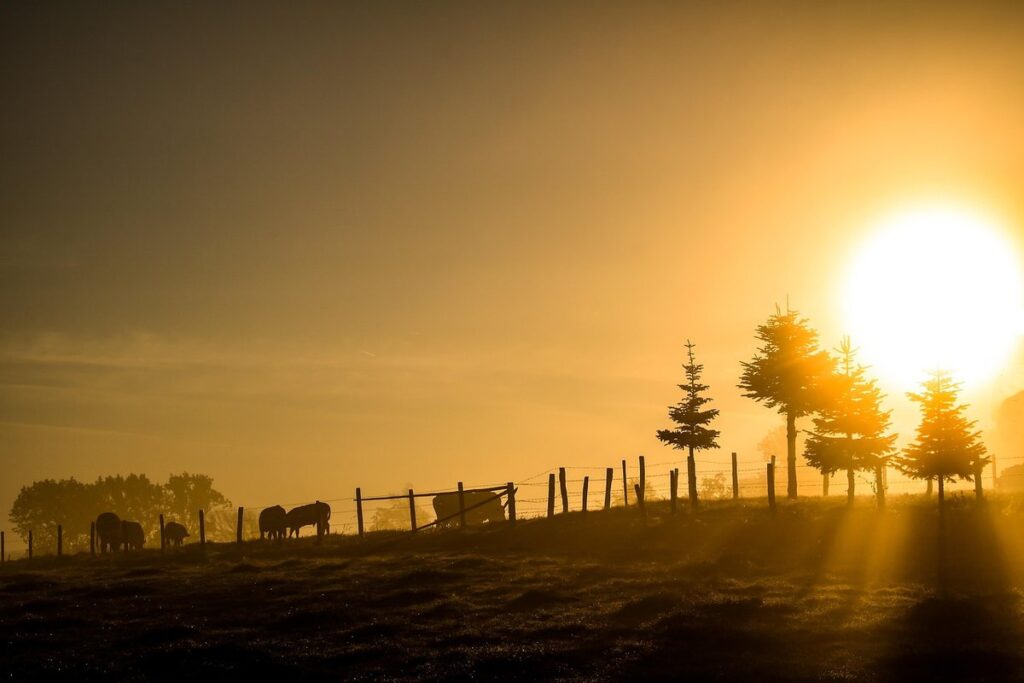
Benefits and Limitations of Tree Growth in Shade
When it comes to tree growth in shade, it’s essential to understand both the advantages and disadvantages of such conditions. Let’s explore how trees adapt to shaded environments.
Types of Trees that Thrive in Shade
When it comes to tree growth in shade, not all species are created equal. While some trees can thrive in low light conditions, others may struggle to survive. Fortunately, there are many types of trees that excel in shaded environments.
Deciduous trees like oak (Quercus spp.), maple (Acer spp.), and elm (Ulmus spp.) are well-suited for shaded areas. These trees have adapted to conserve energy during the summer months when sunlight is scarce. They can grow quite large, but their leaf loss during autumn allows more sunlight to reach the forest floor.
Evergreen trees like pine (Pinus spp.), spruce (Picea spp.), and fir (Abies spp.) also thrive in shade. Their needle-like leaves are highly efficient at absorbing moisture and nutrients from the air, reducing the need for intense sunlight. Some evergreen species can even tolerate deep shade, making them ideal for woodland gardens or areas with dense canopy cover.
When selecting trees for shaded areas, consider the mature size of the tree and its potential impact on nearby structures or plants. Also, be mindful of soil quality, as shade-loving trees often prefer moist, well-draining soils.
Factors Affecting Tree Growth in Shade
When it comes to tree growth in shade, several factors come into play that can either hinder or help their development. The intensity and duration of shade are critical considerations, as trees require a balance between sun protection and sufficient sunlight for photosynthesis.
Sunlight penetration is essential for tree growth, but excessive direct sunlight can be detrimental. A moderate amount of shade allows trees to regulate their water intake and protect themselves from extreme temperatures. However, prolonged periods of deep shade can lead to weak and spindly growth.
The type of shade also plays a significant role. Dappled shade, created by leafy branches or surrounding foliage, is often beneficial for tree growth as it filters intense sunlight while allowing some penetration. In contrast, dense canopy shade can block essential sunlight, hindering photosynthesis and stunting growth.
To promote healthy tree growth in shaded areas, consider pruning nearby vegetation to allow filtered sunlight or installing a trellis to provide dappled shade. This will help your trees thrive without becoming too reliant on artificial lighting.
Environmental Considerations for Shaded Areas
When considering planting trees in shaded areas, it’s essential to think about the environmental implications. Soil moisture levels are often reduced in shaded conditions due to the lack of direct sunlight, which can hinder tree growth. However, this doesn’t mean that shade is a barrier to tree growth altogether.
In fact, certain tree species are more adaptable to shaded environments and can thrive with proper care. When planting trees in shaded areas, it’s crucial to choose species that are tolerant of low light conditions. For instance, deciduous trees like oaks and maples can grow well in shaded areas, as they are adapted to changing light levels throughout the year.
Soil nutrient availability is also a consideration when planting trees in shade. Shaded soils tend to be cooler and more humid, which can lead to slower decomposition rates. This means that nutrients may not be released from the soil as quickly, potentially limiting tree growth. To mitigate this, consider adding organic matter like compost or manure to improve soil fertility and structure.
Understanding Shade: Types, Intensity, and Duration
When it comes to growing trees in shade, understanding how light interacts with different areas is crucial. This section will break down the key elements of shade, helping you determine if your tree can thrive in its spot.
Defining Different Types of Shade
When it comes to determining whether trees can grow in the shade, understanding the different types of shade is crucial. Shade can be broadly categorized into three main types: dappled shade, full shade, and partial shade.
Dappled shade occurs when sunlight filters through leaves or branches, creating a patchy, irregular pattern on the ground. This type of shade is common in forests and woodlands where trees grow close together. While it may seem like a less desirable environment for tree growth, dappled shade can actually promote healthy development by providing some direct sunlight while still offering protection from intense rays.
Full shade, on the other hand, occurs when an area receives little to no direct sunlight at all. This type of shade is often found in urban areas under dense tree canopies or near buildings that block out sunlight. Trees grown in full shade may become weak and spindly, with a more limited root system. Partial shade, which falls somewhere between dappled and full shade, typically occurs when an area receives direct sunlight for only part of the day.
In terms of promoting healthy tree growth, it’s essential to note that most trees require at least some direct sunlight to thrive. However, the specific needs of your tree will depend on its species, size, and age. When planting in shaded areas, choose tree varieties that are tolerant of shade, and consider pruning nearby foliage to allow for more sunlight penetration.
Measuring Shade Intensity and Duration
Measuring shade intensity and duration is crucial to understanding whether trees can grow well in shaded areas. One common method for quantifying shade intensity is using light meters, which measure the amount of direct sunlight a spot receives. These devices are often used in gardening and landscaping applications.
For a more practical approach, you can also use shading devices like canopies or umbrellas to gauge how much shade an area receives. For example, placing a small canopy over a seedling will give you an idea of what the plant’s growth will be like under partial shade conditions.
Another option is to use visual assessments, where you measure the height and spread of trees in the surrounding area. This method gives you an indication of how much direct sunlight the area receives and whether it’s suitable for tree growth.
When using these methods, keep in mind that different plants have varying levels of tolerance to shade intensity and duration. So, even if a spot receives ample indirect sunlight, it may still not be suitable for trees with specific needs.
The Impact of Seasonal Changes on Shade
As we explore the question of whether trees can grow in shade, it’s essential to consider the impact of seasonal changes on shade patterns. The way sunlight filters through leaves and branches varies significantly throughout the year, influencing tree growth and development.
In temperate climates, spring brings longer days and more direct sunlight, which promotes photosynthesis and new growth. Trees in shaded areas may experience a surge in growth during this time as they take advantage of the increased light availability. However, summer’s intense sunlight can lead to scorching conditions for trees, especially those with dense canopies.
Autumn’s shorter days and decreased sunlight can slow down tree growth, while winter’s cold temperatures often reduce photosynthesis entirely. Trees may rely on stored energy reserves during this period to survive. As the seasons change, so do the shading patterns, affecting the amount of light trees receive.
To maximize tree growth in shaded areas, consider selecting species that are more tolerant of low-light conditions and prune branches strategically to allow for maximum sunlight penetration. By understanding how seasonal changes impact shade, you can create a more conducive environment for your trees to thrive.
Factors Influencing Tree Growth in Shaded Conditions
When it comes to tree growth in shaded conditions, several factors come into play that can affect their overall health and development. These include light intensity, soil quality, and water availability.
Soil Quality and Nutrient Availability
Soil quality and nutrient availability play a crucial role in tree growth, even more so when trees are growing in shaded conditions. In shaded environments, trees often experience reduced photosynthesis rates due to limited sunlight, making it essential for them to rely on soil nutrients for energy.
The health of the soil directly impacts tree growth, with poor soil quality leading to nutrient deficiencies and stunted growth. When soil lacks essential macronutrients like nitrogen, phosphorus, and potassium, trees struggle to produce enough food through photosynthesis, further exacerbating growth issues in shaded conditions.
To promote healthy tree growth in shade, focus on improving soil health through practices such as:
• Regularly adding organic matter like compost or manure to enrich the soil
• Avoiding over-fertilization, which can harm microorganisms essential for nutrient cycling
• Maintaining optimal soil pH levels to ensure nutrient availability
Monitoring and adjusting your tree’s care routine based on soil testing results can also help identify specific nutrient deficiencies and address them proactively. By prioritizing soil health and nutrient availability, you can create a more favorable environment for trees to thrive in shaded conditions.
Water Requirements and Availability
When trees grow in shaded conditions, their water requirements and availability are crucial factors to consider. Trees growing in shaded areas often have reduced growth rates due to lower light intensity, but they also require adequate watering to thrive.
Drought tolerance is essential for trees in shaded areas as they may not receive sufficient rainfall or moisture from the surrounding environment. Some tree species, like oak and beech, are more drought-tolerant than others, such as willow and poplar.
To determine the water needs of your shaded trees, consider factors like soil type, climate, and temperature fluctuations. Generally, trees require about 20-30 gallons of water per inch of trunk diameter each year.
For example, a mature oak tree with a trunk diameter of 2 feet may need around 40-60 gallons of water per month during hot summer months. You can measure soil moisture by inserting a finger into the soil up to the first knuckle; if it feels dry, it’s time to irrigate.
It’s also essential to note that overwatering can be detrimental to tree growth and lead to root rot or other diseases. Regularly monitoring soil moisture levels will help you strike a balance between providing adequate water and avoiding overwatering.
Pruning and Maintenance Strategies
When it comes to pruning and maintaining trees in shaded conditions, a few key strategies can make all the difference. Regular pruning is essential to ensure that trees continue to receive enough sunlight, even when competing with surrounding foliage. This involves removing lower branches and leaves to allow more light to reach the canopy.
Thinning out dense areas of foliage also promotes air circulation, reducing the risk of disease and pest infestations that thrive in shaded environments. For instance, if you notice a cluster of branches blocking sunlight, consider pruning them to improve light penetration.
Another crucial aspect is choosing the right pruning tools – loppers or hand saws are ideal for smaller branches, while pole saws work better for higher reaches. When removing dead or diseased wood, make sure to disinfect your tools between cuts to prevent spreading disease.
Some common mistakes to avoid include over-pruning, which can shock the tree and reduce its ability to photosynthesize. Also, pruning too early in the growing season can interfere with new growth. Prune at the right time – usually late winter or early spring – to allow trees to recover before new growth begins.
Selecting Trees for Shaded Areas: A Guide
When choosing trees for shaded areas, it’s essential to select varieties that can thrive in low-light conditions and tolerate dense canopy cover. This is where understanding your local climate comes into play.
Choosing Tree Species with Shade Tolerance
When choosing tree species for shaded areas, it’s essential to select trees that can tolerate low light conditions. Some tree species are naturally more adaptable to shade than others. For instance, evergreen trees like oak, maple, and pine tend to thrive in shaded areas due to their broad leaf structure which allows them to absorb sunlight efficiently.
Other factors to consider when selecting tree species with shade tolerance include growth rate and adaptability. Trees that grow relatively slow in the first few years after planting may have a better chance of thriving in shade as they develop stronger root systems. Some examples of slow-growing trees with high shade tolerance are Japanese maple, dogwood, and redbud.
When evaluating tree species for your shaded area, look for terms like “partially shaded” or “shade tolerant” on the plant label or consult with a local nursery expert who can recommend suitable options based on your specific climate and soil type. By choosing trees that can thrive in shade, you’ll be more likely to achieve long-term success and enjoy the benefits of having healthy, well-established trees in your landscape.
Considering Climate and Soil Type
When selecting trees for shaded areas, it’s essential to consider the climate and soil type of your region. Temperature plays a significant role in tree growth, with some species thriving in cooler temperatures while others prefer warmer conditions. For example, deciduous trees like oak and maple excel in temperate climates with moderate winters and warm summers.
Precipitation patterns also impact tree selection, as some species require more water than others. In areas with high rainfall, such as the Pacific Northwest, trees with deep roots or those that can tolerate saturated soil are ideal choices. Conversely, in regions with low precipitation, drought-tolerant species like cypress and pine are better suited.
Soil pH levels also influence tree selection, with some species requiring acidic, alkaline, or neutral conditions to thrive. For instance, azaleas and rhododendrons prefer acidic soils, while trees like beech and birch tolerate a wider pH range. By considering these factors, you can choose the right tree for your shaded area and ensure it receives the necessary care to thrive.
When evaluating climate and soil type, consider consulting with local nurseries or gardening experts who can provide guidance on specific species that will perform well in your region. They can also offer advice on how to create a conducive environment for tree growth, such as adjusting watering schedules or adding organic matter to improve soil quality.
Evaluating Mature Tree Size and Growth Rate
When selecting trees for shaded areas, it’s essential to consider their mature size and growth rate to ensure they will not outgrow their location. A tree that is too large can cast even deeper shade, potentially harming other plants and reducing sunlight levels.
To evaluate a tree’s mature size, research its expected height and spread at maturity. Check the USDA Hardiness Zone Map or consult with a local nursery to determine the specific growth characteristics of the tree species you’re considering. For example, a young oak tree (Quercus robur) can grow up to 60 feet tall in ideal conditions.
Consider factors such as canopy density and branch spread when assessing a tree’s mature size. A dense canopy will provide more shade than one with sparse branches. Evaluate growth rates by researching the average annual increase in height for your selected species. This information will help you determine if a tree will quickly outgrow its shaded location, potentially creating more shade than desired.
Remember to also consider factors like soil quality and sunlight penetration when selecting trees for shaded areas.
Case Studies: Real-World Examples of Trees in Shade
Let’s take a closer look at real-world examples that show how trees can thrive in shaded environments, from dense forests to urban backyards.
Success Stories from Urban Forestry Initiatives
Urban forestry initiatives have successfully planted trees in shaded areas, demonstrating that with careful planning and execution, even the shadiest of spots can become a thriving habitat for trees. Take, for example, the city of Toronto’s “Shelterbelt” program, which aimed to reduce urban heat island effect by planting trees along roadsides and sidewalks in densely populated neighborhoods. Despite some initial concerns about tree health due to limited sunlight, the program has seen remarkable success, with many trees now thriving in areas that previously received as little as 20% direct sunlight.
In Chicago’s South Side, a community-led initiative transformed abandoned lots into “Green Spaces,” featuring carefully selected tree species adapted to low-light conditions. By incorporating existing tree root systems and using soil amendments to improve drainage, the team created a thriving oasis that has not only enhanced air quality but also provided a safe haven for local residents.
When it comes to replicating these successes in your own urban forestry project, consider selecting tree species with a high shade tolerance rating (e.g., red maple, oak, or silver birch), and incorporate techniques like soil aeration and mulching to improve root growth.
Challenges Encountered and Lessons Learned
When planting trees in shaded conditions, several challenges can arise that may impact their growth and overall health. One of the primary concerns is soil quality issues. Shaded areas often have poor drainage and low oxygen levels, which can lead to waterlogged soil and root rot. To combat this, gardeners should aim to improve soil structure by adding organic matter such as compost or well-rotted manure.
Pest management is another significant challenge when planting trees in shade. The humid environment can create an ideal breeding ground for pests like slugs, snails, and aphids. Regular monitoring of tree health is crucial, and a combination of physical barriers and organic pest control methods can be effective in managing infestations. For instance, applying copper tape around the base of the tree or using neem oil to repel pests.
Additionally, it’s essential to choose tree species that are tolerant of shade and have a strong root system to withstand poor soil conditions. Some examples include red maples, silver birches, and willows. By understanding these challenges and taking proactive measures, gardeners can successfully plant trees in shaded areas and enjoy their benefits for years to come.
Best Practices for Tree Planting in Shade
When planting trees in shade, it’s essential to consider their specific needs and choose varieties that are adapted to low-light conditions. Start by selecting tree species that thrive in partial shade, such as oak, maple, or beech trees. These trees have evolved to grow well in areas with dappled light, making them ideal for shaded environments.
When planting, keep in mind the microclimate of the area. If the shade is due to a large structure like a building or a tree itself, consider the type of tree that will not be competing with existing foliage. Dig a hole that’s twice as wide and just as deep as the root ball to give the roots room to grow.
Mulch around the base of the tree to retain moisture and suppress weeds, but avoid piling it against the trunk to prevent rot. Water regularly during the first year after planting, and prune any branches that are rubbing or growing inwards to promote a healthy canopy structure. With proper care and attention, your trees can thrive even in shaded areas.
Supporting Evidence: Research on Tree Growth in Shade
Studies have shown that certain tree species can thrive in shaded conditions, but their growth rates and overall health may vary depending on the specific environment.
This section will explore some of the key findings from these studies to give you a better understanding of what to expect when planting trees in shade.
Overview of Relevant Studies and Findings
Numerous studies have investigated tree growth in shaded conditions. A notable study published by the Journal of Ecology found that trees grown in partial shade exhibited slower growth rates compared to those in full sun, but ultimately reached similar mature sizes (1). This suggests that while shade may limit growth rate, it does not necessarily prevent a tree from reaching its maximum potential.
The researchers used a randomized controlled trial design, with multiple tree species and shading treatments. They monitored growth over several years, tracking variables such as height, leaf area, and biomass production. Another study published in Tree Physiology also investigated the effects of shade on tree growth, concluding that trees can adapt to shaded conditions by modifying their physiology to optimize resource allocation (2).
Key takeaways from these studies emphasize the importance of considering both immediate growth rates and long-term potential when evaluating tree growth in shade. By understanding how different species respond to varying levels of shade, gardeners and arborists can better manage expectations and choose trees that will thrive in specific environments.
Evaluating the Impact of Environmental Factors
When evaluating the impact of environmental factors on tree growth in shade, it’s essential to consider the interplay between temperature, precipitation, and soil quality. Research has shown that trees growing in shaded conditions can be particularly sensitive to fluctuations in temperature, with optimal growth occurring when temperatures range from 64°F to 90°F (18°C to 32°C). In contrast, extreme temperatures above or below this range can significantly impact tree growth, leading to reduced photosynthesis and increased water stress.
Soil quality is also a critical factor, as shaded areas often experience higher levels of moisture retention. This can lead to nutrient deficiencies if the soil lacks adequate organic matter. To mitigate these effects, gardeners can incorporate mulch or compost to improve soil structure and fertility. For example, a study on oak trees found that those growing in shaded conditions with regular mulching showed significant improvements in growth rate compared to those without.
Precipitation patterns also play a crucial role, as consistent moisture levels are essential for healthy tree growth. However, overwatering can be detrimental, particularly in areas with poor drainage. To ensure optimal growth, gardeners should aim to provide 1-2 inches of water per week through a combination of rainfall and irrigation. By carefully considering these environmental factors and taking steps to mitigate their impact, gardeners can create an ideal environment for tree growth even in shaded conditions.
Identifying Knowledge Gaps and Future Research Directions
Identifying knowledge gaps and future research directions is crucial when it comes to understanding tree growth in shade. Despite extensive research on this topic, there are still several areas that require further investigation. For instance, the optimal light intensity threshold for tree growth in shaded conditions remains unclear. While some studies suggest that trees can tolerate low light levels, others indicate that significant growth suppression occurs even at moderate shading.
A case study on a forest ecosystem with varying degrees of shade revealed that certain tree species exhibit remarkable resilience to shading, while others show marked decline. This highlights the need for species-specific research on shade tolerance. Furthermore, the impact of shade on tree growth rates and morphological changes is not yet fully understood. To advance our understanding, researchers must continue exploring the complex interactions between trees, light, and their environment.
Practically speaking, land managers can leverage existing knowledge to implement effective management strategies for shaded areas. By selecting tree species that are known to perform well in low-light conditions and providing supplemental lighting when possible, they can promote healthier tree growth.
Conclusion: Navigating Tree Growth in Shaded Conditions
Now that we’ve explored how trees adapt to shade, let’s summarize what it takes for your trees to thrive in low-light conditions. Here are some practical takeaways to guide you forward.
Recap of Key Findings and Takeaways
In reviewing our exploration of tree growth in shaded conditions, several key findings and takeaways emerge. Firstly, it’s clear that while trees can grow in the shade, their rate of growth is significantly slower compared to those growing in full sun. This is largely due to the reduced photosynthetic activity caused by limited sunlight.
Another critical factor is soil quality, as shaded areas often experience increased moisture levels and reduced aeration. This can lead to root rot and other issues if not properly managed. To mitigate this risk, it’s essential to ensure adequate drainage and fertilization in shaded tree planting sites.
Furthermore, our discussion highlighted the importance of tree species selection when growing in shade. Some trees, such as oak and beech, exhibit remarkable adaptability to low-light conditions. Conversely, others like maple and birch struggle to thrive without significant sunlight exposure. By choosing the right species for your specific environment, you can maximize your chances of success.
In practical terms, this means opting for fast-growing, adaptable tree varieties when planting in shaded areas. Regular maintenance, including pruning and soil monitoring, will also help promote healthy growth and prevent potential problems.
Practical Recommendations for Gardeners and Landscapers
When selecting trees for shaded areas, consider species that thrive in low-light conditions. Research local tree varieties that are tolerant of shade and have a suitable growth rate for the specific location. For instance, Japanese Maples, Redbuds, and Dogwoods are excellent options.
Before planting, assess the soil quality and drainage to ensure it’s conducive to healthy root development. Add organic matter like compost or mulch to improve soil structure and fertility. Plant trees at the correct depth, making sure the graft union (if applicable) is above the soil line. Water thoroughly during the first year after planting, but avoid overwatering which can lead to root rot.
Regular maintenance is crucial for tree health in shaded conditions. Inspect trees regularly for signs of disease or pests, and prune as necessary to maintain shape and promote healthy growth. Monitor sunlight levels during different seasons to identify any areas that receive more sunlight than expected, allowing you to adjust your care strategy accordingly.
Frequently Asked Questions
Can I plant multiple trees together to maximize shade coverage?
When planting multiple trees together, it’s essential to consider their mature size and growth rate to ensure they don’t overcrowd each other or compete for resources like light and water. Choose tree species that are compatible with each other in terms of space requirements and growth habits.
How do I determine the right amount of shade for my specific area?
To determine the right amount of shade for your area, observe the sun’s movement throughout the day to gauge the duration and intensity of sunlight. Use tools like a solar calculator or consult a local nursery expert to help you assess the shade conditions.
Can I use plants other than trees to create shade in my garden?
While trees are often the most effective way to provide shade, other plants like shrubs, perennials, and groundcovers can also contribute to shade creation. Consider using layered plantings or a mix of tall and short plants to achieve desired levels of shade.
How do I care for newly planted trees in shaded areas?
Newly planted trees in shaded areas require regular watering, fertilization, and pruning to ensure their health and growth. Water them regularly, but avoid overwatering, which can lead to root rot and other problems. Fertilize annually with a balanced fertilizer, and prune branches to maintain shape and promote healthy growth.
Can I grow fruit trees in shaded areas if the shade is from nearby buildings or structures?
While it’s possible to grow fruit trees in shaded areas, the proximity of nearby buildings or structures can create microclimates that affect temperature, humidity, and air circulation. These factors may impact tree health and fruit production. Consider using trellises or other supports to optimize growing conditions for your fruit trees.