
As the chill of winter sets in, our homes can start to feel a bit dull and grey. But what if you could bring a burst of color and life indoors? Forcing spring bulbs is a simple yet effective way to add some vibrancy to your space during the coldest months. By carefully selecting and preparing bulbs for indoor growth, you can enjoy beautiful blooms in as little as 6-8 weeks. Whether you’re looking to brighten up a room or simply bring some joy into your daily routine, forcing spring bulbs indoors is a fun and rewarding project. In this guide, we’ll walk you through the process of selecting the right bulbs, preparing them for growth, and providing the best conditions for successful blooms – so get ready to welcome a pop of color into your home all year round!
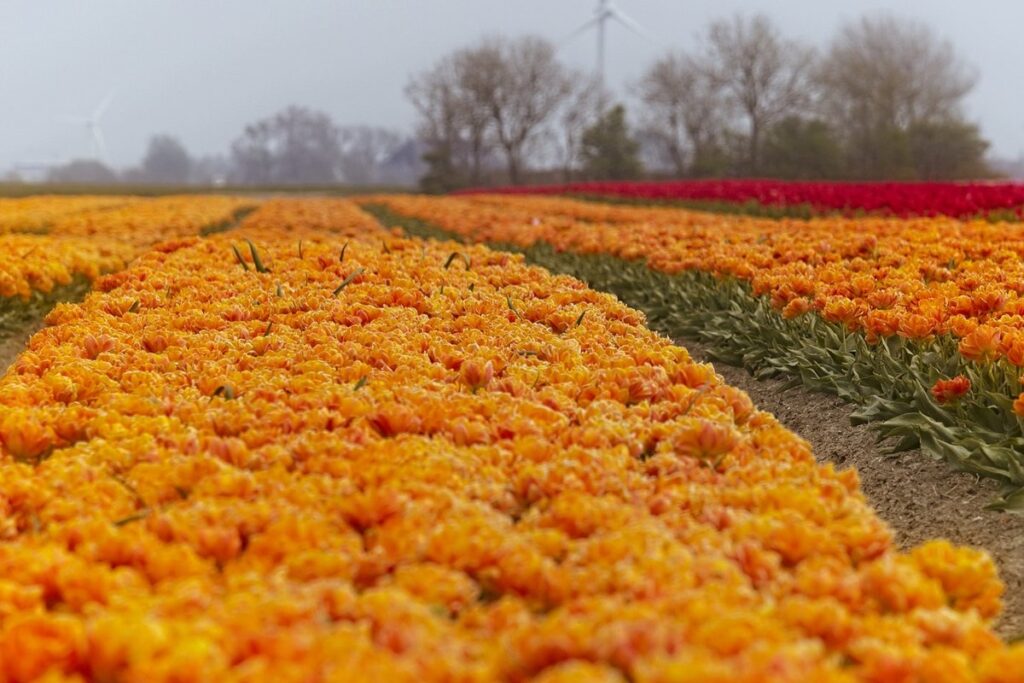
Choosing the Right Bulbs
Now that you have selected the perfect bulbs for forcing, let’s move on to choosing the right ones to ensure a successful indoor bloom. This involves selecting varieties suitable for indoor conditions and climate control.
Selecting Bulb Types for Indoor Forcing
When it comes to selecting bulb types for indoor forcing, you have a variety of options. Some popular choices include tulips, daffodils, hyacinths, and crocuses. Each of these bulbs has its own unique growth habits, blooming periods, and ideal conditions.
Tulips are one of the most common forced bulbs, with many varieties available. They typically bloom in late winter to early spring and require around 12-14 weeks of cold treatment before forcing. Daffodils, on the other hand, have a slightly longer blooming period and prefer cooler temperatures. Hyacinths are known for their intense fragrance and can be forced indoors with as little as 8-10 weeks of cold treatment.
Crocuses are some of the earliest spring bulbs to bloom, often popping up in late winter or early spring. They require minimal care and can thrive in a variety of conditions. When selecting bulb types, consider your personal preferences and the space you have available indoors. Choose varieties that fit your needs and provide a suitable growing environment for the bulb.
For example, if you have limited space, crocuses are an excellent choice due to their compact growth habit.
Factors to Consider When Choosing Bulbs
When it comes to forcing spring bulbs inside in winter, selecting the right bulbs is crucial for success. Not all bulbs are created equal, and some are better suited for indoor forcing than others.
One of the most critical factors to consider is bulb size. Smaller bulbs, such as those from species like Muscari or Grape Hyacinth, tend to perform better indoors. This is because they have less foliage, which means they require less light and can thrive in lower-light conditions. Larger bulbs, on the other hand, may need more space and light to bloom successfully.
The quality of the bulb also plays a significant role in indoor forcing. Look for bulbs that are firm and free of any soft spots or mold. These signs can indicate that the bulb is past its prime or has been stored improperly.
Freshness is another essential factor to consider. Choose bulbs that have not been stored for too long, as this can affect their ability to bloom indoors. Opt for bulbs with a small amount of green growth on the tip, as these are typically more responsive to forcing conditions.
Preparing the Bulbs for Forcing
Before we get started on forcing your spring bulbs, it’s essential to prepare them properly by cleaning and drying the soil and bulbs. This step ensures they’re healthy and ready to thrive in their winter home.
Cleaning and Storing Bulbs
Cleaning and storing spring bulbs properly is crucial for successful forcing indoors. To begin, carefully remove excess soil from the bulbs using a soft-bristled brush or a small, dry paintbrush. This helps to prevent rot and promotes healthy growth.
Next, gently dry the bulbs with a paper towel, paying particular attention to any areas where moisture may collect. You can also air-dry them for several days in a warm, dry location out of direct sunlight.
For storage, choose a cool, dark place with good ventilation, such as a basement or garage. The ideal temperature is between 40°F and 50°F (4°C and 10°C). Store the bulbs in a breathable container like paper bags or mesh bags to maintain air circulation.
Avoid plastic bags or containers, as they can trap moisture and cause rot. Label each bag with the bulb variety and date to ensure you use the oldest bulbs first. By following these steps, you’ll be able to enjoy healthy, blooming bulbs indoors come springtime.
Buying Bulbs at the Right Time
When it comes to forcing spring bulbs inside in winter, buying them at the right time is crucial for their success. Typically, the best time to purchase spring bulbs is late summer or early fall, about 12-16 weeks before you want them to bloom.
If you buy bulbs too early, they may sprout prematurely, which can lead to a lower-quality bloom and even cause damage to the bulb itself. On the other hand, buying bulbs too late will give them insufficient time to establish themselves in your indoor environment, making it difficult for them to produce a strong flower stem.
To ensure you’re buying at the right time, look for bulbs that have been cold-stored or have a “forced indoors” label. These bulbs have already gone through a chilling period and are ready to be coaxed into bloom. By timing your bulb purchase correctly, you’ll give them the best chance of producing vibrant, healthy blooms that will brighten up your home during the winter months.
Forcing Techniques for Success
To get those bulbs bursting into bloom indoors, let’s dive into some essential forcing techniques that’ll give you a head start on the growing season. We’ll explore the key methods to coax your bulbs into flowering.
Potting Up the Bulbs
When potting up spring bulbs for forcing indoors, it’s essential to choose pots that are specifically designed for indoor growing. Select containers with good drainage holes to prevent waterlogged soil and root rot. A 6-8 inch deep pot is ideal for most spring bulbs, allowing the bulb to grow without becoming too crowded.
Use a high-quality potting mix specifically formulated for bulbs. Avoid using garden soil from your outdoor garden, as it can compact and hinder root growth. Fertilize with a balanced, water-soluble fertilizer (20-20-20) at half the recommended strength to avoid burning the delicate roots. Handle the bulbs gently during this process, as they are susceptible to damage.
Proper care is crucial during this stage, as the bulb is beginning to grow and develop new roots. Keep the soil consistently moist but not waterlogged, and provide indirect light to prevent scorching the leaves. Monitor for pests like spider mites, mealybugs, or scale, which can quickly spread in indoor conditions.
Watering and Humidity Control
When forcing spring bulbs indoors, maintaining optimal moisture levels and humidity control is crucial for their healthy growth. Spring bulbs need adequate water to produce roots, but overwatering can lead to rotting and death. To prevent this, check the soil daily by inserting a chopstick or pencil into the pot. If it comes out moist, wait another day before watering.
Maintaining a humid environment is also essential for spring bulbs indoors. You can use a humidifier, which releases moisture into the air and helps to maintain a consistent humidity level between 50-70%. Another method is to place the pot on a tray filled with water and pebbles, allowing the soil to absorb moisture as needed.
It’s also important to note that spring bulbs in pots dry out faster than those in the ground. This means you’ll need to check the soil more frequently during the forcing period. If you notice the leaves are dropping or turning yellow, it may be a sign that the bulb is too dry or too wet – adjust your watering schedule accordingly.
Lighting and Temperature Requirements
When forcing spring bulbs indoors, proper lighting and temperature conditions are crucial for successful growth and blooming. In this next part of our guide, we’ll cover the specific requirements for your indoor bulb garden.
Providing Adequate Light for Bulbs
When it comes to forcing spring bulbs inside in winter, providing adequate light is crucial for their growth and development. Different types of lighting can be used, including natural and artificial light sources.
Natural light from a south-facing window or a sunroom is ideal for forcing spring bulbs. Place the pots with the bulbs on a sunny windowsill, ideally 3-4 feet away from the glass to avoid overheating. If you don’t have direct sunlight, consider using grow lights as an alternative. These can be placed above or beside the pot and adjusted according to the bulb’s requirements.
The intensity of light needed also varies depending on the type of bulb. For example, tulips require a brighter light source (around 12-14 hours of daylight), while daffodils need slightly less intense lighting (around 10-12 hours). Keep in mind that most bulbs require a period of cold temperatures to induce flowering, so ensure they’re not placed near heating vents or radiators.
To determine the right lighting for your forced spring bulbs, research their specific needs and adjust accordingly.
Maintaining Ideal Temperatures
When forcing spring bulbs indoors during winter, maintaining ideal temperatures is crucial for their successful growth. Most spring-bulb varieties thrive between 60°F to 70°F (15°C to 21°C) during the day and around 55°F (13°C) at night. However, some species, such as tulips, require a slightly cooler temperature of 50°F to 60°F (10°C to 15°C).
To maintain these conditions, you can use heating pads or thermal mass materials like brick, stone, or concrete. Place the pot on top of a heating pad set to a low temperature setting, ensuring the heat doesn’t directly touch the roots. Alternatively, place the pot near a south-facing window or use thermal mass materials to absorb and release heat slowly, regulating the surrounding temperature.
Monitor the temperature with a thermometer, making adjustments as necessary. Some bulbs may require warmer temperatures during their dormant period, so be sure to research specific needs for your chosen variety. By maintaining the ideal temperature range, you’ll encourage healthy growth, flowering, and a successful forcing experience.
Encouraging Blooms and Preventing Pests
To encourage your forced bulbs to bloom their best, it’s crucial to provide them with the right conditions. This includes proper watering, fertilizing, and pest control techniques.
Monitoring Bulbs for Signs of Growth
As you await the emergence of new growth from your forced bulbs, it’s essential to monitor their progress closely. This is a critical period, and regular checks will help you identify signs of growth, such as new green shoots emerging from the soil. To do this, gently lift the potting mix around each bulb with your fingers or a blunt instrument, taking care not to damage the bulbs.
Look for any indication of new growth, which may be barely visible at first but will gradually become more apparent over time. This is a sure sign that the bulb is starting its springtime journey and preparing to bloom. Keep in mind that the timing of this process can vary depending on factors like temperature, light exposure, and the specific type of bulb.
Once you’ve spotted new growth, take note of it and continue to provide optimal growing conditions for your bulbs. This will ensure they reach their full potential and produce a beautiful display of blooms when the time is right.
Managing Common Pests and Diseases
When forcing spring bulbs inside in winter, it’s essential to be aware of common pests and diseases that can affect these plants. One of the most common issues is spider mites, which are tiny, spider-like creatures that feed on plant sap. To identify spider mites, look for fine webbing on the leaves or stems of your bulb. If you notice any signs, treat your plant with neem oil or insecticidal soap according to the product’s instructions.
Another common pest is scale insects, which can cause damage by sucking plant fluids and excreting sticky honeydew. Check for scale by gently brushing off the leaves or stems – if you see tiny, white bumps, it’s likely a problem. To control scale, use horticultural oil to suffocate them.
Root rot is also a concern when forcing bulbs indoors, particularly in overwatered conditions. If your bulb develops soft, mushy roots, or starts to droop and drop its leaves, it may be suffering from root rot. To prevent this, ensure good air circulation around the plant, and only water when the soil feels dry to the touch.
Conclusion: Bringing Spring Indoors
Now that you’ve successfully forced your spring bulbs inside, it’s time to bring their beauty and freshness into your daily life. Here are some creative ways to display them in your home.
Recap of Key Takeaways
As you’ve successfully forced your spring bulbs indoors and are now enjoying their vibrant blooms, it’s essential to recap the key takeaways from this comprehensive guide. Proper care and attention are crucial for achieving successful blooms, so let’s summarize the essential steps.
To force spring bulbs indoors, you need to carefully select suitable varieties, choose the right potting mix, and provide adequate light and temperature conditions. Make sure to plant the bulbs at the correct depth and water them sparingly during the forcing period. It’s also vital to monitor their progress, checking for signs of dormancy or overwatering.
In addition to these fundamental steps, it’s essential to maintain a consistent environment with cool temperatures (around 40-50°F) followed by a warmer period to induce blooming. Keep your forced bulbs away from direct sunlight and extreme temperatures to prevent burning or damage.
By following these guidelines and paying close attention to the needs of your bulbs, you’ll be rewarded with stunning blooms that will brighten up your indoor space during the winter months.
Encouragement to Experiment and Try New Varieties
Now that you’ve successfully forced your spring bulbs and are enjoying their beautiful blooms indoors, it’s time to experiment with new varieties and techniques. Don’t be afraid to try out different types of spring bulbs, forcing methods, and container arrangements to create a truly unique indoor garden experience.
Consider trying out some lesser-known spring bulb varieties like species tulips, daffodils, or grape hyacinths, which can add an extra layer of interest and fragrance to your indoor space. You could also experiment with different forcing methods, such as using a cold frame or a propagator, to see how it affects the blooming period and flower quality.
One way to customize your indoor forcing experience is to choose bulbs that bloom at different times throughout the winter months. For example, you could force some bulbs in late fall for an early winter bloom, while saving others for a mid-winter display. This will allow you to enjoy a continuous cycle of blooms from January to March.
To share tips and ideas with fellow gardeners, join online forums or social media groups dedicated to indoor gardening and bulb forcing. You can also swap plants and bulbs with friends or family members who are also experimenting with indoor gardening. Who knows what new and exciting varieties you’ll discover?
By experimenting with different types of spring bulbs and forcing methods, you’ll not only add some excitement to your indoor space but also develop a deeper understanding of the unique needs and characteristics of each bulb variety. So don’t be afraid to get creative and try something new – it’s all part of the fun of forcing spring bulbs indoors!
Frequently Asked Questions
Can I force spring bulbs indoors if my home is heated to above 65°F (18°C)?
Yes, you can still force spring bulbs indoors even with a warmer temperature. However, it’s essential to maintain the right balance between warmth and cold to induce blooming. Keep your forced bulbs in a cool area (around 40-50°F or 4-10°C) for 12-14 weeks before moving them to a warmer spot.
What if I accidentally overwater my forced spring bulbs?
If you notice your bulbs are waterlogged, stop watering immediately and let the soil dry out slightly between waterings. Make sure the pot has proper drainage holes to prevent water from accumulating in the soil. This should help prevent root rot and promote healthy growth.
Can I use a combination of different spring bulb varieties in one pot?
Yes, you can combine different spring bulb varieties in one pot for a colorful display. However, choose bulbs with similar growth habits, blooming periods, and ideal conditions to ensure they thrive together. Research the specific needs of each variety to create a harmonious and thriving indoor garden.
How long do forced spring bulbs typically last after flowering?
After forcing your spring bulbs indoors, their lifespan can vary depending on the type and care. Generally, cut flowers like tulips have a shorter vase life (around 3-7 days), while forced bulbs like hyacinths may bloom for several weeks. Proper care after flowering, such as deadheading and repotting, can extend their lifespan.
Can I propagate forced spring bulbs to create new plants?
Yes, you can propagate forced spring bulbs to create new plants. After the blooming period, remove the flowers and allow the foliage to grow. Once the leaves have died back, carefully separate the offsets or divisions from the original bulb. Plant these in a pot with well-draining soil, and they should bloom within 6-12 months.