
The winter chill has finally hit your herb garden, leaving you wondering: can I still use my frozen herbs? Don’t worry, this isn’t the end for your fragrant friends. With a little care and TLC, you can revive and restore them to their former glory. But before you get started, let’s talk about what happens when your herbs freeze in the garden.
When frost hits, it can damage or even kill your herb plants. But if the damage is minor, they might still be usable – albeit a bit bruised and battered. That’s where this article comes in. We’ll explore how to assess the damage, prune and propagate your frozen herbs, and provide storage tips so you can make the most of what’s left. By following these simple steps, you’ll be able to rescue and reuse your herbs, saving money and reducing waste.
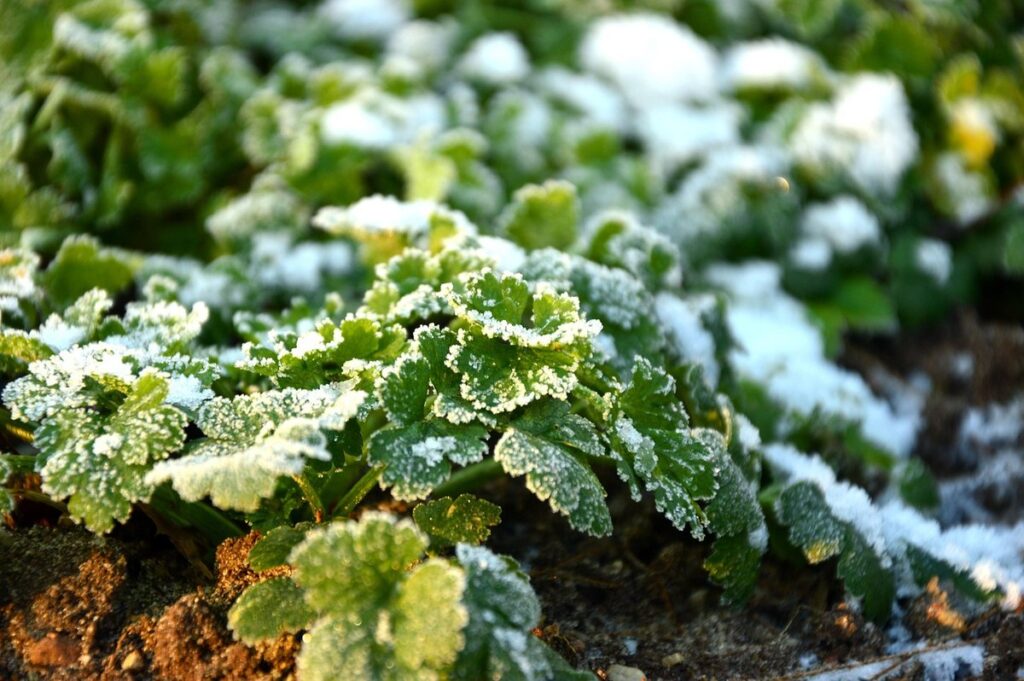
Assessing Damage and Feasibility
Now that you’ve assessed the damage, let’s dive into evaluating whether your frozen herbs are still usable, and if so, what steps to take next. We’ll explore the feasibility of salvaging them.
Checking for Freeze Damage Severity
When assessing the damage caused by freezing temperatures to your herb plants, it’s essential to determine the extent of the damage. This will help you decide whether the herbs are still usable or if they need to be discarded.
Start by inspecting the leaves, stems, and roots for signs of freeze damage. Blackened or discolored leaves may indicate that the plant has been affected by frost, while wilted or droopy stems suggest water within the plant’s cells has turned into ice, causing damage. If the roots have frozen, you may notice them turning a grayish-brown color.
Check for other visual signs of freeze damage, such as:
* Small, brittle twigs
* Discolored buds or flowers
* Soft, mushy stems
If you’ve identified freeze damage on any part of your herb plant, it’s crucial to evaluate the severity. Ask yourself these questions: Are the damaged areas affecting the entire plant, or are they isolated incidents? Can I trim off the damaged parts and still use the rest of the herb?
If you decide that a significant portion of your herb has been damaged, it may be more efficient to discard the whole plant rather than trying to salvage individual components.
Evaluating Herb Resilience
When evaluating the resilience of herbs to frost and freezing temperatures, it’s essential to know which types can withstand the damage. Hardy perennial herbs like rosemary and thyme are generally more resistant to cold snaps than annuals. These hardy herbs have adapted to survive winter conditions by going dormant or producing new growth from underground stems.
However, not all frost-damaged herbs are beyond redemption. If you inspect your plants carefully, you may find that some areas remain relatively unscathed. For example, if only the tips of rosemary branches froze, you can still harvest individual sprigs and trim back the damaged sections to promote new growth. Thyme, on the other hand, might require more drastic pruning to remove dead stems.
To determine which herbs are salvageable, gently examine each plant for signs of life. Look for green shoots, buds, or roots that show promise. If you’re unsure, it’s always better to err on the side of caution and discard the damaged herb to prevent contamination or the spread of disease.
Preparation for Re-Growth
Before attempting to salvage frozen herbs, it’s essential to prepare them properly to ensure you can still use them in cooking and gardening. This involves thawing and assessing their quality first.
Pruning and Trimming Frozen Herbs
When you notice that your herbs have frozen, it’s essential to take action promptly to revive them. One of the crucial steps is pruning and trimming the damaged areas to promote new growth. Begin by removing any dead or damaged leaves, stems, or flowers from the herb plant. This will prevent the spread of disease and encourage healthy regrowth.
Next, cut back the remaining growth to about one-third to half its original size. For example, if your rosemary bush is now more compact than usual after freezing, you can trim it back to a smaller shape but not removing too much foliage at once. Leave enough leaves for photosynthesis to occur and produce energy for new growth.
When cutting the herb plant, use clean, sharp tools to prevent spreading disease. Make cuts at a 45-degree angle just above a node (where a leaf meets the stem). This will help the herb plant recover quickly by allowing it to direct its energy towards producing new growth rather than trying to repair itself.
Creating a Conducive Environment
Creating an optimal environment is crucial for re-growth to occur. When your herb plants have frozen, it’s essential to provide them with the right conditions to recover. First and foremost, ensure they receive sufficient light. Most herbs require at least 4-6 hours of direct sunlight or 12-14 hours of indirect sunlight daily. If possible, move them to a sunny location or invest in grow lights.
Maintaining an optimal temperature is also vital. Herbs typically thrive in temperatures between 60°F and 80°F (15°C and 27°C). Keep your plants away from drafts and extreme temperature fluctuations. Monitor the temperature and adjust it as needed to prevent shock.
Moisture levels are equally important. Check the soil regularly, and only water when necessary. Overwatering can be detrimental to recovering herbs, while underwatering can cause stress. Aim for a balanced moisture level by allowing the top 1-2 inches of soil to dry out between waterings. This will help your herb plants recover from the shock of freezing temperatures.
Re-Growing Frosted Herbs
If some of your frosted herbs have survived, you can still re-grow them, and we’ll walk you through a simple process to do so. This way, you won’t waste any of that hard-earned foliage.
Techniques for Reviving Frozen Herbs
When faced with frozen herbs, it’s natural to wonder if there’s still hope for them. The good news is that many types of herbs can be revived using various techniques. One way to do this is by applying rooting hormone to the cut ends of the stems. This stimulates new growth and can help the herb regrow from scratch.
Another approach is propagating cuttings, which involves taking small sections of stem and root them in water or a potting mix. This method works well for herbs like mint, basil, and rosemary. To do this, simply snip off the desired section, remove lower leaves, and place it in water or a moistened potting mix.
Layering stems is yet another technique that can be employed to revive frozen herbs. This involves bending a stem down into the soil and securing it with a rock or U-shaped wire, allowing roots to develop along the buried portion. As new growth emerges from the buried section, you can gently tease it apart, creating new individual plants.
When attempting these techniques, make sure the herb is truly dead rather than just dormant due to frost damage.
Monitoring Progress and Adjustments
Monitoring progress is crucial when trying to revive frozen herbs. Keep an eye out for signs of recovery, such as new growth emerging from the soil line or a slight softening of the stems. This can take anywhere from a few days to a week or more, depending on the herb’s resilience and your care practices.
As you observe your re-growing herbs, be prepared to adjust their care accordingly. If new growth is slow to appear or appears weak, consider providing additional light or adjusting watering schedules. For instance, if your herbs were frozen due to excessive moisture, they may require more air circulation and less frequent watering upon recovery.
Common issues like fungal diseases or root rot can arise when trying to revive frozen herbs. Be on the lookout for yellowing leaves, black spots, or mushy stems – these are indicative of underlying problems that need attention. To troubleshoot, inspect your soil quality, ensure proper drainage, and consider using fungicides or repotting affected plants.
Keep in mind that some herbs are more resilient than others when it comes to re-growth. For example, mint and lemongrass tend to bounce back quickly, while delicate herbs like basil and parsley may require extra care. By monitoring your progress closely and making necessary adjustments, you can help your frozen herbs recover and thrive once again.
Storage and Handling
When it comes to salvaging herbs that have frozen, proper storage and handling are crucial to maintaining their quality. We’ll go over the essential steps to keep your preserved herbs fresh for a longer period.
Proper Storage Conditions for Frosted Herbs
When storing frosted herbs, it’s essential to maintain proper conditions to preserve their flavor and aroma. For short-term storage, typically up to 3 days, you can keep the herbs in a sealed plastic bag or container at room temperature (around 60°F to 70°F). However, for longer periods, usually up to a month, store them in the refrigerator.
In the fridge, place the herbs in a covered container and maintain a consistent temperature between 32°F and 40°F. Keep them away from direct sunlight, which can cause moisture buildup and lead to spoilage. For optimal results, keep the storage area’s humidity level below 60%.
When storing frozen herbs long-term (beyond a month), consider transferring them to an airtight container or freezer bag in the coldest part of your freezer (-18°C/0°F). This will slow down degradation and help retain their flavor. Remember to label the containers with the herb type and date, allowing you to monitor their freshness and use the oldest ones first.
Transportation and Handling Guidelines
When transporting frosted herbs from the garden to storage or a protected area, it’s essential to handle them with care. This is because frozen plants are more susceptible to damage and further degradation during transit.
To minimize potential losses, carefully lift the frozen herb plants by their roots rather than pulling them up by their stems. Gently brush off any debris or dirt from the leaves and stems using a soft-bristled brush. Avoid washing the herbs with water as this can cause additional damage.
Next, wrap each plant in a breathable material like paper towels or cloth to prevent moisture buildup. This will help keep the plants dry during transport. If you’re transporting multiple plants, place them in separate containers or bags to avoid crowding and potential bruising.
When storing frosted herbs, keep them in a cool, dry location with minimal light exposure. Avoid direct sunlight and heat sources as these can cause further damage.
Considerations for Specific Herb Types
When freezing hits certain herbs, their usability can vary greatly depending on the specific type. Let’s dive into some considerations for specific herb types to help you make the most of your preserved herbs.
Tender vs. Hardy Herbs
When it comes to re-growing herbs that have frozen in the garden, understanding whether you’re dealing with tender or hardy varieties is crucial. Tender herbs are typically those that come from warmer climates and prefer milder temperatures. Examples of tender herbs include basil, mint, rosemary, and lemongrass.
Hardy herbs, on the other hand, are more resilient to cold temperatures and can withstand frost. These include thyme, oregano, sage, and lavender. When it comes to re-growing frozen herbs, hardy varieties will generally have a better chance of recovery.
To re-grow tender herbs after they’ve been damaged by freezing temperatures, you’ll need to be patient and provide optimal growing conditions. This typically involves starting them from seed indoors in a warm location with plenty of light. Hardier herbs can often be revived by pruning back damaged areas and providing regular care and maintenance.
When it comes to harvesting frozen tender herbs, the best approach is often to let nature take its course. Remove any dead or dying leaves, then allow new growth to emerge before cutting or pruning the herb for use in cooking.
Special Care for Delicate Herbs
Delicate herbs like mint, basil, and cilantro are indeed more sensitive to frost damage than other types of herbs. When recovering from a freeze, these plants may require extra care to prevent further damage and ensure they bounce back quickly.
One key thing to note is that delicate herbs tend to be more prone to root rot due to their shallow roots and high water requirements. To minimize the risk of root rot, make sure not to overwater your frozen herbs as you’re trying to revive them. Check the soil moisture regularly, and only water when it feels dry to the touch.
Another crucial aspect is providing these herbs with a warm environment. Move them to a location that’s protected from harsh winds and receives direct sunlight for at least 4-6 hours a day. If possible, use grow lights or bring potted herbs indoors to give them an extra boost of warmth. By giving your delicate herbs the TLC they need, you should be able to nurse them back to health in no time.
Preventing Future Damage
To avoid similar damage next time, we’ll walk through some essential steps you can take now to prevent future frost-related problems with your herb garden.
Seasonal Plant Protection Strategies
To minimize damage from future freezing temperatures and ensure a bountiful harvest next season, implementing seasonal plant protection strategies is crucial. Mulching is an excellent starting point, as it helps insulate the soil, retain moisture, and regulate soil temperature. Apply a 2-3 inch layer of organic mulch around your herb plants in autumn to shield them from harsh winter conditions.
Another effective method is covering your plants with row covers or frost blankets during extreme cold snaps. These breathable fabrics allow light and water to reach your herbs while keeping frost at bay. Secure the covers tightly around the plant stems to prevent wind-driven snow from accumulating under the fabric.
When selecting herb varieties, opt for those labeled as ‘cold-hardy’ or ‘frost-tolerant’. Some popular options include hardy rosemary, thyme, and sage. These resilient herbs can withstand light frosts and recover quickly once temperatures rise. By incorporating these strategies into your garden routine, you’ll be better equipped to protect your herb plants from future damage and enjoy a thriving harvest next season.
Gardening Best Practices for Herb Growers
To minimize the risk of frost damage and ensure healthy herb growth, it’s essential to follow proper gardening best practices. When planting herbs, choose a location that receives adequate sunlight (most herbs require at least 4-6 hours of direct sunlight per day) and has well-draining soil. This will prevent waterlogged soil conditions that can exacerbate frost damage.
When preparing the soil for herb planting, mix in organic matter such as compost or well-rotted manure to improve its structure and fertility. Aim for a pH range between 6.0 and 7.0, as most herbs prefer slightly acidic to neutral soil conditions.
Regular maintenance tasks, including watering, pruning, and fertilizing, can also help prevent frost damage. Water your herbs regularly, but avoid overwatering, which can lead to root rot and other issues. Prune your herbs regularly to promote healthy growth and prevent them from becoming leggy. Finally, fertilize your herbs with a balanced fertilizer during the growing season to provide essential nutrients for optimal growth.
By following these gardening best practices, you’ll be well on your way to growing healthy, resilient herb plants that can withstand occasional frost events.
Frequently Asked Questions
Can I use frozen herbs immediately after thawing?
Yes, but be aware that the flavor and aroma might not be as intense due to the water content increase. Pat dry the herbs gently with a paper towel before using them to prevent excess moisture from affecting your dish.
What’s the best way to store reviving frozen herbs for long-term use?
Store them in an airtight container, such as a glass jar or plastic bag, and keep it away from direct sunlight and heat sources. For optimal flavor retention, label the container with the herb type and date harvested.
How can I differentiate between minor freeze damage and more severe damage that requires discarding?
Check for blackened or discolored leaves, wilted stems, and any signs of root damage. Minor damage often presents as minor browning or bruising, while severe damage may cause significant tissue death. Consider cutting off affected areas for usable parts.
Can I regrow frozen herbs multiple times from the same plant?
Some herb varieties, like mint and lemongrass, can be grown multiple times from the same plant using stem cuttings. However, most herbs will eventually decline in quality and quantity after repeated harvests. Consider propagating new plants for optimal flavor and resilience.
How do I prevent future damage to my herb garden during freezing temperatures?
Consider applying a layer of mulch or straw around the base of your plants to insulate them from extreme cold snaps. You can also use row covers or bring potted herbs indoors if possible, keeping them away from drafts and heat sources.