
Growing citrus trees in pots can be a fantastic way to bring a burst of sunshine into your home, even on cloudy days. With the right lighting setup, you can enjoy fresh lemons, limes, or oranges all year round. But what if you don’t have a bright windowsill or live in an area with limited natural light? Enter grow lights – a game-changer for indoor gardening enthusiasts.
In this article, we’ll explore how to choose the perfect citrus variety for your potted tree, set up a grow lighting system that will make your tree thrive, and troubleshoot common issues that might arise. We’ll cover everything from selecting the right LED grow light to adjusting the spectrum and intensity to ensure your citrus tree stays healthy and productive. By the end of this guide, you’ll be well on your way to growing thriving citrus trees in pots using grow lights.
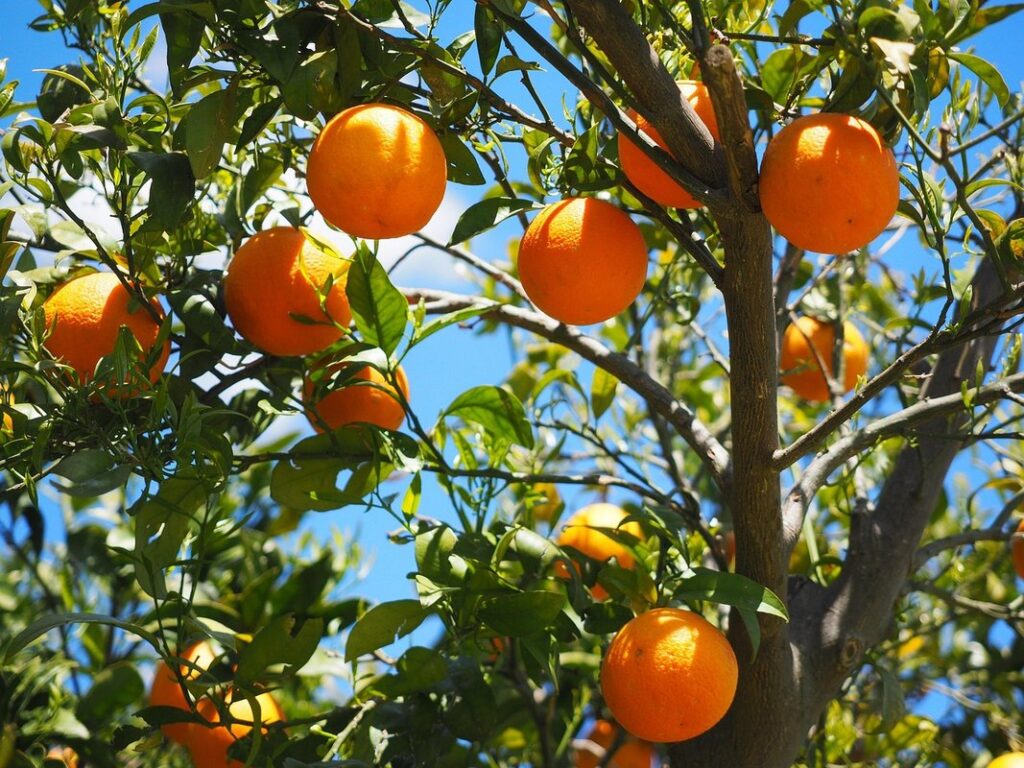
Choosing the Right Citrus Variety
When selecting a citrus variety for your indoor grow lights, consider factors such as climate tolerance and desired fruit characteristics to ensure success. This will help you choose a tree that thrives in your specific conditions.
Benefits of Dwarf or Compact Varieties
Growing dwarf or compact citrus varieties can be a game-changer for small-space gardeners and those who want low-maintenance potted trees. These compact plants are perfect for growing under grow lights, as they require less space and nutrients to produce a bountiful harvest.
One of the biggest advantages of choosing a dwarf or compact citrus variety is its space-saving nature. With standard citrus trees reaching heights of 10-20 feet, it’s no wonder that many gardeners feel intimidated by their size. But with dwarf varieties like ‘Dwarf Washington’ navel oranges or ‘Dwarf Meyer’ lemons, you can enjoy the same delicious flavor and fragrance in a compact package that fits perfectly on a windowsill or balcony.
Another benefit of growing compact citrus trees is their ease of maintenance. They require less pruning and training to keep them bushy and productive, making them ideal for busy gardeners who don’t have a lot of time to devote to their plants. Plus, they tend to be more resistant to pests and diseases, which means you’ll spend less time fighting off unwanted critters and more time enjoying the fruits of your labor!
Popular Dwarf Citrus Varieties for Indoor Growing
When it comes to growing citrus trees indoors under grow lights, selecting the right variety is crucial for success. Fortunately, there are several popular dwarf citrus varieties that thrive in containers and can tolerate indoor conditions. Here are a few of our favorites:
* Dwarf Washington Navel Orange: This compact tree produces delicious, seedless oranges that are perfect for snacking or juicing. It grows up to 6-8 feet tall and is relatively easy to care for.
* Dwarf Meyer Lemon: With its sweet, flavorful fruit and small size (around 3-4 feet tall), the Dwarf Meyer Lemon is an excellent choice for indoor growing. Its ability to tolerate cooler temperatures makes it a great option for kitchens with limited space.
* Dwarf Satsuma Mandarin: This dwarf citrus tree produces sweet, seedless mandarins that are ready to eat in as little as 6-8 months after planting. It grows up to 4-5 feet tall and requires minimal pruning.
When choosing a dwarf citrus variety, consider factors such as mature size, growth rate, and fruit production. Be sure to check the specific growing requirements for your chosen variety to ensure you’re providing it with the best conditions for success.
Factors to Consider When Selecting a Citrus Variety
When selecting a citrus variety for potted growth with grow lights, several key factors come into play. First and foremost, consider the climate where you plan to keep your tree. If you live in an area with cold winters or limited sunlight during winter months, choose a dwarf or compact variety that can thrive indoors year-round. For example, ‘Dwarf Washington’ navel oranges are well-suited for indoor growth and produce fruit regularly.
Next, think about pest resistance – some citrus varieties are more susceptible to pests like aphids and mealybugs than others. Look for varieties with built-in resistance or natural tolerance to these pests, such as ‘Meyer’ lemons or ‘Satsuma’ mandarins. Additionally, consider the flavor profile you desire: sweet and tangy, sour or tart? ‘Blood’ oranges, for instance, have a unique flavor that many growers adore.
Ultimately, your choice of citrus variety will impact the success of your potted tree with grow lights. Take these factors into account to ensure you choose a variety that meets your needs and thrives in its environment.
Setting Up Your Grow Light System
To ensure a thriving citrus tree, it’s crucial you set up your grow light system correctly to provide the right balance of light for optimal growth and fruit production. This section will walk you through the essential steps to get started.
Understanding the Basics of Grow Lighting for Citrus Trees
Adequate light is crucial for citrus tree growth, and grow lighting systems are designed to provide the necessary spectrum and intensity. Grow lights work by emitting specific wavelengths of light that stimulate photosynthesis, promoting healthy plant development.
When selecting a grow lighting system for citrus trees, it’s essential to understand the basics. Most commercial growers use LED or HPS (High Pressure Sodium) grow lights, which offer adjustable spectra tailored for specific growth stages. For example, blue-rich LEDs promote vegetative growth, while red-rich LEDs stimulate flowering and fruiting.
In addition to spectrum control, intensity is also critical. Citrus trees require a minimum of 20-30 watts per square foot to thrive. Using a grow light calculator can help determine the optimal lighting setup for your specific tree size and desired outcome.
Remember that citrus trees need more intense light than other houseplants due to their tropical origin. Be sure to place the grow lights at least 12 inches above the tree to prevent burning, and adjust the height as needed during growth stages.
Types of Grow Lights Suitable for Citrus Potted Trees
When it comes to choosing the right grow light for your citrus potted tree, you have several options to consider. LED (Light Emitting Diode) lights are a popular choice among growers due to their energy efficiency and long lifespan. They emit minimal heat, making them ideal for indoor growing conditions. LED lights also offer adjustable spectrum control, allowing you to tailor the light output to your citrus tree’s specific needs.
HPS (High Pressure Sodium) lights are another option, but they tend to produce more heat than LED lights. However, HPS lights can be beneficial in certain situations – for example, when you need to promote fruiting and flowering in your citrus tree. It’s essential to note that HPS lights require proper ventilation to prevent overheating.
Fluorescent lighting is another type of grow light suitable for citrus potted trees. T5 and T8 fluorescent lights are popular choices due to their compact size and energy efficiency. They provide a broad spectrum of light, which is beneficial for promoting healthy growth in citrus trees. However, keep in mind that fluorescent lights may not be as intense as other options, so you may need to use multiple units or adjust the lighting schedule accordingly.
Calculating the Right Amount of Light for Your Citrus Tree
When it comes to determining the right amount of light for your citrus tree, several factors come into play. The size of your tree is a crucial consideration – larger trees require more light to support their growth and development. For example, a mature dwarf Washington navel orange tree can grow up to 6 feet tall and requires around 20-30 watts of LED lighting per square foot.
On the other hand, if you’re aiming for rapid growth, you’ll need to provide even more light. A good rule of thumb is to increase the lighting by 5-10% for every month’s worth of desired growth acceleration. For instance, if your tree needs a boost of three months’ worth of growth, you would add an additional 15-30 watts of LED lighting.
In general, citrus trees require a minimum of 12 hours of direct light exposure per day to thrive. However, the quality and intensity of the light also matter – look for grow lights with a high PAR (photosynthetic active radiation) value to promote healthy growth and fruit production.
Planting and Caring for Your Citrus Potted Tree
To ensure your citrus potted tree thrives, you’ll want to focus on proper planting techniques and regular care practices that promote healthy growth and fruiting under grow lights.
Potting Mix and Container Requirements
When it comes to growing citrus potted trees, selecting the right potting mix and container is crucial for their overall health and growth. A good quality potting mix should have excellent drainage properties to prevent waterlogged soil, which can be detrimental to citrus trees.
Look for a mix specifically designed for containers or tropical plants, as these typically contain ingredients like perlite or vermiculite that improve drainage. Avoid using regular garden soil, as it can compact and prevent proper water flow. A general rule of thumb is to use a mix with a high organic matter content (around 20-30%) to provide nutrients and retain moisture.
In terms of container size, citrus trees prefer room to grow their roots. A minimum pot diameter of 12-14 inches is recommended for young trees, while larger varieties can tolerate smaller pots. Make sure the container has drainage holes in the bottom to prevent water accumulation. If using a self-watering planter or a pot with built-in water reservoirs, ensure it’s designed for citrus trees and has sufficient air circulation.
When repotting your citrus tree, gently remove any old potting mix from the roots and trim back any circling or tangled roots to promote healthy growth. Use fresh potting mix that meets the requirements mentioned above and plant your tree at the same depth as before. Water thoroughly after repotting and monitor your tree’s response to its new environment.
Watering and Fertilization Schedule
When growing citrus potted trees under grow lights, it’s crucial to establish a consistent watering and fertilization schedule. Over-watering can be detrimental to the tree’s health, while under-fertilizing may hinder its growth potential.
Water your citrus potted tree when the top 1-2 inches of soil feels dry to the touch. This is usually every 4-7 days in warm temperatures (above 65°F) and more frequently in cooler conditions. Keep an eye on the leaves; if they start to wilt or turn yellow, it’s time for a drink.
For fertilization, use a balanced citrus fertilizer with a ratio of 10-10-10 NPK. Apply according to the manufacturer’s instructions, usually once a month during the growing season (spring and summer). You can also repot your tree every year in the spring using a mix specifically designed for citrus trees, which often contains added fertilizers.
Monitor your tree’s response to these schedules and adjust as needed. Keep in mind that grow lights may increase water evaporation rates due to artificial light intensity. By maintaining a balanced watering and fertilization schedule, you’ll give your citrus potted tree the best chance to thrive under grow lights.
Pruning and Training Your Citrus Tree
Pruning and training are crucial for citrus tree growth when grown with grow lights. This process not only helps maintain a healthy shape but also promotes better air circulation, which is vital for preventing diseases that can thrive in the confines of indoor spaces.
To prune your citrus tree effectively, start by removing any dead or diseased branches. Cut them off at a 45-degree angle, making clean cuts just above a leaf node. This will encourage new growth and prevent water from collecting on the cut ends.
Use loppers for thicker branches and pruning shears for smaller ones. Don’t over-prune; citrus trees need some foliage to produce their fruit. Remove about one-third of the tree’s height each year to control its size. Regularly prune your tree to maintain a balanced shape, encouraging horizontal growth.
Training involves providing support as the tree grows. Use a trellis or stake to keep it upright and prevent damage from overgrowth. Prune in spring after new growth appears, allowing your citrus tree to grow strong and healthy under the care of grow lights.
Monitoring and Adjusting Your Grow System
Now that you’ve got your citrus tree thriving under grow lights, it’s time to fine-tune its care by learning how to monitor and adjust its needs. This is where precision and patience come into play.
Monitoring Temperature and Humidity Levels
Monitoring temperature and humidity levels is crucial for optimal growth of citrus potted trees under grow lights. Temperature fluctuations can stress the tree, while inconsistent humidity levels can lead to pests or diseases. To monitor temperature, you’ll need a thermometer that can be placed near the growing area. Aim for a daytime temperature between 65-75°F (18-24°C) and nighttime temperatures around 55-65°F (13-18°C).
For humidity control, use a hygrometer to measure the moisture levels in your grow space. Ideally, maintain a relative humidity of 40-60%. You can increase humidity by placing the pot on a tray filled with water and pebbles or using a humidifier. On the other hand, reduce humidity by improving air circulation or using a dehumidifier.
Regularly check these levels to adjust your setup as needed. For example, if you notice leaves are scorched due to high temperatures, move the tree away from the grow lights or lower their intensity. Similarly, if the air feels too dry, increase the humidity levels to prevent pest issues.
Checking pH and Nutrient Levels
Regularly checking and adjusting pH and nutrient levels is crucial for the health and productivity of your citrus potted trees. Grow lights can sometimes lead to nutrient deficiencies due to the intense lighting, which can cause an overabundance of certain nutrients while leaving others lacking.
To check the pH level, you’ll need a soil testing kit or send a sample to a lab for analysis. The ideal pH range for most citrus varieties is between 6.0 and 7.0. If your pH reading is off, adjust it accordingly by adding lime to raise the pH or sulfur to lower it.
When checking nutrient levels, look for signs of deficiencies such as yellowing leaves or slow growth. A well-balanced fertilizer specifically formulated for citrus trees will provide essential micronutrients like iron, magnesium, and zinc. Follow the manufacturer’s instructions and adjust your fertilization schedule based on your tree’s response. Be mindful that grow lights can intensify nutrient demands, so it may be necessary to apply more frequent feedings or use a high-phosphorus fertilizer during blooming periods. Monitor your tree’s health closely and make adjustments as needed to ensure optimal growth and fruit production.
Adapting to Seasonal Changes and Growth Cycles
As you grow your citrus potted tree under artificial light, it’s essential to adapt to seasonal changes and growth cycles. During different times of the year, plants undergo varying levels of growth, which affects their nutrient requirements and light tolerance.
In spring and summer, when days are longer, adjust your light schedule to promote healthy growth. Increase the duration of light exposure by 1-2 hours, but avoid over-lighting, which can lead to scorching or bleaching of leaves. Fertilize more frequently during this period, focusing on balanced N-P-K ratios (20-20-20) to support leaf and fruit development.
In autumn and winter, when days are shorter, reduce light exposure by 1-2 hours to prevent over-lighting. Lower the temperature in your grow space to around 50°F (10°C), as citrus trees prefer cooler conditions during dormancy. Fertilize less frequently during this period, using a bloom-enhancing formula (15-30-15) to promote flower and fruit set.
Monitor your tree’s growth closely and adjust these schedules accordingly to ensure optimal performance. By adapting to seasonal changes and growth cycles, you’ll encourage healthy growth, robust fruiting, and overall thriving of your citrus potted tree under grow lights.
Troubleshooting Common Issues with Citrus Potted Trees Under Grow Lights
Don’t worry if things don’t go as planned right away – we’ll walk you through common issues like inadequate light, pests, and nutrient deficiencies that can affect your citrus potted tree under grow lights.
Identifying Common Problems and Their Causes
When growing citrus potted trees under grow lights, you may encounter some common problems that can be frustrating and impact the health of your tree. Let’s identify these issues and their potential causes so we can take corrective action.
One common problem is leaf drop or yellowing leaves. This could be due to over-watering, which leads to root rot and nutrient deficiencies. Alternatively, it might be a result of insufficient light, causing photosynthesis to slow down and the tree to become stressed. Make sure you’re not overwatering by checking the soil moisture regularly.
Another issue is poor fruit production or no fruit at all. This could be caused by inadequate pollination, especially if your tree is self-incompatible. It may also result from insufficient light hours, which affects flower formation and fruit growth. Consider using a photoperiodic timer to provide a longer day length during the winter months.
In addition, some growers experience pests like spider mites or mealybugs under grow lights. This might be due to the tree’s susceptibility to these pests when exposed to warmer temperatures and high humidity. Regularly inspect your tree for any signs of infestation and use organic pest control methods whenever possible.
Solutions for Addressing Lighting-Related Issues
If you notice that your citrus potted tree is not producing fruit or showing signs of nutrient deficiency under grow lights, it may be due to inadequate lighting. To address this issue, consider increasing the duration of light exposure by 1-2 hours or upgrading to a more powerful LED grow light specifically designed for citrus trees. On the other hand, if your tree is displaying scorch marks or yellowing leaves, over-lighting might be the culprit.
To avoid over-lighting, ensure you’re not exceeding the recommended lumens per watt (LPW) for citrus trees, which typically ranges between 20-50 LPW. You can also experiment with adjusting the distance between your grow light and tree to find the optimal balance. Keep in mind that different stages of growth require varying levels of lighting, so research the specific needs for each phase.
Some growers have reported success by supplementing their grow lights with natural light during the winter months or when possible.
Solutions for Soil-Related Issues
When growing citrus potted trees under grow lights, it’s not uncommon to encounter soil-related issues. These problems can range from nutrient deficiencies to pH imbalances, which can significantly impact the health and productivity of your tree.
One common issue is nutrient deficiency, particularly nitrogen, iron, or magnesium. To address this, ensure you’re using a well-balanced citrus-specific fertilizer that contains these essential nutrients. A good rule of thumb is to fertilize every 4-6 weeks during the growing season, adjusting the frequency based on your tree’s specific needs.
Another issue is pH imbalance. Citrus trees prefer a slightly acidic soil pH between 5.5 and 6.5. If your pH is too high or too low, it can lead to nutrient deficiencies or even plant death. To check your pH, use a soil testing kit, which you can purchase at most gardening stores.
Regular monitoring of your tree’s health, as well as maintaining good soil structure through proper watering and repotting, will help prevent many common issues. By staying vigilant and making adjustments as needed, you’ll be able to provide the optimal growing conditions for your citrus potted trees under grow lights.
Frequently Asked Questions
Can I use grow lights with citrus trees that have already been established outdoors?
Yes, you can transition your citrus tree to a potted setup under grow lights, but it’s essential to gradually acclimate the tree to indoor conditions and artificial lighting. This will help prevent shock and ensure a smooth adjustment.
How often should I replace the water in my citrus potted tree’s reservoir with hydroponic systems?
Check the water level regularly and change the nutrient-rich solution every 1-2 weeks, depending on the tree’s growth rate and the manufacturer’s recommendations for your specific system. This will maintain optimal nutrient levels and prevent root burn.
What if I live in an area with extremely low humidity – how can I ensure my citrus tree thrives?
In areas with low humidity, consider using a humidifier to maintain a humidity level between 40-60%. You can also place the pot on a tray filled with water and pebbles or use a self-watering planter to reduce evaporation.
Can I combine different types of grow lights for my citrus tree?
While it’s technically possible, combining multiple light sources can be challenging. Stick to one type of light (e.g., LED) and consider using supplemental lights like fluorescent or HPS lights only if you’re experienced with their unique characteristics and requirements.
How long does it take for a dwarf citrus tree to produce fruit under grow lights?
The time frame depends on factors such as the tree’s variety, growth conditions, and light quality. Generally, dwarf citrus trees can start producing fruit within 6-12 months after being placed under optimal grow lighting conditions, but some varieties may take up to two years.