
If you’re like many gardeners, you’ve probably fallen in love with hostas for their beautiful foliage and stunning blooms. However, these lovely plants can quickly become a target for hungry rabbits seeking to make a meal out of your flowers. Not only is rabbit damage frustrating, but it can also be costly to replace or repair.
In this article, we’ll share expert advice on how to protect your hostas from rabbit damage using effective repellents and physical barriers. You’ll learn about integrated pest management strategies that combine multiple approaches to keep rabbits at bay. With these tips, you can enjoy your hostas without the hassle of frequent pruning or replacements. By the end of this guide, you’ll be well-equipped to safeguard your plants against those pesky rabbits and preserve their beauty for years to come.
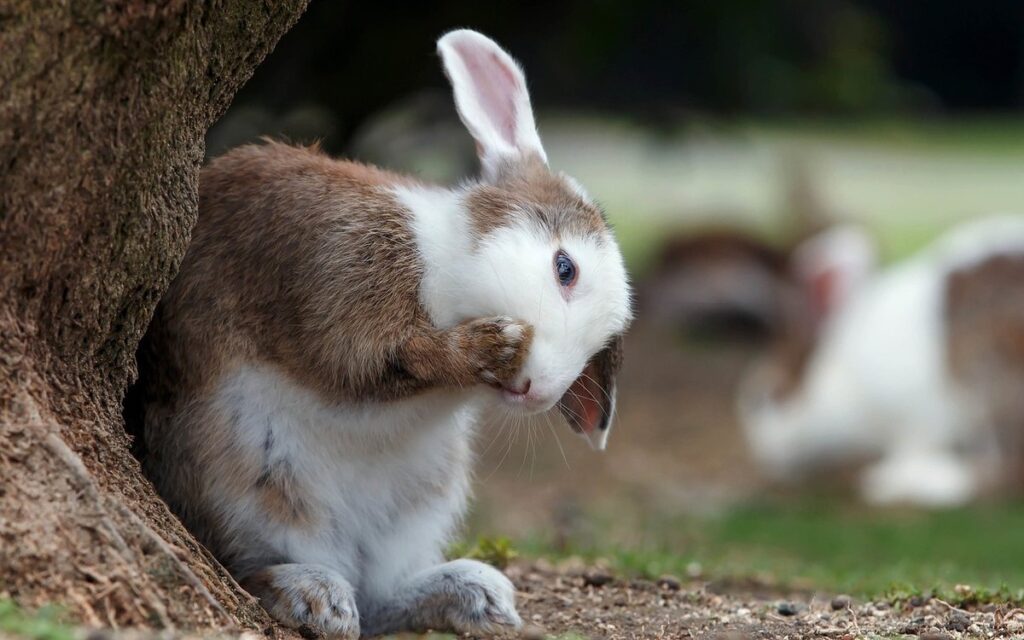
Understanding Rabbit Behavior and Hosta Attraction
To effectively deter rabbits from eating your hostas, it’s essential to understand their behavior patterns and why they’re attracted to these beautiful flowers in the first place.
Why Do Rabbits Eat Hosta Flowers?
Rabbits are notorious for their love of hosta flowers, and it’s not hard to see why. Hostas are rich in nutrients that rabbits crave, making them a prime target for these furry critters. One reason rabbits are drawn to hosta flowers is their high water content, which provides them with the hydration they need to stay healthy. Additionally, hostas contain essential amino acids like protein and fiber, which are vital for rabbit growth and development.
The palatability of hosta flowers also plays a significant role in their appeal to rabbits. The soft, delicate petals and sweet fragrance of hosta blooms make them irresistible to rabbits. In fact, many gardeners have reported that the mere presence of hostas in their garden is enough to attract rabbits. To deter rabbits from eating your hosta flowers, try growing varieties with thicker, more bitter leaves or using physical barriers like copper tape or fencing around your plants.
In areas where rabbits are common, it’s not uncommon for them to feed on entire beds of hostas overnight. This can be devastating for gardeners who’ve carefully cultivated these beautiful perennials. By understanding the reasons behind rabbit attraction to hosta flowers, you can take proactive steps to protect your plants and enjoy their beauty without worrying about bunny raids.
Identifying Rabbits in Your Garden
Identifying rabbits in your garden can be a challenge, but there are several signs to look out for. One of the most obvious indicators is digging. Rabbits love to burrow and dig, so if you notice holes or trenches in your soil, it could be a sign that they’re present. Check for small mounds of dirt or scattered leaves near these areas as they often use them as hiding spots.
Another giveaway is nibbling on plants. Rabbits are notorious herbivores, and hostas are one of their favorite treats. Inspect your hosta foliage for chew marks, missing leaves, or shredded petals. If you notice any damage, it’s likely that rabbits are feeding on them.
Rabbit droppings can also be an indicator of their presence. They’re small, rounded pellets about 1/4 inch long and usually brown in color. Look for clusters of these droppings near your hostas or other favorite plants. Keep in mind that rabbits often return to the same areas to feed, so if you notice damage or droppings, it’s likely they’ll be back soon.
If you’re still unsure about rabbit presence, consider observing your garden at dawn and dusk when rabbits are most active.
Choosing Rabbit-Resistant Hostas
When selecting hostas, consider looking for varieties that are naturally less appealing to rabbits, such as ‘Stella de Oro’ and ‘August Moon’. These plants may provide a better chance of deterring rabbit damage.
Breeds of Hostas Resistant to Rabbit Damage
When it comes to choosing rabbit-resistant hostas, some breeds stand out for their ability to deter these pesky critters. One such breed is ‘Blue Mouse Ears’, a compact and adorable hosta that grows to be around 6-8 inches tall. This variety’s smaller size makes it less appealing to rabbits, who tend to prefer larger leaves.
Another breed worth considering is ‘Stiletto’, known for its narrow, elongated leaves that are less likely to be nibbled on by rabbits. Growing up to 18 inches tall, ‘Stiletto’ is a great option for gardeners looking to add some vertical interest to their landscape.
Other breeds like ‘Sum and Substance’, ‘Krossa Regal’, and ‘Great Expectations’ have also been known to withstand rabbit attacks. These varieties tend to have thicker leaves or more robust growth habits, making them less palatable to rabbits. When selecting a breed, consider the mature size of the plant as well as its leaf shape and texture – smaller, thicker leaves may be less appealing to rabbits. By choosing one of these breeds, you’ll be taking a significant step in protecting your hostas from rabbit damage.
Selecting Hostas with Unappealing Characteristics
When it comes to selecting hosta varieties that rabbits tend to avoid, you might be surprised to learn that some unappealing characteristics can actually do the trick. Certain hostas have intense colors or strong scents that deter rabbits from eating them.
For instance, some hostas with bright yellow or orange foliage may repel rabbits due to their bold coloration. These vibrant hues can be off-putting for rabbits, which tend to prefer milder flavors and less showy appearances. Consider planting varieties like ‘Blue Mouse Ears’ or ‘Krossa Regal’, both of which boast striking yellow-green leaves that seem to warn away rabbit visitors.
Another option is hostas with strong scents. Some varieties emit a pungent aroma that rabbits dislike, making them an excellent choice for those looking to deter bunny munching. Examples include ‘Francee’ and ‘Stiletto’, which have distinctively fragrant leaves that repel rabbits. By incorporating these unappealing features into your hosta selection, you can create a rabbit-resistant garden that keeps those pesky critters at bay.
Repellent Methods for Deterrents
If you’re looking for a more long-term solution, repellent methods can be an effective way to deter rabbits from eating your hosta flowers. Let’s explore some of these non-toxic options together.
Homemade Rabbit Repellents Using Natural Ingredients
When it comes to protecting your hostas from rabbit damage, using homemade repellents made from natural ingredients is a great option. Not only are these recipes easy to make, but they’re also environmentally friendly and safe for use around pets and children.
One of the most effective DIY repellent recipes involves mixing crushed garlic with hot peppers and water. The strong smell of garlic repels rabbits, while the heat of the peppers deters them from returning. To make this mixture, simply combine 3 cloves of minced garlic with 1-2 diced hot peppers in a spray bottle filled with 1 quart of water. Shake well and spray around your hostas to keep rabbits away.
Another natural ingredient you can use to repel rabbits is predator urine. Yes, you read that right – the scent of a predator’s urine can be enough to scare rabbits off! You can purchase dried or concentrated predator urine at most gardening stores or online. Simply mix it with water according to the instructions and spray around your hostas.
You can also try making a repellent using soap and hot peppers. Mix 1 tablespoon of dish soap with 2-3 diced hot peppers in a spray bottle filled with 1 quart of water. Shake well and spray around your hostas to keep rabbits away. Remember to reapply these homemade repellents regularly, especially after rain or watering, to maintain their effectiveness.
Commercial Repellents and Sprays
Commercial repellents and sprays are readily available on the market to help deter rabbits from eating hosta flowers. These products usually contain ingredients that are unpleasant for rabbits, such as citronella, lemongrass, or hot pepper extracts. When choosing a commercial repellent, consider the active ingredients, their concentration, and the product’s duration of effect.
Some popular commercial products include sprays containing capsaicin, which is the active ingredient in chili peppers. These sprays work by irritating the rabbit’s sensitive nose and mouth, causing them to associate hostas with discomfort. Another option is garlic-based repellents, which release a strong scent that deters rabbits from approaching hostas.
When using commercial products, be sure to follow the manufacturer’s instructions for application rates and frequency of use. It’s also essential to reapply these products regularly, as their effectiveness can diminish over time. Additionally, consider combining commercial repellents with other deterrent methods, such as physical barriers or plant selection, for enhanced protection against rabbit damage.
Physical Barriers for Protection
If you’ve tried everything else and still can’t seem to save your hostas, it’s time to consider physical barriers to keep rabbits at bay. Let’s explore some creative ways to protect your plants.
Fencing Your Hostas with Rabbit-Proof Materials
When it comes to protecting your hostas from rabbits, using sturdy fencing materials is a crucial step. Rabbits are notorious for their ability to chew through thin wires and fragile fences, so you’ll want to opt for something more substantial.
Consider using chicken wire or hardware cloth with openings of 1 inch or smaller to prevent even the smallest rabbit from squeezing through. These materials can be wrapped around individual plants or used to create a larger enclosure. Make sure to bury the fencing material at least 12 inches underground to prevent rabbits from burrowing underneath it.
To add extra security, you can also line your fence with a layer of chicken wire or plastic mesh with openings smaller than 1 inch. This will make it even more difficult for rabbits to chew through the main fencing material.
Using Copper or Other Unpalatable Materials
When it comes to protecting your hostas from rabbits, physical barriers can be an effective and humane solution. Copper and other unpalatable materials can be used to discourage rabbits from nibbling on your prized plants. These materials are often associated with unpleasant tastes or odors that deter rabbits from approaching them.
Copper is a popular choice for repelling rabbits due to its natural properties. Rabbits tend to avoid copper as it has a strong, unpleasant taste and smell when ingested. You can use copper mesh or foil to cover your hostas, making sure to wrap it tightly around the stems to prevent any gaps. Another option is to use copper-coated stakes or clips to secure the leaves without harming them.
Other unpalatable materials you can consider include hot pepper sprays or powders, which contain capsaicin, a natural irritant that deters rabbits from feeding on plants. You can also try using sharp materials like chicken wire or mesh with small openings to make it difficult for rabbits to access the leaves. Remember to place these barriers at least 12 inches away from your hostas to prevent any damage or discomfort to the plants themselves.
Integrated Pest Management (IPM) Strategies
To effectively stop rabbits from eating your hostas, let’s explore some practical integrated pest management strategies that will help you safeguard your plants naturally.
Combining Repellents with Physical Barriers for Maximum Effectiveness
When it comes to protecting your hostas from rabbit damage, combining repellents with physical barriers can be a game-changer. By using multiple methods together, you can create a powerful deterrent that rabbits find difficult to overcome.
Start by choosing a repellent method that works well for your garden. You can use commercial sprays or granules containing capsaicin, citronella, or other unpleasant tastes and smells for rabbits. Alternatively, try making your own homemade repellents using hot peppers, garlic, or soap. Apply the repellent regularly to keep the scent strong and unpleasant for the rabbits.
In addition to repellents, physical barriers can also be effective in preventing rabbit damage. Install a fence around your hostas at least 3 feet high, with the mesh size small enough (about 1 inch) to prevent rabbits from squeezing through. You can also use individual plant covers or row covers to protect specific plants.
By combining these methods, you’ll create a multi-layered defense system that makes it hard for rabbits to even think about eating your hostas. It’s a simple yet effective approach that has been shown to be highly successful in many gardens.
Monitoring and Adjusting Your Strategy
As you implement your IPM strategy, it’s essential to regularly monitor your garden for signs of rabbit activity. Check your hostas daily, especially during peak feeding seasons, which usually occur at dawn and dusk when rabbits are most active. Look for nibbled leaves, stems, or flower buds – if you notice any damage, take immediate action.
Keep a record of the dates and times you observe rabbit activity to track their behavior patterns. This information will help you adjust your strategy as needed. For instance, if you find that rabbits are targeting specific hostas more frequently than others, consider relocating those plants to a safer area or increasing protection measures around them.
Regular monitoring also allows you to evaluate the effectiveness of your deterrents. If you’ve installed repellents, such as hot pepper sprays or motion-activated sprinklers, check if they’re still working effectively. Make adjustments as necessary to ensure maximum protection for your hostas. By being proactive and adaptable, you can stay one step ahead of these pesky critters and enjoy a rabbit-free garden.
Frequently Asked Questions
How Do I Know If My Rabbit Repellent is Working Effectively?
If you’ve set up a repellent system, it’s essential to monitor its effectiveness over time. Check for signs of rabbit damage, such as nibbled leaves or flowers, and inspect the area regularly. Additionally, keep an eye out for any rabbits that might be visiting your garden. If you notice they’re still getting close to your hostas, adjust or combine your repellent methods.
What Are Some Common Rabbit-Proof Materials I Can Use to Fence My Hostas?
For a physical barrier approach, consider using materials like chicken wire, hardware cloth, or even burlap to protect your hostas. These can be wrapped around the plants or attached to fencing posts to prevent rabbits from accessing them. Just ensure that any materials you choose are securely fastened and won’t easily collapse under rabbit pressure.
Can I Use a Combination of Repellents and Physical Barriers for Maximum Effectiveness?
Absolutely! In fact, integrating multiple approaches can help maximize your hosta protection. By combining repellents with physical barriers or using different types of deterrents together, you can create an even more formidable defense against rabbits. This multi-faceted approach will help prevent rabbits from adapting to any single method and ensure they stay away from your beautiful hostas.
How Often Should I Reapply Homemade Rabbit Repellents?
When making your own repellents using natural ingredients like hot peppers or garlic, it’s crucial to reapply regularly to maintain their potency. Since these homemade deterrents can lose effectiveness over time, reapply them every 1-2 weeks, depending on the ingredient and environmental conditions in your garden.
Will Rabbits Get Used to a Commercial Repellent Over Time?
While commercial repellents can be effective, it’s not uncommon for rabbits to become accustomed to certain scents or smells. To mitigate this risk, rotate through different types of deterrents, either by switching brands or trying homemade alternatives. This will keep your garden protection fresh and unpredictable for those pesky rabbits.