
If you’re thinking of planting an apple tree in your backyard, one of the first things that might come to mind is how long it’ll take for it to start producing delicious fruit. Apple trees are a popular choice among gardeners and homeowners alike, but understanding their fruiting cycle can be a bit tricky.
The good news is that with proper care and attention, an apple tree can start bearing fruit within just a few years of planting. However, the actual number of years it takes for your tree to produce its first apples depends on several factors, including the specific variety, growing conditions, and pruning techniques used.
In this article, we’ll dive into the world of apple trees and explore how many years you can expect them to produce fruit. We’ll also share essential tips on maximizing their productivity, including the best pruning methods, nutrient management, and environmental considerations. Whether you’re a seasoned gardener or just starting out, this guide will help you get the most out of your apple tree investment.
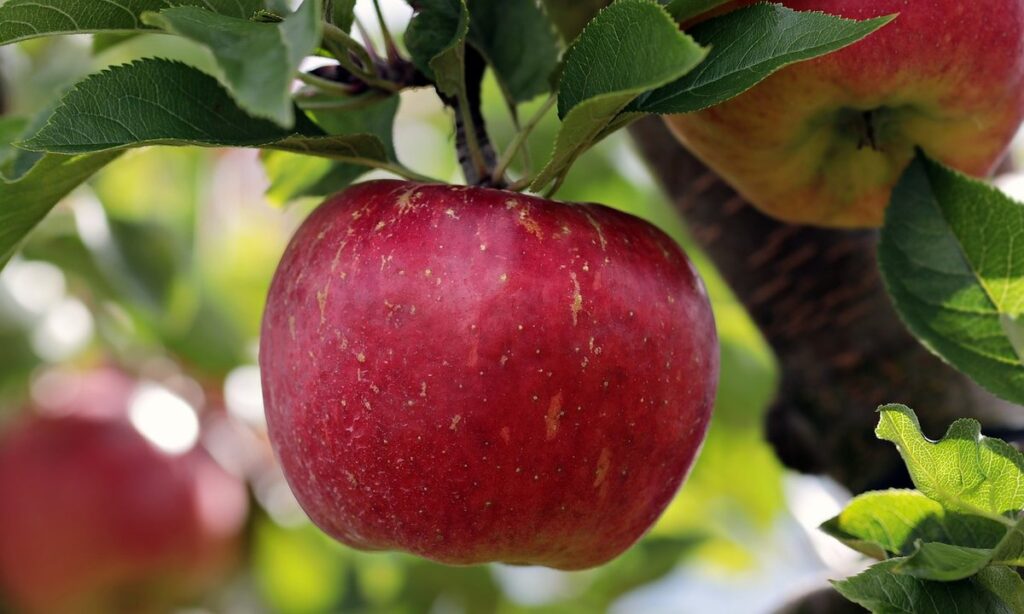
Understanding Apple Tree Productivity
To maximize your apple tree’s potential, it’s essential to understand how many years they produce fruit and what factors influence their productivity. Let’s dive into the specifics of apple tree productivity.
Factors Affecting Fruit Production
The productivity of an apple tree is heavily influenced by various factors that must be considered for optimal fruit production. Climate plays a significant role, with temperature fluctuations affecting the tree’s ability to produce fruit. For instance, temperatures below 40°F can damage blossoms and subsequently impact fruit set. Conversely, excessive heat above 90°F can lead to sunscald and reduced yields.
Soil quality is another critical factor. Apple trees thrive in well-draining, fertile soil with a pH between 6.0 and 7.0. The addition of organic matter such as compost or manure can improve soil structure and fertility. Watering habits also impact fruit production, with consistent moisture levels essential during the first year after planting.
Proper pruning techniques are crucial for maintaining tree health and promoting fruit growth. Pruning at the right time (usually late winter or early spring) helps control disease, encourages new growth, and optimizes fruiting branches. Regular pruning practices can increase yields by up to 30% in mature trees.
Average Lifespan of an Apple Tree
The average lifespan of an apple tree is a crucial factor to consider when determining its fruit production capabilities. Apple trees can live anywhere from 50 to 100 years or more, depending on the specific variety and growing conditions. For example, some heirloom varieties like the ‘Esopus Spitzenburg’ can produce fruit for up to 200 years.
However, most commercial apple tree varieties have a relatively shorter lifespan of around 20-30 years before their productivity starts to decline. This is because they are bred for high yields and disease resistance rather than longevity. Factors such as climate, soil quality, pruning practices, and pest management can also impact an apple tree’s lifespan.
To maximize the fruit production potential of your apple tree, it’s essential to choose a variety that suits your specific climate and growing conditions. Regular maintenance, including pruning and fertilization, can also help extend the tree’s lifespan and ensure consistent yields. By understanding the average lifespan of an apple tree, you can plan for its long-term productivity and make informed decisions about its care.
Types of Apple Trees: Variations in Productivity
Not all apple trees are created equal when it comes to productivity, and understanding these variations can help you plan for a bountiful harvest. Let’s explore some of the main types of apple trees that differ in their fruiting capabilities.
Dwarf, Semi-Dwarf, and Standard Apple Trees
When it comes to growing apple trees, one of the most significant factors affecting their productivity is their size and growth habits. Dwarf, semi-dwarf, and standard apple trees are three main categories that differ significantly in terms of space requirements, growth rates, and fruit production.
Dwarf apple trees, typically ranging from 6-10 feet tall, are ideal for small spaces like backyards or containers. They produce smaller crops, but their compact size allows for more frequent harvesting. Semi-dwarf varieties, growing between 10-15 feet tall, strike a balance between space efficiency and fruit output, making them suitable for most home gardeners.
Standard apple trees, on the other hand, can reach heights of up to 20-30 feet and require more maintenance and pruning. While they produce the largest quantities of fruit, their size demands more space and often necessitates regular pruning to promote a balanced growth habit.
Consider your available space and climate when choosing between these types. Dwarf trees are perfect for tiny gardens or urban spaces, while semi-dwarf varieties offer a versatile solution for most gardeners. Standard apple trees require more effort but reward with bountiful harvests.
Self-Fertile vs. Non-Self-Fertile Apple Trees
When it comes to growing apple trees, one crucial factor to consider is their fertility. Apple trees can be either self-fertile or non-self-fertile, and understanding the difference between these two types will help you make informed decisions about which tree to plant.
Self-fertile apple trees are capable of producing fruit without cross-pollination from another tree. They produce both male and female flowers on the same tree, allowing them to pollinate themselves. This type of tree is ideal for smaller spaces or if you’re a beginner gardener. Examples of self-fertile varieties include ‘Red Delicious’, ‘Gala’, and ‘Anna’. These trees typically take 2-3 years to start producing fruit after planting.
Non-self-fertile apple trees, on the other hand, require cross-pollination from another tree to produce fruit. They produce either male or female flowers, but not both. This type of tree is best planted in pairs with a compatible variety for optimal pollination. Non-self-fertile varieties include ‘Granny Smith’, ‘McIntosh’, and ‘Braeburn’. It’s essential to note that even non-self-fertile trees can produce some fruit without cross-pollination, but the yield will be significantly lower.
If you’re planning to plant multiple apple trees in your garden, consider selecting a mix of self-fertile and non-self-fertile varieties. This will not only provide you with a higher chance of success but also increase the overall productivity of your orchard.
Factors Affecting Fruit Production in Different Years
So, what makes one year a good fruit production year for your apple tree and another not so much? Let’s dive into the key factors at play.
Weather Conditions: Droughts, Floods, and Extreme Temperatures
Weather conditions play a significant role in determining an apple tree’s fruit production from year to year. Droughts can have a devastating impact on an apple tree’s health, causing its leaves to wither and die, which in turn affects fruit production. In 2012, for instance, the severe drought that hit California resulted in a 30% reduction in apple yields.
On the other hand, excessive rainfall can also damage apple trees. Floods can cause root rot and increase the risk of disease, leading to a significant decrease in fruit production. The 2018 floods in Washington state are a prime example, where apple crops suffered losses of up to 40%.
Extreme temperatures, whether hot or cold, can also affect an apple tree’s ability to produce fruit. Prolonged exposure to high temperatures above 100°F (38°C) can cause sunscald, which damages the skin and flesh of apples. Conversely, prolonged periods of frost can damage the blossoms and reduce fruit set.
To mitigate these risks, it’s essential to plant apple trees in areas with a moderate climate and provide adequate irrigation during dry spells. Regular pruning and fertilization can also help promote healthy tree growth and resilience to extreme weather conditions. By taking these steps, you can increase your chances of having a bountiful apple harvest year after year.
Pests and Diseases: Impact on Fruit Production
Pests and diseases can significantly impact an apple tree’s fruit production. Aphids, for instance, feed on sap, weakening the tree and reducing its ability to produce fruit. Similarly, codling moths can cause significant damage by laying eggs inside apple blossoms or young fruit, ultimately killing them.
Powdery mildew is another common problem that affects many apple trees. It appears as a white powder on leaves and stems, interfering with photosynthesis and further impairing the tree’s ability to produce fruit. To manage these issues, regular monitoring of your tree is essential. Check for signs of pests or diseases regularly and take action promptly if you notice any problems.
It’s also crucial to maintain good orchard hygiene by removing weeds that can harbor pests and diseases. Prune your apple tree correctly to ensure good air circulation around the fruiting branches. Use integrated pest management (IPM) strategies, which combine physical barriers, cultural controls, and organic or chemical pesticides as needed. By taking these proactive steps, you can minimize the impact of pests and diseases on your apple tree’s fruit production.
Caring for Your Apple Tree to Maximize Productivity
To ensure your apple tree continues to produce a bountiful harvest, it’s essential to provide regular care and attention throughout its growing season. This section covers the key tasks to keep in mind.
Pruning Techniques for Optimal Fruit Production
Pruning is an essential part of apple tree care that not only helps maintain the overall health and appearance of the tree but also promotes optimal fruit production. The right pruning techniques can encourage a balanced growth habit, increase sunlight penetration to ripen fruit, and reduce disease susceptibility.
There are different pruning approaches depending on your tree’s age, size, and specific needs. For young trees (under 3 years old), it’s best to prune in the dormant season (winter or early spring) by removing any weak or damaged branches. This helps establish a strong framework for future growth. For mature trees, focus on thinning out select branches to allow more sunlight to reach fruiting areas.
When pruning for maximum fruit production, prioritize removing water sprouts (shoots growing directly from the trunk) and crossing branches that rub against each other, as these can cause damage and reduce yields. Additionally, consider implementing a regular schedule of pruning every 2-3 years to maintain your tree’s optimal fruit-bearing potential.
Fertilization and Soil Care: Key Factors in Productivity
Proper fertilization and soil care are crucial for maintaining a productive apple tree. As you strive to maximize your tree’s lifespan and fruit production, it’s essential to understand the importance of choosing between organic and synthetic fertilizers. Organic fertilizers, derived from natural sources like compost or manure, promote healthy microbial activity in the soil while minimizing environmental harm. On the other hand, synthetic fertilizers provide a quick fix but can lead to soil degradation and decreased fertility over time.
To maintain healthy soil, consider these tips:
* Test your soil pH regularly and adjust it as needed.
* Add organic matter like compost or well-rotted manure to improve soil structure and fertility.
* Mulch around the tree’s base to retain moisture and suppress weeds.
* Avoid over-fertilizing, which can damage the tree’s roots.
A balanced fertilization schedule and attention to soil care will reward you with bountiful harvests for years to come. By adopting these practices, you’ll not only prolong your apple tree’s productive life but also enjoy healthier trees and more nutritious fruit.
Calculating Fruit Production: A Step-by-Step Guide
To calculate when your apple tree will produce fruit, you’ll want to consider a few key factors that affect its fruit-bearing timeline. Let’s break down these steps together in this section.
Measuring Your Apple Tree’s Yield
To accurately measure your apple tree’s yield, you’ll need to start by counting the number of fruits it produces. This can be a bit tricky, especially if your tree is laden with branches and foliage. To make the task easier, use a pair of gloves and pruning shears to carefully remove some of the lower leaves from the branches. This will give you a clear view of the fruit.
Next, count the number of apples on each branch, taking care not to miss any hidden ones. You can also use a ladder or step stool to get a better look at the upper branches. For an accurate count, it’s essential to include all types of apples, whether they’re healthy, diseased, or damaged.
Some apple tree varieties are naturally more productive than others, so keep this in mind when making comparisons. For example, some dwarf varieties like ‘Red Delicious’ can produce up to 10-15 pounds of fruit per year, while standard trees like ‘Gala’ can yield up to 50-60 pounds or more.
Keep a record of your tree’s yields over the years to track its productivity and identify any patterns. This will help you make informed decisions about pruning, fertilizing, and other care tasks that can impact fruit production.
Using Data to Inform Future Growing Decisions
When measuring your apple tree’s fruit production, it’s essential to track and analyze the data collected over time. This information can be used to inform future growing decisions, helping you optimize yields and improve overall tree health.
By analyzing past yields, you can identify trends and patterns that may indicate areas for improvement. For instance, if your tree consistently produces more fruit on one side of the canopy, you may consider adjusting pruning schedules to promote even growth. Alternatively, if yields are lower than expected despite optimal growing conditions, you may need to reevaluate fertilization strategies.
A simple example is to keep a yearly record of the number of apples harvested from each tree. This data can be used to calculate an average yield per year, allowing you to set realistic expectations for future seasons. You can also use this information to adjust your pruning and training techniques to maximize fruiting branches.
To get the most out of your data, consider tracking additional metrics such as weather patterns, soil quality, or pest/disease management efforts. By integrating these variables into your analysis, you’ll be better equipped to make informed decisions that promote healthy growth and high yields.
Conclusion: Nurturing a Productive Apple Tree for Years to Come
Now that you’ve learned how to care for your apple tree and ensure it produces fruit for years to come, let’s discuss nurturing its longevity and productivity. By following these tips, you’ll enjoy a fruitful harvest season after season.
Recap of Key Takeaways
When cultivating an apple tree for optimal fruit production, it’s essential to remember that each stage of its life impacts its overall productivity. From planting and nurturing the sapling to pruning and maintaining the mature tree, every decision affects the quality and quantity of its fruit.
Key factors influencing apple tree productivity include climate, soil quality, watering schedules, and fertilization practices. For instance, a well-draining soil with adequate nutrients supports healthy growth and promotes fruit set. Conversely, poor soil conditions can lead to reduced yields or even tree decline.
To maximize your apple tree’s productivity, establish a regular maintenance routine that includes pruning, mulching, and monitoring for pests and diseases. Prune your tree annually to encourage balanced growth, promote air circulation, and remove any damaged branches. Regularly inspect the tree for signs of stress, such as yellowing leaves or premature fruit drop.
By implementing these strategies and considering the unique needs of your apple tree, you can enjoy a bountiful harvest for years to come.
Final Thoughts on Caring for Your Apple Tree
As you’ve learned throughout this post, growing a productive apple tree requires careful attention to its needs and regular maintenance. Now that we’ve explored the average lifespan of an apple tree’s fruit production, let’s focus on nurturing your tree for years to come.
To ensure your apple tree remains healthy and continues to produce bountiful harvests, be sure to continue pruning it annually. This will promote a strong structure, encourage new growth, and keep your tree pest- and disease-free. Don’t forget to fertilize your tree regularly, as nutrient deficiencies can significantly impact its productivity.
Remember that proper care also includes providing your apple tree with sufficient water and sunlight throughout the growing season. Mulching around the base of the tree can help retain moisture and suppress weeds, reducing competition for nutrients.
By following these tips and staying vigilant in caring for your apple tree, you’ll be rewarded with a long-lived, productive orchard that will provide you with delicious homegrown apples for years to come.
Frequently Asked Questions
How soon can I expect to see fruit after planting an apple tree?
You can start expecting your apple tree to produce fruit within a few years of planting, but the exact timeline depends on factors like climate, variety, and care. Generally, it takes 2-5 years for dwarf varieties and 5-10 years for standard trees.
What are some common mistakes that can reduce an apple tree’s productivity?
Some common mistakes include insufficient pruning, inadequate fertilization, and poor irrigation management. Regular pruning to maintain a balanced structure and promote fruiting branches is crucial. Also, ensure your tree receives the right nutrients and water it adequately during its growth stage.
Can I plant multiple varieties of apple trees together to increase fruit production?
Yes, planting multiple varieties can lead to increased productivity due to cross-pollination. However, make sure you choose varieties with similar growing requirements and bloom times to maximize benefits.
How do I know if my apple tree is self-fertile or non-self-fertile?
Check the specific variety’s description or consult with a local nursery expert to determine whether your apple tree is self-fertile or not. If it’s not, you’ll need to plant another compatible variety nearby for cross-pollination.
What role does weather play in fruit production, and how can I prepare my tree?
Extreme temperatures, droughts, and floods can impact fruit production significantly. Prepare your tree by mulching around its base to retain moisture, using a drip irrigation system to conserve water, and providing protection from frost damage during harsh winters.