
Planting trees for your children to enjoy is one of life’s greatest joys. Not only do they provide shade from the scorching sun, but they also create a sense of wonder and curiosity in kids as they grow and learn about nature. As parents, we want to give our little ones the best possible start in life, and what better way to do that than by creating a lasting legacy through a beautiful, thriving tree? But why is planting trees so important for future generations? By doing so, you’re not only providing them with a place to play and relax, but also teaching them valuable lessons about sustainability, responsibility, and the importance of giving back to the environment. In this article, we’ll explore how to choose, plant, and maintain the perfect tree for your family’s enjoyment of shade, and why it matters for generations to come.
Why Planting Trees Matters for Future Generations
As you consider planting a tree, think about the long-term benefits it will bring to your children and future generations who will inherit our planet’s natural resources. We’ll explore why trees are crucial for their well-being.
The Importance of Shade in Childhood Development
When we plant trees with the intention of providing shade for our children, we’re not just thinking about their immediate physical comfort. We’re also investing in their long-term well-being and development. Shade plays a crucial role in protecting children from heat stress, which can lead to a range of health issues, including dehydration, heat exhaustion, and even heatstroke.
But the benefits of shade extend far beyond physical health. Research has shown that spending time outdoors in natural environments, like those provided by trees with adequate shade, can have a profound impact on children’s mental well-being too. Children who spend more time outside are less likely to experience anxiety and depression, and are more likely to develop healthy sleep patterns.
As parents, we know how hard it can be to get our kids to put down their screens and engage in outdoor play. But with the right environment – one that provides shade and encourages exploration – they’ll be much more likely to venture out into nature. So, not only will planting a tree provide your child with a cool spot to relax on hot days, but it will also give them the space and inspiration they need to develop a lifelong love of the outdoors.
Benefits of Exposure to Nature for Kids’ Health and Happiness
Exposure to nature is essential for kids’ health and happiness. Studies have shown that children who spend more time outdoors are less likely to develop myopia (nearsightedness), a condition affecting over 1 billion people worldwide. Regular outdoor activities also boost vitamin D levels, which play a crucial role in bone growth and immune function.
Beyond physical health benefits, nature exposure has a profound impact on mental well-being. Children who engage in outdoor play are more likely to experience reduced stress levels, improved mood, and enhanced creativity. According to research, kids who spend time outdoors are 25% less likely to suffer from anxiety and depression.
Encouraging children to explore and interact with nature can also have a positive impact on cognitive development. Studies suggest that exposure to green spaces improves concentration, boosts problem-solving skills, and enhances spatial awareness. To reap these benefits, try setting aside device-free time for outdoor play or planning regular family hikes and picnics under the shade of your newly planted tree.
Choosing the Right Tree Species for Your Family
When selecting a tree, consider factors like your climate, available space, and your family’s needs to ensure you choose a species that will thrive in your yard. This helps create lasting memories for generations.
Factors to Consider When Selecting a Tree for Shade
When selecting a tree for shade, it’s essential to consider several key factors that will ensure your family enjoys its benefits for years to come. The first factor is the tree’s mature size. Consider the space available in your yard and how much shade you need. A larger tree can provide more extensive coverage, but it may also require more maintenance. For example, a 50-foot-tall oak tree will cast a massive shadow, perfect for a backyard play area or pool. However, its canopy requires regular pruning to maintain its shape.
Another crucial factor is the tree’s growth rate. Fast-growing trees can quickly provide shade, but they may need more frequent pruning and potentially become overgrown. On the other hand, slower-growing trees take longer to mature but require less maintenance in the long run. The ideal balance between size and growth rate will depend on your family’s needs and preferences.
Lastly, consider the tree’s maintenance requirements. Some species are more prone to disease or pests, which can compromise their health and require costly treatments. Research the specific needs of the species you’re interested in, including watering, fertilization, and pruning schedules.
Popular Shade-Providing Tree Options for Backyards
When selecting a tree for its shade-providing capabilities, there are numerous options available. Consider the following popular species that thrive in various climates:
For temperate regions, the Oak tree is an excellent choice. Its broad canopy provides ample shade, while its growth rate can be controlled through pruning. A medium-sized Oak tree can block out up to 70% of direct sunlight. In warmer climates, the Willow tree offers respite from scorching temperatures. Its dense foliage creates a cooling effect, reducing ambient temperature by as much as 10°F (5.6°C).
In regions with high winds or coastal areas, consider the evergreen Arborvitae. Its compact growth habit and dark green leaves provide year-round shade while resisting harsh weather conditions. When choosing a tree species, also think about its mature size to ensure it fits within your yard’s boundaries. Consider factors such as soil type, climate, and space constraints when selecting the perfect shade-providing tree for your family’s needs.
Preparing the Perfect Spot for Your New Tree
When planting a tree, it’s easy to overlook the importance of choosing the right location. This crucial decision sets the stage for your tree’s health and success, especially when it comes to providing shade for your family.
Assessing Sunlight Patterns in Your Yard
When choosing the perfect spot for your new tree, it’s essential to consider the sunlight patterns in your yard. This will ensure that your tree thrives and provides shade for your children when they need it most. To assess the sunlight patterns in your yard, observe how the sun moves throughout the day. Note the areas where the sun shines brightly during peak hours (usually between 9 am and 3 pm) and those that remain shaded.
Check your yard’s topography by looking at its elevation and slope. A south-facing slope receives direct sunlight for most of the day, while a north-facing slope remains relatively shaded. If you have a flat area in your yard, take note of the direction it faces. Even if the area receives some shade, it might still be suitable for planting a tree.
Consider creating a sketch or drawing of your yard’s layout and marking the areas with varying levels of sunlight. This will give you a better understanding of how sunlight affects different parts of your yard.
Soil Preparation: A Key Factor in a Healthy Tree’s Success
When planting a tree for your children to enjoy in the future, it’s essential to focus on preparing the soil properly. Healthy soil is the backbone of a thriving tree, and poor soil quality can hinder its growth from day one.
Soil pH levels play a crucial role in determining what nutrients are available to your tree. Most trees prefer slightly acidic to neutral soils with a pH between 6.0 and 7.0. If your soil’s pH is too high or too low, it may not be able to support the tree’s growth. For example, if you’re planting an oak tree, which prefers a slightly acidic soil, and your yard has alkaline soil, you may need to add organic matter like compost or peat moss to lower the pH.
Before planting, test your soil to determine its nutrient levels and pH. Based on the results, you can amend it with necessary fertilizers and lime to create an optimal environment for your tree’s growth. It’s also a good idea to inspect your yard for any signs of contamination or pollution that could harm your tree in the long run.
Planting Your Tree with Care
When planting a tree, it’s essential to choose a suitable location and take care of the soil conditions to ensure your tree grows strong and healthy. This is where preparation meets opportunity!
Step-by-Step Guide to Proper Tree Planting Techniques
Proper tree planting techniques are essential to ensure the health and longevity of your new tree. When digging the hole, make sure it’s twice as wide and just as deep as the root ball of your tree. This will provide enough space for the roots to grow without becoming constricted.
Once you’ve dug the hole, place the tree in it, making sure the root flare (where the trunk flares out at the base of the tree) is level with the soil surface. Fill the hole with a mixture of soil and organic matter like compost or mulch. As you fill, gently firm the soil to prevent air pockets from forming.
Next, water your tree thoroughly to settle the soil. Then, apply a layer of mulch around the base, keeping it several inches away from the trunk. This will help retain moisture and suppress weeds. Finally, install a tree stake if necessary, making sure not to tie the stake too tightly, which can damage the bark.
Keep in mind that trees need regular watering, especially during their first year after planting. Aim for about 1 inch of water per week, either from rain or irrigation.
Mulching and Watering: Tips for Initial Tree Care
Proper mulching and watering techniques are crucial for your tree’s health during its initial years. Mulch serves as a barrier between the soil and surrounding air, retaining moisture and suppressing weeds that compete with your tree for water and nutrients.
For optimal results, apply a 2-3 inch layer of organic mulch around the base of the tree, keeping it at least 6-8 inches away from the trunk. Avoid using too much mulch, as this can cause rot or fungal diseases. Instead, replenish the layer annually to maintain its effectiveness.
As for watering, avoid overwatering, which is common among new tree owners. Trees require about 1 inch of water per week during their first year. You can achieve this by installing a drip irrigation system or soaker hose, allowing the water to penetrate deeply into the soil. Water your tree regularly, but only when the top 2-3 inches of soil feel dry to the touch.
By implementing these practices, you’ll be giving your tree the best chance to thrive and provide shade for your family in years to come.
Long-Term Maintenance for a Lush Canopy
Now that your tree is thriving, let’s talk about keeping it looking its best over time: regular pruning and care techniques will ensure your lush canopy stays healthy.
Regular Pruning Techniques for Promoting Healthy Growth
Regular pruning is an essential part of long-term tree maintenance. By pruning your tree regularly, you’ll not only promote healthy growth but also maintain its desired shape and encourage a lush canopy that provides shade for your children to enjoy. There are several key techniques to master for effective pruning.
First, remove any dead or diseased branches, as these can compromise the overall health of the tree and create an environment conducive to pest and disease infestations. Then, focus on reducing the size of overgrown branches by cutting them back to a lateral bud or a healthy fork in the branch. This will help maintain a balanced structure and encourage new growth.
Next, consider thinning out select branches to improve air circulation and allow more sunlight to reach the interior of the canopy. Finally, prune regularly throughout the growing season, taking care not to over-prune, as this can shock the tree. By incorporating these techniques into your regular maintenance routine, you’ll be able to promote healthy growth and maintain a beautiful, thriving tree that provides shade for generations to come.
Pest and Disease Management Strategies for Your Tree
As you plant a tree that will provide shade for your children to enjoy for years to come, it’s essential to consider strategies for managing pests and diseases that can threaten its health. Integrated pest management (IPM) is an effective approach that combines physical, cultural, biological, and chemical controls to minimize harm to the tree while protecting the environment.
Regular monitoring of your tree for signs of pests or diseases is crucial. Keep an eye out for unusual growth patterns, discoloration, or holes in leaves. If you notice any issues, don’t wait – address them promptly. For example, if aphids are sucking sap from your tree’s branches, use neem oil or insecticidal soap to control the infestation.
Consider implementing cultural controls like pruning dead branches and maintaining a balanced fertilizer schedule to promote healthy growth. You can also encourage beneficial insects like ladybugs and lacewings that prey on pests by planting companion plants nearby. By being proactive in monitoring and managing potential threats, you’ll give your tree the best chance to thrive and provide decades of shade for your family.
Celebrating the Joy of Watching Your Children Enjoy Their Shade
There’s nothing quite like seeing your kids play carefree beneath the cool shade of a tree you planted just for them, is there? This is where the magic happens and memories are made.
Capturing Memories Under the Canopy
As you bask under the cool shade of the tree you planted for your children, it’s natural to want to capture the memories they create there. Documenting these experiences not only preserves the joy but also helps cherish the fleeting moments of childhood.
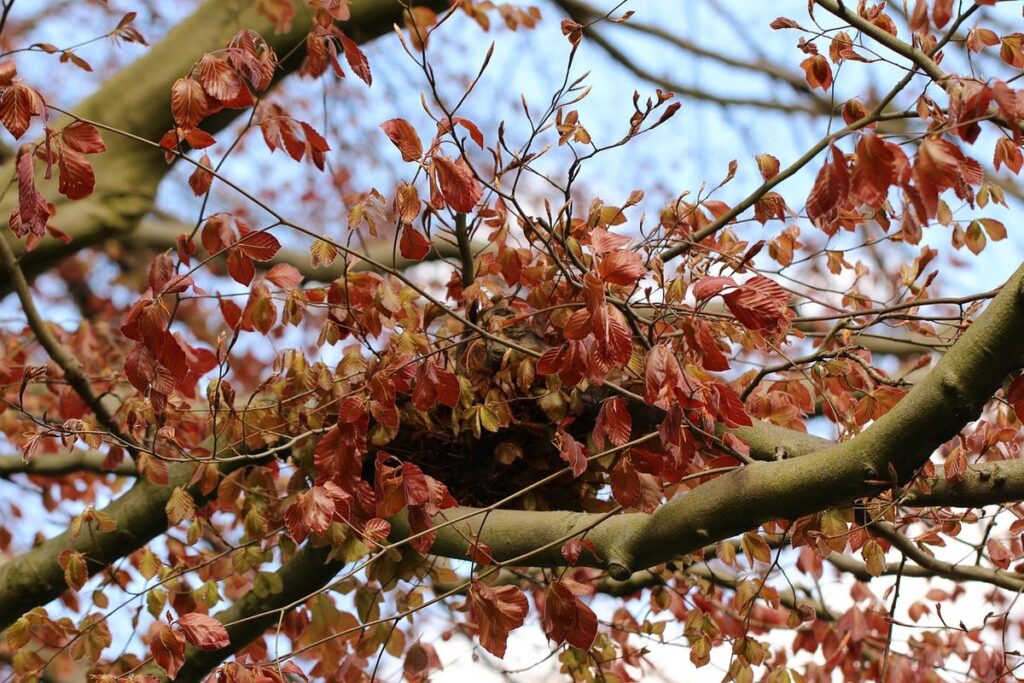
Consider starting a family journal or scrapbook dedicated to your tree’s shaded corner. Set aside time each season to record notes, sketches, and photographs that tell the story of how your children interact with the tree. This could include their first leaf-finding adventures, the discovery of a hidden bird’s nest, or even just the simple pleasure of reading under the branches.
Another idea is to create a photo album or digital frame dedicated to your shaded retreat. Add pictures and captions to document the growth of your tree, changes in weather patterns, and special moments spent together as a family. You can also involve your children in this process by assigning them tasks like taking photos or writing captions, making it a fun activity they’ll look forward to.
Remember, these memories will become even more precious with time, so take the time to capture them under the canopy of your tree!
Tips for Encouraging Kids to Appreciate the Natural World
As you watch your kids play under the shade of the tree you planted together, it’s wonderful to see them connect with nature. But how can we encourage our children to appreciate and love the natural world? Start by making observations together – point out the birds building their nests, the buzzing bees collecting nectar, or the way sunlight filters through the leaves.
Create a scavenger hunt around your tree to encourage kids to explore and learn about the different species of plants and animals that live there. You can even make it more engaging by creating a nature journal together where they can draw pictures and write notes about their discoveries.
Another idea is to involve your children in the maintenance and care of the tree, such as watering, pruning, or planting companion flowers. This not only teaches them about responsibility but also helps them develop a sense of ownership and appreciation for the tree’s growth over time.
By doing so, you’ll be fostering a lifelong love for nature in your children, and who knows, maybe even inspire future botanists or conservationists!
Conclusion: Planting a Legacy of Love and Shade
Now that you’ve planted your tree, let’s wrap up by exploring how it will continue to provide for future generations and create a lasting legacy. Your children will reap the rewards in years to come.
Reflections on the Lasting Impact of Your Tree
As you look back on the years to come, remember that the tree you plant today will continue to thrive and provide shade for generations to come. The impact of this small act is multifaceted: it creates a sense of nostalgia and shared history with your children as they grow up playing under its branches. Your tree becomes a witness to family milestones, from first steps to graduation parties.
In fact, studies have shown that children who spend time in nature are more likely to develop a strong connection to the environment and become environmentally conscious adults. By planting a tree, you’re not only providing shade for your family but also fostering a sense of responsibility and stewardship for future generations.
As your tree grows, so will its character – from a sapling to a towering presence in your yard. You can imagine the countless hours spent under its canopy, picnics on warm summer days, or cozy family movie nights during rainy evenings. By planting a tree today, you’re giving your children the gift of a lifelong connection to nature and creating memories that will be cherished for years to come.
Final Tips for Nurturing a Healthy, Happy Family Tree
As you embark on this journey of planting a tree for your children to enjoy, remember that its impact will be felt long after it’s fully grown. A healthy, happy family tree is one that not only provides shade but also fosters a sense of community and connection among its members.
To nurture such a legacy, make time for regular family gatherings under the tree’s branches. These can be as simple as picnics on weekends or game nights during the summer months. By doing so, you’ll create lasting memories that will strengthen your relationships with your children and become an integral part of their family history.
It’s also essential to involve your children in the tree’s maintenance, teaching them about its needs and how to care for it. This not only develops a sense of responsibility but also deepens their connection to nature and the outdoors. As they grow older, encourage them to pass on this knowledge to their own children, ensuring that the family tree remains a symbol of love and tradition for generations to come.
By prioritizing these simple yet meaningful activities, you’ll cultivate a strong bond between your family members while preserving the beauty and significance of your planted tree.
Frequently Asked Questions
Can I Plant a Tree in Any Type of Soil?
Yes, but it’s essential to choose a tree species that thrives in your local soil conditions. Some trees are more tolerant of poor soil than others, so research the specific needs of the tree you’ve chosen before planting. Consider getting a soil test to determine its pH level and nutrient content.
What if I Don’t Have Enough Sunlight in My Yard?
Not all trees require full sun to provide shade. Look for species that can tolerate partial shade or even full shade, such as redbud, dogwood, or flowering cherry trees. These options will still offer your children a cooling oasis on hot days.
How Often Should I Water My Newly Planted Tree?
Watering is crucial in the first year after planting. Aim to provide about 1 inch of water per week, either through rainfall or irrigation. Mulching around the base of the tree helps retain moisture and reduces evaporation. Monitor your tree’s specific watering needs based on climate, soil type, and weather conditions.
Can I Plant a Tree in a Shaded Area with Existing Vegetation?
Yes, but choose a tree species that can coexist with existing vegetation. Consider underplanting with shade-tolerant plants or shrubs to create a diverse ecosystem. Be cautious not to harm nearby roots when planting your new tree, and consider consulting with an arborist if you’re unsure about the best approach.
What are Some Common Mistakes to Avoid When Planting a Tree?
Avoid overwatering or underwatering your tree, as this can cause stress and lead to disease. Also, don’t plant too close to power lines, buildings, or other obstructions that could harm the tree’s growth. Finally, ensure proper soil preparation by testing for nutrient deficiencies and adjusting accordingly.