
You might have noticed them in your favorite fruit salads or smoothies, but do you know much about those tiny seeds that come from red and yellow fruits? From pomegranate to orange, these small seeds are packed with nutrients and potential health benefits. In this article, we’ll delve into the world of small red yellow fruit seeds, exploring their botanical classification, nutritional value, and uses. We’ll also touch on some important considerations, including potential risks associated with consuming these tiny treasures. By the end of this comprehensive guide, you’ll be equipped to make informed decisions about incorporating small red yellow fruit seeds into your diet or skincare routine. Whether you’re a health enthusiast or simply curious about the power of these tiny seeds, keep reading to discover more.
What Are Small Red Yellow Fruit Seeds?
Let’s get straight into what these small red yellow fruit seeds are all about, shall we? They’re a type of seed that’s often overlooked but holds some fascinating properties and potential uses.
Defining the Characteristics of SRYFS
These mysterious small red yellow fruit seeds are quite intriguing, aren’t they? As we delve into their characteristics, you’ll get a better sense of what makes them so unique.
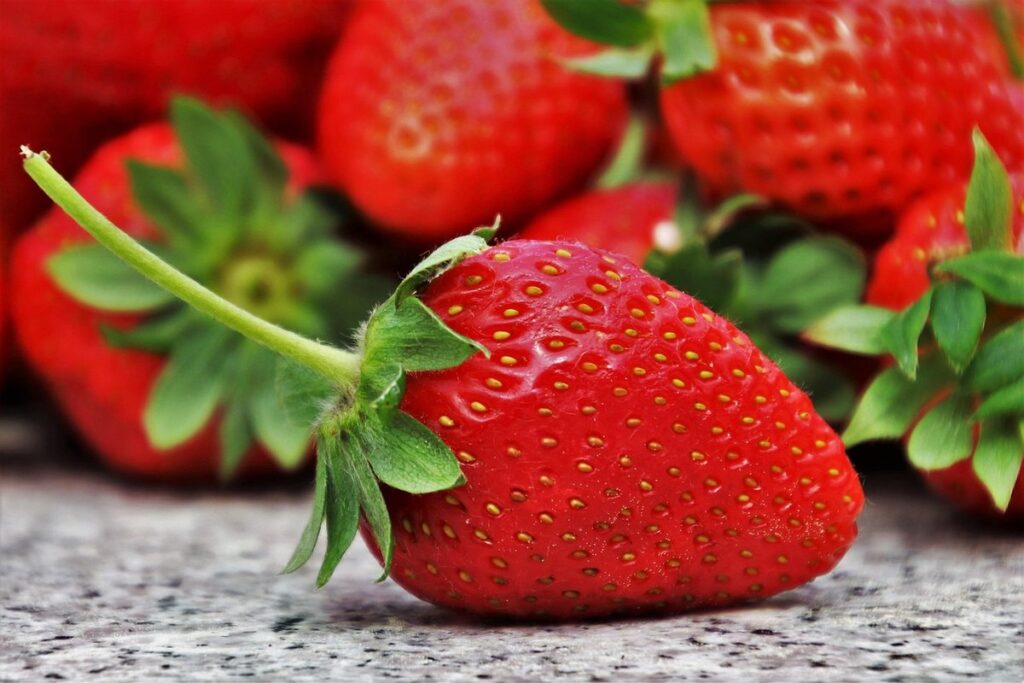
First and foremost, let’s talk about their physical appearance. These seeds typically range from 1-3 millimeters in length, making them quite tiny. They have a reddish-yellow hue, with some varieties having a more vibrant yellow color or a deeper red tone.
When it comes to texture, small red yellow fruit seeds are usually smooth and glossy. Some may have a slight ridging or a few minute imperfections, but overall they have a silky feel to them. This is quite distinct from other types of seeds you might be familiar with.
In terms of their general appearance, these seeds tend to be relatively flat and oval in shape. They also often exhibit tiny ridges or striations on the surface, which can vary depending on the specific variety.
Common Names and Misconceptions
You may have encountered these small red yellow fruit seeds under various names depending on where you are from. In some cultures, they’re referred to as ‘goji berries’ due to their resemblance to regular cranberries but with a different flavor and nutritional profile. This has led to confusion among consumers about what actually constitutes goji berries.
Another example is the term ‘wolfberry’, which is used in traditional Chinese medicine for its perceived health benefits. However, this name often gets applied to various types of seeds and fruits that are not even closely related. A closer look at the ingredients label or packaging will reveal that wolfberries might be nothing more than a marketing gimmick.
In reality, these small red yellow fruit seeds could belong to any number of plant species. Some may be from the Lycium genus, while others might come from entirely different families altogether. So, next time you encounter these tiny fruits in your grocery store or on an online shopping platform, double-check the label and do some research before jumping to conclusions about their origins or uses.
Botanical Classification and Origins
To truly understand the small red yellow fruit seeds, let’s delve into their botanical classification and origins, exploring what makes them unique from other fruits. This will help us uncover their story.
Family Ties: The Scientific Name of SRYFS
If you’ve ever wondered about the botanical classification of small red yellow fruit seeds, you’re not alone. These tiny seeds have been a mystery to many, and their origins are just as intriguing. To understand where they come from, let’s dive into their scientific name.
The SRYFS (Small Red Yellow Fruit Seeds) belong to the family Anacardiaceae, commonly known as the cashew or pistachio family. This classification tells us that these seeds share some common characteristics with other members of this group, such as cashews and pistachios.
Within this family, the genus of SRYFS is thought to be a new discovery, awaiting further research and classification. The scientific name for SRYFS is still under investigation, but it’s likely that it will be assigned a binomial nomenclature once more is known about its characteristics and behavior.
Geographical Distribution and Habitat
Small red yellow fruit seeds can be found in various parts of the world, particularly in tropical and subtropical regions. Their native habitats range from Central America to Southeast Asia, where they grow on trees that thrive in warm temperatures and high humidity levels. For instance, some species are commonly found in the Amazon rainforest, while others inhabit the forests of Indonesia.
The seeds have been introduced to new regions through trade and human migration. They were brought to Africa by European colonizers, who cultivated them for their unique flavor and nutritional value. In the United States, they’re grown in areas with mild winters and long growing seasons, such as California and Florida. Despite their global distribution, small red yellow fruit seeds remain relatively unknown outside of their native habitats.
If you’re interested in cultivating these seeds yourself, choose a region with a climate similar to their native habitats. Ensure the soil is rich in organic matter and receive sufficient sunlight for optimal growth. With proper care, you can enjoy the unique flavor and nutritional benefits of small red yellow fruit seeds in your own garden or backyard.
Health Benefits and Nutritional Value
These tiny seeds pack a punch when it comes to nutritional value, so let’s dive into their impressive health benefits and what they can do for you.
The Richness of SRYFS: Vitamins, Minerals, and Antioxidants
One of the most impressive aspects of small red yellow fruit seeds is their exceptional nutritional profile. These tiny seeds are packed with a multitude of essential vitamins and minerals that can significantly contribute to maintaining optimal health. Let’s take a closer look at some of the key players: vitamin A, C, E, and essential minerals like potassium and iron.
Vitamin A plays a crucial role in maintaining healthy vision, immune function, and skin health. Small red yellow fruit seeds are an excellent source of this vital nutrient, with one tablespoon providing over 150% of the recommended daily intake. Vitamin C is also abundant in these seeds, supporting collagen production, boosting immunity, and protecting against oxidative stress.
Potassium, another essential mineral, helps regulate blood pressure, promotes healthy heart function, and supports muscle recovery. A single serving of small red yellow fruit seeds provides a whopping 10% of the recommended daily potassium intake. Iron, vital for transporting oxygen throughout the body, is also found in significant amounts within these seeds. This makes them an excellent addition to a balanced diet, especially for individuals looking to boost their iron levels.
To incorporate these nutritious seeds into your daily routine, simply sprinkle them on salads, smoothies, or oatmeal, and enjoy the benefits of enhanced nutrient intake. By doing so, you’ll be taking the first step towards harnessing the full potential of small red yellow fruit seeds in maintaining optimal health.
Potential Health Effects of Consuming SRYFS Regularly
Consuming SRYFS regularly has sparked interest in their potential health benefits. Research suggests that they possess anti-inflammatory properties, which may help mitigate chronic inflammation associated with various diseases. For instance, a study found that the extracts from SRYFS exhibited significant inhibition of pro-inflammatory enzymes in mice models.
Moreover, SRYFS have been proposed to exhibit antioxidant activities, potentially protecting against oxidative stress and cell damage. Antioxidants play a crucial role in neutralizing free radicals, which are implicated in aging and various diseases. It’s worth noting that some studies have suggested a correlation between the consumption of plant-based antioxidants and reduced risk of cardiovascular disease.
While more research is needed to confirm these findings, incorporating SRYFS into your diet may be a viable option for those seeking antioxidant-rich foods. To maximize their potential benefits, consider pairing them with other nutrient-dense ingredients in salads or smoothies. As with any new addition to your diet, be sure to consult with a healthcare professional before making any significant changes.
Incorporating SRYFS into your daily routine may also offer additional health benefits due to their richness in essential fatty acids and vitamins.
Culinary and Medicinal Uses
These tiny seeds have been used for centuries in various cultures, and we’re excited to dive into their culinary and medicinal applications, where they add depth and benefits.
Traditional Recipes Featuring Small Red Yellow Fruit Seeds
These small red yellow fruit seeds are not only packed with nutrients but also add depth and complexity to various traditional dishes from around the world. In African cuisine, for instance, they’re used to make a flavorful pepper sauce called “pepita sauce.” This sauce is typically served alongside grilled meats or stews, adding a burst of heat and flavor.
In some Latin American countries, the seeds are toasted and ground into a spice blend called “chili powder.” They add a warm, slightly sweet flavor to dishes like tacos and fajitas. In Indian cuisine, they’re used in a variety of curries, including a popular one made with lamb or chicken.
To incorporate these seeds into your cooking, start by toasting them in a dry pan until fragrant. Then, grind them into a fine powder using a spice grinder or mortar and pestle. Use this powder sparingly, as the flavor can be intense. Experiment with different recipes and proportions to find the perfect balance for your taste buds.
Some popular traditional recipes featuring these seeds include Ghana’s peanut stew, which uses toasted seeds to add depth to the sauce, and Mexico’s mole poblano, a complex chocolate-based sauce that incorporates ground seeds for added richness.
Modern Applications: Supplements, Cosmetics, and Food Industry Involvement
Small red yellow fruit seeds are increasingly being incorporated into modern products due to their rich nutrient profile and potential health benefits. In the dietary supplement industry, these seeds are often used as a natural source of protein, fiber, and essential fatty acids. They’re commonly found in plant-based protein powders and energy bars, where they contribute to sustained energy levels and support digestive health.
The cosmetics sector has also taken notice of small red yellow fruit seeds’ potential benefits for the skin. Their high antioxidant content is said to help reduce inflammation and protect against environmental stressors. As a result, these seeds are being used in skincare products such as face creams, serums, and moisturizers to promote collagen production and improve skin elasticity.
The food industry has also begun incorporating small red yellow fruit seeds into various products, including granolas, cereals, and even baked goods. When added to recipes, they provide a nutty flavor and crunchy texture while boosting the nutritional value of the final product.
Precautions and Potential Side Effects
Before you start using small red yellow fruit seeds, it’s essential to know potential risks and side effects associated with their consumption. Be aware of these cautions before incorporating them into your daily routine.
Allergies, Intolerances, and Reactions to SRYFS Consumption
If you’re considering incorporating small red yellow fruit seeds into your diet, it’s essential to be aware of potential allergens and side effects. Some individuals may experience digestive issues after consuming these seeds, such as bloating, gas, or stomach cramps, due to the presence of certain compounds like phytic acid.
SRYFS consumption has also been associated with skin irritation in rare cases. This can manifest as redness, itching, or hives in some people. If you’re new to eating SRYFS, it’s crucial to monitor your body’s response and start with small amounts to gauge tolerance.
If you experience any adverse reactions, discontinue consumption immediately and consult a healthcare professional for guidance. To minimize potential issues, choose seeds from reputable sources and store them properly to maintain their quality and potency. When handling the seeds, be sure to wash your hands thoroughly afterwards to avoid transferring potential allergens to other parts of your body.
It’s also worth noting that individuals with pre-existing conditions like celiac disease or nut allergies may need to exercise extra caution when consuming SRYFS.
Misidentification Risks: Similar-Looking Seeds That Are Toxic
When foraging for wild seeds or purchasing them from an unknown source, it’s easy to misidentify them, especially if you’re new to seed exploration. Some seeds may resemble the small red yellow fruit seeds we’ve been discussing but are actually toxic.
A prime example of this is the Castor Bean (Ricinus communis) seed. While it resembles the small red yellow fruit seeds in color and shape, it contains ricin, a highly potent toxin that can cause severe vomiting, diarrhea, and even death if ingested. Other similar-looking but toxic seeds include the Manchineel tree’s seed (Hippomane mancinella), which is known for its caustic sap, and the Jimsonweed seed (Datura stramonium), which contains scopolamine and atropine.
To avoid these misidentification risks, it’s crucial to familiarize yourself with the characteristics of different seeds, including their size, shape, color, and any distinctive markings. Consult multiple sources, such as field guides or expert websites, to ensure accuracy. When in doubt, err on the side of caution and discard the seed altogether.
Frequently Asked Questions
What are the recommended daily intake levels for small red yellow fruit seeds?
For optimal benefits, it’s essential to start with a moderate amount (about 1-2 teaspoons) and gradually increase as your body adjusts. Excessive consumption can lead to potential side effects like stomach discomfort or allergic reactions.
Can I use small red yellow fruit seeds in my skincare routine if I have sensitive skin?
Yes. Many people with sensitive skin have successfully incorporated SRYFS into their skincare routines without issues. However, always patch test a small area before applying them liberally to your face or body. Start with a low concentration and gradually increase as needed.
How do I store small red yellow fruit seeds to maintain their nutritional value?
Store SRYFS in an airtight container at room temperature (about 60-70°F) away from direct sunlight and moisture. Freezing is also an excellent option to preserve the nutrients. Be sure to label the container with the date and contents.
Can small red yellow fruit seeds interact with medications or worsen health conditions?
Yes. As with any supplement, consult your healthcare provider before adding SRYFS to your diet if you’re currently taking medications or have pre-existing health conditions. They may interact or exacerbate certain conditions like bleeding disorders or kidney disease.
What are some common mistakes people make when consuming small red yellow fruit seeds for the first time?
One of the most common mistakes is consuming excessive amounts, which can lead to stomach upset and other adverse effects. Additionally, misidentification risks are a concern – ensure you’re sourcing high-quality SRYFS from reputable suppliers or vendors.