
Are you looking for a natural way to control pests and improve your garden’s health? Look no further than the humble toad! These tiny amphibians are often misunderstood, but they play a vital role in maintaining a balanced ecosystem. By attracting toads to your garden, you can reap the benefits of natural pest control, improved soil health, and more. But how do you create a toad-friendly habitat and care for these beneficial creatures? In this article, we’ll share tips on attracting toads to your garden and providing them with everything they need to thrive. From creating a welcoming environment to understanding their needs, we’ll cover it all. Whether you’re a seasoned gardener or just starting out, learn how to harness the power of toads in your garden and enjoy a healthier, more sustainable growing space.
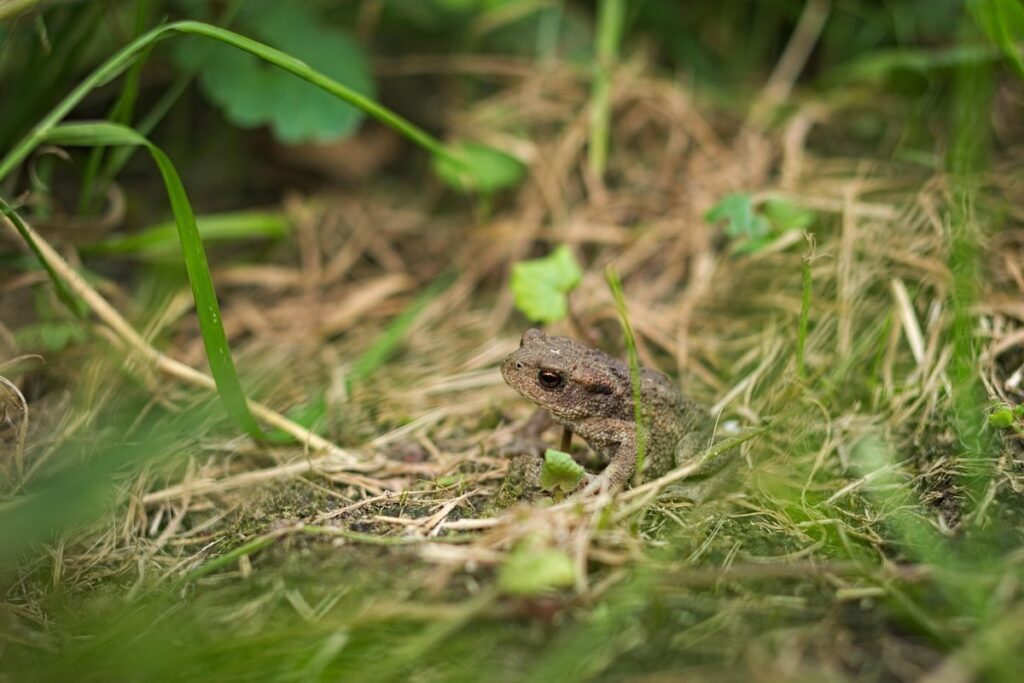
The Benefits of Attracting Toads to Your Garden
Attracting toads to your garden can have a significant impact on pest control and ecosystem balance, which we’ll dive into in more detail below. Let’s explore the benefits of having these little hopping helpers around.
Toad-ally Natural Pest Control
When it comes to pest control in your garden, toads are a natural and effective solution. Their diets primarily consist of insects, including pests that can be detrimental to your plants. A single toad can consume up to 10,000 insects in a season, making them a valuable asset for any gardener.
Toads’ hunting habits also make them an excellent form of pest control. They are nocturnal, meaning they do most of their foraging at night, which allows them to target pests that are active during this time. This includes slugs and snails, which can be particularly damaging to plants. By providing a toad-friendly environment in your garden, you’re essentially creating a natural pest control system.
To encourage toads to visit your garden, consider incorporating features such as rocks or logs for them to hide under, and a shallow water source for drinking. You can also create a slug hotel by filling an old terracotta pot with straw or other materials that provide shelter for slugs. This will attract both the slugs and the toads that feed on them. By attracting toads to your garden, you’ll not only reduce pest populations but also contribute to a balanced ecosystem.
Soil Health and Fertilization
Toads play a vital role in maintaining soil health by acting as natural pest controllers. They feed on earthworms that might otherwise damage plants, reducing the risk of root damage and nutrient competition. By controlling these worm populations, toads help create a more balanced ecosystem in your garden.
Their impact extends beyond just pest control; toads also participate in nutrient cycling. As they forage for food, they aerate soil through their burrowing activities, improving soil structure and allowing roots to grow deeper. This process enhances the availability of nutrients for plants, reducing the need for fertilizers. In fact, a study found that gardens with high toad populations showed significant improvements in soil fertility.
By attracting toads to your garden, you can potentially reduce your fertilizer application needs. To encourage their presence, consider incorporating native plant species and creating a toad-friendly habitat. This may involve leaving some areas of your garden untidy or providing sheltered spots for them to hide. By embracing these simple measures, you’ll be supporting the well-being of both your plants and your local wildlife.
Toad-Proofing Your Garden: What to Consider
When considering a toad-friendly garden, it’s essential to think ahead and plan for their arrival, ensuring your outdoor space is safe and welcoming for these beneficial creatures. Let’s take a closer look at what that entails.
Creating a Toad-Friendly Habitat
To create a toad-friendly habitat in your garden, consider providing sheltered areas where they can retreat from predators and harsh weather. Rocks or logs placed strategically around the garden can offer them a safe haven. For example, you could arrange a few flat stones together to form a small rock wall or place a log near a pond to create a cozy spot.
Ponds or water features are also essential for attracting toads. Install a shallow area with still or slow-moving water and some rocks or plants for basking sites. Toads need a reliable source of water for drinking, breeding, and maintaining their skin’s moisture balance. A small pond with a depth of about 30-40 cm (12-16 inches) is ideal.
To enhance the toad-friendliness of your garden even further, incorporate native plants that provide food and shelter. Some examples include wildflowers, ferns, and shrubs. Avoid using pesticides or herbicides, as these can harm toads and other beneficial wildlife in your garden. By creating a welcoming environment with sheltered areas and water features, you’ll be well on your way to attracting toads and enjoying the benefits they bring to your garden.
Plant Selection and Avoidance of Pesticides
When it comes to attracting toads to your garden, plant selection plays a crucial role. Toads are naturally drawn to gardens with an abundance of insects, which they feed on, and plants that provide shelter and habitat. Some of the most toad-friendly plants include lavender, mint, and rosemary, as these herbs attract beneficial insects like aphid-eating ladybugs and lacewings.
On the other hand, some plants can deter toads from visiting your garden. These include plants with strong scents or chemicals that repel toads, such as garlic, onions, and certain varieties of marigold. Additionally, plants with dense foliage or prickly stems may make it difficult for toads to navigate through the garden.
It’s essential to avoid using pesticides and other chemicals in your garden, as these can harm toads and other beneficial wildlife. Instead, adopt organic gardening practices that encourage a balanced ecosystem. By choosing toad-friendly plants and minimizing chemical use, you’ll create a welcoming environment for these beneficial creatures and reap their rewards of pest control and garden health.
Concerns and Misconceptions About Having Toads in Your Garden
Some gardeners are hesitant to attract toads, fearing they’ll bring unwanted pests or create messy habitats. Let’s tackle these common concerns head-on and set the record straight.
Safety Precautions and First Aid
One of the most common concerns people have when it comes to having toads in their garden is their potential toxicity. While it’s true that some species of toads can secrete a toxic substance from their skin as a defense mechanism, this only poses a risk if you were to touch or eat them. However, with proper handling and precautions, the risk is minimal.
If you do encounter a toad on your property, approach it calmly and carefully. Never try to pick up a toad by hand; instead, use a wide-mouthed container like a plastic cup or bucket to gently scoop it up. Wear gloves when handling toads, as their secretions can cause skin irritation in some people.
In the unlikely event of exposure to a toad’s toxic secretions, wash the affected area with soap and water immediately. If you experience any symptoms such as redness, swelling, or blistering, seek medical attention. With these simple precautions, you can peacefully coexist with toads in your garden, enjoying their pest-control benefits without worrying about potential harm.
Debunking Common Myths
One of the most common misconceptions about toads is that they are pests and will harm plants. However, the truth is that toads play a vital role in maintaining a healthy ecosystem in your garden. They feed on insects, including slugs, snails, and other pests that can damage your plants.
Another myth is that toads are attracted to gardens with high levels of pesticides and fertilizers. This couldn’t be further from the truth! Toads prefer environments with minimal human interference and plenty of hiding spots, making them more likely to thrive in organic or low-maintenance gardens.
Some gardeners also believe that toads will leave behind toxic waste or cause damage to plants through their burrowing habits. But did you know that toad droppings are actually a natural fertilizer? They can even help improve soil structure and fertility! As for burrowing, most toads dig shallow holes, which can actually aerate the soil and create pathways for water to penetrate.
By understanding these common myths and separating fact from fiction, you can create a welcoming environment for toads in your garden. With a little planning and effort, you might just find that these tiny, warty friends become an integral part of your garden’s ecosystem!
Toad Identification: How to Distinguish Between Species
When it comes to attracting these beneficial garden visitors, being able to identify different species is crucial for effective conservation and management. Let’s explore how to tell them apart in this next step!
Identifying Common Garden Toad Species
When it comes to identifying common garden toad species, there are several key characteristics and habits to look out for. One of the most recognizable toads is the Common Toad (Bufo bufo), which can be found throughout much of Europe and Asia. These toads have a distinctive warty skin pattern and a long, pointed snout. They’re also known for their loud calls during breeding season, typically in late winter or early spring.
Another species commonly encountered in gardens is the Natterjack Toad (Epidalea calamita). This toad has a more restricted range than the Common Toad, but can be found in various parts of Europe and North Africa. It’s characterized by its bright orange or yellowish coloration on the underside of its body, as well as its distinctive call, which sounds like a series of high-pitched clicks.
The European Common Toadlet (Bufo viridis) is also worth noting, particularly due to its ability to change color in response to its environment. This species has been known to darken or lighten its skin to blend in with its surroundings, making it harder to spot. However, they’re often found near water sources, which can make them easier to locate.
In terms of habitats, most garden toads are semi-aquatic, meaning they spend a significant amount of time near water. Look for areas with moist soil or shallow puddles, as these are likely to attract a variety of toad species. It’s also worth noting that toads often congregate in areas with an abundance of insects, such as compost heaps or garden beds with rich soil.
When identifying a toad in your garden, pay close attention to its overall size, coloration, and any distinctive markings. Take note of the time of year, as different species may be more active during certain seasons. By being aware of these characteristics and habits, you’ll be better equipped to identify common garden toad species and appreciate their presence in your outdoor space.
Caring for Your Garden’s Toads
When it comes to coexisting with your garden’s resident toads, providing a safe and welcoming environment is crucial. Here are some essential tips on how to care for these beneficial amphibians.
Providing Adequate Water Sources
When it comes to caring for your garden’s toad population, providing adequate water sources is crucial. Toads need access to water for drinking and breeding, so a reliable source is essential. If you’re creating a pond specifically for your toads, consider incorporating shallow areas with gentle slopes or edges, making it easier for them to climb in and out.
In addition to ponds, ensure that other water sources in your garden are accessible to your toads. This might involve placing rocks or logs near birdbaths, pet water dishes, or even a dripping faucet. Toads can also be found near slow-moving streams, so if you live near such an area, take advantage of this natural resource.
A good rule of thumb is to provide at least one shallow dish of fresh water per 10 square feet of garden space. Change the water frequently to keep it clean and free of bacteria. This way, your toads will always have a readily available source of hydration, keeping them happy and healthy in their new environment.
Offering Food Supplements (Optional)
When it comes to caring for your garden’s toad population, providing food supplements can be beneficial during times of need. However, it’s essential to do so sparingly and only when absolutely necessary. Toads typically lead a self-sufficient lifestyle, feeding on insects and worms that they find in the soil.
During droughts or periods of extreme weather conditions, your garden’s toad population may struggle to find enough food. This is where offering supplements can be helpful. You can provide a shallow dish of water and a small amount of protein-rich foods like mealworms or crickets.
Place these near areas where the toads are known to congregate, such as under rocks or logs. It’s crucial not to over-supplement, as this can lead to an over-reliance on human-provided food and potentially harm their natural foraging skills.
When offering supplements, it’s also essential to monitor your garden’s ecosystem and adjust accordingly. If you notice the toads taking readily to the provided food, reassess the situation and consider implementing more natural solutions to attract insects and maintain a balanced environment.
Monitoring Your Garden’s Toad Population
To ensure you’re reaping the benefits of having toads in your garden, it’s crucial to monitor their population and understand how they’re impacting your plants. Let’s dive into some practical tips for tracking these tiny, beneficial critters.
Tracking Population Numbers and Movement Patterns
To effectively manage and care for your garden’s toad population, it’s essential to track their numbers and movement patterns. Start by creating a dedicated notebook or spreadsheet to record your observations. Note down the date, time, weather conditions, and the number of toads spotted during each observation session.
Regular surveys will also help you understand the dynamics of your toad population. Set aside a specific time frame, such as a weekly walk-through, to count the toads in designated areas of your garden. Consider dividing your garden into sections or zones to make it easier to track movement patterns and identify any changes over time.
Use a key to record the data, including symbols for sex (e.g., male , female ) and any distinguishing features. This will allow you to analyze the data and create graphs or charts to visualize population trends. For example, if your survey reveals a consistent increase in toad numbers during warmer months, it may indicate that their breeding season is synchronized with optimal environmental conditions.
By monitoring these patterns, you can develop targeted strategies to support your garden’s toad population, such as modifying habitat features or adjusting watering schedules to ensure the presence of these beneficial creatures.
Identifying Signs of Decline or Stress
If you’ve been noticing changes in your garden’s toad population, it may be a sign that they’re experiencing decline or stress. One of the first signs is unusual behavior, such as reduced activity levels or altered movement patterns. For example, if toads are normally active at dawn and dusk but are now only seen during the night, it could indicate a problem.
Another indication of stress is habitat degradation. This can be caused by changes in your garden’s ecosystem, such as overgrowth of vegetation, removal of ponds, or introduction of invasive species. For instance, if you’ve recently removed a pond that provided a water source for your toads, they may struggle to adapt and find alternative sources.
To identify signs of decline or stress, observe your toads’ behavior and habitat regularly. Take note of any changes in their activity patterns, feeding habits, or overall health. You can also conduct a simple survey by setting up camera traps or observing from a safe distance to gather more information. By recognizing these warning signs early on, you can take corrective action to address the issue and create a healthier environment for your garden’s toad population.
Frequently Asked Questions
What are the signs of a thriving toad population in my garden?
A thriving toad population is indicated by a steady number of toads present throughout the growing season, with an average of one to two generations per year. Look for increased insect consumption and reduced pest populations as well as signs of healthy toad activity like burrowing and breeding behaviors.
How do I monitor and track my garden’s toad population?
To effectively monitor your garden’s toad population, observe their behavior, count the number of individuals present, and take note of any changes in their habitat or food sources. Utilize tracking methods such as camera traps or observation schedules to record data on movement patterns and population numbers.
What should I do if I notice a decline in my garden’s toad population?
If you notice a decline in your garden’s toad population, examine potential causes like changes in water quality, reduced food sources, or increased predator activity. Consider implementing measures such as installing artificial ponds or using environmentally friendly pest control methods to support the local ecosystem.
Can I still use pesticides if I have toads in my garden?
While having toads in your garden can significantly reduce pesticide usage, completely eliminating pesticides is recommended for maximum effectiveness and long-term sustainability. To minimize potential harm, choose organic or integrated pest management techniques that balance human needs with those of the natural environment.
How do I ensure that my garden remains a welcoming habitat for future generations of toads?
To create a sustainable ecosystem, implement long-term strategies such as regular habitat maintenance, preserving biodiversity through plant selection and avoiding invasive species. Continuously monitor your garden’s ecosystem and adapt management practices to address emerging issues or changes in local conditions.