
If you’re looking to add some vibrant color and texture to your garden, consider creating a stunning coral bells and hosta combination. These two plants are a match made in heaven, with their delicate foliage and vibrant blooms working together in perfect harmony. But where do you start? Selecting the right location is crucial – both coral bells and hostas prefer well-shaded areas with moist soil. Once you’ve chosen your spot, learn how to prepare these beautiful plants for success, including tips on soil preparation, watering, and fertilizing. In this comprehensive guide, we’ll walk you through garden design ideas, provide maintenance advice, and share expert tips for keeping your coral bells and hostas thriving all season long.
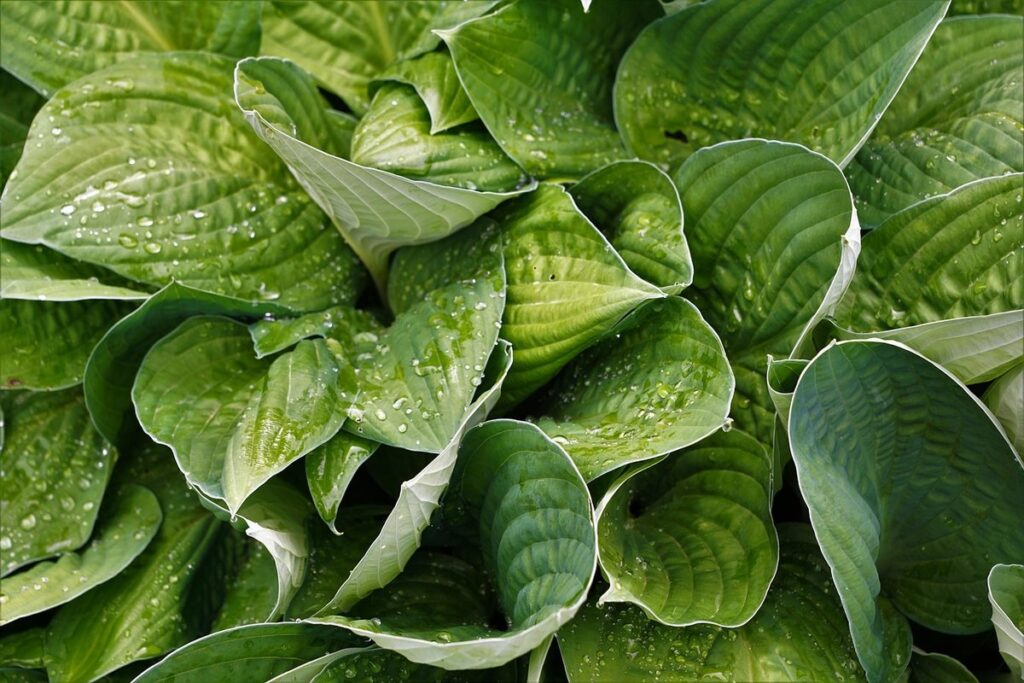
Choosing the Perfect Location
When selecting a spot for your coral bells and hosta garden, consider the amount of sunlight it will receive and its proximity to water sources. This affects plant growth and overall maintenance.
Understanding Sunlight Requirements
When it comes to creating a stunning coral bells and hosta garden, understanding the sunlight requirements of these plants is crucial. Coral bells (Heuchera) typically require partial shade to full sun, but be aware that intense afternoon sun can cause their leaves to become scorched. On the other hand, hostas are more tolerant of shade and can thrive in areas with as little as 2-4 hours of direct sunlight.
However, both plants benefit from some indirect sunlight, especially during the morning and evening hours when the sun’s rays are less intense. This is where strategically placing your coral bells and hosta garden beds becomes important. Consider situating them on a north-facing wall or beneath a tree with dappled shade to provide the perfect balance of light.
To ensure you’re meeting their sunlight needs, observe the plants’ growth patterns and adjust the location accordingly. If you notice any signs of scorching or fading, it may be necessary to provide more shade or relocate the garden bed altogether. By considering these factors and making adjustments as needed, you’ll create a thriving coral bells and hosta garden that showcases their beauty for years to come.
Soil Preferences and Drainage
When choosing the perfect location for your coral bells and hosta garden, it’s essential to consider the soil preferences of these beautiful plants. Coral bells (Heuchera spp.) and hostas (Hosta spp.) thrive in well-draining soils with a slightly acidic pH.
In general, coral bells prefer a neutral to slightly acidic soil pH between 6.0 and 7.0. Hostas, on the other hand, can tolerate a wider range of pH levels but also prefer slightly acidic conditions. To ensure optimal growth, aim for a soil pH around 6.5. When it comes to moisture requirements, both coral bells and hostas prefer consistent moisture but can be sensitive to overwatering.
To prevent waterlogged soils that can lead to root rot, make sure your garden bed has good drainage. You can achieve this by adding organic matter such as compost or well-rotted manure to improve soil structure. Aim for a mix of 20-30% compost and 70-80% native soil. This will help to break up clay soils and improve water penetration, creating an ideal environment for your coral bells and hostas to flourish.
Selecting a Site with Good Air Circulation
When selecting a site for your coral bells and hosta garden, good air circulation is a crucial consideration. Air circulation plays a significant role in preventing disease and promoting healthy growth in both coral bells and hostas. Inadequate air movement can lead to the spread of diseases such as powdery mildew, leaf spot, and crown rot. These issues are particularly problematic for hostas, which can be susceptible to fungal diseases when conditions are humid.
To ensure good air circulation, look for a site with a gentle slope or mound to prevent water from pooling around the plants. Consider the placement of nearby structures such as buildings, walls, or other large plants that could block airflow. A location that receives at least 6 hours of direct sunlight is ideal, but be mindful not to place your garden in an area where hot afternoon sun beats down relentlessly.
Avoid planting coral bells and hostas too close together, leaving enough space for air to circulate between them. A minimum spacing of 12-18 inches between plants is recommended. By choosing a site with good air circulation, you can create a healthy environment that promotes the stunning foliage and vibrant blooms your coral bells and hosta garden are known for.
Plant Selection and Preparation
To create a stunning coral bells and hosta garden, it’s essential that you choose the right plants for your climate and intended design. In this next step, we’ll guide you through selecting and preparing the perfect specimens.
Coral Bells Varieties: Heuchera and More
When it comes to creating a stunning coral bells and hosta garden, selecting the right variety of coral bells is crucial. While there are many options available, some stand out from the rest due to their unique characteristics and growth habits.
Heuchera is one of the most popular coral bells varieties, known for its maple-like leaves in shades of silver, gold, and burgundy. They come in a range of sizes, from compact and slow-growing to taller and more vigorous, making them suitable for both small spaces and larger gardens. Some popular Heuchera varieties include ‘Palace Purple’, ‘Plum Pudding’, and ‘Sugar Plum’.
Another variety worth considering is coral bells (Heucherella), which combines the best of both worlds by offering dainty white or pink flowers in spring, followed by attractive foliage throughout summer. Coral bells are generally smaller than Heuchera, but still pack a punch with their vibrant leaves.
When choosing your coral bells variety, consider factors such as mature size, sun tolerance, and soil preferences to ensure they thrive in your garden alongside your hostas. By selecting the right coral bells variety, you’ll be well on your way to creating a stunning and low-maintenance garden that’s sure to impress.
Hosta Varieties for Different Sunlight Conditions
When selecting hostas for your coral bells and hosta garden, it’s essential to choose varieties that thrive in your specific sunlight conditions. Hostas are adaptable plants that can tolerate a range of light exposures, from full sun to deep shade.
For gardens with partial shade (4-6 hours of direct sunlight), consider the following hosta varieties: ‘August Moon’, ‘Blue Mouse Ears’, and ‘Sum and Substance’. These options will provide beautiful foliage without becoming scorched in the sun. On the other hand, if your garden receives full sun to partial shade (6-8 hours of direct sunlight), try ‘Golden Tiara’ or ‘Krossa Regal’. These varieties develop stunning gold or white markings on their leaves.
If your garden is shrouded in deep shade (less than 4 hours of direct sunlight), don’t worry – there are still plenty of options. ‘Blue Mandeigne’, ‘Hokoku’, and ‘Stiletto’ hostas are ideal for shaded areas, boasting vibrant blue or green foliage that will add depth to your garden.
Planting Coral Bells and Hostas: Tips and Tricks
When planting coral bells and hostas, it’s essential to get the basics right. Start by selecting a location that provides partial shade to full sun, depending on the specific variety of coral bells you’re growing. Make sure the area is well-drained, as both plants don’t like standing water.
For spacing, plant coral bells 12-18 inches apart, and hostas 24-36 inches apart. This will give them room to spread out and receive adequate air circulation. When preparing the soil, mix in a 2-inch layer of compost or well-rotted manure to enrich it with nutrients. Avoid using fresh manure, as it can burn the roots.
Mulching around the plants is also crucial for retaining moisture and suppressing weeds. Use a 2-inch layer of organic mulch like bark chips or pine straw. Keep the mulch a few inches away from the plant stems to prevent rotting. By following these simple steps, you’ll be well on your way to creating a stunning coral bells and hosta garden that thrives all season long.
Garden Design and Maintenance
To create a beautiful coral bells and hosta garden, you’ll need to focus on thoughtful design and regular maintenance tasks that promote healthy growth and vibrant blooms. Let’s dive into those essential details next!
Creating a Balanced Color Scheme
When creating a balanced color scheme for your coral bells and hosta garden, remember that it’s all about combining these statement plants with complementary colors and textures. Start by selecting plants with similar light requirements to ensure they thrive together.
Consider pairing coral bells’ vibrant foliage with muted-toned perennials like astilbe or ferns. The soft pink or red hues of coral bells will pop against the deep green foliage of hostas, while adding subtle texture contrast. For a more dramatic look, combine coral bells with bold-colored flowers like petunias or begonias in shades that echo their natural colors.
To create visual interest, incorporate plants with different growth habits and leaf shapes. For example, tall grasses like pampas grass or fountain grass will provide a striking backdrop for the low-growing coral bells, while hostas’ large leaves will add volume to the garden bed. By balancing color, texture, and form, you’ll create a visually stunning coral bells and hosta garden that draws in the eye and delights the senses.
Remember to also consider the mature size of each plant when selecting companions to ensure a balanced look throughout the growing season.
Companion Planting Strategies
Companion planting is an essential aspect of creating a thriving coral bells and hosta garden. By strategically pairing plants that complement each other’s growth habits, pest resistance, and nutrient requirements, you can promote a balanced ecosystem and reduce the need for external fertilizers or pesticides.
For example, coral bells (Heuchera spp.) are susceptible to slugs and snails due to their delicate leaves. To combat this issue, plant garlic nearby as it repels these pests with its strong scent. Alternatively, consider pairing coral bells with marigolds (Tagetes spp.), which have natural insecticidal properties that help deter nematodes.
Hostas, on the other hand, are known to share nutrients with their companion plants through a process called “nutrient transfer.” For instance, planting hostas alongside ferns like autumn fern (Dryopteris erythrosora) allows the ferns to absorb excess moisture and fertilize the hosta’s roots.
When selecting companion plants for your coral bells and hosta garden, choose species that complement their growth habits, such as shade-loving impatiens or astilbe. By thoughtfully combining these elements, you can create a harmonious and resilient ecosystem that minimizes maintenance and maximizes beauty.
Seasonal Maintenance Tasks for a Thriving Garden
As you nurture your stunning coral bells and hosta garden, regular seasonal maintenance is crucial for its continued health and vibrancy. Let’s break down the essential tasks to keep your plants thriving throughout the year.
In early spring, focus on pruning dead or damaged leaves from both coral bells and hostas. This promotes healthy growth and prevents disease spread. Cut back any dead stalks from coral bells to encourage new foliage, while also cutting back hosta foliage to about 3-4 inches above ground level to prepare for new growth.
During the growing season (spring-fall), fertilize your coral bells and hostas regularly. Use a balanced fertilizer (10-10-10 NPK) to promote lush greenery and vibrant colors. Consider using organic options like compost tea or fish emulsion for added nutrients. Be cautious not to overfertilize, as this can lead to weak plant growth.
In late summer to early fall, divide and replant hostas every 3-4 years to maintain their health and vigor. This process helps prevent overcrowding and promotes new root development. For coral bells, simply deadhead spent blooms and continue with regular watering and fertilization practices.
Troubleshooting Common Issues
Don’t worry if things don’t go as planned, we’ve got you covered with solutions to common problems that might arise in your Coral Bells and Hosta garden. From pests to poor growth, we’ll tackle them head-on!
Dealing with Pests and Diseases
As you nurture your coral bells and hosta garden, it’s inevitable that pests and diseases may start to affect your plants. Regularly inspecting your garden for signs of trouble will allow you to catch issues early on and take action before they spread.
Common pests affecting coral bells and hostas include aphids, spider mites, and slugs. To control these infestations, use neem oil or insecticidal soap according to the product’s instructions. For example, mix 2 tablespoons of neem oil with a quart of water and spray it on your plants to suffocate the pests.
Some diseases affecting coral bells and hostas include powdery mildew, leaf spot, and crown rot. To prevent these issues, ensure good air circulation around your plants by pruning nearby foliage or using physical barriers like row covers. Also, avoid watering your plants from overhead, which can spread spores and lead to infection. Instead, use soaker hoses or water at the soil level.
By implementing organic control methods and monitoring your garden regularly, you’ll be able to keep pests and diseases under control and maintain a thriving coral bells and hosta garden.
Addressing Soil-Borne Problems
Soil is the foundation of a thriving coral bells and hosta garden. Unfortunately, soil-borne problems can quickly bring down even the most carefully planned landscape. Let’s take a closer look at some common issues that might be affecting your plants.
One of the most common soil-borne problems is nutrient deficiency. Coral bells and hostas require well-draining, fertile soil to perform their best. If your soil lacks essential nutrients like nitrogen, phosphorus, or potassium, it can lead to weakened growth, reduced flowering, and increased susceptibility to disease. Check your soil pH level using a testing kit or send a sample to a lab for analysis.
Root rot is another issue that can arise from poor drainage or waterlogged soil. This fungal infection causes the roots of coral bells and hostas to decay, leading to yellowing leaves, blackened stems, and eventual plant death. To prevent root rot, ensure your plants are getting enough air circulation and avoid overwatering.
To address these problems, add a 2-inch layer of compost or organic matter to improve soil structure and fertility. You can also use a balanced fertilizer to provide essential nutrients. Monitor your plants’ response and adjust your care routine as needed. Regular maintenance, including pruning and repotting, will also help prevent soil-borne issues from taking hold.
Seasonal Interest and Year-Round Enjoyment
As you plan your coral bells and hosta garden, let’s explore how to add seasonal interest through a thoughtful combination of blooming flowers, foliage, and decorative elements. This mix creates beauty throughout the year.
Designing a Four-Season Garden
Designing a Four-Season Garden that Thrives with Coral Bells and Hosta
When creating a coral bells and hosta garden, it’s easy to focus on the stunning foliage and blooms during spring and summer. However, to create a truly dynamic space that offers year-round interest, you’ll want to consider how your plants perform in winter and how to maintain their beauty throughout the seasons.
To design a four-season garden, start by selecting coral bells and hosta varieties that offer different growth habits and blooming periods. For example, Heuchera ‘Plum Pudding’ has beautiful fall foliage while H. sanguinea ‘Pallida’ produces vibrant flowers in late spring. By mixing and matching these varieties, you can create a layered look that showcases the unique characteristics of each plant.
Another key consideration is winter interest. While coral bells and hosta often go dormant during this time, there are still ways to add visual appeal to your garden. Consider adding evergreen plants like ferns or holly to provide structure and texture during the cold months. You can also incorporate decorative elements like bird feeders, birdbaths, or winter-themed planters to keep your garden feeling vibrant and inviting.
As you plan your four-season garden, remember that it’s all about creating a harmonious balance of plants and design elements that work together to create year-round interest. By choosing the right coral bells and hosta varieties and incorporating additional features like evergreen plants and decorative accents, you can enjoy your stunning garden from spring through fall – and even into winter!
Adding Seasonal Color with Companion Plants
When it comes to adding seasonal color with companion plants, there are numerous options to choose from. Coral bells and hostas provide a beautiful foundation for a garden, but incorporating other plants can enhance their beauty and interest throughout the growing season.
For spring, consider adding vibrant tulips or daffodils near your coral bells and hostas. These bulbs not only provide bright color but also naturalize over time, creating a stunning display each year. Alternatively, you could incorporate flowering perennials like forget-me-nots or bleeding hearts to add delicate touches of pink, purple, and blue.
Summer is the perfect time for incorporating warm-toned companion plants like black-eyed susans, coneflowers, or Russian sage. These drought-tolerant options attract pollinators and provide a beautiful contrast to the cool-toned coral bells and hostas. For fall, consider adding asters, sedum, or chrysanthemums for a burst of autumn color.
Remember to choose companion plants that complement your coral bells and hostas in terms of growth habits and sun requirements. This will ensure a harmonious coexistence and prevent overcrowding, allowing each plant to thrive throughout the growing season.
Hosting Events in Your Beautiful Garden
As you’ve worked on creating a stunning coral bells and hosta garden, it’s likely that you’ll want to share its beauty with friends and family. One of the best ways to do this is by hosting events and gatherings in your outdoor space. To create a welcoming and functional area perfect for hosting, consider incorporating features such as comfortable seating areas, ambient lighting, and refreshing beverage stations.
When choosing furniture, opt for weather-resistant pieces that complement the garden’s natural beauty. You might also want to include a fire pit or chiminea for cooler evenings. Don’t forget about ambiance: string lights or lanterns can add warmth and character to your outdoor space.
To create a seamless flow between your indoor and outdoor areas, consider using similar flooring materials or incorporating large windows that allow for an unobstructed view of the garden. For bigger gatherings, set up additional seating options, such as folding chairs or benches, near the garden beds. With these simple tips, you’ll be well on your way to creating a beautiful and functional outdoor space perfect for hosting events and enjoying quality time with loved ones.
Frequently Asked Questions
How do I know if my coral bells and hostas are receiving the right amount of sunlight?
Coral bells prefer partial shade to full sun, while hostas tolerate more shade. To determine if your plants are receiving sufficient light, observe their growth and leaf color. If coral bells’ leaves are scorched or develop brown edges, it may be due to excessive direct sunlight.
What happens if I plant coral bells and hostas in areas with poor air circulation?
Both plants are susceptible to fungal diseases when air circulation is inadequate. To prevent this, ensure your garden has good air movement by placing the plants at least 12-18 inches apart or installing a trellis for support. Regular pruning also helps improve air circulation.
How do I choose the right coral bells and hosta varieties for my specific climate?
Selecting the right plant varieties is crucial for their success in your garden. Research local nurseries or online resources to find coral bells and hostas that are specifically bred for your region’s climate and sunlight conditions. This will ensure your plants thrive throughout the growing season.
Can I grow coral bells and hostas in containers, or do they require direct soil?
Both coral bells and hostas can be grown in containers if you provide a deep pot with good drainage. Choose a large container (at least 12-14 inches deep) and use a well-draining potting mix to prevent waterlogged conditions.
How often should I fertilize my coral bells and hostas, especially during times of high growth?
Fertilizing your plants regularly promotes healthy growth and color intensity. Feed your coral bells and hostas with a balanced fertilizer (10-10-10 NPK) in the spring when new growth begins, and again after mid-summer to support continued blooming and foliage production.