
If you’re looking to spice up your garden or add some excitement to your meals, growing your own fruits can be a game-changer. But with so many varieties to choose from, it’s easy to get overwhelmed. That’s why we’ve put together this comprehensive guide to help you navigate the world of interesting fruiting plants. From choosing the right plant for your climate and lifestyle to tips on harvesting and preserving your fruits, we’ve got you covered. Whether you’re a seasoned gardener or just starting out, our expert advice will walk you through every step of the process. With this guide, you’ll be enjoying juicy pineapples in the dead of winter and tangy passionfruits all year round – no matter where you live. So, let’s dive into the world of fascinating fruiting plants together!
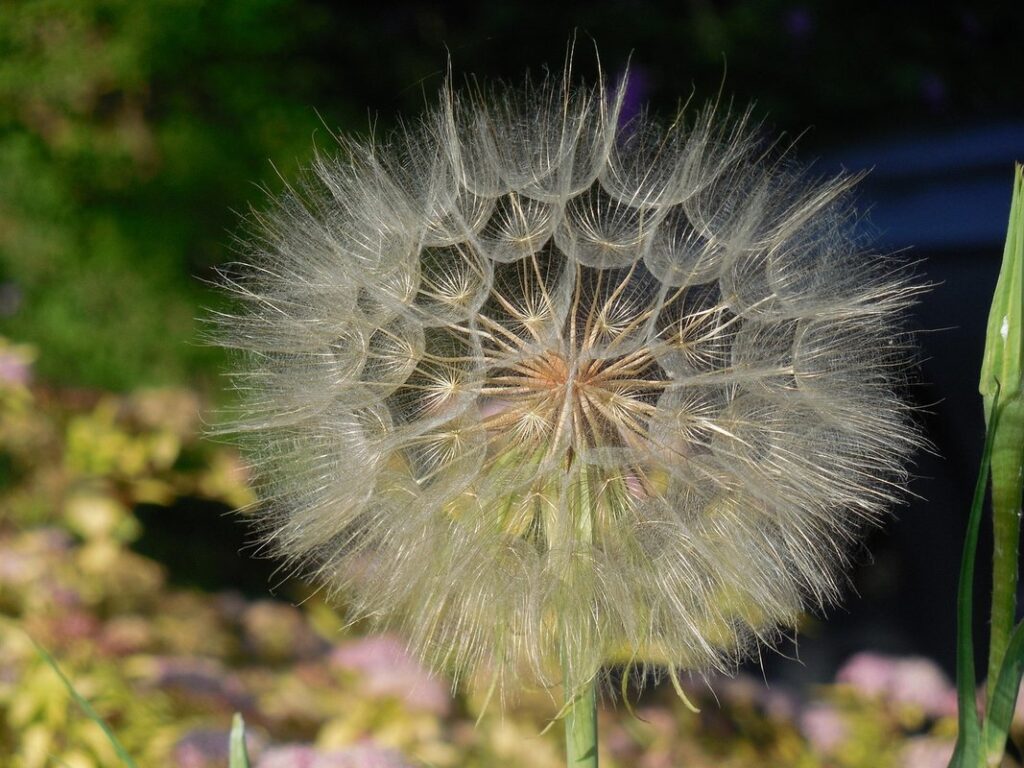
What Are Fruiting Plants?
So, you’re curious about what makes a plant a fruiting plant? Let’s start by exploring the definition and characteristics of these fascinating plants.
Types of Fruiting Plants
Fruiting plants come in various forms, each suited to different climates and regions. Tropical fruiting plants thrive in warm temperatures and high humidity, often found near the equator. Examples of tropical fruits include mangoes, pineapples, and papayas, which are rich in vitamins and minerals.
Subtropical fruiting plants, on the other hand, can tolerate cooler temperatures but still require a mild winter climate. Citrus trees like oranges, lemons, and limes fall into this category, as do avocados and figs. These plants can be grown in areas with frost protection or containerized to bring indoors during harsh winters.
Temperate fruiting plants are more versatile and can grow in zones with moderate temperatures and adequate moisture. Berries such as strawberries, blueberries, and raspberries are examples of temperate fruits that can thrive in well-draining soil and partial shade. When choosing a fruiting plant, consider the specific climate and conditions required for its growth to ensure success.
Characteristics of Fruiting Plants
Fruiting plants are characterized by their ability to produce edible fruits that develop from the ovary of a flower. This unique trait sets them apart from other plant types and makes them highly sought after for culinary, medicinal, and ornamental purposes.
One of the defining characteristics of fruiting plants is their ability to produce fruit in various shapes, sizes, colors, and flavors. For instance, some popular fruiting plants like strawberries and blueberries produce small, sweet fruits, while others like pineapples and papayas yield larger, more tropical varieties.
To identify a plant as a fruiting plant, look for the presence of flowers that eventually develop into fruits. These plants typically have showy flowers that attract pollinators, such as bees and butterflies, which help in the fertilization process. Some examples of popular fruiting plants include tomatoes, peppers, citrus trees, and grapes.
When growing fruiting plants, it’s essential to provide them with the right conditions for optimal fruit production. This includes providing sufficient sunlight, water, and nutrients, as well as pruning and training techniques to promote healthy growth and maximize yields.
Choosing the Right Fruiting Plant for Your Garden
When deciding which fruiting plants to add to your garden, it’s essential to consider climate, soil type, and the space you have available. This will ensure a successful harvest from day one!
Climate Considerations
When choosing a fruiting plant for your garden, it’s essential to consider the climate where you live. Climate plays a significant role in determining the growth and productivity of different types of fruiting plants.
First, let’s talk about temperature requirements. Some plants, like citrus trees, can tolerate warmer temperatures above 64°F (18°C), while others, such as strawberries, prefer cooler temperatures between 40-70°F (4-21°C). For example, blueberries are sensitive to heat and require a more temperate climate with temperatures ranging from 35-75°F (2-24°C).
Sunlight is another crucial factor. Fruiting plants need adequate sunlight to produce fruit, but some plants like figs can tolerate partial shade. Precipitation requirements also vary depending on the plant species. Some plants, such as tomatoes and cucumbers, require a lot of water, while others, like pomegranates, are drought-tolerant.
To determine which climate considerations your chosen plant requires, research its specific needs or consult with local nurseries that specialize in fruiting plants. This will ensure you provide the best growing conditions for your new addition and enjoy a bountiful harvest.
Soil Requirements
When it comes to growing interesting fruiting plants, the soil conditions play a crucial role in their optimal growth and fruit production. Most fruiting plants prefer well-draining soil with a pH level between 6.0 and 7.0, although some like citrus and blueberries thrive in slightly acidic or alkaline soils.
To ensure your plant gets the necessary nutrients, it’s essential to understand its specific needs. For example, tomatoes require potassium and magnesium for fruit development, while strawberries need consistent moisture and organic matter to produce high yields.
Check the soil pH level of your garden bed using a testing kit, and adjust it if necessary by adding lime or sulfur. You can also add compost or well-rotted manure to improve soil structure and fertility. Some fruiting plants like figs and loquats are relatively low-maintenance when it comes to soil requirements, but still benefit from regular mulching and watering.
Keep in mind that over-fertilization can be detrimental to your plant’s health, so follow the instructions on the fertilizer package carefully. By meeting the unique soil needs of your fruiting plants, you’ll be rewarded with a bountiful harvest and healthier plants.
Popular Fruiting Plants for Beginners
If you’re new to growing fruiting plants, we’ve got you covered! This section highlights some of our favorite easy-to-grow options that are perfect for beginners.
Banana Plants
Banana plants are one of the most popular fruiting plants for beginners to grow. These tropical plants thrive in warm climates and can be grown indoors with proper care. One of the key things to keep in mind when growing banana plants is their high water requirement – they need consistent moisture, especially during the first year after planting.
When it comes to sunlight, banana plants prefer partial shade to full sun, depending on your location. It’s also essential to maintain a temperature between 65-75°F (18-24°C) for optimal growth. Mulching around the base of the plant can help retain moisture and suppress weeds.
However, there are some potential issues to watch out for when growing banana plants. Overwatering is one of the most common problems, which can lead to root rot and kill the plant. Pests like aphids, mealybugs, and spider mites can also be a problem if not monitored regularly. Regular pruning and fertilization can help promote healthy growth and prevent these issues.
Citrus Trees
When it comes to growing your own fruit, few options are as rewarding as citrus trees. These sun-loving plants thrive in well-draining soil and produce an abundance of juicy fruits that can be enjoyed fresh, juiced, or used in a variety of recipes.
To grow healthy and productive citrus trees, choose varieties that suit your climate and space constraints. Dwarf or semi-dwarf varieties like ‘Dwarf Washington’ navel orange or ‘Dwarf Meyer’ lemon are ideal for small gardens or containers. Regularly water your trees, but avoid overwatering which can lead to root rot.
Maintaining healthy soil is also crucial for citrus tree success. Fertilize regularly with a balanced fertilizer during the growing season (spring-fall), and prune your tree annually to promote air circulation, encourage fruiting, and remove any dead or diseased branches. With proper care, you’ll be enjoying a bountiful harvest of fresh citrus fruits in no time. In fact, with minimal maintenance, citrus trees can produce fruit for up to 50 years or more!
Strawberry Plants
Strawberry plants are an excellent choice for beginners, requiring minimal care and maintenance to produce delicious fruits. They’re hardy, adaptable, and can thrive in a variety of conditions, making them ideal for small gardens or containers. One of the most significant advantages of strawberry plants is their ease of cultivation – simply plant the berries in well-draining soil with full sun, and they’ll take care of the rest.
However, like any other fruiting plant, strawberries are susceptible to certain pests and diseases that can impact yields. Some common issues include powdery mildew, aphids, and slugs. To mitigate these risks, ensure good air circulation around the plants, use physical barriers or row covers to prevent pests from accessing the fruits, and maintain a balanced fertilization schedule.
Regular watering and mulching will also help suppress weeds and retain moisture in the soil. With proper care and attention, strawberry plants can produce two or three crops per year, providing a continuous supply of fresh fruits for enjoyment.
Growing Fruiting Plants Indoors
Growing delicious fruit indoors can be a fun and rewarding experience, but it requires some special care and attention to thrive. In this next part of our guide, we’ll explore how to successfully grow fruiting plants in your home.
Benefits and Challenges
Growing fruiting plants indoors can be a rewarding experience, but it’s not without its challenges. One of the main benefits of growing fruiting plants indoors is that they can provide fresh produce year-round, regardless of the season or climate outside. This is especially useful for those living in areas with limited growing seasons or harsh weather conditions.
However, space constraints and temperature control are two significant challenges to consider when growing fruiting plants indoors. For example, a dwarf citrus tree requires at least 4-6 hours of direct sunlight per day, which can be difficult to provide in a small indoor space. Similarly, maintaining the optimal temperature range for certain fruits like strawberries (55-65°F) or blueberries (35-45°F) can be tricky without proper climate control.
Despite these challenges, many fruiting plants are well-suited for indoor growing, and with some creativity and planning, you can create a thriving indoor garden. Consider using grow lights to supplement natural light or investing in a temperature-controlled greenhouse or indoor gardening system. With the right equipment and care, you can enjoy fresh fruits from your indoor garden all year round.
Tips for Indoor Cultivation
Growing fruiting plants indoors requires attention to specific needs, including lighting, watering, and fertilization. To start, ensure that your plant receives sufficient light – most require at least 4-6 hours of direct sunlight per day or supplemental LED grow lights. Avoid placing plants near windows with low natural light as this can lead to weak or spindly growth.
Watering is also critical; overwatering can be detrimental to indoor fruiting plants, causing root rot and other issues. Check the soil moisture by inserting a finger into the soil up to the first knuckle – if it feels dry, it’s time to water. Water thoroughly but avoid letting the pot sit in excess water.
Fertilization is also essential for healthy growth and fruit production. Use a balanced fertilizer (10-10-10 NPK) during the growing season (spring-fall), diluting it according to the manufacturer’s instructions. Avoid fertilizing during the dormant period or when plants are under stress. Monitor your plant’s response to fertilization, adjusting application rates as needed.
Monitor temperature and humidity levels in the growing space – most fruiting plants prefer daytime temperatures between 65-75°F (18-24°C) and nighttime temperatures around 55-65°F (13-18°C).
Common Problems with Fruiting Plants
When growing fruiting plants, it’s not uncommon to encounter common issues that can stump even experienced gardeners. In this next part of our guide, we’ll tackle some of these problems head-on.
Pests and Diseases
Fruiting plants are susceptible to various pests and diseases that can significantly impact their growth, yield, and overall health. Some common pests that affect fruiting plants include aphids, whiteflies, and spider mites. These tiny insects feed on plant sap, causing curled or distorted leaves, stunted growth, and reduced yields.
Diseases such as powdery mildew, leaf spot, and root rot are also prevalent among fruiting plants. Powdery mildew, for instance, causes a white, powdery coating to form on leaves, while leaf spot manifests as small, circular lesions that can spread quickly if not treated promptly.
To manage pests and diseases effectively, it’s essential to practice good sanitation, monitor your plants regularly, and use integrated pest management (IPM) techniques. This includes introducing beneficial insects, such as ladybugs or lacewings, which prey on aphids and other pests. Additionally, applying neem oil or insecticidal soap can help control infestations. Regularly inspecting your plants for signs of disease, practicing crop rotation, and adjusting watering schedules can also help prevent the spread of diseases.
By adopting these measures, you can minimize the impact of pests and diseases on your fruiting plants and enjoy a healthier, more productive harvest.
Nutrient Deficiencies
Nutrient deficiencies are one of the most common problems faced by fruiting plant growers. These plants require a balanced diet of essential nutrients to produce healthy growth, flowers, and fruits. However, if they don’t receive the necessary nutrients, it can lead to stunted growth, yellowing leaves, and poor fruit production.
Signs of nutrient deficiencies in fruiting plants include:
* Yellowing or browning leaves, often with green veins (nitrogen deficiency)
* Leaf edges turning brown or dieback (potassium deficiency)
* Leaves becoming soft and discolored (magnesium deficiency)
Symptoms can vary depending on the specific nutrient lacking. For example, a nitrogen-deficient plant may produce few flowers or fruits, while a potassium-deficient plant may be more susceptible to diseases.
To address these deficiencies, growers can use fertilizers that provide balanced nutrients or adjust soil pH levels. Regular soil testing and fertilizer application can help ensure plants receive the necessary nutrients for optimal growth and fruit production. Consider consulting with local nurseries or gardening experts for specific advice on your region’s climate and soil conditions.
Harvesting and Preserving Your Fruits
Now that you’ve enjoyed your homegrown fruits, it’s time to preserve them for later enjoyment. This section will guide you through the process of harvesting and storing your fresh produce.
When to Harvest
Harvesting at the right time is crucial for enjoying the sweetest and freshest fruits from your fruiting plants. The ripeness of a fruit can vary greatly depending on its type and growing conditions. For example, strawberries are typically ready to harvest within 60-90 days of planting, while blueberries take around 70-100 days.
To determine if your fruit is ripe, gently twist it; if it comes off the plant easily, it’s likely ready to eat. However, for fruits like pineapples and papayas, which continue to ripen after they’re picked, a slightly greener state is preferred to avoid over-ripeness.
When harvesting, consider the flavor profile you desire. Some fruits, like lemons and limes, are often harvested when fully ripe, while others, such as grapes, can be picked in various stages of ripeness depending on intended use – sweet table grapes or more tart wine grapes.
Check your plants regularly for signs of ripeness, using these guidelines to ensure you harvest at the perfect moment.
Preservation Methods
When it comes to enjoying the fruits of your labor, preservation methods play a crucial role. With the right techniques, you can extend the shelf life of your harvest and enjoy your favorite fruits throughout the year. Let’s dive into the popular preservation methods: drying, freezing, and canning.
Drying is an excellent way to preserve fruits like strawberries, blueberries, and apples. You can use a dehydrator or simply slice the fruit thinly and dry it in a low-temperature oven (135°F – 155°F). This method helps retain flavor and nutrients while removing excess moisture. For example, dried strawberries can be used as a healthy snack or added to oatmeal for a burst of flavor.
Freezing is another effective preservation method that’s perfect for delicate fruits like berries and citrus. To freeze fruits, simply wash, dry, and place them in an airtight container or freezer bag. You can also puree frozen fruits and use them as smoothie bases or sauces. Canning, while more time-consuming, allows you to preserve fruits with high acidity levels like citrus and tomatoes.
When it comes to preserving your harvest, the key is to experiment with different methods and techniques until you find what works best for you. Try freezing a batch of berries and then drying them to compare the results. With practice and patience, you’ll be enjoying your favorite fruits year-round.
Frequently Asked Questions
What if I have limited space or live in an area with poor climate for certain fruiting plants?
If you’re short on space or face challenging climate conditions, consider starting with compact or dwarf varieties of fruiting plants like strawberries, citrus trees, or banana plants. These options can thrive in containers and are more adaptable to cooler temperatures.
Can I grow multiple types of fruiting plants together without any issues?
Growing multiple fruiting plants together can be a great way to create diversity in your garden. However, ensure that their specific needs and requirements don’t clash (e.g., soil pH, watering needs). Research compatible companion planting combinations or start with beginner-friendly options like strawberries and herbs.
How do I maintain optimal nutrient levels for my fruiting plants?
Regular soil testing is essential to identify any nutrient deficiencies in your garden. Based on the test results, adjust your fertilizer application schedule accordingly. Also, consider using organic fertilizers that release nutrients slowly, providing a consistent supply throughout the growing season.
Can I grow fruiting plants indoors without proper natural light?
While some fruiting plants can tolerate low light conditions, most will still require sufficient artificial lighting to photosynthesize and produce fruits. Choose varieties like strawberries or citrus trees specifically bred for indoor cultivation, and supplement with LED grow lights tailored to their specific spectrum needs.
How do I know when my fruiting plants are ripe and ready to harvest?
Regularly inspect your fruiting plants for signs of ripeness, such as color changes (e.g., yellow bananas), softness (e.g., strawberries), or sweetness (e.g., citrus fruits). Some plants may also drop their fruit when it’s fully ripe, so be prepared to collect them promptly.