
Growing the tallest and healthiest apple trees can be a challenge for even the most experienced gardeners. With so many varieties to choose from, knowing which ones are best suited for maximum growth is crucial. But it’s not just about selecting the right tree – pruning techniques, pest management, and providing optimal growing conditions also play a significant role in achieving towering heights. If you’re eager to take your apple tree cultivation to new heights, this article will share expert tips on how to grow the tallest growing apple trees. We’ll delve into the best varieties for maximum growth, cover essential pruning methods, and provide advice on managing common pests and diseases that can hinder your tree’s potential. By following these secrets, you’ll be well on your way to harvesting a bountiful crop from your majestic apple trees.
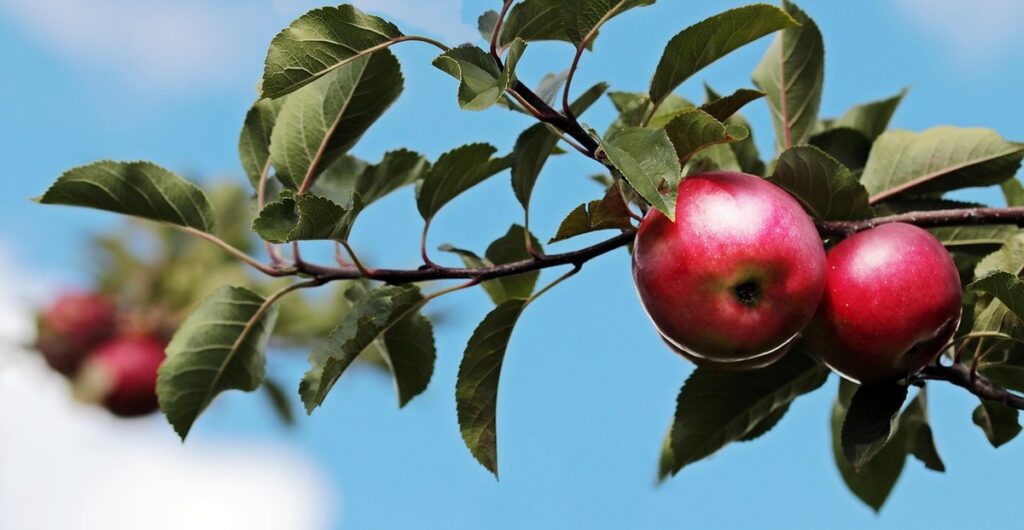
Choosing the Right Variety
When selecting a tall growing apple tree for your orchard, choosing the right variety is crucial to ensure it meets your space and climate needs. Here’s what to consider in this critical decision-making process.
Section 1.1: Popular Varieties for Height
When it comes to growing apple trees that can reach impressive heights, some varieties stand out from the rest. Among the most popular and tallest-growing apple tree varieties are ‘Red Delicious’, ‘Gala’, and ‘Granny Smith’. These beloved fruits not only produce delicious apples but also thrive in a range of environments.
‘Red Delicious’ is known for its exceptional height potential, often growing up to 20-25 feet (6-7.5 meters) tall. Its vigorous growth habit makes it an excellent choice for homeowners looking to create a stunning orchard or provide shade in their garden. ‘Gala’, another popular variety, can reach heights of up to 18-22 feet (5.5-6.5 meters) and is prized for its sweet flavor and crisp texture.
‘Granny Smith’ apple trees are also known for their remarkable height growth, often reaching 15-20 feet (4.5-6 meters) tall. This variety’s robust nature makes it an excellent choice for cooler climates, where other varieties might struggle to thrive.
Section 1.2: Factors Influencing Tree Height
When it comes to growing tall and healthy apple trees, several factors come into play. Climate is one of the most significant influencers on tree height. For example, if you live in a region with mild winters and cool summers, like the Pacific Northwest, your apple tree can grow much taller than if you were in an area with harsher weather conditions.
Soil quality also plays a crucial role in determining how tall your apple tree will grow. Apple trees prefer well-draining, fertile soil rich in organic matter. If your soil lacks these essential nutrients, it may stunt the growth of your tree. On the other hand, if you have nutrient-rich soil, prune your tree regularly to encourage vertical growth.
Pruning techniques can also make or break a tall-growing apple tree. Regular pruning not only helps maintain the overall health of the tree but also directs its energy towards producing more fruit and growing taller. By removing lower branches and cutting back any overgrown limbs, you’ll be able to promote a strong central leader and encourage upward growth.
By understanding and adjusting these factors, you can help your apple tree reach its full potential in terms of height and productivity.
Growing Conditions for Maximum Growth
To maximize growth, your apple tree needs specific conditions including a suitable climate, adequate sunlight, and optimal soil quality. Let’s dive into these essential factors.
Section 2.1: Climate Requirements
When it comes to growing tall apple trees, climate requirements play a crucial role in promoting healthy growth. Apple trees thrive in temperate climates with cool winters and warm summers. The ideal temperature range for apple tree growth is between 35°F and 90°F (2°C and 32°C), but they can tolerate temperatures as low as 25°F (-4°C) and as high as 100°F (38°C).
In terms of precipitation, apple trees require a consistent moisture level throughout the growing season. A yearly rainfall of at least 30 inches (76 cm) is recommended, with most of it falling during spring and summer months. Adequate soil drainage is also essential to prevent root rot and other water-related diseases.
To ensure your tall apple tree gets enough water, make sure the soil has good aeration and is not waterlogged. Mulching around the base of the tree can help retain moisture while preventing weeds from competing for resources. Additionally, regular monitoring of weather patterns will allow you to adjust irrigation schedules accordingly, guaranteeing optimal growth conditions for your towering apple trees.
Section 2.2: Soil Preparation
To grow tall and healthy apple trees, proper soil preparation is essential. Apple trees prefer well-draining, fertile soil with a pH between 6.0 and 7.0. If your soil’s pH level is too high or low, it may lead to nutrient deficiencies or toxicity.
In terms of nutrient content, apple trees require a balanced diet of macronutrients like nitrogen (N), phosphorus (P), and potassium (K). Nitrogen promotes leaf growth and fruit production, while phosphorus supports root development. Potassium helps regulate water balance and overall tree health.
To amend your soil, incorporate organic matter such as compost or well-rotted manure to improve its structure and fertility. You can also add a balanced fertilizer according to the manufacturer’s instructions. A general rule of thumb is to apply 1/4 cup of fertilizer per year for every inch of the tree’s trunk diameter.
Avoid over-fertilizing, as this can damage your tree’s roots and lead to disease susceptibility. Regular soil testing will help you determine its pH level and nutrient content, allowing you to make informed decisions about amendments.
Section 2.3: Sunlight and Air Circulation
When it comes to growing apple trees that can reach their maximum height potential, providing adequate sunlight and air circulation around the tree is crucial. This might seem like a no-brainer, but many gardeners inadvertently hinder vertical growth by not paying enough attention to these factors.
Sunlight, in particular, plays a significant role in photosynthesis, which is essential for healthy tree growth. Apple trees need full sun to partial shade, with at least six hours of direct sunlight per day. However, if your tree is overcrowded or surrounded by dense foliage, it can lead to disease and stunted growth.
Air circulation is equally important as it helps to prevent fungal diseases that thrive in humid conditions. Make sure there’s enough space between trees for air to circulate freely. A good rule of thumb is to plant apple trees at least 20-25 feet apart. Additionally, prune your tree regularly to maintain an open center structure, which allows sunlight and air to penetrate the canopy.
Pruning Techniques for Maximal Growth
To maximize your tree’s height, you’ll want to master the art of pruning, which we’ll break down into simple techniques in the following sections. Proper pruning is crucial to encourage vertical growth.
Section 3.1: Regular Pruning Schedule
To maximize the height of your apple tree, regular pruning is essential. Pruning helps control the tree’s growth, directing it upwards and promoting a strong, balanced structure. By regularly removing lower branches and weak growth, you’re allowing the tree to channel its energy towards vertical development.
When to prune? Prune your apple tree during the dormant season, usually between December and February. This timing allows the tree to heal quickly from pruning wounds, minimizing the risk of disease or pest infestations. Remove any dead, diseased, or damaged branches as soon as you notice them to prevent further damage.
In terms of specific pruning practices, focus on thinning out the center of the tree to allow air and light penetration. This will encourage new growth and promote a more even canopy. Remove lower branches that are rubbing against each other or growing towards the ground. For every branch removed, be sure to make a clean cut just above a bud or lateral shoot, using a sharp, sterile pruning tool.
By following this regular pruning schedule, you’ll be able to control your apple tree’s height and encourage upward growth, ultimately achieving that coveted towering stature.
Section 3.2: Thinning and Training
Thinning and training are essential techniques to control the tree’s growth and direct it towards vertical development. When your apple tree is still young, thinning involves removing select branches to allow more sunlight and air circulation to reach the remaining ones. This encourages the tree to focus its energy on growing taller and stronger.
To thin your apple tree effectively:
* Remove weak or damaged branches as soon as you notice them.
* Cut back competing branches to about one-third of their length.
* Leave at least two feet between main branches for proper air circulation.
* Prune in late winter or early spring when the tree is dormant, avoiding summer pruning which can cause stress.
Training involves guiding the tree’s growth through careful pruning and staking. This technique helps establish a strong central leader, promoting vertical development and encouraging the tree to grow taller. Regular training also ensures that your apple tree develops a well-balanced structure with evenly spaced branches. By thinning and training your apple tree, you can maximize its potential for growth and enjoy a lush harvest of delicious fruit in years to come.
Pest and Disease Management for Tall Apple Trees
When it comes to towering apple trees, managing pests and diseases is crucial to maintaining their health and ensuring a bountiful harvest. Let’s explore some essential strategies for keeping your tall apples pest- and disease-free.
Section 4.1: Common Pests Affecting Tall Apple Trees
Tall apple trees are susceptible to various pests that can cause significant damage if left unchecked. Among the most common culprits are aphids, which feed on sap and secrete sticky honeydew that attracts other insects and fosters fungal growth. These tiny, soft-bodied insects often cluster on new growth, weakening the tree’s defense mechanisms.
Codling moths, another pest to watch out for, lay eggs on apple blossoms or young fruit, resulting in worm-infested apples that must be discarded. Their larvae tunnel through the fruit, causing unsightly holes and making it difficult to identify internal damage.
Spider mites, tiny eight-legged pests, feed on sap, causing leaves to turn yellow and fall off prematurely. These pests thrive in dry conditions and can quickly multiply if not controlled promptly. Regularly inspecting your tall apple trees for signs of these pests is crucial to preventing infestations from getting out of hand.
Prevention involves maintaining a clean orchard environment, removing weeds that provide shelter for pests, and using targeted insecticides when necessary.
Section 4.2: Diseases That Can Impact Tree Height
Diseases can significantly impact an apple tree’s growth and potential height. Among these, powdery mildew is a common issue that affects many tall-growing apple varieties. Caused by the fungus Podosphaera leucotricha, it results in white powder covering the leaves and stems. If left unchecked, this disease can lead to reduced photosynthesis and plant vigor, ultimately stunting the tree’s height.
Fire blight, on the other hand, is a bacterium that affects apple trees through open wounds or natural openings. Caused by Erwinia amylovora, it produces blackened or bronzed areas on branches and twigs, often accompanied by oozing cankers. Fire blight not only reduces tree height but also spreads to nearby trees and can be fatal if not treated promptly.
Apple scab is another significant disease affecting tall-growing apple varieties. Caused by Venturia inaequalis, it leads to yellow or black spots on leaves that often fall off prematurely. This compromises the tree’s ability to grow new foliage and absorb sunlight, resulting in stunted height growth.
Preventative measures such as pruning infected areas, using fungicides, and maintaining good orchard hygiene can help mitigate these diseases. Regular monitoring of your trees and adopting Integrated Pest Management (IPM) strategies can also contribute significantly to minimizing disease impact on tall-growing apple trees.
Harvesting the Fruits of Your Labor
Now that you’ve planted and nurtured your towering apple tree, it’s time to reap what you’ve sown: harvesting a bountiful crop of delicious apples. This section will guide you through the process.
Section 5.1: Timing for Optimal Fruit Production
Timing for Optimal Fruit Production is crucial when it comes to tall apple trees. Typically, you can expect to harvest apples from a mature tree within 2-5 years after planting, depending on the variety and growing conditions. For some dwarf or semi-dwarf varieties, the first harvest may occur as early as 1-2 years after planting.
Once your tall apple tree has reached maturity, you can expect two main harvest periods: a primary season in late summer to early fall (August to September), and a secondary period in late fall (October to November). This is because some varieties produce multiple crops throughout the year. For example, ‘Red Delicious’ trees often produce a second crop about 30 days after the initial harvest.
To optimize fruit production, ensure your tree receives regular maintenance, including pruning, watering, and fertilization. This will promote healthy growth and encourage more flowers to bloom, ultimately leading to a higher yield of delicious apples. Regular monitoring of your tree’s progress and adjusting your care routine accordingly will also help you pinpoint the optimal timing for subsequent harvests.
Section 5.2: Choosing the Right Variety for Your Needs
When it comes to selecting the perfect apple tree variety for your needs, there are several factors to consider beyond its towering height. The flavor profile, texture, and shelf life of a particular variety can greatly impact how you use your apples.
For example, if you’re looking to add some sweetness to your baked goods or savory dishes, opt for varieties like the ‘Gala’ or ‘Fuji’, which are known for their high sugar content. On the other hand, if you prefer a tangier taste in your fresh salads or snacking, choose varieties like ‘Granny Smith’ or ‘Braeburn’.
When it comes to texture, some apples hold their shape well after cooking (like the ‘Honeycrisp’), while others tend to break down and become soft (like the ‘Golden Delicious’). If you’re planning to use your apples for cooking or canning, this is a crucial consideration.
Shelf life is another essential factor. Some apple varieties last longer than others when stored properly. For instance, ‘Red Delicious’ can stay fresh for up to 5 months in storage, while ‘ McIntosh’ tends to spoil faster.
As you choose your variety, think about how you plan to use your apples and select one that meets those needs.
Conclusion and Final Tips
Now that you’ve learned how to choose, plant, and care for your tallest growing apple trees, let’s wrap up with some final tips to ensure their continued success.
Section 6.1: Recap of Key Takeaways
As we conclude our comprehensive guide to growing tall apple trees, let’s take a moment to recap the key takeaways from each section. You now have a solid understanding of what it takes to cultivate towering apple trees that bring you an abundance of delicious fruit.
From Section 2: Choosing the Right Apple Tree Variety, you know how to select the ideal tree for your climate and desired growth pattern. This includes identifying disease-resistant varieties like ‘Red Delicious’ or ‘Gala’, which can grow up to 20-25 feet tall. You’ve also learned about factors such as rootstock, pollination requirements, and fruit characteristics.
Section 3: Soil and Nutrition covered the importance of rich soil with adequate nutrients for optimal growth. We discussed how to create a balanced fertilizer blend using organic matter like compost or manure tea.
Additionally, we explored pruning techniques in Section 4: Pruning for Height and Fruit Production, which included methods for promoting vertical growth while maintaining fruit-bearing branches.
By incorporating these key takeaways into your apple tree growing strategy, you’ll be well on your way to cultivating the tallest growing apple trees possible.
Section 6.2: Additional Considerations
As you embark on growing one of the tallest apple trees, it’s essential to be aware of some additional considerations that can impact their health and productivity. One common issue is dealing with root competition from nearby plants. To minimize this risk, ensure you plant your tree in well-draining soil and provide enough space for its roots to grow freely.
Another factor to consider is pruning techniques. Regular pruning will not only promote healthy growth but also encourage the development of a strong branch structure that can support heavy fruit loads. It’s crucial to learn proper pruning methods to avoid damaging the tree or reducing its lifespan.
Experimenting with different varieties can also help you find what works best for your specific situation. Some trees are more resistant to diseases, while others thrive in cooler climates. Research and choose a variety that suits your local conditions and preferences.
Finally, keep an eye out for pests like codling moths and aphids, which can significantly impact fruit yields. Implement integrated pest management strategies to maintain a balanced ecosystem and ensure the health of your tree.
Frequently Asked Questions
How often should I prune my tall growing apple trees for maximum growth?
Pruning is a crucial aspect of promoting healthy growth and maximizing your tree’s potential. To achieve the best results, aim to prune your apple trees at least twice a year: once in late winter or early spring to remove any dead or damaged branches, and again in mid-summer to promote new growth and fruiting.
Can I grow tall growing apple trees in containers?
Yes, you can grow tall growing apple trees in containers. However, it’s essential to choose a container that is at least 24 inches deep to provide enough room for the tree’s root system to develop. Also, make sure your container has good drainage holes and use a well-draining potting mix to prevent waterlogged soil.
How can I protect my tall growing apple trees from pests like codling moths?
Codling moths are a common pest that can significantly impact apple production. To protect your tree, wrap it in fine-mesh bags or row covers during the summer months when codling moths are most active. You can also use organic pesticides like Bt (Bacillus thuringiensis) or spinosad to control infestations.
What are some common mistakes people make when growing tall growing apple trees?
One common mistake is over-pruning, which can stress the tree and lead to reduced fruit production. Another mistake is not providing enough sunlight and air circulation, which can cause fungal diseases like powdery mildew or scab. Make sure to prune your tree correctly and provide at least six hours of direct sunlight per day.
Can I grow multiple varieties of tall growing apple trees together in the same orchard?
Yes, you can grow multiple varieties of tall growing apple trees together in the same orchard, but it’s essential to choose varieties that have similar growth habits and space requirements. This will help prevent overcrowding and competition for resources like water and nutrients. Also, consider planting a mix of early, mid-season, and late varieties to ensure a prolonged harvest season.