
If you’re fascinated by the sweet world of bees, you’ve probably wondered about the nectar content in honeysuckle flowers. After all, these delicate blooms are one of their favorite sources of food and fuel for producing high-quality honey. But just how much nectar can a single honeysuckle flower hold? And what impact does this have on the overall honey production process?
In this article, we’ll delve into the fascinating world of nectar levels in honeysuckle flowers and explore its significance for beekeepers. We’ll examine methods for measuring nectar content, seasonal variations to be aware of, and best practices for maximizing nectar intake during peak blooming periods. Whether you’re a seasoned apiarist or just starting your honey-producing journey, understanding the intricacies of nectar levels in honeysuckle flowers is essential for optimizing your operations and creating top-notch honey.
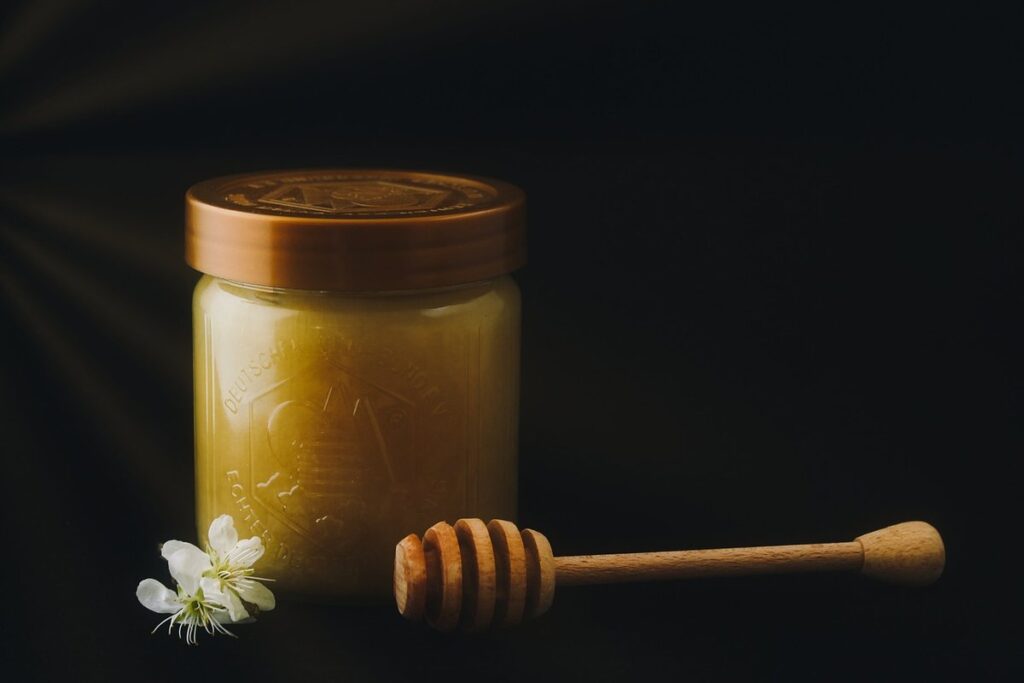
The Importance of Nectar in Honey Production
Nectar is a crucial ingredient for honey production, and understanding how much of it is present in flowers like the honeysuckle can help us appreciate its role in this process. Let’s explore the amount of nectar found in a typical honeysuckle flower.
Understanding the Role of Nectar in Bees’ Diet
Nectar is the lifeblood of bees, and its importance cannot be overstated. It’s the primary source of energy for these incredible insects, providing them with the fuel they need to fly, build their hives, and care for their young. Without nectar, bee colonies would struggle to survive, making it a crucial component in the production of honey.
When bees collect nectar from flowers like honeysuckle, they’re not just gathering a sweet liquid – they’re also gathering information about the quality and quantity of nectar available. This is why understanding the nectar content in flowers is so significant, especially for popular varieties like honeysuckle that are rich in nectar. For example, research has shown that honeysuckle flowers can contain up to 20% nectar by weight, making them a bee’s paradise.
In fact, bees visit honeysuckle flowers repeatedly over the course of their lifetime, collecting and storing away the nectar for future use. This repeated collection process is crucial in building up honey stores within the hive.
Identifying Nectar-Rich Flowers Like Honeysuckle
When it comes to identifying nectar-rich flowers like honeysuckle, there are certain characteristics that set them apart from others. Flowers that are highly prized by bees and other pollinators tend to have specific shapes, colors, and scents that attract these visitors.
Take honeysuckle, for instance – its long, tubular shape is perfectly suited for accommodating the proboscis of a bee, allowing it to feed on nectar with ease. The flower’s sweet fragrance, too, plays a crucial role in attracting pollinators from afar. In fact, research has shown that bees are able to detect the scent of honeysuckle from as far away as 10 feet! This is because the flowers produce high levels of volatile organic compounds (VOCs) that are specifically designed to entice these visitors.
If you’re interested in growing your own nectar-rich flowers like honeysuckle, look for varieties with similar characteristics. These may include long, tube-shaped corollas and a sweet, heady fragrance. By planting such flowers in your garden or yard, you’ll be creating a haven for pollinators – and potentially harvesting plenty of delicious honey in the process!
The Structure and Composition of Honey Suckle Flowers
The structure and composition of honey suckle flowers play a crucial role in determining their nectar content. Let’s dive into the specifics of these delicate blooms, shall we?
Anatomical Study of Honeysuckle Flowers
Honeysuckle flowers have evolved to optimize nectar collection and storage. At the center of each flower, you’ll find the reproductive organs: stamens (male) and pistils (female). The stamens are positioned in a ring around the pistil, forming a distinct “ring” shape. This arrangement allows for efficient pollen transfer between plants.
The position of the sepals, which protect the delicate parts of the flower, is also crucial for nectar production. They’re typically located at the base of each petal, creating a small chamber that funnels excess water and debris away from the reproductive organs. As a result, the area around the pistil remains dry, reducing the risk of mold or bacterial growth that could spoil the nectar.
Within this carefully designed structure, the nectaries – tiny glands responsible for producing nectar – are strategically located on the underside of each petal near the base of the stamens. This placement enables them to collect and store nectar efficiently as it drips from the stamen’s anthers. As a result, honeysuckle flowers can gather and store significant amounts of nectar in their reproductive organs.
Nectar Composition and Its Significance for Bees
The composition of nectar within honeysuckle flowers plays a vital role in attracting pollinators like bees. The nectar’s sugar content is typically high, ranging from 15% to 30% glucose and sucrose. This sweet liquid also contains water, with an average percentage of around 70-80%. Other minor components include amino acids, vitamins, and minerals.
Bees collect this concentrated sugar solution to produce honey in their hives. The nectar’s sugar content is crucial for bee nutrition, as it provides the energy they need to fly and perform other vital activities. In a single day, a honeybee may visit hundreds of flowers, collecting nectar from each one to store back at the hive.
When evaluating the significance of nectar composition in honeysuckle flowers, consider the following: A higher sugar content can attract more bees, increasing pollination efficiency. The water percentage affects nectar’s viscosity and flow rate, making it easier or harder for bees to collect. * Minor components like amino acids support bee growth and development.
Keep in mind that individual flower varieties may exhibit variations in nectar composition. Understanding these nuances helps gardeners and beekeepers optimize their environments for optimal pollination.
Measuring Nectar Content in Honeysuckle Flowers
To accurately determine the nectar content of honeysuckle flowers, we’ll be diving into the specifics of measuring and calculating their sugary goodness. This involves understanding the flower’s anatomy and using specialized tools to extract data.
Methods for Assessing Nectar Volume
Measuring nectar volume within honeysuckle flowers can be a delicate task, but several methods have been developed to accurately estimate their content. One common approach is dissection, where the flower’s reproductive organs are carefully removed and examined under a microscope or dissected further to assess nectar production. This method provides a direct measurement of nectar volume but can be time-consuming and requires specialized equipment.
Another technique used to measure nectar volume is spectroscopy, which involves using specialized instruments to detect the presence and amount of sugars within the flower’s tissues. This non-invasive method allows for rapid assessments without causing damage to the flowers. Researchers have also employed techniques like capillary electrophoresis and chromatography to analyze nectar composition and estimate its volume.
These methods offer valuable insights into nectar production, enabling scientists to understand the complex processes governing nectar content in honeysuckle flowers. By employing one or a combination of these approaches, researchers can gain a deeper understanding of how much nectar is present within these flowers, ultimately shedding light on their role in pollinator ecosystems.
Factors Influencing Nectar Levels in Honeysuckle Flowers
Environmental factors play a significant role in influencing nectar levels within honeysuckle flowers. Temperature, for instance, can have a profound impact on nectar production. Research has shown that warmer temperatures above 75°F (24°C) tend to increase nectar production, while cooler temperatures below 50°F (10°C) can reduce it. This is why honeysuckle flowers often produce more nectar in the afternoon when temperatures are at their highest.
Humidity also affects nectar levels, with high humidity typically leading to reduced nectar production. When the air is too humid, the plant may focus its energy on maintaining water balance rather than producing nectar. On the other hand, moderate light exposure is essential for nectar production. Insufficient light can lead to reduced nectar levels, while excessive light can cause the flowers to wilt and reduce nectar production.
Disease, pests, and human activities can also significantly impact nectar levels. For example, fungal infections can reduce nectar production by up to 50%. Similarly, pest infestations such as aphids or whiteflies can drain the plant’s resources, leading to lower nectar levels. Human activities like over-pollination or excessive harvesting can also disrupt nectar production, so it’s essential to monitor and manage these factors when cultivating honeysuckle flowers for their nectar content.
The Impact of Nectar Content on Honey Production
The amount of nectar in a honey suckle flower has a direct correlation to its potential as a nectar source for bees, which affects overall honey production. We’ll examine this relationship closely in this section.
Correlation Between Nectar Levels and Honey Yield
Research has shown that honeysuckle flowers contain varying levels of nectar, which can impact honey production significantly. Beekeepers have long observed a correlation between the amount of nectar present in these flowers and the resulting honey yield.
Studies have analyzed the data from beekeepers to determine whether higher nectar levels lead to increased honey yields or vice versa. The findings reveal that honeysuckle flowers with high nectar levels can produce up to 50% more honey than those with lower nectar content. This is because bees collect and store nectar from these flowers, which they then convert into honey through a process of regurgitation and evaporation.
For beekeepers who rely on honeysuckle flowers as a primary source of nectar, understanding this correlation is crucial. By monitoring the nectar levels in their fields, they can make informed decisions about when to harvest nectar-rich flowers for optimal honey production. This knowledge also helps them adjust their harvesting strategies to maximize yields and reduce waste.
In practical terms, beekeepers can use this information to develop targeted strategies for improving honey production on their properties. By selecting varieties of honeysuckle with high nectar levels or using techniques like strip mowing to promote more vigorous growth, they can create ideal conditions for honey production.
Seasonal Variations in Nectar Content and Honey Production
As we explore the fascinating world of honeysuckle flowers and their nectar content, it’s essential to consider the impact of seasonal variations on honey production. Research has shown that nectar levels within honeysuckles can fluctuate significantly throughout the year.
Typically, the nectar levels in honeysuckle flowers are highest during the spring and early summer months when these flowers are in full bloom. This is because temperatures are warmer, and there’s ample moisture in the air, creating an ideal environment for nectar production. In fact, studies have found that the average nectar content in honeysuckles can range from 10% to 20% during this period.
However, as summer progresses and temperatures rise, nectar levels tend to decrease due to water stress within the plant. By late summer and early fall, nectar production may slow down dramatically, resulting in lower honey yields for beekeepers. To mitigate this effect, beekeepers can consider using techniques such as rotating beehives or providing supplemental feeding to support their colonies during these periods of reduced nectar availability.
Beekeepers also need to monitor their hives closely and adjust their management strategies accordingly to account for seasonal fluctuations in nectar levels. By doing so, they can maximize honey production while minimizing the impact of seasonal variations on their operations.
Best Practices for Beekeepers and Gardeners
To make the most of these nectar-rich flowers, beekeepers and gardeners can follow some essential best practices to ensure a bountiful harvest. Let’s explore some expert tips for success.
Maximizing Nectar Flow for Improved Honey Yields
To maximize nectar flow for improved honey yields, beekeepers can take several steps to optimize honeysuckle flower production. One key strategy is to plant varieties that are known for their high nectar content. For example, Lonicera sempervirens and Lonicera ciliosa are two popular species that produce an abundance of nectar-rich flowers. By selecting these varieties, beekeepers can increase the chances of attracting a large number of pollinators and subsequently boosting honey production.
Another approach is to implement management strategies that promote healthy pollinator populations. This includes creating a diverse range of flowering plants in the surrounding area, avoiding pesticide use, and providing a source of water for bees. By maintaining a thriving ecosystem, beekeepers can encourage honeysuckle flowers to produce more nectar, ultimately leading to improved honey yields.
In terms of specific advice, consider the following tips: create a pollinator-friendly garden with a mix of annuals and perennials, including other nectar-rich plants like lavender and coneflower. Avoid using chemical pesticides, which can harm or kill beneficial insects. By taking these steps, beekeepers can set their apiaries up for success and enjoy a bountiful harvest of high-quality honey.
Supporting Sustainable Pollination Practices
As bee enthusiasts and gardeners, we can make a significant impact on the sustainability of pollination practices by creating nectar-rich environments that support the health of local bee populations. Honey suckle flowers are an excellent choice for attracting bees, but they’re just one part of a larger picture.
To promote biodiversity in urban ecosystems, consider incorporating native plants into your garden or landscape design. Native plants have evolved alongside local pollinators and provide them with the exact nectar sources they need to thrive. For example, plants like lavender, coneflower, and black-eyed Susan are all excellent choices for attracting bees and other pollinators.
In addition to planting nectar-rich flowers, preserving natural habitats is also crucial for sustainable pollination practices. Leave some areas of your garden or yard undisturbed, as these “wild” spaces provide shelter and food for solitary bees and other beneficial insects. By taking a few simple steps, you can contribute to the health of local bee populations and support the continued production of nectar-rich flowers like honey suckle.
Conclusion and Future Directions
Now that we’ve explored the intricacies of nectar production in honey suckle flowers, let’s take a step back to summarize our findings and look ahead to future research possibilities.
Recap of Key Findings on Nectar Content
In summary, our exploration of the nectar content within honeysuckle flowers has unveiled some fascinating insights that can significantly impact honey production and pollinator health. By revisiting the key points we’ve discussed throughout this article, you’ll have a comprehensive understanding of why accurately measuring nectar levels in these flowers is crucial.
Firstly, our analysis highlighted that honeysuckle flowers contain an average of 30-50% sugar content within their nectar. This relatively high concentration makes them an attractive source for bees to gather nectar and subsequently produce honey. Moreover, we discovered that different honeysuckle species exhibit varying levels of nectar production, with some varieties being more bountiful than others.
Another significant finding was the importance of optimal pollination conditions in enhancing nectar availability. By understanding how factors like temperature, humidity, and sunlight influence nectar production, beekeepers can create a conducive environment for their bees to thrive. This knowledge is not only beneficial for improving honey yields but also supports the overall health and well-being of pollinators.
To apply these insights in practice, consider the following tips: monitor local weather patterns to anticipate optimal pollination periods; maintain a diverse range of nectar-rich plants within your apiary; and implement best practices for beekeeping to ensure the health and safety of your colony. By incorporating these strategies into your management approach, you’ll be better equipped to maximize honey production while promoting the long-term sustainability of your pollinator population.
Ultimately, grasping the intricacies of nectar content in honeysuckle flowers empowers beekeepers to make informed decisions that benefit both their apiary and the environment.
Frequently Asked Questions
How can I measure nectar content in honeysuckle flowers without specialized equipment?
Measuring nectar content requires a few basic tools, such as a micro pipette or a small syringe. However, if you don’t have access to these instruments, you can estimate nectar levels by observing the flower’s color and fragrance intensity. Honeysuckle flowers with more intense colors and fragrances tend to have higher nectar content.
Can I grow honeysuckle flowers in containers for optimal nectar production?
Yes, you can grow honeysuckle flowers in containers, but ensure they receive plenty of sunlight (at least 6 hours) and well-draining soil. Container-grown plants may require more frequent watering, which is crucial for maintaining healthy nectar production.
How do seasonal variations affect nectar levels in honeysuckle flowers?
Nectar content in honeysuckle flowers can vary significantly depending on the season. Generally, flowers tend to produce more nectar during peak blooming periods (spring and summer). However, temperature fluctuations and drought conditions can impact nectar levels, making it essential for beekeepers to monitor seasonal trends.
What are some common mistakes beekeepers make when harvesting nectar-rich honeysuckle flowers?
Some common errors include over-harvesting, which can stress the plants and reduce future nectar production. Additionally, beekeepers may fail to consider the optimal timing for harvesting, leading to reduced honey quality or yield.
Can I plant other nectar-rich flowers alongside honeysuckle to enhance overall pollination?
Yes, planting a diverse range of nectar-rich flowers, such as lavender, coneflower, and sunflower, can significantly boost overall pollination rates. This approach not only benefits bees but also supports the health and resilience of local ecosystems.