
If you’re like most garden enthusiasts, you’ve probably grown sunflowers at some point in your gardening journey. But have you ever stopped to think about all the amazing varieties out there? From towering giants with giant flowered blooms to delicate velvety petal varieties, each type of sunflower has its own unique charm and characteristics. Not only do these beautiful flowers add a pop of color and texture to any garden, but they’re also relatively easy to grow – making them perfect for beginners and experienced gardeners alike. In this article, we’ll take you on a tour of the different types of sunflowers, highlighting their key features and providing expert tips on how to grow them in your own backyard. By the end of this guide, you’ll be inspired to add some new and exciting sunflower varieties to your garden!
History and Origins of Sunflowers
Sunflowers have been a beloved flower for centuries, and understanding their history and origins can help you appreciate these bright blooms even more. Let’s dive into where sunflowers came from and how they’ve evolved over time.
The Ancient Roots of Sunflowers
Sunflowers have been a staple in human culture for thousands of years, with their tall stature and bright yellow petals making them an iconic symbol of warmth and sunshine. But where did this majestic flower originate? The answer lies in the rich history of ancient civilizations.
The earliest known evidence of sunflower cultivation dates back to around 3000 BCE in Mexico, specifically among the Aztecs and Incas. These cultures revered sunflowers for their beauty, nutritional value, and spiritual significance. They used sunflower oil as a form of currency and even incorporated sunflower seeds into their sacred rituals.
As civilizations rose and fell, sunflowers spread throughout history. The Greeks and Romans prized sunflowers for their medicinal properties, while in the United States, they became a staple crop among Native American tribes. Today, sunflowers continue to grow and thrive worldwide, with over 70 different species recognized by botanists.
When cultivating your own sunflowers, it’s essential to appreciate the rich history behind this stunning flower. By understanding where sunflowers come from, you can better appreciate their unique characteristics and adapt them to your garden needs. Whether you’re a seasoned gardener or just starting out, embracing the ancient roots of sunflowers will undoubtedly enrich your experience with these majestic blooms.
Sunflowers in Modern Agriculture
Sunflowers have become an integral part of modern agriculture, serving multiple purposes that go beyond their ornamental value. One of the primary uses of sunflowers is as a crop for oil production. Sunflower oil, extracted from the seeds, is used as a cooking oil and in various industrial applications due to its high smoke point and nutritional benefits.
Another significant use of sunflowers is as livestock feed. Sunflower meal, a byproduct of oil extraction, is rich in protein and is often blended with other grains to create a nutritious feed for poultry and cattle. This makes sunflowers an attractive crop for farmers looking to diversify their income streams.
In addition to their practical uses, sunflowers are also grown as ornamental plants, adding beauty and wildlife value to fields and landscapes. Breeders have developed specific varieties that excel in these areas, such as the ‘Mammoth’ variety, known for its towering height and large blooms, which make it a popular choice for cut flower arrangements.
When selecting sunflower varieties for modern agriculture, farmers should consider factors like oil content, disease resistance, and adaptability to local growing conditions. By choosing the right variety, farmers can optimize their yields and reduce costs associated with crop management.
Classification and Types of Sunflowers
Sunflowers come in a wide range of shapes, sizes, and colors, each belonging to one of several distinct categories. Let’s explore the main types and classifications that make up this beautiful flower family.
Annual vs. Perennial Sunflowers
When it comes to sunflower varieties, one key distinction lies between annual and perennial types. Annual sunflowers complete their life cycle within a year, germinating, growing, producing flowers, and dying off as the seasons change. These varieties are ideal for gardeners who want quick results or prefer not to worry about overwintering plants.
Perennial sunflowers, on the other hand, regrow year after year from the same roots, offering a more low-maintenance option. They typically require less maintenance than annuals and can provide flowers for multiple seasons. Some popular perennial varieties include ‘Velvet Queen’, ‘Soraya’, and ‘Moulin Rouge’.
Annual sunflowers are often used as cut flowers or grown for their large blooms in gardens. Their shorter life cycle allows for more flexibility in planning, making them suitable for areas with harsh winters or limited growing seasons.
In contrast, perennial sunflowers can serve as a natural screen or attract pollinators to your garden. By understanding the characteristics of each type, you can choose which variety best fits your needs and preferences.
Dwarf vs. Tall Sunflowers
When it comes to sunflower varieties, one of the most significant differences lies between dwarf and tall sunflowers. Dwarf sunflowers, as their name suggests, grow much shorter than their taller counterparts, typically reaching heights of 12-36 inches (30-90 cm). These compact plants are ideal for small gardens or containers and make excellent choices for cut flower arrangements.
In contrast, tall sunflowers can reach staggering heights of over 6 feet (1.8 meters) or more, making them a stunning addition to any garden or landscape. They produce larger blooms and often have a more robust stem structure, which makes them better suited for large-scale floral displays.
One key consideration when choosing between dwarf and tall sunflowers is their purpose in the garden. If you’re looking for a low-maintenance, compact option that’s perfect for small spaces, dwarf sunflowers are an excellent choice. However, if you want to create a dramatic display or harvest seeds for eating, tall sunflowers may be the better option.
When growing either type, it’s essential to provide adequate support, as both can become top-heavy with heavy blooms. For tall varieties, consider staking them to prevent wind damage and ensure they stay upright throughout their growth cycle.
Ornamental Sunflower Varieties
Let’s take a look at some of the most stunning ornamental sunflowers that are perfect for adding a pop of color and beauty to your garden, from delicate petals to vibrant blooms.
Velvety Petal Varieties
Velvety petal sunflower varieties are truly unique and add an extra layer of charm to any flower arrangement. These blooms boast soft, velvety petals that not only provide a tactile experience but also create a stunning visual effect. The texture is often described as plush or suede-like, giving the appearance of delicate velvet.
One of the most striking characteristics of velvety petal sunflowers is their color palette. While traditional sunflowers are known for their bright yellow petals, velvety petal varieties come in an array of colors, including soft pastels like pale pink and baby blue, as well as deeper tones such as burgundy and plum.
When it comes to growth habits, velvety petal sunflowers tend to be a bit more compact than their full-sized counterparts. This makes them perfect for smaller spaces or container gardens. They also often produce multiple blooms per stem, creating an abundance of velvety petals to enjoy. Popular varieties include ‘Teddy Bear’ and ‘Red Sun’, both of which are highly sought after for their unique texture and vibrant colors. To incorporate these stunning sunflowers into your flower arrangements, try pairing them with greenery like eucalyptus or ferns to create a lush, textured look.
Large-Headed Varieties
Large-headed sunflower varieties are truly showstoppers, offering massive blooms that can reach up to 12 inches in diameter. These stunning flowers are perfect for adding a dramatic touch to gardens or as a statement piece in floral arrangements. Not only do they make a visual impact, but their strong stems also provide stability and support, making them an excellent choice for cut flower arrangements.
When choosing large-headed sunflower varieties, consider factors such as bloom size, stem length, and growth habit. Some popular varieties include ‘Mammoth’ and ‘Velvet Queen’, which boast massive blooms and sturdy stems. For gardeners looking to add some drama to their outdoor space, plant these varieties in full sun and well-drained soil for optimal results.
In the garden, large-headed sunflowers can be used as a focal point or as part of a mixed border. They also make excellent cut flowers, adding a pop of color and texture to bouquets and arrangements. With proper care, including deadheading and staking, these varieties will provide weeks of enjoyment and beauty in the garden.
Edible Sunflower Varieties
When it comes to sunflowers that are safe for snacking, there are several varieties worth exploring, including those with seeds that taste like pumpkin and others with nutty flavors.
Sun-Chokes and Sunflower Seeds
Growing edible sunflowers for their delicious seeds and seedlings is a rewarding experience. These versatile plants are easy to cultivate and can be harvested at different stages of growth. To grow sun-chokes, plant high-moisture varieties such as ‘Mammoth’ or ‘Peredovik’, which have large taproots that can be eaten raw or cooked.
For optimal seed production, choose sunflower varieties like ‘Velvet Queen’ or ‘Red Sun’, which are bred specifically for their edible seeds. Sow the seeds 1 inch deep and 6 inches apart in well-draining soil with full sun. Water regularly and fertilize when necessary to promote healthy growth.
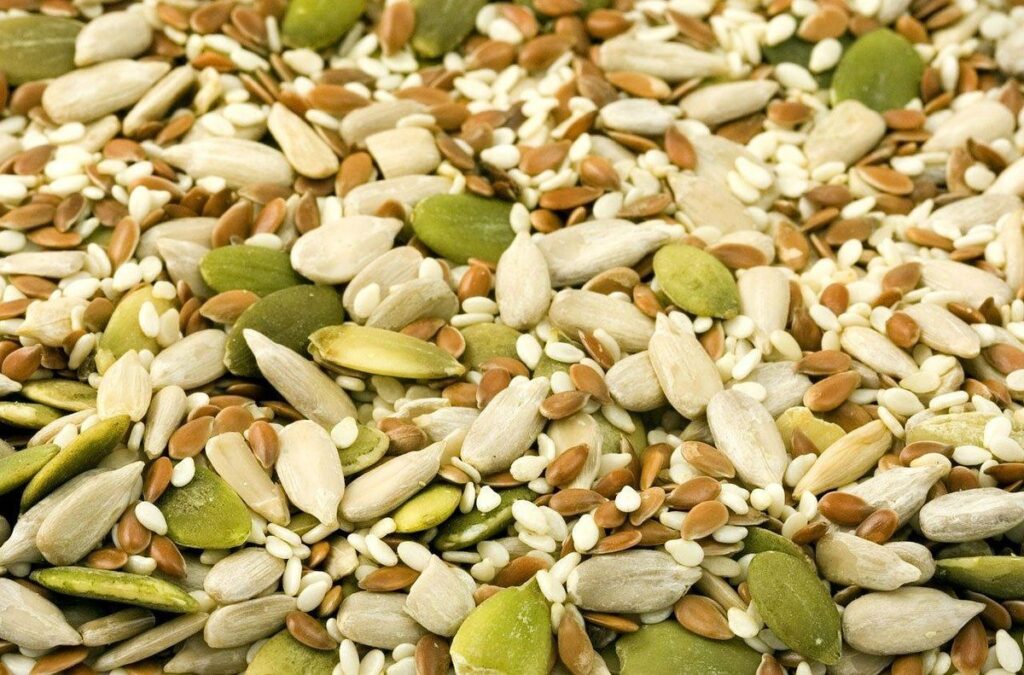
As the plants mature, wait until the petals have dropped off and the back of the flower head has turned a light brown color. Cut off the flower heads, dry them upside down for a few days, then thresh the seeds from the disc florets. You can roast or add sunflower seeds to salads, granola, or stir-fries.
When harvesting seedlings, dig up the taproots after 60-90 days of growth and use them in soups, stews, or as a side dish. Simply peel the roots, chop, and sauté with garlic for a delicious and nutritious meal.
Leafy Greens Varieties
Leafy greens sunflower varieties are a delightful addition to any garden or kitchen. These unique sunflowers produce edible leaves that can be harvested and used as a salad green or cooked like a vegetable. One popular variety is the ‘Sungold’ leafy greens sunflower, which boasts tender leaves with a sweet, slightly tangy flavor. Its texture is similar to lettuce, making it perfect for salads.
For cooking, try sautéing the leaves with garlic and lemon juice for a tasty side dish. Another option is to use them in place of spinach or kale in your favorite recipes. ‘Red Sun’ leafy greens sunflower has striking red-veined leaves that add visual appeal to any dish. When using these varieties, be sure to harvest the leaves regularly to encourage new growth and prevent flowering.
Keep in mind that leafy greens sunflowers can grow quite large, so provide them with adequate space and support. With proper care, you’ll enjoy a bountiful harvest of delicious leaves all season long.
Specialized Sunflower Varieties
Some sunflower varieties stand out from the crowd, boasting unique characteristics and traits that make them perfect for specific purposes. These specialized sunflowers are sure to capture your attention.
Mammoth vs. Velour Sunflowers
When it comes to choosing the right sunflower variety for your garden, two popular options are Mammoth and Velour. While both varieties offer stunning blooms and attractive foliage, they have distinct growth habits, blooming patterns, and uses.
Mammoth sunflowers are known for their towering height, often reaching up to 12 feet tall! They produce large, bright yellow blooms with dark centers that can grow up to 16 inches in diameter. These giants are perfect for creating a dramatic focal point in your garden or making a statement in a cut flower arrangement. However, they require full sun and well-drained soil, and their massive size can make them prone to wind damage.
In contrast, Velour sunflowers are shorter and more compact, typically growing between 3-6 feet tall. Their blooms are smaller but no less striking, with soft, velvety petals in shades of yellow, orange, and red. Velours are ideal for adding a pop of color to small gardens or containers, and their shorter stature makes them easier to care for.
When deciding between these two varieties, consider your garden’s size, soil type, and desired level of maintenance. If you want to create a dramatic statement piece, Mammoth might be the way to go. But if you’re looking for a more compact, low-maintenance option, Velour sunflowers are an excellent choice.
Giant Flowered Varieties
Giant flowered sunflower varieties are truly showstoppers in any garden or arrangement. These majestic blooms can reach up to 12 inches in diameter and weigh a whopping 20 pounds! Their massive petals come in a variety of colors, including vibrant yellows, oranges, and even bi-colored patterns.
One of the standout characteristics of giant flowered sunflowers is their incredible stem strength. They typically grow between 6-10 feet tall, providing an impressive backdrop for any garden bed or vase arrangement. This makes them perfect for adding a dramatic touch to wedding bouquets or centerpieces.
When growing giant flowered sunflowers in your garden, it’s essential to provide them with sturdy support. You can use stakes or a trellis to keep them upright and prevent damage from strong winds. These sunflowers also thrive in full sun and well-draining soil, making them ideal for gardens with plenty of sunlight.
In addition to their stunning appearance, giant flowered sunflowers are also excellent cut flowers. They have an incredibly long vase life, often lasting up to two weeks when properly cared for.
Growing and Care Tips for Sunflowers
Now that you know some of the different varieties of sunflowers, let’s talk about how to grow and care for them to get the best results in your garden. With a few simple tips, you can coax these towering flowers into thriving beauty.
Planting and Soil Requirements
When it comes to planting sunflowers, proper soil preparation and spacing are crucial for their growth. Start by selecting a spot with full sun (at least 6 hours of direct sunlight) and well-drained soil. If your native soil is heavy clay or sandy, mix in some organic matter like compost or manure to improve its structure.
For optimal growth, plant sunflower seeds about 1 inch deep and 6 inches apart. Water the area thoroughly after planting and keep the soil consistently moist during the first few weeks. As the plants grow, space them farther apart (about 3 feet) to prevent overcrowding.
Different varieties of sunflowers have unique requirements. For example, dwarf varieties like ‘Teddy Bear’ require shallower planting depths (about 1/2 inch), while tall varieties like ‘Mammoth’ need more support to prevent them from toppling over in strong winds. Research specific growing instructions for the variety you’re cultivating to ensure the best results.
Keep in mind that sunflowers are sensitive to extreme weather conditions, so plant them after the last frost and before the first one. This will give them a head start on the growing season and help prevent damage from sudden temperature fluctuations.
Watering and Fertilization Needs
When it comes to watering and fertilizing your sunflower plants, getting it just right is crucial for their growth and overall health. Sunflowers are relatively drought-tolerant, but they still require consistent moisture, especially when they’re producing flowers.
To avoid overwatering, make sure the soil drains well and has good aeration. A general rule of thumb is to water your sunflowers once or twice a week, depending on weather conditions. If you’re unsure whether it’s time to water, stick your finger into the soil up to the first knuckle – if the soil feels dry, it’s time for some H2O.
On the other hand, underwatering can cause stress and reduce flower production. Aim to provide about 1 inch of water per week through rainfall or irrigation. As for fertilization, feed your sunflowers with a balanced fertilizer (10-10-10) once a month during the growing season. You can also side-dress with a high-phosphorus fertilizer to promote blooming and fruiting.
Some varieties, like ‘Mammoth’ and ‘Velvet Queen’, have specific watering needs due to their larger sizes or more delicate petals. For these sunflowers, be sure to provide extra support and care to ensure they thrive.
Conclusion and Future Trends
Now that you’ve learned about the different varieties of sunflowers, let’s take a look at what’s next for these stunning flowers. We’ll explore their future trends in cultivation and use.
The Importance of Sunflower Diversity
Maintaining diversity in sunflower varieties is crucial for both agricultural and ornamental purposes. When it comes to food production, having a range of sunflower varieties with different traits can help farmers adapt to changing weather conditions, pests, and diseases. For instance, some sunflowers are bred to be drought-tolerant, while others have resistance to certain fungal infections.
In terms of ornamental value, diversity in sunflower varieties ensures that gardeners have access to a wide range of colors, heights, and flower sizes. This variety caters to different design aesthetics and allows for more creativity when designing gardens or bouquets. Moreover, having diverse sunflower varieties can also support biodiversity by attracting pollinators like bees and butterflies.
Looking ahead, future trends in breeding new sunflower varieties focus on incorporating desirable traits such as improved yield, disease resistance, and enhanced nutritional content. Scientists are working on developing sunflowers that can thrive in challenging environments, including those with limited water resources or high levels of salinity. Additionally, there is a growing interest in creating sunflowers with unique characteristics like edible petals or leaves.
To incorporate diversity into your own sunflower cultivation, consider the following tips:
• Plant multiple varieties together to create a diverse and resilient crop
• Experiment with different breeding programs that focus on specific traits
• Support local farmers who prioritize biodiversity in their operations
By embracing the importance of sunflower diversity, you can not only contribute to sustainable agriculture but also add variety and interest to your garden or landscape design.
Frequently Asked Questions
How can I determine which sunflower variety is best suited for my garden’s climate?
Consider factors like temperature, sunlight, and rainfall patterns when selecting a sunflower variety. For example, if you live in an area with high winds, choose a dwarf or compact variety to prevent damage. You can also consult with local nurseries or gardening experts for more specific advice.
Can I grow edible sunflowers alongside ornamental varieties?
Yes! Edible sunflowers like ‘Sungold’ and ‘Red Sun’ are perfect for adding a pop of color and providing a harvestable crop. Simply ensure you have enough space between the edible and ornamental varieties to prevent cross-pollination, which can affect flavor and texture.
How do I care for my sunflowers during periods of drought or extreme heat?
When dealing with drought or intense heat, provide your sunflowers with regular watering (about 1-2 inches per week) and mulch around the base to retain moisture. You can also consider using a drip irrigation system to minimize evaporation.
What are some common pests that affect sunflower crops, and how do I prevent them?
Pests like aphids, whiteflies, and spider mites can harm your sunflowers. To prevent infestations, use neem oil or insecticidal soap, which are gentle on plants but effective against these pests. Regularly inspect your plants for signs of damage and take action promptly.
Can I grow sunflowers in containers, or do they require a large garden bed?
Yes! Sunflowers can thrive in containers provided you choose a compact variety and use a well-draining potting mix. Select a container at least 5-7 gallons in size to accommodate the root system, and ensure it has good air circulation to prevent disease.