
Starting seeds from scratch can be an exciting experience for any gardener, but did you know that getting those tiny seeds to sprout requires more than just planting them in the ground? The process of seed germination is influenced by several essential factors that can make or break your plant’s growth. Temperature, moisture, light, and oxygen levels all play crucial roles in determining whether your seeds will thrive or struggle to survive. In this article, we’ll delve into the world of seed germination requirements, exploring the key conditions that promote healthy growth and development. By understanding these factors, you’ll be able to create an optimal environment for your plants to flourish, ensuring a strong start to their journey from tiny seeds to mature blooms.
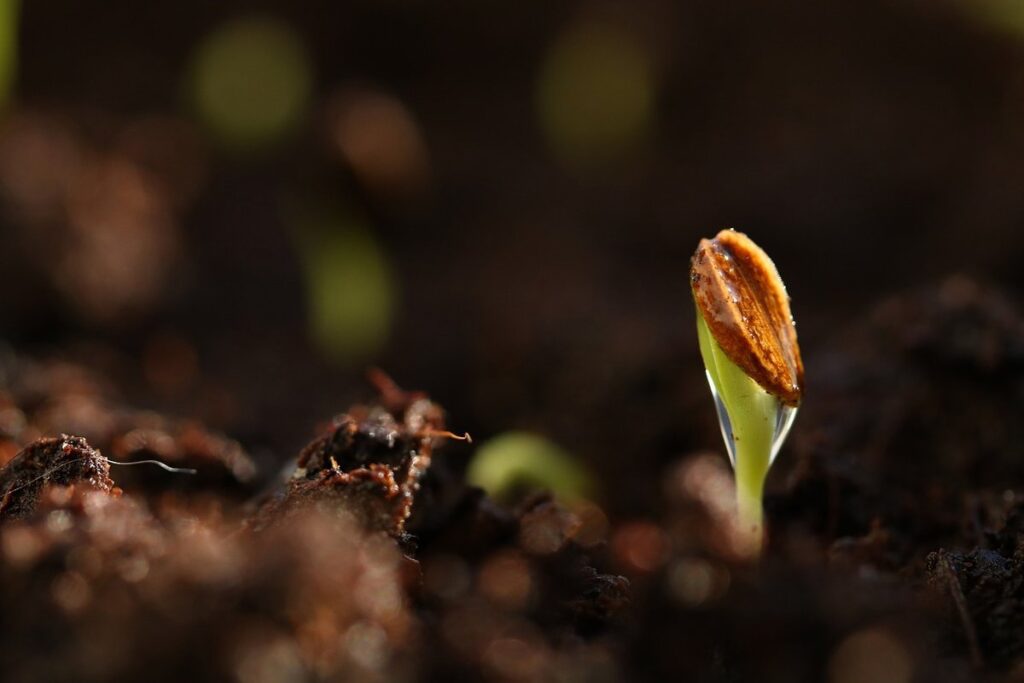
Understanding Seed Germination Basics
To understand how to optimize seed germination, let’s start by covering the basic principles that govern this initial stage of plant growth. This includes understanding temperature, moisture, and light requirements.
What is Seed Germination?
Seed germination is the initial stage of plant development where a seed begins to sprout and grow into a new plant. This critical process marks the transition from dormancy to active growth, setting the foundation for the plant’s future health and productivity.
Understanding seed germination is essential because it determines how well a plant will adapt to its environment and respond to various conditions such as light, temperature, water, and nutrients. During germination, the seed absorbs water, breaking down stored energy reserves to fuel growth.
Proper seed germination sets the stage for optimal growth by influencing factors like root development, leaf expansion, and overall plant morphology. It’s a delicate balance of internal (seed quality) and external (environmental conditions) factors that contribute to successful germination.
In practical terms, understanding seed germination helps you tailor your growing practices to specific plant species, ensuring the right environment for optimal growth. This means providing suitable temperature ranges, adequate moisture levels, and sufficient light exposure – all critical components of promoting healthy germination. By grasping these basic principles, you’ll be better equipped to support your plants’ early development and set them up for long-term success.
Factors Affecting Seed Germination
Understanding the complex interplay of factors that affect seed germination is crucial for optimal growth. Temperature, moisture, light, and oxygen levels are the four primary factors that significantly impact seed germination.
Temperature plays a critical role, with most seeds requiring temperatures between 15°C to 30°C (59°F to 86°F) to germinate effectively. For instance, tomato seeds typically require warmer temperatures around 22°C (72°F), while some seeds like those of the radish can germinate at as low as 10°C (50°F). Ensure that your growing medium is at a suitable temperature for your specific seed type.
Moisture levels are also essential, with seeds requiring adequate water to initiate germination. However, excessive moisture can lead to fungal growth and reduced germination rates. Maintain consistent moisture levels by watering carefully. Light exposure affects seed germination as well, with some seeds requiring complete darkness (e.g., orchids) while others require light (e.g., lettuce). Oxygen levels are often overlooked but are crucial for proper seed development. Provide sufficient air circulation around your growing medium to ensure optimal oxygen exchange.
By understanding and replicating these key factors, you can create an ideal environment for seed germination, setting the stage for healthy growth and successful plant cultivation.
The Role of Dormancy in Seed Germination
Dormancy is a critical phase in the seed germination process that allows seeds to withstand adverse environmental conditions until they are ready to grow. During dormancy, seeds undergo metabolic changes that help them conserve energy and water, making them more resilient to stressors such as drought or extreme temperatures.
Some plants exhibit dormancy due to genetic predisposition, while others may require specific environmental cues like light or temperature fluctuations to break dormancy. For example, seeds of the morning glory plant (Ipomoea purpurea) are known to remain dormant for several months until exposed to warmer temperatures and longer daylight periods.
It’s essential to note that breaking dormancy can be a slow process, taking anywhere from a few weeks to several months. To promote germination in dormant seeds, gardeners can try providing them with optimal growing conditions, including adequate light, water, and nutrients. This may involve stratifying the seeds (exposing them to cold temperatures) or using seed starters with controlled environments.
Incorporating seeds that exhibit dormancy into your planting schedule requires patience and planning, but with proper care, you can successfully coax even the most stubborn seeds into growth.
Optimal Temperature for Seed Germination
When it comes to seed germination, temperature plays a crucial role in determining whether your seeds will sprout successfully. Let’s explore the ideal temperatures for optimal seed germination.
Ideal Temperature Ranges for Different Plant Species
When it comes to seed germination, temperature is a crucial factor that can make or break the success of your plants. Different plant species have unique temperature requirements for optimal growth, and understanding these needs is essential for successful germination.
Some seeds, such as those from tropical regions like cocoa and coffee, require high temperatures between 75°F (24°C) to 90°F (32°C) to germinate. In contrast, seeds from alpine regions, like alpine strawberries and pansies, prefer cooler temperatures between 35°F (2°C) to 50°F (10°C). For example, sweet peas require a minimum temperature of 40°F (4°C), while corn needs a warm temperature above 65°F (18°C).
Other plants, such as lettuce and spinach, can germinate in a wide temperature range, but will perform optimally between 60°F (16°C) to 75°F (24°C). Understanding the specific temperature requirements of your seeds will ensure you provide them with the best conditions for successful germination.
To determine the ideal temperature range for your seeds, research their specific needs or consult with a gardening expert. Keep in mind that even small variations in temperature can affect germination rates and plant performance.
The Effects of Temperature on Seed Germination Rate
Temperature plays a crucial role in seed germination rate. It can either accelerate or hinder the process, affecting the overall growth and development of the plant. The ideal temperature range varies depending on the type of seeds being used. For example, tomato seeds prefer warmer temperatures between 70°F to 80°F (21°C to 27°C), while lettuce seeds thrive in cooler temperatures around 40°F to 50°F (4°C to 10°C).
If the temperature is too high or too low, it can slow down or even prevent germination. For instance, bean seeds may take up to a week longer to germinate at 90°F (32°C) compared to 75°F (24°C). On the other hand, temperatures below 40°F (4°C) can cause seed embryos to die.
To maintain optimal temperatures during the germination process, you can use techniques such as:
* Providing adequate ventilation in greenhouse environments
* Using heating mats or warm water baths for seeds that require high temperatures
* Creating a temperature gradient using grow lights or thermal mass to cater to different seed requirements
* Avoiding extreme temperature fluctuations by insulating storage containers and controlling the surrounding environment.
Importance of Water in Seed Germination
Water plays a crucial role in seed germination, and understanding its importance is essential for successful growth. Let’s dive into why water is so vital during this critical stage.
How Much Water is Required?
Water plays a crucial role in seed germination, and its availability determines the success of this initial growth stage. The ideal amount of water required varies among different plant species, but most seeds need consistent moisture to initiate germination.
Research suggests that seeds require 70-80% relative humidity for optimal germination rates. However, overwatering can be detrimental to seedlings, leading to poor root development and increased susceptibility to diseases. Conversely, underwatered seeds may fail to germinate altogether.
For example, tomato seeds typically require 1-2 cm of water above the surface for successful germination. On the other hand, delicate herbs like basil prefer a more controlled environment with slightly higher humidity levels (80-90%). To determine the right amount of water for your specific seed type, consult the seed packet or research the ideal conditions for that particular species.
In general, it’s best to start seeds in a well-draining mix and maintain gentle watering schedules until germination occurs. Be cautious not to overwater, as this can lead to root rot and other issues. Monitor your seedlings’ progress and adjust water levels accordingly to ensure optimal growth from the very beginning.
Effects of Over- or Underwatering on Seedlings
When it comes to seed germination, water is crucial for optimal growth. However, overwatering and underwatering can have severe consequences on seedlings. Overwatering, which occurs when seeds receive too much moisture, can lead to root rot, a common issue that hinders seedling development. Root rot happens when the roots are unable to breathe due to excessive water, causing them to decay and eventually killing the seedling.
Underwatering, on the other hand, can cause stunted growth and poor establishment of the seedling. When seeds don’t receive sufficient moisture, they won’t be able to develop properly, leading to weak and spindly stems. This can result in a higher mortality rate for the seedlings as they’re unable to compete with established plants for resources.
To avoid these issues, it’s essential to monitor watering schedules closely. Make sure to water seeds when the top inch of soil feels dry to the touch. Avoid getting water on the leaves or crown to prevent fungal diseases from taking hold. By providing the right amount of moisture and avoiding overwatering and underwatering, you can give your seedlings a strong start in life and set them up for success as they mature.
Light and Oxygen Requirements for Seed Germination
When it comes to seed germination, getting the right amount of light and oxygen is crucial for your seeds to grow strong and healthy. Let’s dive into these essential requirements next.
The Role of Light in Seed Germination
Light plays a crucial role in seed germination, and using the right type of light can make all the difference. While some seeds can germinate without any light at all, many others require specific wavelengths to break dormancy and initiate growth.
Using natural light sources is an excellent way to provide your seeds with the necessary light for germination. Placing them near a sunny window or under a skylight can be beneficial. However, this method may not be practical or feasible in areas with limited sunlight.
Grow lights offer a more controlled and efficient way to provide the right amount of light to your seeds. LED grow lights, in particular, are energy-efficient and emit a broad spectrum of wavelengths that mimic natural light. They’re perfect for indoor seed starting or for areas where natural light is scarce.
When choosing a grow light, consider the type of plants you’re growing and their specific light requirements. Some plants prefer warmer temperatures and red light, while others require cooler temps and blue light. Research the specific needs of your seeds to ensure optimal germination.
Oxygen Levels and Seed Germination
Oxygen levels play a crucial role in seed germination, and it’s essential to maintain adequate oxygen levels for optimal growth. During germination, seeds undergo a series of physical changes that require oxygen to break down stored energy sources. Inadequate oxygen can lead to reduced seed viability and hinder the germination process.
Seeds have an innate ability to sense their environment, including oxygen levels. When oxygen is available in sufficient amounts, it triggers the seed’s metabolic processes, leading to increased enzyme activity and cell growth. On the other hand, low oxygen levels can slow down or completely inhibit germination.
To maintain adequate oxygen levels during seed germination, ensure that your growing medium has good drainage. Avoid overwatering, as excess moisture can lead to anaerobic conditions. Use a well-draining potting mix specifically designed for seed starting. You can also increase air circulation around the seeds by providing sufficient space between each planting or using a fan on low speed to circulate air.
Soil Quality and pH Requirements
When it comes to seed germination, understanding soil quality and pH requirements is crucial for optimal growth. A well-balanced soil environment can make all the difference in successful seed development.
The Impact of Soil pH on Seed Germination
Soil pH has a significant impact on seed germination, as it affects the availability of essential nutrients and water for young plants. Different plant species have varying optimal soil pH ranges, which can significantly influence their growth rates and overall health.
For example, most vegetables like tomatoes and cucumbers prefer slightly acidic to neutral soil pH (around 6.0-7.0), while some legumes like beans and peas thrive in more alkaline conditions (pH 7.5-8.5). On the other hand, plants like azaleas and blueberries require highly acidic soils with a pH between 4.0-5.5.
If soil pH is too far off from its optimal range for specific plant species, seed germination rates can drop significantly. For instance, if tomatoes are planted in extremely alkaline or acidic conditions, their seeds may struggle to sprout and grow. To mitigate this issue, gardeners should test the pH level of their soil before planting new crops.
In addition, incorporating organic matter like compost into the soil can help adjust its pH levels over time.
Essential Nutrients for Seedling Growth
As seeds begin to germinate, they require essential nutrients to fuel their growth and development. Among these, nitrogen, phosphorus, and potassium are particularly crucial for optimal seedling growth.
Nitrogen is vital for leaf formation and chlorophyll production, allowing the seedling to photosynthesize efficiently. A nitrogen-rich diet will promote healthy green foliage and support the seedling’s ability to produce energy through photosynthesis. On the other hand, phosphorus plays a key role in root development, facilitating the absorption of water and nutrients from the soil. Without adequate phosphorus, seedlings may struggle to establish a robust root system.
Potassium, often referred to as “potash,” aids in overall plant health by regulating water balance and promoting disease resistance. By ensuring an optimal balance of these three macronutrients, you can give your seeds the best chance at healthy germination and early growth. For example, a balanced fertilizer with a NPK ratio of 10-20-10 will provide a steady supply of nitrogen, phosphorus, and potassium to support seedling development.
When selecting a fertilizer for your seeds, look for products that contain these essential nutrients in a balanced formulation.
Common Mistakes to Avoid During Seed Germination
As you work on perfecting your seed germination techniques, it’s crucial to steer clear of common mistakes that can hinder growth and lead to wasted seeds. Let’s take a look at some critical errors to avoid.
Overcrowding Seeds
Overcrowding seeds can lead to a multitude of problems during seed germination. When seeds are planted too close together, they compete for resources such as light, water, and nutrients. This competition can result in weakened seedlings that are more susceptible to disease and pests.
To avoid overcrowding seeds, make sure to provide sufficient space between each seed. A general rule of thumb is to plant seeds 1-2 inches apart, depending on the type of seed and its growth requirements. For example, lettuce seeds can be planted as close as 1 inch apart, while tomato seeds require at least 2 inches of space.
By providing enough space for each seedling to grow, you’ll promote healthy development and reduce the risk of overcrowding-related problems. To ensure optimal spacing, consider using a grid or pattern when planting seeds, rather than simply scattering them randomly. This will help you maintain even spacing and avoid overcrowding issues throughout the germination process.
Inconsistent Temperature or Watering Schedules
Inconsistent temperature or watering schedules can have far-reaching consequences on seedlings, ultimately affecting their growth and resilience. When seeds are exposed to fluctuating temperatures, they may experience delayed germination or even fail to germinate altogether. This is because different plant species have optimal temperature ranges for germination, and deviating from these can cause stunted growth and weakened root systems.
Similarly, erratic watering schedules can lead to seedlings becoming waterlogged, making them susceptible to fungal diseases that thrive in moist environments. Conversely, seeds may also dry out if the soil is too parched, causing them to shrivel up and die. To avoid such pitfalls, it’s essential to maintain a consistent temperature range (usually between 65-75°F) and watering schedule. Aim for gentle, thorough watering sessions, ensuring that the top inch of soil feels moist but not soggy. By doing so, you’ll create an optimal environment for your seedlings to grow strong and healthy, with a solid foundation for future development.
Frequently Asked Questions
How Do I Maintain Consistent Temperature for Seed Germination?
Maintaining a consistent temperature is crucial for seed germination. You can achieve this by using a heat mat or placing the seeds near a consistent heat source. Monitor the temperature daily to ensure it remains within the optimal range for your specific plant species.
Can I Speed Up Seed Germination with Higher Temperatures?
Yes, warmer temperatures can promote faster seed germination, but be cautious not to exceed the ideal temperature range for your plants. High temperatures can cause seeds to germinate too quickly, leading to weak or deformed seedlings.
What Happens If I Forget to Water My Seeds for a Day or Two?
If you forget to water your seeds for an extended period, they may not germinate at all. To avoid this, set reminders or automate watering schedules using a self-watering system. When you do water, ensure the soil is moist but not waterlogged.
How Do I Know If My Seeds Need More Light During Germination?
Check if your seeds are receiving sufficient light by observing their growth rate and overall health. If seedlings appear weak or leggy, provide supplemental lighting using grow lights or move them to a brighter location. Monitor the light’s intensity and duration to avoid burning the delicate roots.
Can I Use Tap Water for Seed Germination, or Should I Use Distilled Water?
It’s recommended to use distilled water or rainwater for seed germination to prevent mineral buildup in the soil. Tap water can contain high levels of chlorine, which may inhibit seed growth or cause them to rot. If using tap water, allow it to sit overnight before watering your seeds.