
Planting fruit trees in school gardens is an incredible way to teach kids about sustainability, permaculture principles, and where their food comes from. Not only do fruit trees provide a delicious source of fresh produce for the community, but they also serve as a living laboratory for hands-on learning. By incorporating sustainable practices and permaculture principles, you can create a thriving ecosystem that benefits both the environment and your students. In this article, we’ll explore how to plant and maintain fruit trees in school gardens, covering topics such as soil preparation, tree selection, and integrated pest management. We’ll also delve into the importance of incorporating permaculture principles and sustainable practices to create a resilient and self-sustaining garden system that will inspire your students for years to come.
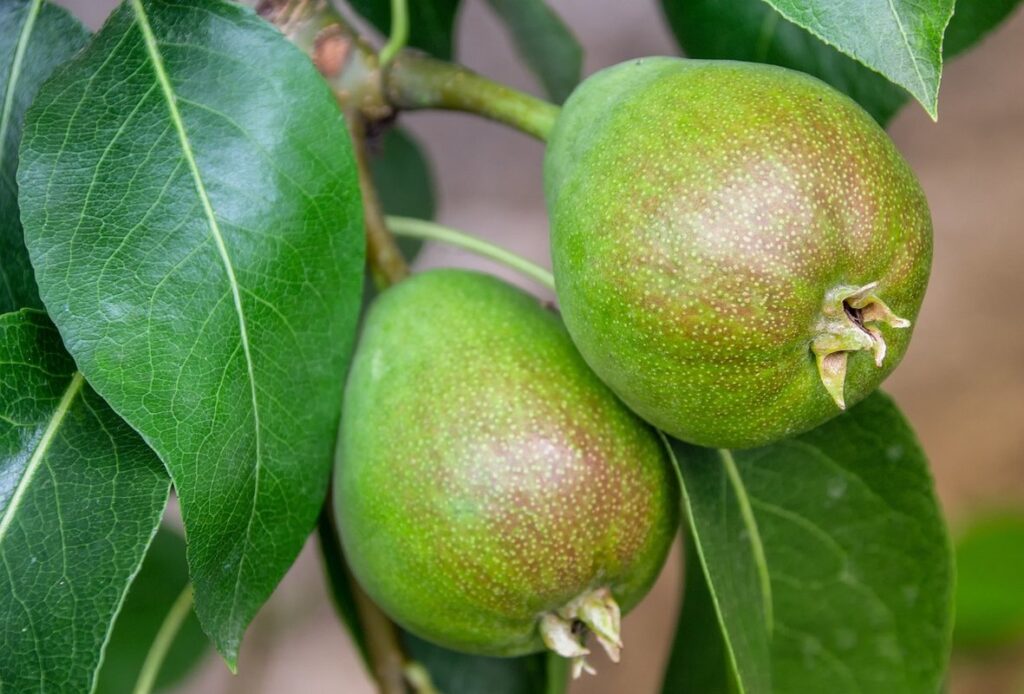
Benefits of Fruit Trees in School Gardens
When planted and maintained correctly, fruit trees can bring numerous benefits to your school garden, from improving students’ health to enhancing their outdoor learning experience. Let’s explore these advantages up close.
Introduction to Permaculture Principles
As you begin designing your school garden, it’s essential to consider the principles of permaculture – an approach to sustainable living that aims to create harmonious relationships between plants, animals, and people. Permaculture is all about working with nature, rather than against it, to create thriving ecosystems.
When applied to school gardens, permaculture principles can help you create a self-sufficient and diverse environment where fruit trees play a vital role. By incorporating fruit trees into your garden design, you’re not only providing a source of fresh produce but also creating a habitat for beneficial insects and pollinators.
For instance, consider planting fruit trees that attract bees and butterflies, such as apple or cherry trees. This will encourage these valuable pollinators to visit your garden regularly, helping your other plants reproduce and thrive. By incorporating permaculture principles, you’ll be teaching students about the interconnectedness of ecosystems and promoting a culture of sustainability from an early age.
Remember, it’s not just about planting fruit trees; it’s about creating a vibrant ecosystem that supports life in all its forms.
Creating a Sense of Community through Shared Gardening Experience
Creating a sense of community through shared gardening experience is one of the most rewarding benefits of having fruit trees in school gardens. When students, teachers, and parents work together to plant, maintain, and harvest these trees, it fosters a sense of cooperation and camaraderie that extends beyond the classroom.
As you plan your fruit tree garden, consider incorporating activities that encourage collaboration among stakeholders. For instance, involve students in the decision-making process when selecting which fruits to grow, or have teachers and parents help with planting and pruning. You can also create a community calendar to schedule regular maintenance tasks, such as watering and fertilizing.
Regular harvests are an excellent opportunity for people from different age groups to come together and celebrate their shared accomplishment. You could host fruit-picking parties or invite local chefs to provide cooking demonstrations using the freshly picked produce. These events not only promote social bonding but also help students develop important life skills, such as teamwork and problem-solving. By cultivating a sense of community around your school garden, you’ll create a positive and supportive environment that benefits everyone involved.
Choosing the Right Fruit Trees for Your School Garden
When selecting fruit trees for your school garden, it’s essential to choose varieties that are easy to maintain and suitable for a school environment. This can help ensure a successful and enjoyable gardening experience.
Climate Considerations for Selecting Fruit Tree Varieties
When selecting fruit tree varieties for your school garden, it’s essential to consider the climate of your region. This will ensure that your trees thrive and provide a bountiful harvest for years to come.
First, take into account the average temperature and humidity levels in your area. Some fruit trees, like citrus and olive trees, prefer warmer temperatures above 64°F (18°C), while others, such as apple and pear trees, require cooler temperatures around 40-50°F (4-10°C). Be sure to choose varieties that match your region’s temperature range.
Sunlight is also a crucial factor. Most fruit trees need full sun to produce well, but some varieties can tolerate partial shade. For example, dwarf citrus trees can thrive in as little as 6 hours of direct sunlight per day. Consider the amount of sunlight your school garden receives and choose varieties that suit this exposure.
Lastly, consider the specific climate requirements for each variety, such as chill hours or frost tolerance. This will help you select fruit trees that are well-suited to your local climate and will provide a reliable harvest year after year.
Considering Space and Growth Requirements
When selecting fruit tree varieties for your school garden, it’s essential to consider the available space constraints. Most schools have limited land area, so choosing compact trees that fit within these spaces is crucial.
One way to do this is by opting for dwarf or semi-dwarf options. These trees are specifically bred to be smaller in size, making them ideal for small gardens and spaces with minimal room for growth. For example, the dwarf Washington navel orange tree can grow up to 6-8 feet tall, perfect for a school garden with limited space.
Other factors to consider when selecting fruit tree varieties include their mature height and spread. Measure your available space carefully and choose trees that fit within it. Keep in mind that even compact trees will eventually reach their full size, so plan accordingly. You can also consider pruning regularly to maintain the tree’s shape and encourage healthy growth.
By choosing the right fruit tree variety for your school garden’s unique space constraints, you’ll be able to create a thriving and productive orchard that benefits students and teachers alike.
Planting and Maintenance of Fruit Trees
When it comes to planting fruit trees in your school garden, proper care and maintenance are crucial for their health and productivity. This section will walk you through the key steps involved in caring for your new trees.
Preparing the Soil for Optimal Tree Health
When planting fruit trees in your school garden, it’s essential to prepare the soil for optimal tree health. This involves more than just digging a hole and dropping in the tree – it requires careful consideration of the soil’s pH level, nutrient content, and overall structure.
Start by testing the pH level of your soil using a kit or sending a sample to a lab for analysis. Most fruit trees prefer a slightly acidic to neutral soil pH (around 6.0-7.0). Based on the results, you can add lime to raise the pH or sulfur to lower it.
Next, assess the nutrient content of your soil by conducting a soil test. This will reveal any deficiencies in essential nutrients like nitrogen, phosphorus, and potassium. You can then amend the soil with organic matter like compost or manure to provide these missing nutrients.
To retain moisture and suppress weeds, apply a 2-3 inch layer of mulch around the tree’s drip line. Use an organic material like wood chips or bark, which will break down over time and improve the soil‘s fertility. Mulching also helps regulate soil temperature and prevents water from washing away valuable nutrients. By taking these simple steps, you’ll be giving your fruit trees the best possible start in life.
Irrigation Systems for Efficient Water Management
When it comes to maintaining fruit trees in school gardens, efficient water management is crucial. Droughts can be detrimental to young trees, while overwatering can lead to root rot and other issues. To strike the perfect balance, consider implementing one or more of these innovative irrigation systems.
Drip irrigation systems are an excellent choice for fruit trees. These systems deliver water directly to the roots, reducing evaporation and runoff. This not only conserves water but also reduces waste by up to 50%. Another option is soaker hoses, which release water slowly as they’re fed through a porous material, providing gentle hydration.
Rainwater harvesting systems are also an excellent way to collect and reuse rainwater for irrigation. These systems can be installed above or below ground and come in various shapes and sizes to suit your school garden’s needs. By collecting and reusing rainwater, you’ll not only conserve potable water but also reduce stormwater runoff.
Remember to choose a system that fits your budget and tree spacing requirements. It may be helpful to consult with a gardening professional or conduct further research before making an informed decision.
Fruit Tree Care: Pests, Diseases, and Pruning
To keep your fruit trees thriving, it’s essential to know how to identify and prevent common pests and diseases, as well as when to prune for optimal growth.
Integrated Pest Management Strategies
When it comes to managing pests on fruit trees in school gardens, it’s essential to adopt integrated pest management (IPM) strategies that prioritize both the environment and human health. One of the most effective methods is biological control. This involves introducing natural predators or parasites that feed on specific pests, thereby controlling their population without using chemicals.
For example, ladybugs can be used to control aphids and whiteflies, while lacewings are effective against aphids and other soft-bodied insects. Physical barriers are another excellent option for preventing pest infestations. Covering the tree with fine-mesh screens or fine-netted bags can prevent pests like codling moths and apple maggots from laying eggs on the fruit.
Another beneficial strategy is to promote a balanced ecosystem in your school garden by planting companion plants that repel pests. For instance, basil can help deter aphids and other pests, while marigolds can repel nematodes that harm root systems. By combining these approaches, you’ll not only protect your students from potential health risks but also create a thriving environment for the trees to flourish.
Disease Prevention and Treatment Options
Diseases can be a significant challenge for fruit tree care in school gardens. Some common diseases affecting fruit trees include powdery mildew, fungal infections like root rot and leaf spot, and bacterial infections such as fire blight. These diseases can be caused by factors like excessive moisture, poor air circulation, or inadequate soil conditions.
Preventing disease outbreaks is key to maintaining healthy fruit trees in school gardens. This can be achieved through proper pruning techniques, which promote good air circulation and allow sunlight to penetrate the canopy. Regular watering and fertilization practices should also be implemented to ensure optimal tree health.
When it comes to treatment options, integrated pest management (IPM) approaches are highly recommended. These strategies combine physical barriers, cultural controls, and biological agents to minimize chemical usage. For example, introducing beneficial insects like ladybugs or lacewings can help control aphid populations naturally. Organic fungicides like neem oil or copper-based products can also be used as a last resort.
Harvesting and Enjoying Your Fruit Trees
Now that your fruit trees are thriving, it’s time to enjoy the fruits of your labor! This section will guide you through the best practices for harvesting and enjoying your homegrown bounty.
Timing and Techniques for Optimal Harvest
Timing and techniques for optimal harvest are crucial for maximizing the flavor, texture, and nutritional value of your school garden’s fruit trees. One way to determine when fruits are ripe is to check their color, texture, and scent. For example, apples are typically ready to harvest when they’re slightly soft to the touch and have a yellow or red skin that’s fully ripened.
For citrus fruits like oranges and lemons, wait until the skin has turned from green to its characteristic color. Gently twist the fruit; if it comes off easily, it’s ripe. For berries like strawberries and blueberries, check their color, texture, and sweetness level. Berries should be plump, firm, but not hard.
When handling fruits, use clean hands or utensils to prevent contamination. Store harvested fruits in a cool, dry place to prolong shelf life. For long-term storage, consider refrigerating fruits at 32°F (0°C) or below. To ensure optimal flavor and texture, handle fruits gently and avoid bruising them during harvest and storage.
Regularly inspect your trees for signs of over-ripening or spoilage, and remove any affected fruits to prevent the spread of disease.
Using Fruit Tree Harvests in School Meals and Activities
Incorporating fruit tree harvests into school meals, snacks, and activities is an excellent way to foster a sense of ownership and connection among students. Here are some creative ways to do so:
Consider having a “fruit salad bar” during lunch where students can mix-and-match different fruits from the school garden, including those harvested from the fruit trees. This not only provides a nutritious snack but also encourages creativity and social interaction.
For educational activities, use fruit tree harvests as a teaching tool. For instance, have students learn about the life cycle of fruits by observing how they grow, mature, and are eventually picked. You can also incorporate math concepts by having students measure and calculate the yield of their favorite fruit.
Use fresh fruit from the school garden in cooking classes or workshops, where students can learn to prepare simple yet healthy meals using seasonal produce. This hands-on approach not only develops culinary skills but also promotes an appreciation for locally-sourced ingredients.
Frequently Asked Questions
What are some easy-to-grow fruit tree varieties suitable for school gardens with limited maintenance resources?
If you’re new to growing fruit trees, consider starting with hardy and disease-resistant varieties like apple, pear, or plum trees. These trees require minimal maintenance and can thrive in a variety of conditions. Research specific recommendations for your region’s climate and choose varieties that fit your school garden’s unique needs.
How do I involve students in the process of planning, planting, and maintaining fruit trees?
Involving students is crucial to creating a sense of ownership and responsibility towards the garden. Assign tasks based on age and skill level, such as watering, pruning, or monitoring for pests. Encourage them to research and propose new tree varieties, soil amendments, or irrigation systems. This hands-on approach will foster a deeper connection between students and their fruit trees.
Can I integrate existing permaculture principles into an existing school garden with established infrastructure?
Yes, it’s absolutely possible to incorporate permaculture principles into an existing garden. Start by observing the garden’s current layout and identifying areas for improvement. Then, introduce new elements like companion planting, mulching, or rainwater harvesting to enhance biodiversity and efficiency. Collaborate with students to brainstorm innovative solutions that build on your school garden’s existing strengths.
How can I ensure fruit trees receive enough sunlight and water in a school garden setting?
Assess the site’s microclimate by observing sunlight patterns throughout the day. Consider pruning nearby vegetation or installing trellises to optimize light exposure for your fruit trees. Implement efficient irrigation systems, such as drip irrigation or soaker hoses, to minimize water waste and ensure consistent moisture levels.
What are some creative ways to involve students in harvesting and using their own fruit tree harvests?
Engage students in the harvesting process by assigning tasks like selecting ripe fruits, packing produce for distribution, or even creating recipes that showcase their freshly harvested fruits. Consider hosting school meals or events where students can share their harvests with the community. This will not only promote sustainability but also foster a sense of accomplishment and connection to the garden’s bounty.