
As a seasoned gardener, you know that irises are one of the most striking additions to any garden. But have you ever stopped to think about what lies beneath their beautiful blooms? Bearded iris roots can grow surprisingly deep, and understanding this depth is crucial for gardening success. Whether you’re trying to coax more vibrant flowers from your bearded iris plants or want to know how to divide them effectively, knowing the root depth is essential. In this article, we’ll delve into the world of bearded iris roots, exploring measurement techniques, factors affecting their growth, and practical applications for gardeners like you. By the end of it, you’ll have a deeper understanding (pun intended!) of these remarkable plants and be able to make informed decisions in your own garden.
Understanding Bearded Iris Root Structure
To get a better understanding of how deep bearded iris roots truly are, let’s take a closer look at their unique root structure. This is where things can get a bit tricky.
What are Bearded Irises?
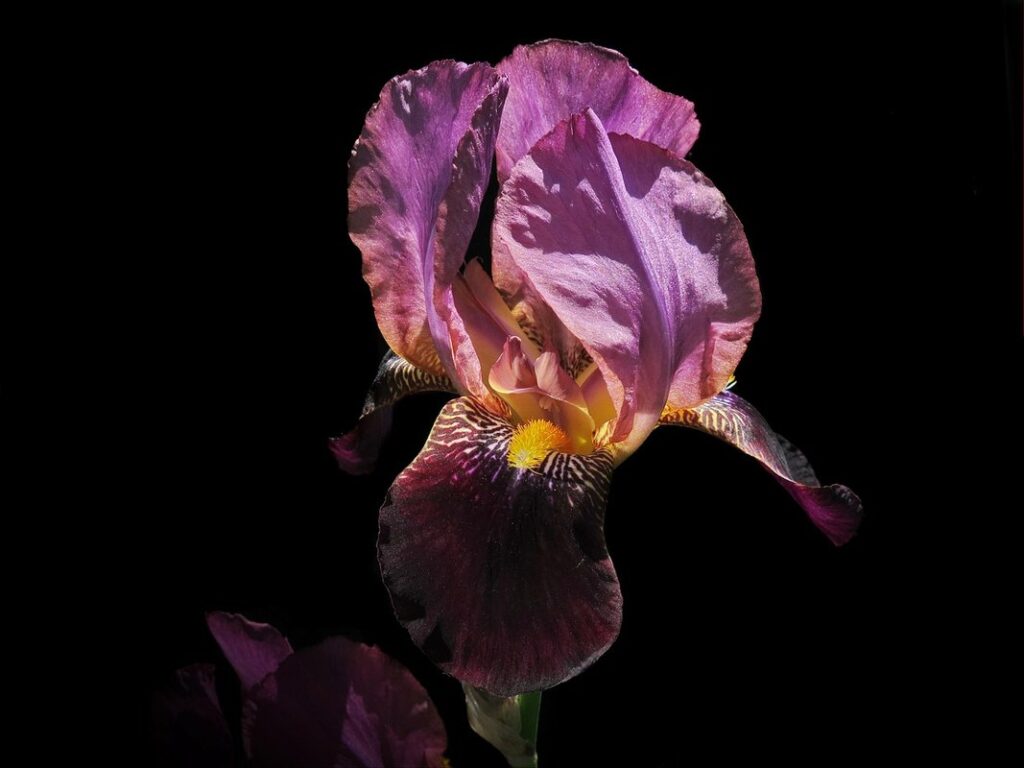
Bearded irises are one of the most beloved and sought-after perennials among gardeners. These stunning flowers have been a staple in gardens for centuries, prized for their vibrant colors, delicate petals, and unique beards (or falls). Bearded irises are part of the Iridaceae family and come in an astonishing array of colors, from classic blues and purples to vibrant pinks and yellows.
Their popularity can be attributed to their hardiness, adaptability, and relatively low maintenance requirements. Bearded irises thrive in well-drained soil and full sun, making them perfect for a wide range of climates and garden conditions. They’re also deer-resistant and relatively pest-free, adding to their appeal. In fact, many gardeners choose bearded irises as a low-maintenance alternative to more finicky flowers.
If you’re new to growing bearded irises or considering adding them to your garden, it’s essential to understand that their root structure plays a crucial role in their overall health and performance. By grasping the basics of bearded iris roots, including how deep they grow, you’ll be better equipped to provide these lovely flowers with the care they need to thrive.
Types of Bearded Iris Roots
Bearded irises have three main types of roots: rhizomes, corms, and tubers. Understanding the difference between these root types is essential to properly care for your bearded iris plants.
Rhizomes are thick, fleshy stems that grow horizontally underground, producing new growth from their nodes. They are responsible for storing nutrients and energy for the plant, allowing it to survive harsh conditions. Bearded irises with rhizome roots tend to be more vigorous and produce more flowers than those with other root types.
Corms, on the other hand, are short, swollen stems that grow underground and produce new growth from their tips. They store nutrients and energy like rhizomes but tend to be less vigorous and more sensitive to moisture levels.
Tubers are similar to corms but have a harder, woody texture. They also store nutrients and energy but tend to be less common in bearded iris plants.
When it comes to planting bearded irises with these different root types, it’s essential to plant them at the correct depth. Bearded irises with rhizome roots should be planted so that the top of the rhizome is above the soil surface. For corms and tubers, plant them 1-2 inches deeper than they were in their pots.
Factors Affecting Root Depth
When growing bearded irises, it’s essential to understand how various factors affect their root depth, including soil quality and climate conditions that impact root growth. Let’s take a closer look at these influences.
Climate and Soil Conditions
When it comes to growing bearded irises, understanding how climate and soil conditions impact root growth is crucial for achieving healthy and thriving plants. Temperature plays a significant role in root development, with optimal temperatures ranging from 65°F to 75°F (18°C to 24°C) during the day and around 55°F (13°C) at night.
Moisture levels also have a direct impact on root growth, as bearded irises prefer well-draining soil that’s kept consistently moist but not waterlogged. In areas with high rainfall or irrigation, it’s essential to ensure good drainage to prevent rotting of the roots. Nutrient availability is another critical factor, as bearded irises require a balanced diet of nitrogen, phosphorus, and potassium to support root growth.
To promote healthy root development, consider incorporating compost into your soil to provide a steady supply of nutrients. Additionally, mulching around the plants can help retain moisture and regulate soil temperature. By understanding and replicating the optimal climate and soil conditions for bearded irises, you’ll be well on your way to growing robust and vigorous roots that support stunning blooms.
Plant Health and Vigor
A plant’s health and vigor play a significant role in determining its root depth. When bearded iris plants are healthy and robust, they tend to develop deeper roots as they strive to absorb more nutrients and water from the soil. Conversely, when plants are struggling with disease or pests, their energy is redirected towards fighting off these issues, often at the expense of root growth.
Disease resistance is a critical factor in determining root depth. Bearded iris varieties that are bred for their disease-resistance traits tend to develop deeper roots as they can focus on establishing a strong root system without worrying about succumbing to diseases. On the other hand, plants that are susceptible to diseases may have stunted or shallow root growth.
Effective pest management is also essential in promoting healthy root development. For example, aphids and spider mites can weaken bearded iris plants by sucking out their sap, causing them to produce less food for their roots. By keeping these pests under control through proper gardening practices, you can encourage your bearded iris plants to develop deeper roots.
In addition to disease resistance and pest management, providing optimal growing conditions is crucial for promoting root health in bearded irises. This includes offering sufficient sunlight, water, and nutrients while maintaining a balanced soil pH. By doing so, you’ll give your bearded irises the best chance to establish a robust root system that will support their growth and flower production.
Measuring Bearded Iris Root Depth
To accurately measure bearded iris root depth, you’ll want to use a tool that can safely dig around the rhizome without damaging it. This is especially crucial for established irises.
Techniques for Measuring Root Depth
Measuring root depth can be a complex task, but there are several techniques that can help you determine just how deep your bearded iris roots go. Excavation is one method, where you carefully dig around the plant to expose the roots. This can provide a clear visual of the root system, allowing you to measure their length and depth. However, excavation can be time-consuming and may damage surrounding plants.
Another option is soil coring, which involves using a specialized tool to extract a core sample from the soil around the iris plant. This provides a more precise measurement of root depth without damaging the plant or its surroundings. Imaging techniques like ground-penetrating radar (GPR) can also be used to detect and measure roots without excavation.
When choosing a method, consider factors such as the size and age of your plants, the type of soil they’re growing in, and any existing infrastructure nearby that could be damaged by excavation. By selecting the right technique for your needs, you’ll get an accurate measurement of your bearded iris root depth.
Challenges and Limitations
Measuring bearded iris root depth can be a challenging task due to several limitations. One of the primary concerns is the high cost of specialized equipment required for accurate measurement. For instance, rhizotrons and minirhizotrons are highly effective tools for observing root growth in situ, but they come with a hefty price tag. This can limit the accessibility of these methods for gardeners and small-scale researchers.
Another hurdle is data interpretation. Root depth measurements often require expertise in statistical analysis to accurately interpret results. Without proper training or resources, it’s easy to misinterpret findings or draw incorrect conclusions. For example, if you’re trying to determine whether a particular soil amendment affects bearded iris root growth, you’ll need to carefully analyze the data to isolate the impact of the amendment from other environmental factors.
Moreover, measuring root depth is often an invasive process that can damage the plant or disrupt its ecosystem. This means that repeated measurements over time may not be feasible, limiting our understanding of long-term root behavior.
Importance of Root Depth in Plant Performance
Understanding how deep bearded iris roots grow is crucial for their overall health and performance, which we’ll explore next to ensure yours thrive. Let’s dig deeper into what factors influence root depth.
Photosynthesis and Water Uptake
When it comes to bearded irises, their root depth plays a crucial role in determining their overall performance. One key aspect of this is how it affects photosynthesis and water uptake. Photosynthesis is the process by which plants convert light energy into chemical energy, releasing oxygen as a byproduct. In bearded irises, photosynthesis primarily occurs in the leaves, but the roots also play a significant role in supplying the necessary nutrients and water for this process to occur.
If the roots of your bearded iris are too shallow, they may not be able to provide enough water and nutrients for efficient photosynthesis. This can lead to stunted growth, pale foliage, and reduced flowering. On the other hand, if the roots are too deep, it can make it more difficult for the plant to access oxygen, leading to root rot and decreased performance.
To promote healthy photosynthesis and water uptake in your bearded iris, make sure to plant them at a depth that allows their roots to grow freely without being constricted. Also, ensure they receive adequate moisture, but avoid overwatering which can cause root rot.
Nutrient Uptake and Fertilization
When it comes to nutrient uptake and fertilization needs for bearded irises, their root depth plays a crucial role. As we’ve discussed earlier, the average depth of bearded iris roots can range from 2-4 inches deep. This relatively shallow root system affects how these plants absorb nutrients from the soil.
Bearded irises have adapted to grow in areas with limited water availability, which has led them to develop a more extensive fibrous root system rather than a deeper taproot. As a result, they rely heavily on the top 6-8 inches of soil for nutrient uptake. This means that if you’re fertilizing your bearded irises, it’s essential to apply the fertilizer at this depth.
To ensure optimal nutrient uptake and prevent over-fertilization, consider using a balanced, water-soluble fertilizer (20-20-20) during the growing season. Apply it according to the manufacturer’s instructions, typically once a month. Additionally, incorporate compost or well-rotted manure into the soil to improve its fertility and structure. This will help your bearded irises absorb the necessary nutrients more efficiently, promoting healthy growth and flowering.
Practical Applications for Bearded Iris Growers
If you’re a bearded iris grower, you’re probably wondering how to use your knowledge of root depth to improve your garden’s success and longevity. Here are some practical tips to get you started.
Root Depth in Planting and Spacing
When planting bearded irises, it’s essential to consider their root depth to ensure optimal growth. A general rule of thumb is to plant the rhizome (the thick, fleshy stem that produces new growth) about 3-4 inches deep. However, this can vary depending on the specific variety and climate you’re in.
In areas with hot summers or dry soil, it’s better to plant bearded irises a bit deeper, around 5-6 inches, to protect them from heat stress and moisture loss. On the other hand, if you live in a cooler or wetter climate, planting shallower, around 2-3 inches, can promote healthy growth.
To plant correctly, dig a hole that’s about twice as wide as the rhizome and just as deep. Place the rhizome in the center of the hole, making sure the “eyes” (the small buds on the top of the rhizome) are facing upwards. Backfill with soil and water thoroughly.
When spacing bearded irises, keep in mind that they need room to spread out their roots. Plant them about 12-18 inches apart, depending on the variety, to give them enough space to thrive.
Care and Maintenance Tips
When it comes to growing bearded irises, proper care and maintenance are crucial to ensure their optimal growth. Since bearded iris roots tend to grow relatively deep, around 6-8 inches below the soil surface, you’ll want to focus on practices that promote healthy root development.
Here are a few tips to keep in mind: when dividing or repotting your bearded irises, make sure to gently tease out any tangles or knots in the roots. This will help prevent circling and encourage new growth towards the soil surface. Watering is also essential – avoid overwatering, which can lead to root rot and other issues.
It’s also important to provide enough space for your bearded irises to spread their roots. Plant them at least 3-4 feet apart to allow for healthy expansion. Finally, consider using a slow-release fertilizer in the spring to promote robust growth and blooming.
By following these care and maintenance tips, you can create an ideal environment for your bearded iris roots to thrive – and enjoy vibrant blooms all season long!
Conclusion: The Impact of Root Depth on Bearded Iris Gardening
Now that you know more about bearded iris roots, let’s talk about how this knowledge can help you become a better gardener and improve your iris-growing skills.
Recap of Key Findings
In reviewing our discussion on the depth of bearded iris roots, it’s clear that understanding their root structure and growth is crucial for successful gardening. Key points to take away from this article include the importance of considering the plant’s native habitat when selecting a location, as well as the role of moisture levels in influencing root growth. We also examined how different types of soil can impact root depth, with sandy soils often favoring deeper root systems.
Understanding these factors allows gardeners to choose the right variety for their specific growing conditions and ensure optimal health. For instance, bearded irises that naturally thrive in well-drained areas may benefit from being planted in raised beds or amended soil mixtures to promote healthy growth. By considering the unique needs of each plant, gardeners can create a supportive environment that allows the roots to grow freely.
By applying these key takeaways, you’ll be better equipped to provide your bearded irises with the best possible conditions for deep root development and vibrant blooms.
Future Directions for Research
As we conclude our exploration of bearded iris root depth, it’s clear that there is still much to learn about these fascinating plants. Future research directions hold great promise for advancing our understanding of bearded irises and optimizing their growth.
Advances in measurement techniques will undoubtedly play a crucial role in refining our estimates of bearded iris root depth. For instance, the development of more accurate and non-invasive methods, such as ground-penetrating radar or electrical resistance tomography, could enable gardeners to better assess their soil conditions without causing damage to the roots.
Nutrient uptake studies will also be essential for understanding how bearded irises acquire the nutrients they need. By examining the specific nutrient requirements of different varieties and growth stages, researchers can provide valuable insights into optimizing fertilization practices and reducing waste.
Furthermore, investigating the relationship between root depth and other factors such as soil type, climate, and irrigation patterns will help gardeners better manage their bearded irises in diverse environments.
Frequently Asked Questions
How do I accurately measure the depth of my bearded iris roots without damaging them?
When measuring root depth, it’s essential to use a gentle and non-invasive method to avoid causing damage. One technique is to carefully dig around the plant, exposing the roots, then using a ruler or measuring tape to gauge their depth. Another approach is to use a soil probe or auger, which can help you determine the root zone without disturbing the surrounding soil.
Can bearded iris roots grow deeper in certain types of soil or climate conditions?
Yes, bearded iris roots can indeed adapt to different soil and climate conditions, affecting their growth patterns. For example, irises growing in well-draining soils may develop shallower root systems, while those in heavier clay soils might extend their roots deeper to compensate for limited water availability.
How often should I fertilize my bearded irises based on their root depth?
Fertilization frequency can indeed be linked to root depth. As bearded iris roots grow deeper in search of nutrients, you may need to apply fertilizer at the base of the plant or even side-dress with a balanced formula to ensure optimal nutrient uptake.
Are there any specific care and maintenance tips I should follow for bearded irises with deep roots?
Yes, taking care of bearded irises with deep roots requires some special attention. Be sure to water carefully to avoid over-saturation, which can lead to root rot in deeper-lying roots. Additionally, avoid compacting the soil around your plants, as this can restrict root growth and affect their ability to absorb nutrients.
Can I divide my bearded irises in the fall or should I wait until spring?
It’s generally recommended to divide bearded irises in the spring when new growth begins, rather than in the fall. This allows you to assess the plant’s root system before division, ensuring that any potential damage from digging is minimized. However, if you must divide in the fall, make sure to do so carefully and avoid damaging the roots during this process.