
Sunflowers are one of the most recognizable and beloved flowers in the world, but did you know that there’s more to them than meets the eye? From their towering stature to their vibrant petals, sunflowers come in a staggering array of shapes, sizes, and colors. Whether you’re a seasoned gardener or just starting out, understanding the different types of sunflowers can help you choose the perfect variety for your needs. In this article, we’ll delve into the fascinating world of sunflowers, exploring their history, classification, and practical uses, as well as highlighting some of the most popular cultivated varieties, wild sunflowers, and unique characteristics that make each one special. By the end of it, you’ll be a sunflower expert, ready to grow and appreciate these stunning flowers in all their glory.
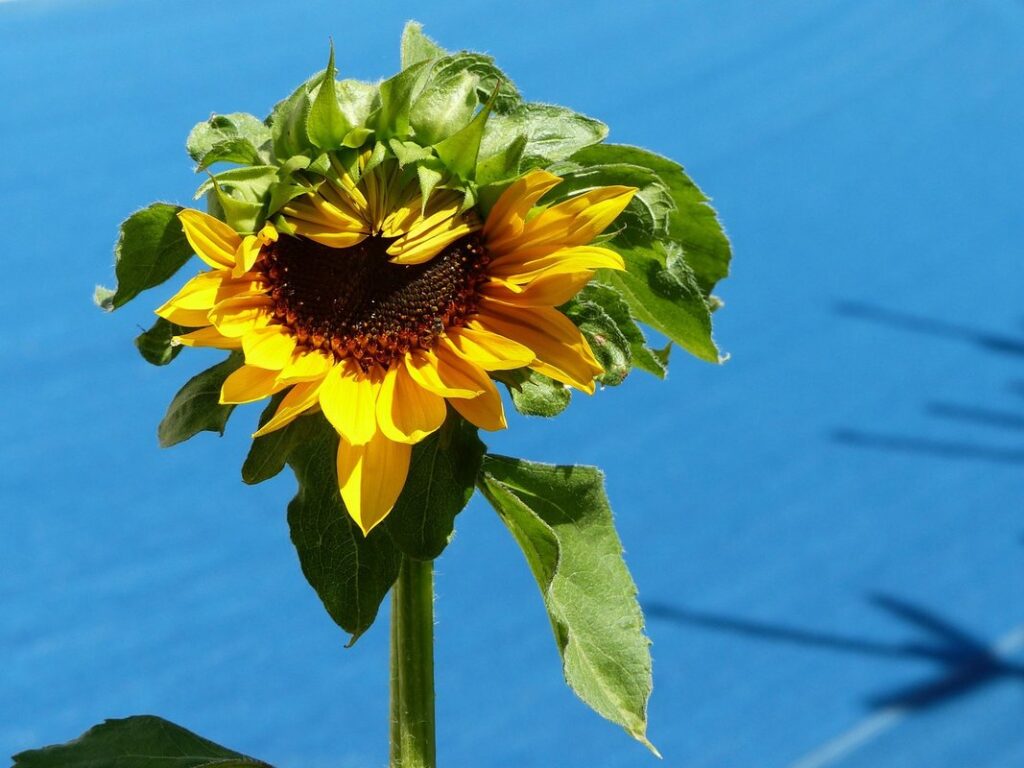
History and Classification of Sunflowers
Sunflowers have a rich history that spans thousands of years, with evidence suggesting they were first domesticated by Native Americans. Let’s take a look at how these stunning blooms have evolved over time.
Origins and Early Cultivation
Sunflowers have been an integral part of human history for thousands of years, with their cultivation dating back to ancient civilizations. Originating in North America, specifically the Great Plains region, sunflowers were first domesticated by Native American tribes over 3,000 years ago. These early cultivators recognized the plant’s potential not only as a source of food but also for its medicinal and spiritual properties.
Early cultivation practices involved carefully selecting and breeding sunflower varieties that exhibited desirable traits such as large flower heads, tall stalks, and disease resistance. By understanding the unique characteristics of each variety, these early farmers were able to optimize their yields and make the most of this valuable resource. Interestingly, many modern sunflower breeds have retained some of these original characteristics, highlighting the importance of preserving genetic diversity in plant breeding. As we delve into the world of sunflowers, it’s essential to appreciate the rich history and cultural significance behind these majestic plants.
Botanical Classification
Sunflowers belong to the Asteraceae family, one of the largest and most diverse plant families globally. Within this family, sunflowers are classified under the genus Helianthus. The genus name Helianthus is derived from the Greek words “helios” meaning sun and “anthus” meaning flower, which refers to the prominent position of sunflowers’ flowers facing east towards the rising sun.
To understand the botanical classification of sunflowers, let’s break it down further. The Asteraceae family comprises more than 23,000 species, with sunflowers being just one of them. This family is divided into several subfamilies, including Carduoideae and Asteroideae. Sunflowers fall under the Helianthus genus, which includes approximately 70 species. These species can be further classified based on their growth habits, flower colors, and seed sizes.
For example, the most commonly grown sunflower variety is Helianthus annuus, which belongs to the annual subgroup of Helianthus. This classification helps in understanding the unique characteristics and growth patterns of different sunflower varieties.
Modern Taxonomy and Hybrids
In recent years, modern taxonomy has led to a deeper understanding of sunflower classification. Gone are the days when all sunflowers were lumped together under the single species Helianthus annuus. Today, we recognize numerous subspecies and varieties, each with distinct characteristics.
One significant development in sunflower breeding is the creation of hybrid varieties. These hybrids combine desirable traits from different parent lines to produce plants that excel in specific areas, such as large blooms, drought tolerance, or high seed production. For example, some popular hybrid sunflowers include ‘Sungold’ and ‘Velvet Queen’, which boast impressive 12-inch blooms and are well-suited for cut flower arrangements.
When selecting a hybrid sunflower variety, consider your specific growing conditions and desired outcome. Look for characteristics like pollen count, plant height, and days to maturity to ensure you’re choosing the right fit for your needs. By understanding modern taxonomy and the benefits of hybrids, you can choose sunflowers that thrive in your garden or landscape, delivering the beauty and productivity you desire.
Types of Sunflowers: Annual vs. Perennial
When it comes to growing sunflowers, one crucial decision is whether to choose annuals or perennials – each has its own unique benefits and requirements for your garden. Let’s break down the differences between these two types.
Characteristics of Annual Sunflowers
Annual sunflowers are one of the most popular varieties among gardeners and florists alike. These vibrant flowers thrive in warm weather and typically germinate within 7-10 days after sowing seeds directly into well-drained soil.
Their growth habits are quite distinctive, as they can grow up to 12 feet tall in a single season. Annual sunflowers have large, single-petaled blooms that come in an array of colors such as yellow, orange, red, and bi-colored. They tend to bloom in mid-summer, producing hundreds of seeds per head.
One of the main uses for annual sunflowers is their exceptional cut flower arrangement material. With their towering stature and long-lasting blooms, they add a dramatic touch to any bouquet or centerpiece. For optimal results when growing annual sunflowers for cutting, plant them in full sun with at least 6 hours of direct sunlight each day. Harvesting the flowers regularly will also encourage more blooming.
Perennial Sunflowers: Benefits and Care
Perennial sunflowers are a great choice for gardeners who want to enjoy the beauty of these flowers without the high maintenance requirements that come with annual varieties. One of the biggest benefits of perennial sunflowers is their lower maintenance needs, as they regrow year after year and require less care compared to annuals.
Another advantage of perennials is their longer blooming periods, which can last from mid-summer to early fall. This means you’ll get to enjoy your sunflowers for several months instead of just a few weeks like with annuals. To ensure your perennial sunflowers thrive, make sure to plant them in well-draining soil and provide full sun (at least 6 hours of direct sunlight) each day.
Water them regularly during their growing season, but avoid overwatering, which can lead to root rot. Deadheading spent blooms will encourage your perennials to continue producing new flowers throughout the season. By following these simple care techniques, you’ll be rewarded with a stunning display of sunflowers year after year. With proper care, perennial sunflowers can live for 5-10 years or more in ideal conditions.
Cultivated Varieties
When it comes to cultivated varieties, you’ll discover a stunning array of shapes, sizes, and colors that have been bred specifically for their unique characteristics. From tall giants to compact dwarfs, there’s a sunflower perfect for every garden or arrangement.
Mammoth Sunflowers: The Largest Variety
Mammoth sunflowers are undoubtedly one of the most impressive varieties you can grow. These towering flowers can reach heights of up to 12-16 feet (3.6-4.9 meters) or more, making them a show-stopping addition to any garden. Their large blooms are equally impressive, measuring anywhere from 8-14 inches (20-35 cm) in diameter.
The growth habit of mammoth sunflowers is upright and statuesque, with strong stems that can support their massive flowers. They typically grow quite quickly, blooming around 60-90 days after sowing the seeds. To achieve optimal growth, it’s essential to provide them with plenty of space – at least 6 feet (1.8 meters) in diameter – and full sun.
When growing mammoth sunflowers, keep in mind that they can be quite sensitive to wind and may require staking for support. Additionally, make sure to choose a variety that is suitable for your region’s climate and soil type. With proper care and conditions, these magnificent flowers will provide a stunning display of beauty and vitality all summer long.
Velvet Queen Sunflowers: Unique Features
Velvet Queen sunflowers are truly one of the most unique varieties you’ll ever come across. Their soft, velvety petals set them apart from other sunflower types, making them a standout choice for gardeners and flower enthusiasts alike.
The Velvet Queen’s most distinctive feature is its delicate, downy texture on the petals, which gives it an irresistible charm. But that’s not all – this variety also boasts a striking coloration, with petals that transition smoothly from soft pink to creamy white towards the center of the bloom. The result is a beautiful ombre effect that adds depth and visual interest to any garden bed.
One of the reasons Velvet Queen sunflowers are so popular is their exceptional hardiness. They’re relatively low-maintenance and can thrive in a range of conditions, making them perfect for both experienced gardeners and beginners who want to add some drama to their sunflower patch.
Wild Sunflowers
Wild sunflowers are a delight to behold, with their statuesque stalks and bright yellow blooms that can grow up to 12 feet tall. Let’s take a closer look at these magnificent flowers.
Characteristics of Wild Sunflowers
Wild sunflowers have evolved distinct characteristics that enable them to thrive in harsh environments. Unlike their cultivated counterparts, wild sunflowers are more resilient and adaptable, making them better suited for survival in the wild. One of the key differences between cultivated and wild sunflowers is their ability to grow in poor soil conditions.
In contrast to cultivated sunflowers that require rich, well-draining soil, wild sunflowers can flourish in areas with limited nutrients. This is because they have developed a more extensive root system, allowing them to absorb moisture and minerals from deeper layers of the soil. Additionally, wild sunflowers are less sensitive to extreme temperatures and can withstand drought conditions better than cultivated varieties.
Wild sunflowers also exhibit smaller flower heads and a more compact growth habit, which helps to reduce their water requirements. They often grow in areas with full sun exposure, but can also thrive in partial shade. This adaptability enables them to occupy a wide range of ecological niches, from prairies to dry scrublands.
When trying to cultivate wild sunflowers, it’s essential to mimic the conditions they naturally experience. Provide them with well-draining soil and reduce watering to allow their root system to develop fully. By emulating these characteristics in your garden, you can coax wild sunflowers into thriving, adding a touch of natural beauty to your outdoor space.
Examples of Native Sunflower Species
Native sunflower species can be found in various regions around the world. In North America, for instance, the Eastern Sunflower (Helianthus angustifolius) is native to the eastern United States and Canada. This perennial plant grows up to 10 feet tall with dark green leaves and produces large daisy-like flowers with yellow petals.
In the western United States, the California Sunflower (Encilia californica) is a common sight in coastal areas and dry scrublands. It’s an annual plant that grows up to 5 feet tall with hairy stems and bright yellow flowers. The California Sunflower requires full sun and well-drained soil to thrive.
In South America, the Argentine Sunflower (Helianthus argophyllus) is native to the prairies of Argentina and Uruguay. This shrub-like plant grows up to 6 feet tall with gray-green leaves and produces small yellow flowers in clusters. The Argentine Sunflower prefers full sun and dry soil conditions.
When identifying native sunflower species, pay attention to their growth patterns and habitats. Many native sunflowers require specific growing conditions to thrive, making it essential to choose the right plant for your region’s climate and soil type. By doing so, you’ll not only support local biodiversity but also enjoy a stunning display of colorful blooms in your garden or backyard.
Sunflower Hybrids: Breeding for Specific Traits
Sunflower breeders are constantly pushing the boundaries of what’s possible, creating hybrids that excel in specific traits like tall stalks, vibrant petals, and even dwarf growth. Let’s take a closer look at these unique variations.
Selective Breeding Techniques
Selective breeding is a precise process that allows farmers to develop sunflowers with specific traits, such as high yield, disease resistance, and desirable flower colors. By applying the principles of selective breeding, breeders can identify and amplify genes responsible for these characteristics, resulting in hybrid sunflowers with improved performance.
To begin the selective breeding process, breeders first collect a large number of sunflower plants exhibiting the desired traits from various sources. They then analyze the plants’ genetic makeup to determine which combinations are most suitable for further development. Using advanced techniques like molecular marker-assisted selection, they can identify specific genes associated with desirable characteristics.
For instance, if a breeder wants to develop a sunflower variety that is resistant to powdery mildew, they would select parent lines known to possess this trait and then cross-breed them using traditional or in vitro methods. This ensures the resulting hybrids combine the best features of both parents while minimizing undesirable traits.
Effective selective breeding requires patience and dedication, as it can take several generations to refine the desired characteristics. However, with persistence and the right approach, breeders can unlock new possibilities for hybrid sunflowers that meet specific agricultural needs.
Examples of Hybrid Varieties
One of the most exciting developments in sunflower breeding is the creation of hybrid varieties. These plants are bred to combine the best characteristics from different parent lines, resulting in more robust and resilient plants with desirable traits. Let’s take a closer look at some examples of hybrid sunflower varieties that have been developed for specific purposes.
For improved vigor, consider ‘Mammoth’ hybrids like ‘Sunbright’ or ‘Peredovik’. These varieties are bred to grow taller and stronger than non-hybrid Mammoths, with a more extensive root system to withstand drought conditions. On the other hand, ‘Velvet Queen’ is a hybrid sunflower that boasts stunning dark red petals, making it a favorite among cut flower growers.
Disease resistance is another key trait in some hybrid varieties. For instance, ‘Sunsation’ and ‘Sunpride’ hybrids have been bred to be resistant to powdery mildew, a common issue for sunflowers in wet climates. When selecting a hybrid variety, consider the specific growing conditions of your garden or region, as well as any pest or disease issues you may be trying to mitigate.
Practical Uses for Sunflowers
Whether you’re a seasoned gardener or just starting out, sunflowers can bring more than just beauty to your outdoor space. In this section, we’ll explore some practical uses for these vibrant flowers.
Ornamental Applications
Sunflowers make stunning additions to gardens and landscapes, and their ornamental applications are numerous. These towering blooms bring a burst of color and energy to outdoor spaces, making them perfect for gardeners and designers alike.
One of the most beautiful aspects of sunflowers is their versatility. They come in an array of heights, ranging from compact varieties like ‘Teddy Bear’ and ‘Sungold’, which grow up to 2 feet tall, to towering giants like ‘Mammoth’ and ‘Velvet Queen’, which can reach over 12 feet high. This range allows gardeners to choose the perfect sunflower for their space, whether it’s a small patio or a sprawling meadow.
When using sunflowers as ornamental plants, consider their placement in relation to other features in your landscape. Planting them near water sources or ponds creates a stunning visual effect, while placing them at the back of borders allows their tall stems to create a dramatic backdrop for shorter flowers and foliage.
Food and Oil Production
Sunflowers are an excellent source of nutrition, and their edible seeds are a popular ingredient in many cuisines worldwide. The seeds can be eaten raw, roasted, or ground into flour for baking. They’re rich in healthy fats, protein, and fiber, making them an ideal snack for fitness enthusiasts and health-conscious individuals.
In addition to their nutritional benefits, sunflower seeds are also a versatile ingredient in cooking. You can use them as a topping for salads, soups, and stir-fries or add them to your favorite granola recipe. With over 70% of the seeds’ content being fat, they’re an excellent source of energy.
The oil extracted from sunflowers is another valuable product derived from these plants. Sunflower oil is used in cooking, cosmetics, and even biofuels. It’s a rich source of vitamin E, which has antioxidant properties that help protect against cell damage. When choosing sunflower oil, look for cold-pressed or expeller-pressed options to ensure the highest quality.
When it comes to growing your own sunflowers, consider planting a variety like ‘Mammoth’ or ‘Velvet Queen’, both of which are known for their large seeds and high oil content. By incorporating sunflowers into your garden, you’ll not only be enjoying the benefits of their edible seeds and oil but also adding a splash of color to your landscape with these majestic flowers.
Frequently Asked Questions
What are the ideal growing conditions for sunflowers, and how can I ensure they thrive in my garden?
Sunflowers prefer full sun (at least 6 hours of direct sunlight) and well-drained soil with a pH between 6.0 and 7.0. To encourage healthy growth, provide your sunflower plants with regular watering, fertilization, and pruning. Be sure to also rotate the crop every season to avoid depleting the soil’s nutrients.
How do I identify different types of sunflowers, especially when they’re in bloom or not yet mature?
To distinguish between various sunflower varieties, observe their height, flower size, petal color, and growth habits. Note that annual sunflowers tend to grow taller than perennials and produce larger blooms. If you’re unsure about a specific type, consult with a gardening expert or research the characteristics of popular varieties like Mammoth or Velvet Queen.
Can I propagate sunflowers from seeds saved from my existing plants?
While it’s possible to save seeds from your sunflower plants for replanting, be aware that this method can lead to reduced vigor and lower yields over time. For best results, purchase high-quality seeds from reputable suppliers or obtain them from a fellow gardener with knowledge of the specific variety.
How do I handle common pests and diseases affecting my sunflower crop?
Regularly inspect your plants for signs of infestation or disease, such as aphids, whiteflies, powdery mildew, or rust. Implement integrated pest management strategies like introducing beneficial insects, using organic pesticides, or practicing good hygiene to prevent the spread of disease.
Can I grow sunflowers in containers, and if so, what are some essential considerations?
Yes, you can successfully grow sunflowers in containers provided they have adequate root space and receive sufficient light. Choose a large container (at least 12-18 inches deep) with good drainage and use a well-draining potting mix to prevent waterlogged soil.