
As a gardener, you know how frustrating it can be to see your hard work ruined by unwanted visitors in your garden. Garden pest control is an essential part of maintaining a healthy and thriving garden ecosystem. Whether you’re growing vegetables, fruits, or flowers, pests can quickly become a major problem if left unchecked. But don’t worry – there are effective ways to protect your plants without harming the environment.
In this comprehensive guide, we’ll cover everything from organic methods that use natural deterrents like neem oil and diatomaceous earth to chemical control measures that can provide quick relief. We’ll also explore preventive measures to keep pests at bay in the first place. By the end of this article, you’ll have a solid understanding of how to manage garden pest control using a variety of approaches, from natural and holistic to more conventional methods.
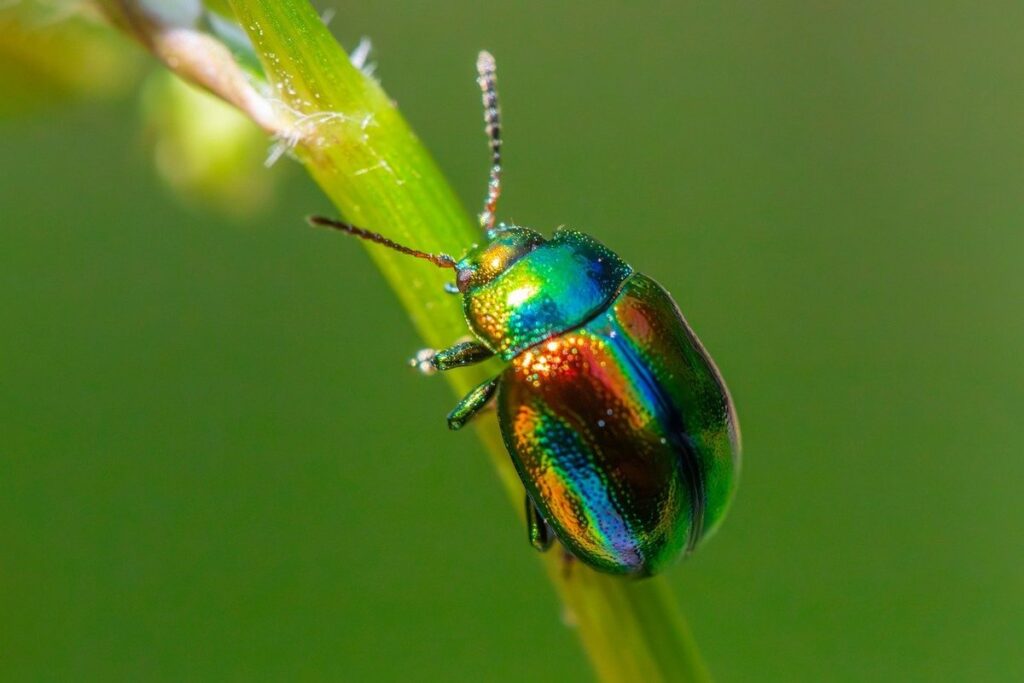
Understanding Garden Pests and Their Impacts
Understanding garden pests and their impacts is crucial for developing effective control strategies, so let’s take a closer look at the most common culprits that affect your garden.
Types of Common Garden Pests
Garden pests can be a frustrating problem for even the most experienced gardeners. Understanding what types of pests you’re dealing with is crucial to implementing effective control measures. Some common garden pests include aphids, which are small, soft-bodied insects that feed on plant sap, causing curled or distorted leaves.
Slugs and snails are another major concern, particularly at night when they emerge to feed on tender shoots and leaves. These slimy creatures can be controlled using copper tape around plant stems or crushed eggshells around the affected area.
Caterpillars, such as the hornworm and cabbage looper, feed on leaves and can cause significant damage if left unchecked. Whiteflies, which are tiny flying insects, also suck sap from plants, causing yellowing leaves and stunted growth. Other common pests include spider mites, mealybugs, and flea beetles.
To manage these pests effectively, it’s essential to monitor your garden regularly for signs of infestation and implement control measures as soon as possible. This might involve using organic or chemical pesticides, introducing beneficial insects, or changing cultural practices such as watering and fertilization.
The Economic and Environmental Impacts of Garden Pests
Garden pests can have devastating effects on both the economy and the environment. When left uncontrolled, pest populations can lead to significant financial losses for gardeners and agricultural businesses. For instance, a single infestation of codling moths can result in up to 50% crop loss for apple farmers. In addition to economic costs, uncontrolled pest populations also have environmental consequences. Pesticide use, a common control method, can harm beneficial insects, contaminate soil and water, and even contribute to the development of pesticide-resistant pests.
The environmental impact of garden pests extends beyond agricultural settings as well. For example, the emerald ash borer, an invasive insect, has killed hundreds of millions of ash trees in North America, altering local ecosystems and affecting wildlife habitats. To mitigate these effects, it’s essential to adopt integrated pest management strategies that combine physical barriers, cultural controls, and targeted pesticide use to minimize harm to beneficial organisms.
Identifying Pest-Prone Areas and Plants
To effectively manage garden pests, it’s essential to identify areas and plants that are most susceptible to infestation, taking into account factors like climate and soil conditions. This is where a thorough risk assessment comes in.
Factors Contributing to Pest Infestations
Weather conditions play a significant role in pest infestations. High temperatures and humidity can trigger the reproduction of pests such as mosquitoes and ticks, making them more active and prone to spreading diseases. On the other hand, extreme weather conditions like droughts or heavy rainfall can also contribute to pest issues by weakening plant defenses.
Soil quality is another crucial factor that contributes to pest infestations. Poor soil health can lead to nutrient deficiencies in plants, making them more susceptible to pests. Additionally, compacted soils can reduce water infiltration and aeration, creating an ideal environment for pests like white grubs.
The type of plants you choose to grow also plays a significant role in attracting pests. Some plants are naturally more attractive to certain pests due to their scent or flavor. For example, marigolds are known to repel nematodes, while basil is often targeted by aphids. By selecting pest-resistant plant varieties and rotating crops regularly, you can significantly reduce the risk of infestations.
When assessing your garden’s soil quality, consider factors such as pH levels, nutrient content, and drainage. Test your soil periodically to identify any deficiencies or imbalances that may be contributing to pest issues.
Recognizing Signs of Pest Infestation
As you tend to your garden, it’s essential to be aware of the subtle signs that pests have invaded. Visual inspections can help you identify potential infestations before they spread. Look for holes in leaves, stems, or flowers – a telltale sign of chewing insects like caterpillars, beetles, or slugs.
Chewed leaves might appear as missing sections or irregularly shaped edges. Some pests, like aphids and whiteflies, can cause curled or distorted leaves due to their sap-sucking habits. Check for eggs or nymphs on the undersides of leaves, stems, or nearby debris. For instance, cabbage worms often lay eggs near cabbage plants.
In addition to these signs, monitor your garden regularly for other visual cues. Yellowing or browning foliage can indicate pest-related stress, as can an excessive amount of debris, such as shredded plant material or sticky honeydew droplets. Be cautious: some pests are active at night and may not be visible during the day. Regularly inspect your plants in the early morning or evening when possible to catch any signs of infestation.
Organic Methods for Garden Pest Control
If you’re looking to control garden pests without harming your plants or the environment, organic methods offer a range of effective and gentle solutions. We’ll explore some popular options in this section.
Introduction to Integrated Pest Management (IPM)
Integrated pest management (IPM) is an approach to managing garden pests that considers multiple factors beyond just using pesticides. At its core, IPM is about adopting a holistic strategy to minimize harm to people, pets, and the environment while effectively controlling pests.
The key principles of IPM involve identifying the pest problem early on, understanding the life cycle and behavior of the pest, and selecting control methods that target specific vulnerabilities in their life stage. This might include using physical barriers, hand-picking, or introducing beneficial insects to prey on the pest population.
For example, if you’re dealing with aphids, IPM would involve identifying the underlying cause of their infestation (e.g., moisture-loving conditions), selecting a combination of control methods such as spraying soapy water and introducing ladybugs, and monitoring the population to adjust your strategy accordingly. By adopting an integrated approach, gardeners can reduce reliance on chemical pesticides, minimize environmental impact, and maintain healthy ecosystems that support beneficial insects and pollinators.
Natural Barriers and Repellents
When it comes to organic garden pest control, one of the most effective methods is using natural barriers and repellents. These approaches not only reduce the risk of chemical exposure but also promote a healthier environment for your plants.
Physical barriers are an excellent way to deter pests. For example, fine mesh row covers can be draped over plants to prevent insects from reaching them. You can also use individual plant covers or cages to protect specific plants that are particularly vulnerable to pests. To create a barrier around a larger area, consider using chicken wire or netting to keep out larger pests like rabbits and deer.
Repellent plants are another valuable tool in your organic pest control arsenal. Certain plants, such as mint, basil, and chives, release chemicals into the air that repel pests. By planting these species alongside your main crops, you can create a barrier against pests without using chemicals. For instance, planting marigolds around tomatoes has been shown to reduce nematode populations by up to 80%.
Chemical Control Measures: When Organic Methods Fail
Sometimes, despite our best efforts, organic methods just aren’t enough to control a pest infestation. That’s when chemical control measures come into play to save your garden.
Choosing the Right Pesticide
When choosing a pesticide, it’s essential to consider the type of pest you’re dealing with, the sensitivity of your plants, and potential environmental concerns. For instance, if you’re targeting aphids or whiteflies, an insecticidal soap or neem oil would be a more targeted and environmentally friendly option.
However, if you have a severe infestation of slugs or snails, a molluscicide may be necessary. In such cases, opt for a product that contains metaldehyde or iron phosphate, which are safer alternatives to traditional toxic baits. If you’re unsure about the type of pesticide to use, consult with your local nursery or gardening expert.
When selecting a pesticide, also consider its plant sensitivity. If you have delicate plants like roses or succulents, choose a product that’s labeled as “safe for edible crops” or specifically designed for use on sensitive plants. Additionally, consider the environmental impact of the pesticide, including potential water contamination and harm to beneficial insects.
Before making a final decision, always read the label carefully and follow the instructions.
Application Techniques for Safe Pest Control
When using chemical control measures as a last resort, it’s essential to employ safe application techniques to minimize risks to yourself and the environment. Always read the label carefully before applying any pesticide, and make sure you understand the recommended dosage, timing, and any specific instructions.
To protect yourself while handling chemicals, wear personal protective equipment (PPE) such as long-sleeved shirts, pants, gloves, safety glasses, and a face mask. These precautions can significantly reduce exposure to toxic substances. For example, if applying an insecticide granule, consider wearing closed-toe shoes and ensuring the treated area is well-ventilated.
When spraying pesticides, hold the nozzle at least 6 feet away from the target area, and avoid overspray by directing the spray downward. Be cautious of drift, which can contaminate nearby plants or water sources. To minimize risks, apply chemicals early in the morning or late evening when wind is minimal. Always keep a clean-up kit handy with soap, water, and first aid supplies to treat any accidental exposure.
Preventive Measures for Long-Term Pest Management
To truly master effective garden pest control, it’s essential to focus on preventive measures that’ll keep pests at bay long after initial treatments have worn off. Let’s explore some game-changing strategies for your garden.
Maintaining Healthy Soil and Plant Ecosystems
Maintaining healthy soil and plant ecosystems is crucial for long-term pest management. Healthy soils support robust plant growth, which in turn, makes plants more resilient to pests. A well-balanced ecosystem also fosters beneficial microbe activity that can suppress pest populations.
To maintain soil health, it’s essential to focus on nutrient balancing. This involves testing your soil regularly to determine its pH level and nutrient deficiencies. Based on these results, you can amend the soil with organic matter like compost or manure. For example, adding 2-3 inches of compost to your soil every year can improve its structure and fertility.
Introducing beneficial microbes into your soil is another effective way to promote a balanced ecosystem. These microorganisms play a crucial role in decomposing organic matter, fixing nitrogen, and producing antibiotics that kill pests. You can introduce beneficial microbes through inoculants or cover crops like clover and alfalfa, which are rich in these organisms.
By maintaining healthy soils, you’ll create an environment less conducive to pest infestations. This, combined with other preventive measures, will help you achieve effective garden pest control.
Companion Planting Strategies
Companion planting is a simple yet effective strategy to manage garden pests. By strategically placing certain plants alongside each other, you can create an environment that attracts beneficial insects or repels unwanted pests. For instance, basil and mint are known to repel aphids and whiteflies, making them great additions to your herb garden.
On the other hand, marigold and calendula attract beneficial nematodes that feed on grubs, reducing the risk of damage from these underground pests. Planting dill alongside cabbage and broccoli can also help deter aphids and other pests. When choosing companion plants, remember to consider their growth habits, mature sizes, and light requirements to ensure a harmonious coexistence.
To implement companion planting effectively, start by identifying which pests are most prevalent in your garden. Research the specific plants that repel or attract beneficial insects for those pests, and then create a layout that takes into account the mature size of each plant. With a little planning and experimentation, you can harness the power of nature to keep your garden pest-free.
Conclusion: Effective Garden Pest Control is Within Reach
Now that you’ve learned how to identify and manage common garden pests, let’s summarize the key takeaways from our comprehensive guide.
Recap of Key Points for Success
As you’ve made it through this comprehensive guide to garden pest control, let’s recap the key points that will help you achieve a thriving and pest-free garden.
Remember, effective garden pest control starts with identifying the types of pests that are common to your region and plants. We discussed how to inspect your garden regularly for signs of infestation, from holes in leaves to actual insects or eggs on your plants.
To prevent future infestations, consider using physical barriers like fine-mesh row covers or fine-netted bags around individual plants, as well as practicing good sanitation techniques such as removing weeds and debris that can harbor pests. Biological control methods, including introducing beneficial insects and microorganisms, were also covered in detail.
We discussed various chemical controls, from neem oil to insecticidal soap, and their proper use to minimize harm to beneficial organisms. Integrated Pest Management (IPM) strategies were also explored, emphasizing the importance of combining multiple tactics for optimal results.
Final Thoughts and Recommendations for Future Research
As we conclude our comprehensive guide to effective garden pest control, it’s essential to reflect on the key takeaways and consider areas for future research. By implementing a combination of organic and integrated pest management (IPM) strategies, gardeners can successfully mitigate common pests without harming the environment.
Going forward, there is a need to explore more sustainable alternatives to chemical pesticides. Research has shown that natural compounds like neem oil and pyrethrin have significant potential as replacements for synthetic chemicals. We recommend experimenting with these organic solutions in your garden to achieve optimal results.
Another crucial area of research involves developing targeted treatments that minimize collateral damage to beneficial insects. As we continue to learn about the intricate relationships between pests, pollinators, and other non-target organisms, our approach to pest control will need to become more precise and environmentally conscious.
By embracing a holistic and adaptive approach to garden pest management, we can create healthier gardens that thrive in harmony with nature. Remember to stay vigilant, monitor your garden regularly, and adjust your strategies as needed to maintain an equilibrium between plants, pests, and beneficial insects.
Frequently Asked Questions
Can I use a combination of organic and chemical methods for garden pest control?
While it’s tempting to mix and match different approaches, using multiple methods can be counterproductive and even more detrimental to the environment. Focus on one method at a time and monitor your results before switching strategies. For example, if you’re using neem oil, wait until the initial infestation is under control before introducing other measures.
How often should I inspect my garden for signs of pest infestation?
Regular monitoring is essential for effective garden pest control. Set aside time each week to walk through your garden and look for early warning signs like holes in leaves, droopy stems, or sticky sap on plant surfaces. Catching problems early can save you a lot of trouble down the line.
Can companion planting really help prevent pests?
Yes, certain plants can repel pests or attract beneficial insects that prey on unwanted visitors. Some popular examples include basil for aphids, marigolds to deter nematodes, and nasturtiums to lure aphid-eating hoverflies. However, keep in mind that these natural barriers are most effective when used as part of a comprehensive pest management plan.
What’s the best way to choose the right pesticide or organic control method?
When selecting a chemical or organic control method, carefully read labels and look for products with low toxicity profiles and minimal environmental impact. Consider factors like the type of pest, plant sensitivity, and your garden’s specific ecosystem. It’s also essential to follow application instructions and safety guidelines.
Can I use the same methods for both indoor and outdoor gardens?
While some organic control methods can be effective in both settings, others may not transfer well. For example, neem oil is suitable for both indoor and outdoor applications, but diatomaceous earth works better outdoors due to its abrasive properties. Be sure to research specific methods and their adaptability before applying them across multiple environments.