
As a rose enthusiast, you’ve probably spent hours carefully nurturing your beautiful bushes throughout the growing season. But come winter, those gorgeous blooms can quickly wither under harsh conditions. To ensure your rose bushes make it through the cold months unscathed and come back stronger than ever, proper winter care is crucial. In this article, we’ll share expert tips on how to protect your roses from damage caused by freezing temperatures, drying winds, and icy snows. We’ll cover essential techniques like mulching, watering, and insulation methods that will help preserve the health of your plants until spring arrives. By following our advice, you can safeguard your rose bushes and look forward to vibrant blooms come next summer. Let’s dive in and explore the secrets to a successful winter care routine for your roses!
Understanding Rose Bushes and Winter Care Basics
As we dive into rose bush winter care, it’s essential to understand the basics of caring for these beautiful plants during their dormant season. Let’s explore what to expect and how to prepare your roses.
Why Winter Care is Crucial for Rose Bushes
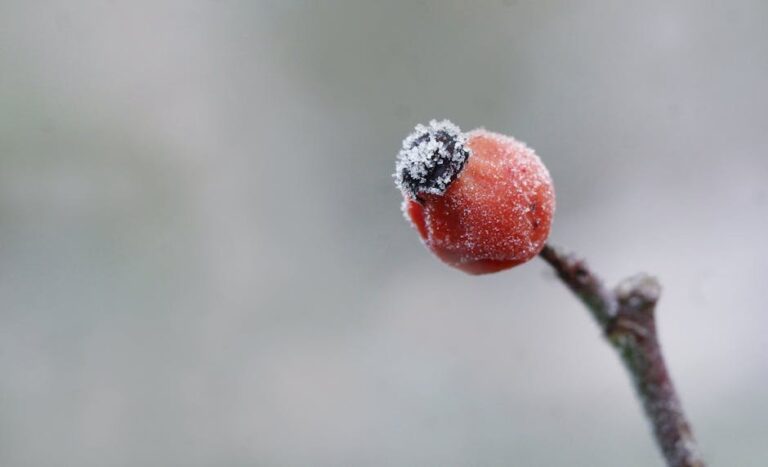
As we approach the colder months, it’s essential to understand that winter care is crucial for rose bushes. These beautiful plants have a natural dormancy period during winter, and if not properly cared for, they can become vulnerable to harsh weather conditions. During this time, rose bushes typically stop producing new growth and focus on conserving energy.
When temperatures drop below 40°F (4°C), rose bushes enter a state of dormancy to protect themselves from freezing damage. However, prolonged exposure to cold temperatures can cause the plant’s roots to freeze, leading to reduced blooming and potentially even death. This is where proper winter care comes into play. By providing your rose bushes with adequate protection, you’ll be helping them survive the harsh weather conditions until spring arrives. To ensure their safety, make sure to mulch around the base of the plants, water thoroughly before the ground freezes, and consider bringing potted rose bushes under cover.
Types of Rose Bushes and Their Unique Needs
When it comes to winter care for rose bushes, not all varieties require the same attention. Different types of roses have unique needs that depend on factors like climate, soil quality, and desired bloom cycle.
For instance, hybrid teas and floribundas thrive in temperate climates with moderate winters, while climbing roses can tolerate colder temperatures but may require protection from harsh winds. English roses, on the other hand, prefer milder winters and rich soil to promote healthy growth.
In terms of climate, rose bushes growing in areas with extreme cold snaps or prolonged frost may need additional protection, such as mulching or covering with burlap. Soil quality is also crucial, as roses prefer well-draining soil that’s rich in organic matter.
To determine the best winter care approach for your rose bush, consider its specific needs and adapt accordingly. For example, if you live in a region with short winters, focus on promoting healthy growth during the spring and summer months, while in areas with harsh winters, prioritize protection from frost and cold damage.
Preparing Your Rose Bushes for Winter
Before winter sets in, it’s crucial to prepare your rose bushes by cutting back canes and cleaning up debris to prevent damage from snow and ice. This will give them a healthy start next spring.
Mulching and Covering: Protecting Against Frost and Wind
Mulching and covering your rose bushes is one of the most effective ways to protect them against frost and wind damage during winter months. This simple yet crucial step can make all the difference between a thriving plant come springtime and a frozen, battered one.
When it comes to mulch options, you’ve got several choices: organic or inorganic. Organic mulches like wood chips, bark, or straw are excellent at retaining moisture, suppressing weeds, and regulating soil temperature. They’re also biodegradable and can add nutrients to the soil as they break down. Inorganic mulches like plastic sheeting or landscape fabric, on the other hand, provide a more physical barrier against wind and frost but don’t offer any nutritional benefits.
To apply mulch effectively, spread it evenly around the base of your rose bushes, keeping it a few inches away from the stems. A 2-3 inch layer is usually sufficient, but you can add more if needed. Make sure to keep the mulch loose and not compacted, as this can prevent water and air from reaching the roots.
Covering your rose bushes with row covers or frost blankets provides an extra layer of protection against harsh winter conditions. These lightweight fabrics allow for airflow while keeping the cold out. Simply drape them over the plants, securing them in place with rocks or clips to ensure they don’t blow away in strong winds.
When selecting a cover or mulch, consider the specific needs and microclimate of your rose bushes. If you live in an extremely cold region, you may want to opt for a more heavy-duty option like straw bales or a frost-proof blanket. In milder climates, a lighter layer of organic mulch might suffice.
Some key things to keep in mind when mulching and covering:
* Keep the area around your rose bushes weed-free to prevent competition for nutrients and water.
* Avoid piling mulch against the base of the plants, as this can cause root rot.
* Remove any debris or dead plant material before applying mulch to prevent pests and diseases from taking hold.
By following these simple steps, you’ll be well on your way to protecting your rose bushes from frost and wind damage during the winter months. Remember, it’s all about providing a cozy and secure environment for your plants to thrive come springtime!
Watering and Fertilization During Dormancy
Water is essential for rose bushes during their dormant period, but overwatering can be detrimental. When soil moisture levels remain high, the risk of root rot and other diseases increases significantly. This is especially true in regions with cool and wet winters. To maintain optimal soil moisture, make sure to water your rose bushes deeply before winter, allowing the top 6-8 inches of soil to dry out between watering sessions.
Fertilization during dormancy might seem counterintuitive, but it’s crucial for promoting healthy root growth and preparing your rose bushes for the upcoming growing season. A balanced fertilizer with a ratio of 10-10-10 (nitrogen-phosphorus-potassium) is an excellent choice. Apply it at half the recommended strength to avoid burning your plant’s roots. Some experts recommend skipping fertilization altogether during winter, as this can stimulate new growth that may be vulnerable to cold damage. If you do choose to fertilize, apply it in late fall or early spring when new growth begins.
Remember, it’s better to err on the side of caution and underfertilize than overfertilize your rose bushes during dormancy.
Techniques for Specific Winter Conditions
When harsh winter weather hits, knowing how to protect your rose bushes from extreme conditions is crucial. Let’s explore techniques tailored to specific winter scenarios, from heavy snowfall to freezing temperatures.
Protecting Against Extreme Cold: Tips for Northern Growers
If you live in an area prone to extreme cold snaps, protecting your rose bushes from harsh temperatures is crucial for their survival. When a prolonged period of subzero temperatures threatens, taking extra precautions can make all the difference.
One effective method for shielding your rose bushes is using burlap wraps. This breathable material allows moisture to escape while keeping cold air at bay. Wrap the burlap around the plant’s trunk and branches, securing it with twine or wire. To add an extra layer of protection, insert foam inserts between the burlap and the plant. These will help insulate the delicate buds from extreme temperatures.
Another option for insulation is using a snow cover or frost blanket specifically designed for plants. These materials can be draped over the rose bushes to shield them from wind-driven snow and ice. Additionally, creating a physical barrier around your garden by building a cold frame or hoop house can also provide protection against extreme cold snaps. By implementing these specialized techniques, you’ll significantly reduce the risk of damage to your rose bushes during harsh winter conditions.
Managing Moisture and Drainage During Wet Winters
During wet winter months, managing moisture and drainage is crucial for rose bush survival. Excessive water can lead to root rot, a common issue that affects many rose bushes during this time. To prevent this, consider using raised beds or mounds for your roses. These elevated planters allow excess water to drain away from the roots, reducing the risk of root rot.
Another effective solution is to improve drainage in your garden bed by incorporating organic matter such as compost or well-rotted manure. This helps the soil absorb and filter water more efficiently, reducing the likelihood of waterlogged conditions. You can also add a layer of mulch to retain moisture in the soil while preventing it from becoming too saturated.
To further prevent root rot, ensure that your rose bushes have good air circulation around them. Remove any nearby plants or debris that could be competing for space and resources. By implementing these measures, you’ll be able to protect your roses from excessive moisture and promote healthy growth during wet winters.
Winter Care for Specific Rose Bush Types
When it comes to rose bush winter care, different types require unique attention. Here, we’ll delve into specific winter care tips for popular rose varieties, including Knock Out and English roses.
Hybrid Tea Roses: Specialized Needs and Solutions
Hybrid tea roses are known for their large, repeat-flowering blooms and vigorous growth habit. However, they also require specialized care to thrive during the winter months. When it comes to pruning hybrid tea roses in winter, it’s essential to focus on maintaining a strong framework while still allowing for some flexibility.
Prune your hybrid tea rose bush immediately after the first frost, removing any dead or damaged branches. Cut back canes that have finished flowering by about one-third to encourage new growth and promote a more balanced shape. Be cautious not to over-prune, as this can cause stress to the plant and make it more susceptible to disease.
To protect your hybrid tea rose from disease and pests during winter, apply a fungicide or insecticidal soap according to the product’s instructions. You should also mulch around the base of the plant to retain moisture and regulate soil temperature. This will help prevent root damage from freezing temperatures and promote healthy growth come springtime.
Regular fertilization is crucial for hybrid tea roses, even during the winter months when they’re dormant. Apply a balanced fertilizer in early spring, following the product’s instructions for application rates and timing.
Climbing Roses: Training and Protection in Winter
Climbing roses require special attention during winter months due to their delicate stems and canes. To prevent cold damage, it’s essential to provide them with proper training methods, support systems, and protection from decay while in dormancy.
For optimal growth, train climbing roses to grow in a way that allows for air circulation around the base of the plant. This can be achieved by pruning back long canes and removing weak growth. Provide sturdy trellises or supports to help the rose bush climb upwards, keeping the stems off the ground to prevent rot and damage from moisture accumulation.
Protect sensitive stems and canes by applying a thick layer of mulch around the base of the plant. This will help insulate the delicate tissue and prevent cold damage. Additionally, consider using anti-desiccant sprays or wraps to protect the stems from drying winds and extreme temperatures.
Regularly inspect your climbing rose for signs of cold damage, such as cracks in the bark or discoloration on the canes. Prune any damaged sections promptly to prevent further deterioration. By taking these precautions, you’ll help ensure a healthy and thriving climbing rose come springtime.
Common Challenges and Troubleshooting Tips
As you prepare your rose bushes for winter, you may encounter some common issues along the way. This section will help you troubleshoot these problems and keep your plants healthy and thriving.
Addressing Pests and Diseases During Winter Dormancy
During the winter months, rose bushes can be vulnerable to pests and diseases that can cause significant damage. Rodents, deer, and other wildlife may see your beautiful blooms as a tempting snack, while fungal diseases like black spot and powdery mildew can take hold when temperatures drop.
To prevent pest infestations, consider using physical barriers such as fencing or mesh around your rose bushes to keep rodents and deer at bay. You can also use repellents like garlic or hot pepper spray to deter them from visiting your garden. For example, you can mix 2 tablespoons of minced garlic with 1 quart of water and spray it around the plants.
For diseases, adopt a proactive approach by pruning your rose bushes before winter, removing any diseased or damaged branches that may harbor fungal spores. Regularly inspect your plants for signs of disease, such as yellowing leaves or powdery white patches on the foliage. If you do spot an issue, treat it promptly with fungicides specifically labeled for use on roses.
In addition to these measures, make sure your rose bushes are receiving adequate air circulation and sunlight during the winter months. This will help prevent moisture from accumulating on the plants and reduce the risk of disease.
Overcoming Unfavorable Weather Conditions
Dealing with unfavorable weather conditions can be one of the most challenging aspects of rose bush winter care. Frosts, windstorms, and extreme temperature fluctuations can cause significant damage to your plants. To minimize losses, it’s essential to have a plan in place for coping with these types of events.
If you’re expecting a frost, bring potted rose bushes indoors or cover them with a sheet or blanket to protect the leaves from damage. For garden roses, use row covers or burlap wraps to keep the cold air out. Keep an eye on temperature forecasts and be prepared to take action at short notice.
In the event of a windstorm, ensure that your rose bushes are securely staked to prevent uprooting. Regular pruning can help reduce damage by removing weak branches that may break in strong winds. After a storm, inspect your plants for damage and take steps to repair any broken stems or canes.
To implement recovery strategies, start by cleaning up debris from the garden and removing any dead or damaged plant material. This will help prevent disease from taking hold. Next, provide your rose bushes with extra support through staking or tying them back, and make sure they receive adequate water and nutrients to aid in their recovery.
Final Tips and Best Practices for Rose Bush Winter Care
To ensure your rose bushes thrive next season, review these crucial final tips and best practices for winter care that’ll save you time and effort come spring. Remember to implement them carefully.
Planning Ahead: Timing Pruning and Preparation
As we approach the winter months, it’s essential to think ahead and plan for the protection of your rose bushes. This is where forward thinking comes into play, and understanding your specific climate zone or local conditions will greatly impact the timing of pruning and preparation.
In temperate climates with moderate winters, pruning can occur as early as late winter or early spring, while in colder regions with harsher winters, it’s best to prune in late spring. Consider the average frost dates for your area and plan accordingly. For instance, if you live in an area where temperatures often drop below 25°F (-4°C), you may need to delay pruning until the threat of extreme cold has passed.
Before initiating any protective measures, ensure you’re aware of the potential risks and challenges associated with winter conditions in your region. Check for signs of disease or pests that can be exacerbated by cold weather. Additionally, assess the overall health of your rose bushes and address any maintenance tasks that may have been put on hold during the growing season. By planning ahead and taking these factors into consideration, you’ll be well-prepared to protect your rose bushes from winter’s chill.
Regular Monitoring and Adaptation
Regular monitoring of your rose bushes is crucial throughout the winter period. This involves checking on their condition regularly to ensure they are adapting well to the changing weather patterns and making necessary adjustments to care strategies as needed.
Keep an eye out for signs of stress, such as yellowing leaves, bare stems, or a sudden drop in foliage. These can be indicative of insufficient water, inadequate protection from harsh winds, or insufficient mulching around the base of the plant. Make sure to inspect your rose bushes at least once a week during periods of extreme cold snaps.
If you notice any issues, don’t hesitate to make adjustments to your care routine. For example, if it’s been particularly dry, increase watering frequency and ensure the area is properly mulched to retain moisture. Conversely, if temperatures are fluctuating wildly, reassess your protection methods – perhaps increasing the thickness of your winter covers or rearranging plants for better wind shielding.
By adapting your care strategies as needed, you can help minimize potential damage to your rose bushes during the harsh winter months.
Frequently Asked Questions
How do I know if my rose bushes are getting enough moisture during winter dormancy?
Rose bushes typically require less water during their dormant season, but it’s essential to ensure they’re not drying out completely. Check the soil by inserting your finger into it up to the knuckle; if the soil feels dry, water gently but thoroughly until water starts draining from the bottom of the pot or container.
Can I still prune my rose bushes in winter, even though most articles recommend doing so in late winter or early spring?
Yes. Pruning can be done during any time of the year when new growth is minimal. However, it’s best to prune your rose bushes immediately after winter dormancy, before new shoots begin to grow. This will help prevent damage from harsh weather conditions and encourage healthy growth for the upcoming growing season.
How do I protect my rose bushes from extreme cold temperatures if I live in an area prone to prolonged frost?
To safeguard your roses against extreme cold, consider applying a layer of thick mulch around 3-4 inches deep. Additionally, you can use anti-desiccant sprays or winterizing rose care products that contain ingredients like neem oil or horticultural wax. These will help protect the plant’s leaves and stems from damage caused by dry winds and icy snows.
Are there any specific techniques for protecting climbing roses during winter?
Climbing roses require more protection than other types of rose bushes due to their exposed location on trellises or walls. To safeguard them, ensure the area around the base of the plant is clear of debris and apply a thick layer of mulch to insulate the roots from extreme cold. You can also use frost blankets or burlap to cover the entire plant during prolonged periods of frost.
Can I still fertilize my rose bushes during winter, even though most of the year’s growth has stopped?
No. Fertilizing your rose bushes during their dormant season is not recommended, as it can stimulate new growth that may be damaged by harsh weather conditions or pests. Hold off on fertilizing until late winter or early spring when new growth begins, and then resume a regular fertilization schedule to promote healthy growth throughout the growing season.