
As the weather starts to cool down, there’s no better way to add some personality to your outdoor space than with stunning fall container plants. Not only do they bring color and vibrancy to your porch or patio, but they also help extend the beauty of your garden well into autumn. Choosing the right containers and seasonal plants can make all the difference in creating a gorgeous display that will impress friends and family alike.
In this article, we’ll dive into the world of fall container gardening, covering everything from selecting the perfect containers to expert tips on layered planting techniques. We’ll also share advice on how to keep your arrangements looking their best throughout the season, as well as provide some inspiring seasonal arrangement ideas to get you started. Whether you’re a seasoned gardener or just starting out, our guide will walk you through everything you need to know to create beautiful fall container plants that will last all season long.
Choosing the Right Containers
When selecting containers for your fall planters, it’s essential to consider the size and material of the pot to ensure it complements the plants you choose. A good container should also provide adequate drainage.
Considerations for Size and Material
When choosing containers for your fall plants, it’s essential to consider the size and material that will complement your outdoor space and home style. A container that’s too large can overwhelm a small patio or balcony, while one that’s too small may not provide enough room for root growth.
In terms of materials, you have several options to choose from. Ceramic containers are a popular choice for fall plants, as they retain moisture well and come in a wide range of styles and sizes. However, they can be heavy and prone to cracking. Metal containers, on the other hand, are lightweight and durable, but may conduct heat and cause roots to dry out.
Wooden planters add a natural touch to your outdoor space, but require more maintenance than other materials as they can rot or crack if not properly sealed. Consider your home’s style and the overall aesthetic you want to achieve when selecting a material for your containers. A mix of different materials can create visual interest and add depth to your fall container garden.
For example, pair a wooden planter with a metal trellis or ceramic urns to create a unique and cohesive look. Remember to choose containers that fit your space and complement your home’s style to create a beautiful and harmonious outdoor display.
Factors Affecting Container Depth and Width
When it comes to choosing the right containers for your fall plants, the depth and width of the container play a crucial role in their growth, drainage, and maintenance. A container that is too shallow can lead to waterlogged soil, while one that is too narrow may restrict root growth.
In general, most herbs and vegetables prefer a container with a depth of at least 5-7 inches to allow for adequate root development. However, some plants like lettuce and spinach require even deeper containers to prevent their roots from becoming waterlogged.
For wider containers, consider the spread of the plant’s foliage. A good rule of thumb is to choose a container that is at least one to two times as wide as the mature plant size. This will give the roots enough room to grow and the leaves sufficient space to spread out.
When selecting containers for your fall plants, keep in mind the specific needs of each variety. Check the seed package or consult with a local nursery for recommendations on container size based on the plant’s requirements.
Selecting Seasonal Plants for Fall
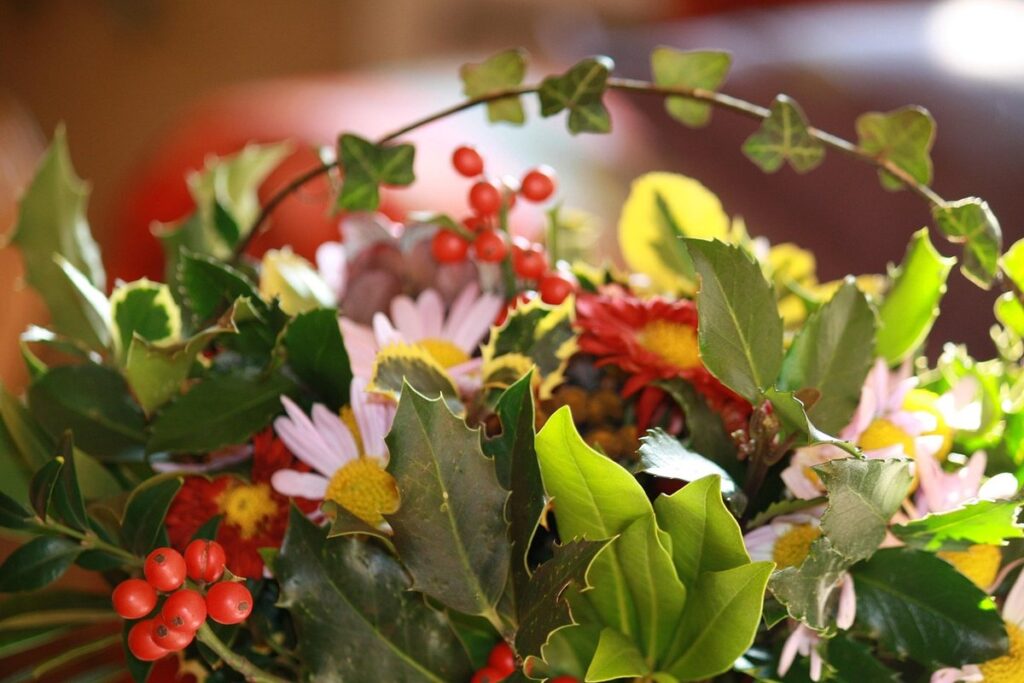
When selecting seasonal plants for fall, consider incorporating warm-toned flowers and foliage to create a cozy atmosphere. Choose from an array of mums, asters, and ornamental grasses to add depth and texture.
Cool-Season Crops for Containers
As fall rolls in, many of us assume that our container gardens are done for the season. But think again! There’s a whole world of cool-season crops that thrive in the cooler temperatures and can add vibrant color and texture to your outdoor space. Take pansies, for example – these delicate-looking flowers are actually incredibly hardy and can bloom until the first frost.
Other top picks include kale and snapdragons, which not only provide a burst of color but also offer edible treats (for kale) or a sweet fragrance (for snapdragons). To care for your cool-season crops during fall’s changing weather conditions, make sure to plant them in well-draining pots with plenty of sunlight. As temperatures drop, be prepared to bring your containers indoors or protect them from harsh winds and frost using burlap or other covers.
To keep your plants looking their best, avoid overwatering (which can lead to root rot) and fertilize lightly as the season progresses. With a little care and attention, these cool-season crops will continue to bloom and thrive right through the fall season, adding beauty and interest to your outdoor space well into the cooler months.
Bulbs for a Fall Container Display
As fall approaches, our container displays often lose their vibrancy. However, incorporating bulbs into your containers can provide a pop of color and interest well into the late summer to early fall season. Bulbs like daffodils, tulips, and crocus are excellent choices for adding autumn flair to your outdoor space.
Planting bulbs in containers requires careful consideration of timing. Typically, it’s best to plant spring-flowering bulbs in late summer or early fall, about 6-8 weeks before the first frost date in your area. This allows them to establish a root system before winter and bloom in early spring.
To ensure success, choose a container with good drainage and use a well-draining potting mix. Plant the bulb at the correct depth (usually 2-3 times its height) and water thoroughly after planting. Watering regularly during the growing season will promote healthy growth and blooming. By incorporating bulbs into your containers, you can enjoy a beautiful display of color even in the cooler months of fall.
Layered Planting Techniques
To add depth and visual interest to your fall containers, layered planting techniques offer a simple yet effective way to create stunning arrangements. Let’s explore some inspiring combinations.
Adding Fillers and Spillers
When combining plants with different growth habits to create visually appealing arrangements, it’s essential to consider their role in the overall design. Fillers, like moss or creeping thyme, serve as low-maintenance additions that fill gaps between larger plants and add depth to your container arrangement.
For example, moss can thrive in moist environments and requires minimal care, making it an ideal filler for autumn containers. Creeping thyme is another great option, producing tiny flowers and releasing a fragrant aroma that complements the scent of fall foliage.
Spillers, such as ivy or sweet potato, take center stage by cascading over the edges of your container, creating a beautiful display of foliage and flowers. Ivy’s trailing stems can be trained to spill elegantly down the sides of a planter, while sweet potatoes produce stunning orange tubers that add pops of color.
To incorporate fillers and spillers into your fall container arrangement, start by selecting a statement plant as the base layer. Then, add layers of smaller plants with different textures and growth habits. Finish by adding fillers to fill any gaps and spillers to create movement and visual interest.
Using Vines in Fall Containers
Adding height and interest to fall containers is easy with vines. One of the most popular choices for fall containers is ivy, which comes in a variety of species such as English ivy (Hedera helix) or Boston ivy (Parthenocissus tricuspidata). These plants are perfect for adding a dramatic touch to your outdoor space.
When using vines like clematis or morning glories, make sure to provide a trellis or other support for them to climb on. This will not only add height but also keep the plant upright and prevent it from toppling over in the wind. To train your vines, gently twine the stems around the trellis or stake as they grow. For more vigorous growers like clematis, prune back the tips of new growth regularly to encourage branching and prevent legginess.
Some other popular vine options for fall containers include sweet peas (Lathyrus odoratus) and honeysuckle (Lonicera spp.). These plants are perfect for adding a whimsical touch to your outdoor space. To ensure they don’t get too tangled, prune them regularly to maintain shape and promote healthy growth.
Maintenance and Care for Fall Container Plants
Now that you’ve chosen your fall container plants, let’s talk maintenance and care – a few simple tips will keep them thriving all season long. With regular attention, they’ll provide colorful blooms well into winter.
Watering Strategies for Cooler Weather
As the temperature cools down during fall, it’s essential to adjust your watering schedule for your container plants. One of the biggest mistakes gardeners make is overwatering their plants as temperatures drop. This can lead to root rot and other issues that can be detrimental to your plant’s health.
To avoid this, monitor soil moisture by sticking your finger into the soil up to the first knuckle. If the soil feels dry, it’s time to water. If it still feels moist, wait another day or two before checking again. Another way to check is by gently lifting the pot; if the plant feels light and easy to lift, it needs watering.
Adjust your irrigation frequency accordingly as temperatures drop. As a general rule of thumb, reduce watering by about 25% in cooler weather. For example, if you were watering every other day when it was hot, switch to every third or fourth day when the temperature cools down. By making these adjustments, you’ll be able to keep your fall container plants thriving well into the season.
Fertilization and Pruning Techniques
As the days shorten and temperatures cool, it’s essential to continue nourishing your fall container plants with proper fertilization. Fertilizing your containers at this time promotes healthy growth, encourages root development, and helps prevent nutrient deficiencies. Use a balanced fertilizer (10-10-10 NPK) or a high-phosphorus formula (15-30-15 NPK) to boost flowering and fruiting in plants like mums, asters, and pansies.
When it comes to pruning, timing is crucial. For most fall-blooming plants, prune after the first flush of flowers has faded. Cut back leggy stems to encourage bushy growth and prevent the plant from becoming too tall. Remove any dead or damaged branches to maintain a tidy appearance and promote air circulation.
For example, if you’re growing chrysanthemums, wait until they finish blooming before pruning them back by about one-third. This will help control height and encourage new flower buds to form. For evergreen plants like boxwood or holly, prune lightly in the fall to maintain shape and promote healthy growth for next year’s blooms.
Some plants, such as geraniums and begonias, require more frequent pruning to prevent them from becoming leggy. Pinch off tips regularly to encourage branching and prevent the plant from flowering too profusely.
Ideas for Fall Container Arrangements
To add some excitement to your fall container arrangements, we’ll explore a variety of creative and colorful ideas to try this season. From dramatic foliage combinations to vibrant blooms, get ready for inspiration!
Monochromatic Color Schemes
One of the most striking ways to design a fall container arrangement is by using a monochromatic color scheme. This means featuring plants with varying foliage textures and shapes, but all sharing a single color. For example, you could choose shades of yellow, such as golden hues from sunflowers or bright yellows from daffodils, to create a cohesive look.
To achieve this look, start by selecting a few statement pieces like the aforementioned sunflowers or dahlias in shades of yellow. Then, balance them with some greenery like ferns or boxwood, which will add depth and texture to your arrangement without overpowering the main color. Consider adding a few wispy stems like baby’s breath or Queen Anne’s lace for a light and airy feel.
Remember, the key to pulling off a monochromatic scheme is to balance contrasting textures and shapes within a single color family. This creates visual interest and makes your container arrangement truly stunning. By following this approach, you can create a fall container that not only complements your outdoor space but also becomes a focal point in itself.
Seasonal Themes for Your Outdoor Space
As we dive into the world of fall container arrangements, let’s not forget to capture the essence of autumn in our outdoor spaces. A seasonal theme is a great way to do just that, and it’s easier than you think! To create a display that reflects the spirit of fall, start by incorporating natural elements like pumpkins, gourds, or dried flowers into your arrangement.
Consider pairing these elements with rich, warm-toned plants like mums, asters, or sedum. Not only do they add color and texture to your space, but they also complement the autumnal theme perfectly. For a more rustic look, try grouping smaller pumpkins or gourds together in a decorative bowl or vase, and surround them with fall foliage like maple leaves or oak branches.
Remember, it’s all about balance and restraint when creating a seasonal display. Don’t be afraid to mix and match different textures, colors, and shapes to create a visually appealing arrangement that tells the story of fall. For example, pair smooth pumpkins with rough-hewn gourds, or combine soft, muted flowers with sturdy branches. The result will be a unique and inviting outdoor space that reflects the beauty of autumn.
Common Mistakes to Avoid When Planting Fall Containers
When planting fall containers, it’s easy to make mistakes that can harm your plants and detract from their beauty. Let’s look at some common errors to steer clear of for a thriving display.
Overcrowding and Underplanting
When it comes to planting fall containers, many of us tend to make one of two mistakes: overcrowding or underplanting. Overcrowding occurs when we cram too many plants into a container, leaving little room for proper growth and air circulation. This can lead to a messy, tangled mess that’s more prone to disease and pests.
On the other hand, underplanting happens when we plant too few plants in a container, leaving large gaps between each one. Not only does this look bare and uninviting, but it also means our plants won’t be able to thrive as they should.
To achieve balanced plant spacing, consider the mature size of your plants. Make sure you’re leaving enough room for them to grow outwards and upwards without overcrowding the container. A general rule of thumb is to leave about 6-12 inches between each plant, depending on their spread. For example, if you’re planting a compact variety of mums, you can get away with closer spacing than if you were using a sprawling sedum.
Inadequate Drainage
When planting fall containers, one common mistake to avoid is inadequate drainage. Waterlogged soil can be detrimental to your plants’ health, leading to root rot and preventing them from absorbing essential nutrients. This issue is particularly prevalent during the fall season when plants are more susceptible to moisture-related problems.
To prevent water accumulation in your containers, ensure they have sufficient drainage holes. A general rule of thumb is to include at least one hole per inch of container diameter. For example, a 12-inch wide planter should have at least 12 holes for optimal air circulation and water evacuation. You can also use a well-draining potting mix specifically designed for containers. This type of soil allows excess moisture to escape while retaining necessary nutrients.
It’s also essential to monitor your plants’ watering schedule, taking into account factors like temperature, humidity, and sunlight exposure. Water your fall containers thoroughly, allowing the top 1-2 inches of soil to dry out between waterings. Keep an eye on your plants for signs of overwatering, such as yellowing leaves or a softened stem, which can be indicative of root rot. By prioritizing proper drainage in your fall containers, you’ll create a healthy environment that fosters vibrant growth and prevents common issues like root rot.
Frequently Asked Questions
Can I use last season’s plants for my fall container garden, or do I need to start from scratch?
While you can reuse some pots and materials from previous seasons, it’s best to start fresh with new plants and a clean slate. This will help prevent disease transmission and ensure your containers look their best throughout the fall.
How do I know which type of fertilizer is best for my fall container garden?
Choose a balanced, water-soluble fertilizer that’s specifically formulated for cool-season crops. You can also consider using organic fertilizers like compost tea or worm castings to add nutrients without harming the environment.
Can I plant bulbs in containers if they’re too small, or will they be crowded out by other plants?
Yes! Bulbs like tulips and daffodils can thrive in smaller containers, provided they have enough space for their roots to grow. Consider planting a single bulb per pot or using a larger container with good drainage to accommodate multiple bulbs.
What’s the best way to water my fall container garden during cooler weather?
Water your containers when the top inch of soil feels dry to the touch, and avoid getting water on the leaves to prevent fungal diseases. Use soaker hoses or drip irrigation systems for efficient watering, and consider mulching around plants to retain moisture.
Can I use evergreen branches in my fall container arrangements, or will they be too bare?
Yes! Evergreen branches like eucalyptus and fir can add a pop of color and texture to your containers. Simply trim them to the desired length and combine with seasonal flowers and foliage for a beautiful arrangement.