
Are you tired of relying on the same old fruits from the supermarket? Growing your own tree that bears delicious fruit can be a game-changer for anyone looking to elevate their gardening skills and enjoy fresh produce right in their backyard. Not only do fruit-bearing trees provide a bountiful harvest, but they also add natural beauty and serenity to any outdoor space.
But what if you’re new to growing fruit trees? Or perhaps you’ve had trouble getting them to thrive in the past? That’s where this comprehensive guide comes in – covering everything from the history of fruit-bearing trees to their numerous benefits and practical care tips. In this article, we’ll walk you through the ins and outs of cultivating your own fruitful haven, so you can start harvesting juicy fruits and enjoying the satisfaction that comes with growing something truly special.
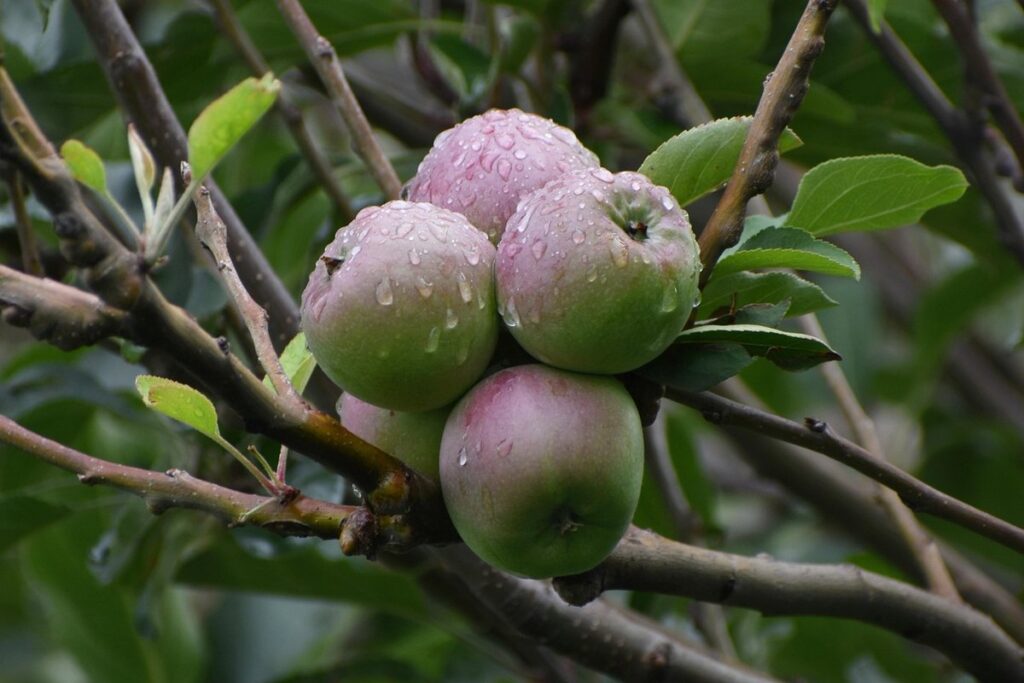
Types of Fruiting Trees
Let’s dive into the wonderful world of fruiting trees, exploring the diverse types that offer delicious produce for you to enjoy and cultivate in your garden. From apples to avocados, there are many exciting options to discover.
Temperate Fruit Trees
Temperate fruit trees are some of the most widely cultivated and enjoyed varieties globally. In temperate climates, where winters are cold and summers are mild, certain tree species thrive. Among these, apple (Malus domestica), pear (Pyrus communis), cherry (Prunus avium), and plum (Prunus domestica) trees stand out for their reliability and flavor.
Apple trees, known for their long lifespan of up to 100 years, require well-draining soil and a cool climate. They come in over 7,000 varieties worldwide, offering diverse flavors, textures, and uses. Regular pruning is essential to maintain their compact shape and stimulate fruiting.
Pear trees are another popular choice, celebrated for their sweet, buttery flesh. These trees prefer slightly acidic soils and full sun exposure. Pruning is also crucial for pear trees, but it’s better to prune during the dormant season to avoid disease transmission.
Cherry and plum trees share similar growth habits, with a lifespan of around 50 years. They prefer well-draining soil and partial shade. Regular watering is necessary, especially when fruiting. It’s essential to choose disease-resistant varieties for these trees as fungal diseases can be devastating.
In terms of ideal growing conditions, most temperate fruit trees require full sun (at least six hours of direct sunlight) and a slightly acidic soil pH between 6 and 7. Regular fertilization and pruning will help ensure optimal growth and fruit production.
Tropical and Subtropical Fruit Trees
If you’re growing fruit trees in warmer climates, you’ll want to focus on tropical and subtropical varieties that thrive in these conditions. Mangoes, bananas, and citrus fruits are excellent choices for regions with high temperatures and humidity.
Mango trees, for instance, require full sun and well-draining soil to produce an abundance of juicy fruit. They’re relatively low-maintenance but do need regular watering and fertilization to ensure optimal growth. In contrast, banana plants prefer rich, moist soil and partial shade to prevent leaf scorching.
Citrus fruits like oranges, lemons, and limes are another popular option for subtropical climates. These trees prefer well-draining soil and full sun to produce a bountiful harvest. Regular pruning is essential to maintain their shape and promote fruiting.
When cultivating these tropical and subtropical fruit trees, keep in mind the potential for pests and diseases that thrive in warm weather. Regularly inspect your plants for signs of infestation or infection, and take prompt action if necessary to prevent damage.
History of Fruiting Trees
Let’s take a step back and explore how our ancestors cultivated some of these incredible fruiting trees, learning from their discoveries and experiences along the way. We’ll delve into the fascinating history behind each tree’s development.
Origins and Domestication
The history of fruit-bearing tree domestication is a fascinating story that spans thousands of years. The earliest recorded evidence of fruit tree cultivation dates back to around 4000 BCE in the Fertile Crescent, a region that includes modern-day Iraq, Syria, Lebanon, Jordan, Israel, and parts of Turkey and Egypt. It was here that humans first began to domesticate wild species of figs, grapes, and olives.
As civilizations developed, so did the art of cultivating fruit-bearing trees. In ancient Greece and Rome, fruit trees were highly valued for their ability to provide sustenance during times of scarcity. The Romans, in particular, were known for their extensive orchards, which featured a wide variety of fruits, including apples, pears, and plums.
The process of domestication involved careful selection and breeding of desirable traits in wild tree species. This selective breeding allowed humans to increase the yield and quality of fruit, as well as its flavor and texture. By understanding how our ancestors domesticated fruit-bearing trees, we can appreciate the incredible diversity of fruits that are available today, and perhaps even learn a thing or two about cultivating our own fruiting trees at home.
Evolutionary Significance
Fruiting trees played a crucial role in human evolution, particularly as a reliable food source. Early humans likely followed fruit-bearing trees to survive and thrive during their nomadic migrations. Figs, for instance, were one of the earliest cultivated fruits and provided a readily available source of nutrition.
Research suggests that early humans may have been attracted to regions with abundant fruiting tree populations, leading to human settlement in these areas. This migration pattern is evident in the distribution of early human civilizations, which often coincided with regions rich in fruit-bearing trees like date palms and olives.
The availability of fruits from these trees also enabled early humans to settle and develop more complex societies, ultimately contributing to their evolutionary success. Understanding this relationship between fruiting trees and human evolution highlights the significance of preserving these species for future generations.
Benefits of Fruiting Trees
Growing your own fruit at home not only saves you money, but it also brings numerous benefits to both your health and the environment. Let’s explore them in more detail now.
Environmental Benefits
Fruiting trees play a vital role in maintaining environmental health by contributing to air quality improvement, soil enrichment, and habitat creation for wildlife. One of the most significant benefits is their ability to purify the air we breathe. Through photosynthesis, these trees absorb carbon dioxide and release oxygen, which can help reduce pollution levels and mitigate the effects of climate change.
Moreover, fruiting trees are nature’s fertilizer factories. As they grow, they break down organic matter in the soil and add nutrients back into it, enriching the soil structure and promoting healthy microbial activity. This process not only improves soil fertility but also reduces the need for chemical fertilizers and pesticides, making them a sustainable choice for gardeners.
In addition to these benefits, fruiting trees provide essential habitats for local wildlife, such as birds, bees, and butterflies. By planting a variety of species, you can create a thriving ecosystem that supports biodiversity and attracts beneficial insects. For instance, consider pairing a fruit tree with native plants like lavender or coneflowers to attract pollinators and create a haven for wildlife.
To maximize the environmental benefits of your fruittrees, choose species that are well-suited to your local climate and soil type. Consider factors such as sun exposure, watering needs, and potential pests when selecting the perfect tree for your garden or landscape. By doing so, you’ll be creating a sustainable oasis that not only provides delicious fruit but also contributes to the health of our planet.
Health Benefits
Fruiting trees offer an abundance of nutritional benefits, thanks to their diverse array of fruits. For instance, apples from apple trees (Malus domestica) are high in fiber and antioxidants, which can help lower cholesterol levels and reduce the risk of heart disease.
Similarly, avocados from avocado trees (Persea americana) contain healthy fats that support heart health and may even aid in weight management. Berries like blueberries and strawberries from various tree species have potent antioxidant properties, which can protect against age-related cognitive decline and certain cancers.
In addition to the nutritional benefits of their fruits, fruiting trees also provide a natural source of fiber, vitamins, and minerals. Eating a variety of fruits from different trees can support immune function, aid in digestion, and even help regulate blood sugar levels.
When selecting fruits from your own tree or choosing them at the market, opt for those that are rich in antioxidants and have high water content to reap the most health benefits.
Growing and Maintaining Fruiting Trees
To ensure your fruiting trees thrive, you’ll want to focus on providing them with optimal growing conditions and regular maintenance tasks. This includes pruning, fertilizing, and monitoring for pests and diseases.
Planting and Care
When planting fruit-bearing trees, it’s essential to prepare the soil properly. This involves testing the pH level and nutrient content of the soil, and adding organic matter like compost or manure if necessary. Fruit trees typically prefer a slightly acidic to neutral soil pH (around 6.0-7.0). Adequate sunlight and water are also crucial for healthy growth.
Pruning is another critical aspect of caring for fruit-bearing trees. Prune your tree annually, removing any dead, diseased, or damaged branches. This will help maintain the tree’s shape, promote healthy growth, and increase fruit production. Timing of pruning varies depending on the type of tree: for example, prune deciduous trees in late winter or early spring, while evergreen trees should be pruned after harvesting.
Keep an eye out for pests like aphids, mites, and scales, which can harm your tree’s health. Regularly inspect your tree for signs of infestation and use organic or integrated pest management methods to control any issues that arise.
Pests and Diseases
Fruiting trees can be susceptible to various pests and diseases that can harm their growth and productivity. Some common pests include aphids, whiteflies, spider mites, and codling moths, which feed on sap, damage leaves, or lay eggs inside fruit. Regular inspections are essential to detect these issues early.
To control infestations, use natural methods such as introducing beneficial insects like ladybugs or lacewings that prey on pests. Spray soapy water or neem oil can also help manage aphid and whitefly populations. For severe cases, consider using diatomaceous earth or pyrethrin sprays.
Diseases like powdery mildew, root rot, and anthracnose are common in fruiting trees. These fungal infections thrive in humid environments with poor air circulation. Improve tree health by ensuring adequate spacing, pruning dead branches, and maintaining good hygiene practices when handling plant material. Apply copper-based fungicides or sulfur as a last resort to control outbreaks.
Monitor your trees regularly for signs of stress or disease and take action promptly to prevent damage.
Harvesting Fruits
As you’ve learned how to identify and care for fruit-bearing trees, it’s time to dive into the fun part: harvesting your own delicious fruits right from your backyard. We’ll explore the best techniques for picking ripe fruit.
Timing and Methods
When it comes to harvesting fruits from trees, timing is everything. The optimal time for harvest varies depending on the type of fruit and its ripeness. For example, apples are typically ready to be picked between September and November, while citrus fruits like oranges and lemons are usually harvested in the winter months.
To determine if a fruit is ripe and ready to be picked, gently twist it from the branch. If it comes off easily, it’s likely ready for harvest. For more delicate fruits like strawberries or grapes, use a gentle snipping motion with pruning shears.
In contrast to hand-picking, mechanical harvesting involves using machinery to shake the branches of the tree, causing the fruit to fall onto a conveyor belt or other collection device. This method is often used for large-scale commercial production and can be more efficient than hand-picking, but it requires careful consideration to avoid damaging the tree or bruising the fruit.
When choosing between hand-picking and mechanical harvesting, consider factors like the type of fruit, tree size, and personal preference. For small-scale home growers or those with limited resources, hand-picking may be the better option.
Storage and Preservation
When it comes to enjoying your homegrown fruits year-round, proper storage and preservation are crucial. Not only do they help extend shelf life, but also ensure that you can enjoy your favorite flavors at any time.
One of the simplest methods for storing fruits is to keep them cool and dry. Most fruits, such as apples, pears, and berries, will last longer if stored in a temperature range between 32°F (0°C) and 50°F (10°C). Berries are particularly sensitive to moisture, so it’s best to store them in a dry place or use a breathable container.
For fruits that are more delicate, such as citrus and stone fruits, refrigeration is the way to go. Wrap them individually in plastic wrap or aluminum foil and keep them at 32°F (0°C) or below. You can also preserve fruits through techniques like canning, freezing, or dehydrating. Canning involves heating the fruit in a sugar syrup to kill off bacteria, while freezing helps preserve flavor and texture by locking in moisture. Dehydrating removes excess water content, making it an excellent method for preserving fruits that are high in water content, such as berries and citrus.
Proper storage and preservation techniques will help you enjoy your homegrown fruits all year round, without worrying about spoilage or waste.
Conclusion and Future Outlook
As we conclude our journey through the world of fruit-bearing trees, let’s take a moment to reflect on what you’ve learned so far and look ahead to new possibilities.
Trends in Fruit Tree Cultivation
As we look to the future of fruit tree cultivation, several emerging trends are poised to revolutionize the way we grow and harvest our favorite fruits. One such trend is vertical farming, which involves growing crops in vertically stacked layers within a controlled environment. This method allows for increased yields, reduced water consumption, and improved crop quality. Urban agriculture initiatives are also gaining momentum, with cities like Tokyo and Singapore implementing innovative rooftop gardens and community plots to bring fresh produce directly to residents.
For home gardeners looking to incorporate these trends into their own practice, consider investing in a compact vertical farm or repurposing an existing space, such as a balcony or backyard shed, for a small-scale vertical garden. You can also explore local urban agriculture initiatives and participate in community plots or workshops to learn more about this emerging field.
Urban agriculture not only provides access to fresh produce but also helps build stronger community ties among growers and consumers alike. By embracing these trends, we can create more sustainable, efficient, and connected food systems that benefit both people and the environment.
Recommendations for Gardeners and Farmers
As you begin to incorporate fruit-bearing trees into your garden or farm, remember that this is just the starting point of a rewarding journey. With proper planning and care, these trees can thrive for years to come.
For gardeners, consider starting with dwarf or semi-dwarf varieties, which are ideal for smaller spaces and require less maintenance. For example, dwarf apple trees like ‘Red Delicious’ or ‘Gala’ can produce fruit within 2-3 years of planting, while requiring minimal pruning and support. When selecting a tree, also consider the climate, soil type, and available sunlight in your area to ensure you choose a variety that will thrive.
For farmers, think about incorporating fruit-bearing trees into your orchard layout to create a diverse and profitable operation. Consider planting companion trees like almonds or cherries alongside more popular varieties to create a balanced ecosystem. Regular pruning and training can also help promote healthy growth, increase yields, and extend the productive life of the tree.
As you navigate this process, keep in mind that it may take time for your fruit-bearing trees to mature and produce high-quality fruit. But with patience, dedication, and proper care, you’ll be enjoying the fruits of your labor in no time.
Frequently Asked Questions
Can I grow fruit-bearing trees in containers or do they require a lot of space?
Growing fruit-bearing trees in containers is definitely possible, but it requires careful consideration of the tree’s mature size, soil quality, and watering needs. Start with dwarf varieties or container-specific breeds that thrive in smaller spaces.
How often should I prune my temperate fruit trees to ensure optimal growth and production?
Regular pruning is essential for maintaining healthy and productive fruit trees. Prune your trees at least twice a year: once in late winter or early spring, removing dead wood and shaping the tree’s structure; and again during summer, focusing on thinning out branches to promote even growth.
What are some common pests and diseases that affect temperate fruit trees?
Common pests include aphids, codling moths, and spider mites. Regularly inspect your trees for signs of infestation or infection, such as discolored leaves or excessive leaf drop. For control methods, try introducing beneficial insects (e.g., ladybugs), applying neem oil, or using targeted pesticides.
Can I grow multiple varieties of fruit trees together without them competing with each other?
While it’s possible to plant different fruit tree species close together, be mindful of their mature size and canopy overlap. For example, planting a compact apple tree near a larger peach tree can work, but ensure sufficient space for air circulation and sunlight penetration.
How long does it take for fruit-bearing trees to produce their first harvest after being planted?
The time between planting and the first harvest varies depending on factors like climate, soil quality, and tree variety. Generally, temperate fruit trees take 2-5 years to mature, while tropical and subtropical varieties can be ready in as little as 1 year after planting.