
Chile peppers are one of the most diverse and versatile ingredients in global cuisine. With their origins tracing back over 6,000 years to the Americas, these spicy wonders have become an integral part of many cultures around the world. From the fiery heat of a habanero to the smoky depth of a chipotle, chile peppers add a unique dimension to any dish. But with so many varieties available, it can be overwhelming for cooks and gardeners alike to navigate the different types and uses. In this article, we’ll explore the fascinating world of chile peppers, covering their history, types, and uses in various cuisines. We’ll also delve into tips on growing, preserving, and cooking with these versatile peppers to help you elevate your culinary skills and unlock new flavors.
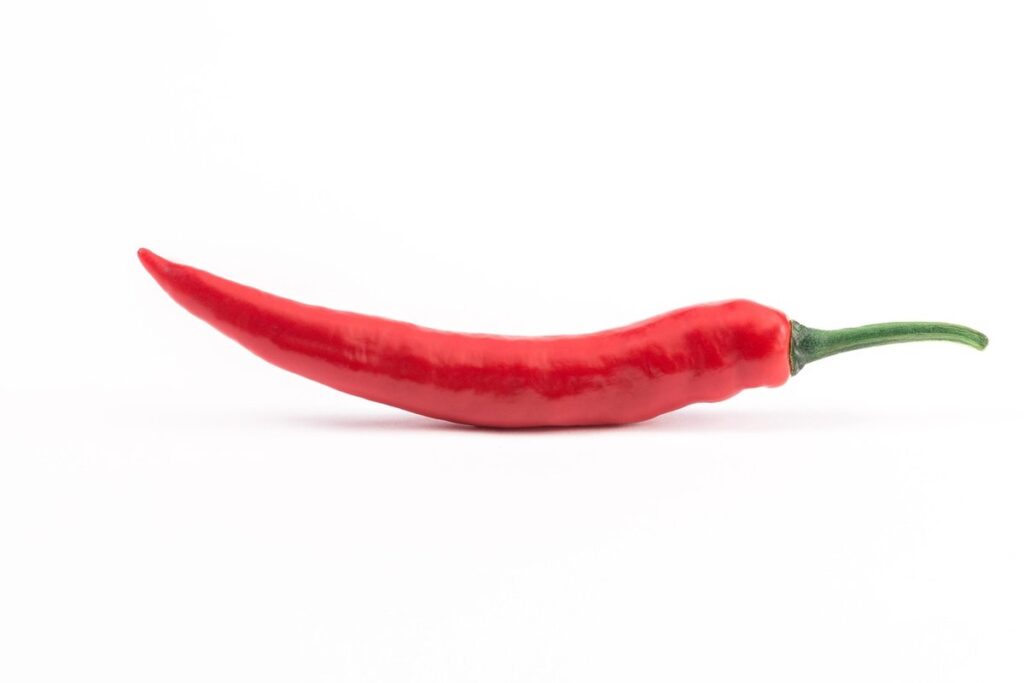
The Origins and History of Chile Peppers
Let’s dive into the fascinating history behind these spicy staples, tracing their origins back thousands of years to ancient civilizations in Central and South America.
Ancient Cultivation and Spread
The history of chile peppers is a rich and fascinating one that spans thousands of years. It’s believed that these incredible plants were first cultivated in Central America, specifically in the regions that are now modern-day Mexico and Guatemala. Archaeologists have discovered evidence of chili pepper use dating back to around 6,000 BCE, with the earliest known domesticated chile peppers being found in the state of Oaxaca, Mexico.
From Central America, chile peppers spread rapidly throughout the Americas, becoming an integral part of indigenous cuisine in countries such as Peru, Bolivia, and Ecuador. The Incas were particularly fond of chili peppers, using them not only for flavor but also for medicinal purposes. As Spanish conquistadors explored the New World, they encountered chile peppers and brought them back to Europe, introducing this new spice to the Old Continent.
Chile peppers quickly gained popularity in Europe, becoming a staple ingredient in many cuisines. The Portuguese were particularly instrumental in spreading chile peppers across their colonies in Africa, Asia, and the Pacific Islands. Today, chile peppers are grown and enjoyed all over the world, with countless varieties available for enthusiasts to explore. Whether you’re a seasoned chili head or just starting your journey into the wonderful world of chile peppers, understanding their history can only enhance your appreciation for these incredible plants.
Evolutionary Impact on Human Diet
The introduction of chile peppers to human diets has had a profound impact on culinary traditions and cultural practices around the world. These spicy additions have not only added flavor but also played a key role in shaping the gastronomy of various regions.
One of the most significant effects of chile peppers is their ability to add depth and complexity to dishes, elevating them from simple meals to rich, vibrant creations. In many cuisines, chile peppers are used as a primary ingredient, and their absence would significantly alter the character of popular dishes.
For instance, Korean kimchi relies heavily on the spicy kick provided by chile peppers, while in Indian cuisine, chiles are often paired with other spices to create bold and aromatic curries. The influence of chile peppers can also be seen in Latin American and Caribbean cooking, where they add a distinctive flavor to dishes such as salsa and jerk seasoning.
In incorporating chile peppers into your own cooking, consider the specific type and heat level that suits your taste preferences. Experiment with different varieties and pairings to discover how these versatile ingredients can elevate your meals and add variety to your culinary repertoire.
The Five Basic Types of Chile Peppers
When it comes to chile peppers, you’ll often come across a few core varieties that serve as the foundation for all the others. Let’s break down these five fundamental types.
Bell Peppers: Sweet and Mild
Bell peppers are often misunderstood as being just one type of chile pepper. However, they are not hot at all and belong to a different category altogether. They come in a variety of colors, including green, red, yellow, orange, purple, and even white. Their sweet, slightly smoky flavor makes them an excellent addition to many dishes.
When it comes to cooking with bell peppers, you can use them raw or cooked. Slice them thin for salads or add diced bell peppers to stir-fries and sautés. You can also roast them in the oven to bring out their natural sweetness. Bell peppers are low in calories and rich in vitamins A and C, as well as fiber.
In terms of nutrition, bell peppers are an excellent choice. According to the United States Department of Agriculture (USDA), one cup of sliced red bell pepper contains just 49 calories, but a whopping 125% of your daily recommended intake of vitamin C. So go ahead and add more bell peppers to your meals – they’re good for you and delicious too!
Jalapeño Peppers: Spicy and Popular
Jalapeño peppers are one of the most popular and recognizable types of chile peppers. They’re known for their distinctive flavor and moderate to high heat level, which ranges from 2,500 to 8,000 Scoville Heat Units (SHU). For comparison, this is relatively mild compared to other varieties like the ghost pepper or habanero.
In terms of culinary uses, jalapeños are incredibly versatile. They can be used in a variety of dishes, from salsas and sauces to soups and salads. One of their most popular uses is as a topping for tacos, where they add a spicy kick and fresh flavor. You can also stuff and bake them with cheese or use them in pickling recipes.
If you’re looking to try your hand at cooking with jalapeños, start by experimenting with simple recipes like adding sliced peppers to a grilled cheese sandwich or using them as a topping for nachos. As you become more comfortable with their heat level and flavor profile, try more complex dishes like spicy soups or sauces. Remember that the key to working with hot peppers is to handle them carefully – the oils in the skin can cause irritation if not handled properly.
Specialty Chile Peppers for the Adventurous
If you’re ready to take your spice game to the next level, get ready to explore some of the world’s most intense and exotic chile peppers, including the infamous Ghost Pepper.
Ghost Peppers: The Hottest of Them All
When it comes to chile peppers, some varieties take the heat to new extremes. Among these, the ghost pepper stands out as a record-breaker – literally. With an astonishing Scoville heat unit rating of over 1,000,000 SHU, it’s not for the faint of heart. To put this in perspective, the jalapeno pepper typically ranges from 2,500 to 8,000 SHU.
The ghost pepper, also known as Bhut Jolokia, has made its way into modern cuisine, particularly among adventurous foodies and chefs. It adds a smoky, slightly sweet heat to dishes like curries, stews, and marinades. Some enthusiasts even use it in hot sauces and spicy condiments. However, when working with ghost peppers, remember to handle them carefully, as the oils in the skin can cause irritation.
Beyond its culinary uses, the ghost pepper holds significant cultural importance, particularly in India’s North Eastern states where it originated. It’s used not only for flavor but also for medicinal purposes and even as a means of preservation during times of scarcity. With such potency and rich history, it’s no wonder this fiery chile pepper has earned its reputation as one of the hottest – if not the hottest – among the chile pepper family.
Habanero Peppers: Sweet and Smoky
Habanero peppers are known for their unique flavor profile that is both sweet and smoky. Native to the Caribbean, they’re a staple ingredient in many traditional dishes from the region. One of the defining characteristics of habaneros is their intense heat, which can range from 100,000 to 350,000 Scoville Heat Units (SHU). This makes them one of the hottest peppers in the world.
In terms of flavor, habaneros have a sweet, slightly smoky taste with hints of tropical fruit. They pair well with ingredients like seafood, chicken, and pork, making them a versatile addition to Caribbean cuisine. You can use them raw in salsas or hot sauces, or add them to marinades for grilled meats.
If you’re interested in growing habaneros at home, be sure to provide plenty of sunlight and heat, as they thrive in temperatures above 70°F (21°C). They’re also relatively easy to care for and can be grown indoors with proper lighting. With a little patience and attention, you can enjoy the unique flavor and heat of these incredible peppers right from your own garden.
Chile Pepper Hybrids and Variations
Let’s explore some of the amazing hybrids and variations that have been created by combining different chile pepper species, each with its own unique characteristics and heat levels.
F1 Hybrid vs. Open-Pollinated Varieties
When it comes to chile peppers, you’ll often come across two types of varieties: F1 hybrids and open-pollinated. While they may seem similar, each has its own unique characteristics that can impact their growth, flavor, and overall performance.
F1 hybrid chile pepper varieties are bred specifically for their high yields, disease resistance, and uniform appearance. They’re often the result of careful cross-breeding between two parent lines to create a new generation with desirable traits. The benefits of F1 hybrids include consistent results, improved yields, and enhanced flavor profiles. However, they can be more expensive than open-pollinated varieties, and their seeds may not produce true-to-type offspring.
On the other hand, open-pollinated chile pepper varieties are allowed to naturally cross-pollinate with other plants of the same variety, resulting in unique and diverse seed lines. This method is often preferred by home gardeners who want to save seeds from year to year or preserve heirloom varieties. Open-pollinated peppers can offer a wider range of flavor profiles and adapt more easily to specific growing conditions. However, their yields may be lower, and they can be more susceptible to disease.
Ultimately, the choice between F1 hybrids and open-pollinated chile pepper varieties depends on your personal preferences, growing goals, and level of experience. If you’re looking for high yields and consistent results, F1 hybrids might be the way to go. But if you want to preserve heirloom varieties or experiment with unique flavor profiles, open-pollinated peppers could be a better fit.
New and Emerging Cultivars
In recent years, the chile pepper world has seen an explosion of new and exciting cultivars. These innovative varieties offer unique characteristics that can elevate your cooking to the next level. Take, for instance, the ‘Orange Blaze’ pepper, which boasts a vibrant orange color and intense sweetness. This pepper is perfect for adding a pop of color to dishes like stir-fries or salads.
Another standout variety is the ‘Chocolate 7 Pod’, which offers a rich, dark flavor profile and a compact growth habit. These traits make it an ideal choice for small-space gardens or container growing. If you’re looking to add some heat to your dishes without overpowering them, consider the ‘Cayman Yellow’ pepper, which packs a surprising punch despite its mild flavor.
When exploring new chile pepper cultivars, remember to consider factors like flavor profile, heat level, and growth habit when selecting varieties for your garden. This will ensure that you’re getting the most out of these exciting new additions to the world of chile peppers.
Chile Peppers in Different Cuisines and Traditions
Chile peppers have become integral components of various cuisines worldwide, bringing unique flavors to dishes from Korean kimchi to Indian curries. Let’s explore their roles in different cultural traditions.
Korean Kimchi and Chile Peppers
In Korean cuisine, chile peppers play a significant role in adding depth and heat to various dishes. One of the most iconic uses of chile peppers is in kimchi, Korea’s national staple side dish. Kimchi is a traditional fermented condiment made from vegetables, usually cabbage or radish, that have been seasoned with a variety of spices, including chile peppers.
The type of chile pepper used in kimchi can vary depending on personal preference and regional traditions. Some common types of chile peppers used in kimchi include gochugaru (Korean red pepper flakes), gochu jal jeon (dried Korean chili peppers), and sambal oelek (a spicy chili paste). When selecting a type of chile pepper for your kimchi, consider the level of heat you prefer and the flavor profile you want to achieve.
To incorporate chile peppers into your kimchi recipe, start by adding a small amount of gochugaru or sambal oelek to the seasoning mixture. You can also add sliced or diced fresh chile peppers for extra heat and texture. Remember that when working with chile peppers, it’s better to start with a small amount and adjust to taste, as they can quickly become overpowering. By mastering the use of chile peppers in kimchi, you’ll be well on your way to creating authentic Korean-style fermented condiments at home.
Indian and Southeast Asian Cuisine
Chile peppers are an integral component of Indian and Southeast Asian cuisine, adding depth and heat to numerous iconic dishes. The widespread use of chile peppers is largely attributed to the influence of Portuguese traders who introduced them to the region during their colonial era.
In India, chile peppers are a fundamental ingredient in popular dishes like curries, stews, and sauces. The Scoville scale’s wide range allows for various intensities, from mild to extremely hot, enabling cooks to adjust heat levels according to preference. Examples of spicy Indian dishes include Vindaloo (marinated meat cooked with chile peppers), Phall Curry (one of the hottest curries in British cuisine), and Rajasthani Laal Maans (a lamb curry with a focus on slow-cooked flavors).
Southeast Asian cuisine also employs an array of chile peppers to create distinctive flavor profiles. In Thai cooking, chile peppers are commonly used as a key component in dishes like Tom Yum Soup (spicy soup made with prawns and mushrooms) and Green Curry (curry made with coconut milk and various spices). Similarly, the Indonesian dish Sambal (chili sauce served with rice or noodles) highlights the region’s affinity for chile peppers.
Growing and Preparing Your Own Chile Peppers
If you’re ready to take your chili game to the next level, learn how to grow and prepare your own chile peppers from seed to sizzling hot dish. This section covers the basics of cultivating and preparing these fiery gems.
Tips for Home Gardeners
When it comes to growing and caring for chile pepper plants in your home garden, there are several key factors to consider. First and foremost, make sure you’re providing your plants with the right soil conditions. Chile peppers prefer well-draining soil that’s rich in organic matter, so add a mix of compost or well-rotted manure to your soil before planting.
Proper watering is also crucial for healthy chile pepper growth. Aim to water your plants deeply once or twice a week, depending on weather conditions. Avoid getting water on the leaves or crown of the plant to prevent fungal diseases from taking hold. Keep an eye out for common pests like aphids and whiteflies, which can spread disease and weaken your plants.
Some common problems home gardeners face when growing chile peppers include powdery mildew and root rot. These issues are often caused by overwatering or poor air circulation. To prevent these problems, ensure good airflow around your plants and avoid watering the leaves or crown of the plant. By following these simple tips, you can help create an ideal environment for your chile pepper plants to thrive.
When selecting a location for your chile peppers, choose a spot that gets full sun (at least 6 hours of direct sunlight per day) and has good air circulation. This will help prevent fungal diseases from taking hold.
Preserving and Storing Chile Peppers
Preserving and storing chile peppers is an essential step to enjoy their flavor year-round. When handled properly, these spicy gems can last for months, even years. One popular method is canning, which involves packing peppers in airtight jars with a brine solution or oil to prevent spoilage.
To can chile peppers, you’ll need a water bath canner or a pressure canner. Research and follow safe canning procedures to ensure the peppers are sterilized and sealed correctly. Another method is freezing, where peppers are blanched in boiling water for 2-3 minutes, then cooled and transferred to an airtight container or freezer bag.
Dehydrating is also effective, using a food dehydrator or your oven on its lowest temperature setting. This process removes moisture, preserving the peppers’ flavor and heat. Regardless of the method chosen, always wash and dry the peppers thoroughly before preservation to prevent contamination. Store preserved peppers in a cool, dark place, away from direct sunlight.
Proper storage is key to maintaining quality. Consider using glass containers or airtight bags to protect the peppers from air and moisture.
Frequently Asked Questions
How do I know which type of chile pepper to use in a recipe?
When choosing the right type of chile pepper, consider the flavor profile you’re aiming for and the level of heat desired. If a recipe calls for a sweet and smoky flavor, habaneros or chipotles might be suitable. For a spicy kick, jalapeños or serranos could work well. Always check the Scoville heat units (SHU) to gauge the pepper’s intensity.
Can I grow multiple types of chile peppers in the same garden?
Yes! Many chile pepper varieties have different growth requirements and can be grown together without issues. However, ensure you provide adequate space between plants to prevent overcrowding and promote healthy growth. Research specific growing requirements for each variety to achieve optimal results.
How do I preserve fresh chile peppers for future use?
Chile peppers can be preserved through various methods, including freezing, dehydrating, or pickling. Freezing is a simple process: wash and chop the peppers, then place them in an airtight container or freezer bag. Dehydrating allows for long-term storage: slice the peppers thinly and dry using a food dehydrator or your oven on its lowest temperature setting.
Can I use chile peppers if I have sensitive skin?
Yes, but be cautious when handling hot peppers. Wear gloves to prevent oils from transferring to your skin and causing irritation. If you accidentally get pepper oil on your skin, wash the area with soap and water, then apply a topical cream or ointment to alleviate any discomfort.
How do I introduce chile peppers into my diet if I’m new to spicy food?
Begin by incorporating small amounts of mild chile peppers into familiar dishes. As you acclimate to the heat level, gradually increase the intensity with more robust varieties. Start with recipes that balance sweetness and spiciness, like Korean kimchi or Indian curries, which can help ease your transition to a spicier palate.