
Are you ready to add a pop of color and vibrancy to your garden? Sowing wildflower seeds in spring is an exciting project that can bring a touch of nature’s beauty to your outdoor space. Not only do wildflowers provide stunning blooms, but they also attract pollinators like bees and butterflies, creating a haven for wildlife. However, sowing wildflowers successfully requires some planning and care.
In this article, we’ll guide you through the process of sowing wildflower seeds in spring, from selecting the perfect location and preparing the soil to aftercare and troubleshooting common issues. We’ll cover everything you need to know to grow a lush and thriving meadow of wildflowers, including how to choose the right mix of seeds for your climate and region. Whether you’re a seasoned gardener or just starting out, this article will help you bring a little bit of wildflower magic into your life.
Preparing the Perfect Conditions
Before sowing those beautiful wildflower seeds, let’s get your garden ready for optimal growth and ensure a vibrant display of colors. This section will cover the essential preparations to make now.
Choosing the Right Location
When it comes to sowing wildflower seeds in spring, choosing the right location is crucial for their success. Wildflowers require specific conditions to thrive, and selecting a suitable spot will ensure they get the best start possible.
Consider sunlight as one of the key factors when deciding on a location. Most wildflowers need at least 4-6 hours of direct sunlight per day to bloom profusely. If your yard receives full sun, it’s ideal for sowing wildflower seeds. However, if your area is shaded or experiences partial shade, don’t worry! Many species like Columbine and Bleeding Heart prefer shadier conditions.
Soil type is another essential consideration. Wildflowers prefer well-draining soil that is rich in organic matter. If your yard has heavy clay or sandy soil, amend it with compost to create a more hospitable environment for your wildflowers. Accessibility is also important – choose a spot where you can easily tend to the area without having to navigate through dense vegetation.
When selecting a location, observe the surrounding landscape and note any potential issues that may impact your wildflowers’ growth. For example, if your yard has nearby trees or shrubs, ensure they won’t compete with your wildflowers for water and nutrients. By carefully evaluating these factors, you’ll be able to create an ideal environment for your wildflower seeds to germinate and bloom beautifully.
Soil Preparation
When preparing the soil for wildflower seeds, it’s essential to remove any debris or weeds that may be competing with your new seedlings. Start by gently raking the area to loosen and break up any clods. This will make it easier to spot any unwanted vegetation and give you a clear view of the soil surface.
Next, remove any debris, such as sticks, rocks, or dead plant material, using a rake or a garden fork. Be sure to pull out any weeds by their roots to prevent them from growing back. Wildflowers can thrive in poor soil, but they’ll still benefit from having some basic nutrients available.
To loosen the soil further, use a garden fork to gently turn over the top 6-8 inches of soil. This will help break up any compacted layers and allow water and air to reach your seeds more easily. If your soil is particularly poor or lacking in nutrients, consider adding a layer of compost or fertilizer according to the manufacturer’s instructions.
Selecting the Perfect Wildflower Mix
When choosing a wildflower mix, consider the specific conditions of your garden and select a blend that includes flowers suited to those needs. This ensures maximum growth and vibrancy in your blooms.
Understanding Seed Types
When selecting a wildflower mix, it’s essential to understand the different types of seeds available. Native species are those that occur naturally in a specific region and have co-evolved with local pollinators and microorganisms. They are often easier to establish and maintain, as they require less watering and fertilization.
Non-native species, on the other hand, are introduced from elsewhere and may not adapt as well to local conditions. While they can still thrive in certain environments, their growth habits and flowering times might not be synchronized with those of native species. Specialty mixes often combine both native and non-native species, offering a diverse range of colors and bloom times.
Another consideration is the composition of specialty mixes. Some may focus on low-maintenance options that require minimal watering and care, while others may emphasize long-blooming varieties or specific color schemes. Knowing your site’s conditions and desired outcome will help you choose the best mix for your needs.
Considering Climate and Region-Specific Seeds
When selecting wildflower seeds for spring sowing, it’s essential to consider climate and region-specific factors. Different regions have unique temperature profiles, precipitation patterns, and pest/disease pressures that can impact seed germination and plant growth.
Temperature tolerance is a critical factor to consider when choosing wildflower seeds. For example, if you live in an area with hot summers, look for seeds that are heat-tolerant or drought-resistant. Similarly, if your region experiences cold winters, choose seeds that can withstand frost and freezing temperatures. Some excellent options for warm climates include California poppy, Lupine, and Black-eyed Susan, while cool-season crops like Forget-me-not and Cornflower thrive in temperate regions.
In addition to temperature tolerance, consider the level of drought resistance and pest/disease susceptibility when selecting wildflower seeds. For example, if you live in an area with low rainfall, choose seeds that are adapted to dry conditions or have deep root systems. If you’re concerned about pests like aphids or diseases like powdery mildew, select seeds that are resistant to these issues.
Ultimately, by choosing wildflower seeds that suit your climate and region, you’ll increase the chances of successful germination and healthy plant growth. This will also help you avoid costly mistakes, such as replanting or applying unnecessary fertilizers and pesticides.
Sowing Wildflower Seeds: The Right Techniques
To ensure your wildflowers thrive, it’s essential to get the sowing process right. In this next part of our guide, we’ll walk you through the best techniques for sowing wildflower seeds in spring.
Direct Sowing vs. Seed Bombs
When it comes to sowing wildflower seeds, you have several options for dispersing them. Two popular methods are direct sowing and using seed bombs. While both techniques can be effective, they have their pros and cons.
Direct sowing involves scattering seeds directly on the ground, usually in a prepared bed or meadow. This method allows for precise control over seed placement and density, making it ideal for creating large-scale wildflower plantings. Additionally, direct sowing is often more cost-effective than using seed bombs. However, it requires some preparation work to loosen the soil and remove any debris.
Seed bombs, on the other hand, are small balls made of clay and compost that contain seeds. They can be tossed into areas where you’d like wildflowers to grow. This method is perfect for dispersing seeds in hard-to-reach or sensitive environments. It also promotes seed germination by providing a nutrient-rich environment. When choosing between direct sowing and seed bombs, consider the size of your planting area and the level of maintenance required.
For smaller plantings or areas with poor soil quality, seed bombs can be an excellent option. But for larger projects where precise control is needed, direct sowing might be the better choice.
Sowing Depth and Spacing
When it comes to sowing wildflower seeds, proper depth and spacing are crucial for optimal growth and blooming. If you sow them too deep, the seeds may not receive enough light to germinate, while sowing them too shallow can lead to moisture loss.
For most wildflowers, a general rule of thumb is to sow seeds 2-4 times their diameter in depth. For example, if you’re planting California poppies, which have relatively large seeds, you’ll want to sow them about 1/8 inch deep. On the other hand, delicate seeds like those from lupines or violets should be sown even more shallowly, around 1/16 inch deep.
As for spacing, it varies depending on the type of wildflower and growing conditions. For example, tall wildflowers like sunflowers or cosmos can be spaced 12-18 inches apart to prevent overcrowding. Shorter varieties like creeping thyme or daisy clover can thrive in as little as 6-8 inches between each plant.
Keep in mind that sowing density will also affect the overall appearance and growth of your wildflower garden. A general guideline is to sow seeds at a rate of 1-2 pounds per acre for large areas, but adjust this according to the specific species you’re planting.
Aftercare: Nurturing Your Wildflowers
Now that you’ve sown your wildflower seeds, it’s time to give them some TLC. Learn how to provide the right care for your blooms to flourish and thrive in this aftercare guide.
Watering and Maintenance
Proper watering is essential during this period as it will determine the success of your wildflower seeds. You should aim to provide about 1-2 inches of water per week through either rainfall or irrigation. It’s crucial to avoid overwatering, which can lead to seed rot and poor germination rates. Instead, water lightly but frequently until the seeds have germinated.
Once your wildflowers start growing, it’s time to think about mowing and pruning. To encourage a healthy growth habit, remove any weeds that compete with your wildflowers for water and nutrients. You should also avoid cutting or mowing your wildflowers during their first year of growth as this can damage the plants and prevent them from establishing deep roots.
Regular monitoring is key in preventing pests such as aphids, whiteflies, and slugs from damaging your wildflower seedlings. Use organic pest control methods like neem oil or insecticidal soap to protect your delicate flowers without harming the environment. By following these simple tips, you’ll be well on your way to growing a thriving and vibrant meadow of wildflowers that will bring joy for years to come.
Monitoring Progress and Adjusting as Needed
As you nurture your wildflowers through their growth stages, it’s essential to monitor their progress and make adjustments as needed. This attentive care will help ensure they reach their full potential and thrive in their environment.
Begin by regularly inspecting your patch for signs of stress or disease. Look for yellowing leaves, wilting stems, or unusual growth patterns that may indicate issues such as overwatering, underwatering, or pests. If you notice any problems, take action promptly to prevent the issue from spreading.
For example, if you notice powdery mildew on your wildflowers, remove affected areas and treat the surrounding plants with a fungicide. Regularly inspecting your patch will also help you identify opportunities for improvement, such as adjusting the soil pH or adding organic matter to enhance nutrient availability.
Keep in mind that every season brings unique challenges and opportunities. By staying vigilant and adapting to changing conditions, you’ll be able to provide optimal care and enjoy a vibrant display of wildflowers year after year.
Troubleshooting Common Issues
Don’t worry if things don’t go as planned, we’ve got you covered with solutions to common issues that might arise when sowing wildflower seeds in spring. Let’s troubleshoot together!
Pests, Diseases, and Other Challenges
When sowing wildflower seeds in spring, you may encounter some common problems that can affect their growth and health. Pests such as slugs, snails, and aphids can be a nuisance, feeding on the leaves and flowers of your wildflowers. To address this issue, use physical barriers like copper tape or crushed eggshells around the plants to deter these pests.
Diseases like powdery mildew and root rot can also occur due to excessive moisture, poor air circulation, or fungal spores in the soil. Regularly inspect your plants for signs of disease, such as white powder on leaves or yellowing stems. If you notice any issues, treat the affected area with a fungicide specifically designed for wildflowers.
Severe weather conditions like frost, drought, or excessive rain can also impact your wildflower growth. To mitigate these effects, choose varieties that are tolerant to extreme temperatures and rainfall. For example, some species like California poppy and Lupine are more resistant to heat and dryness. Additionally, ensure good soil drainage and aeration by loosening the top layer of soil before sowing seeds.
When it comes to addressing these challenges, prevention is often key. By taking proactive steps such as selecting disease-resistant varieties, maintaining good soil health, and keeping an eye out for pests and diseases, you can minimize their impact on your wildflower growth.
Overcoming Adverse Growing Conditions
When sowing wildflower seeds in spring, you may encounter adverse growing conditions that hinder their growth. Poor soil quality, inadequate sunlight, and excessive moisture are common issues that can arise.
Start by assessing the soil condition on your land. If it’s heavy clay or sandy, amend it with organic matter like compost to improve its structure. For areas with poor drainage, consider installing a French drain to redirect excess water away from the seeds. In regions with low sunlight, choose wildflower species that are tolerant of shade, such as woodland phlox or bellwort.
For excessively moist conditions, ensure good air circulation around the seeds by spacing them far apart and using a shallow layer of mulch to prevent moisture accumulation. Regularly inspect your soil for signs of waterlogging and adjust your irrigation schedule accordingly. By adapting your care routine to these challenging situations, you can provide your wildflowers with the best chance to thrive.
Encouraging Long-Term Blooms and Biodiversity
Now that you’ve sown your wildflower seeds, let’s focus on creating an environment where they’ll thrive for years to come by encouraging long-term blooms and biodiversity. This means creating a haven for these beautiful flowers to flourish in their own natural cycles.
Creating a Sustainable Ecosystem
Creating a balanced ecosystem is crucial for supporting long-term growth and blooming of wildflowers. A sustainable ecosystem encourages biodiversity by providing a diverse array of microhabitats that cater to different needs of various plant species.
Incorporating companion plants is an effective way to create such an ecosystem. For instance, planting bee-friendly flowers like lavender or coneflower alongside your wildflower mix can attract pollinators and enhance seed production. Similarly, incorporating native grasses or shrubs can help retain moisture in the soil and reduce weed growth.
To maintain biodiversity, aim for a diverse species count by sowing a mix of annuals and perennials. Also, ensure that your plant selection includes a range of bloom times to provide a constant source of nectar and pollen throughout the growing season. By incorporating companion plants and prioritizing biodiversity, you’ll create an ecosystem that supports long-term growth and blooming, ultimately resulting in a vibrant display of wildflowers year after year.
Preserving Native Species and Habitats
When sowing wildflower seeds in spring, it’s essential to remember that our efforts extend far beyond simply beautifying our gardens. Preserving native species and habitats is crucial for maintaining the delicate balance of local ecosystems and supporting the populations of various wildlife.
Native wildflowers have co-evolved with the specific conditions of their environment over thousands of years, making them uniquely adapted to thrive in these areas. By planting and preserving these species, we can help ensure that they continue to provide essential resources such as food, shelter, and breeding grounds for local wildlife. This, in turn, supports biodiversity by maintaining a diverse range of plant and animal populations.
To preserve native wildflowers and their habitats, consider the following:
* Choose seeds from reputable sources that specialize in native species.
* Learn about the specific growing conditions required by your chosen wildflowers to ensure you provide an optimal environment for them to thrive.
* Consider incorporating habitat restoration techniques into your garden design, such as creating a pollinator-friendly zone or leaving areas of your garden “wild” and unmanicured.
By taking these steps, we can contribute to the preservation of native species and habitats, ultimately supporting the long-term health and resilience of local ecosystems.
Frequently Asked Questions
How can I ensure my wildflower mix is suitable for my climate and region?
When selecting a wildflower mix, consider consulting with local nurseries or gardening experts to choose seeds that are adapted to your specific climate and region. You can also check the seed package for information on its hardiness zone and growing conditions. This will help you avoid common mistakes like choosing seeds that may not thrive in your area.
What if I have poor soil quality, but still want to plant wildflowers?
While ideal soil conditions are crucial for wildflower growth, it’s not always necessary to have perfect soil before planting. However, adding organic matter like compost or well-rotted manure can help improve the soil structure and fertility, making it more suitable for wildflowers.
Can I sow wildflower seeds in containers, or do they require a large area?
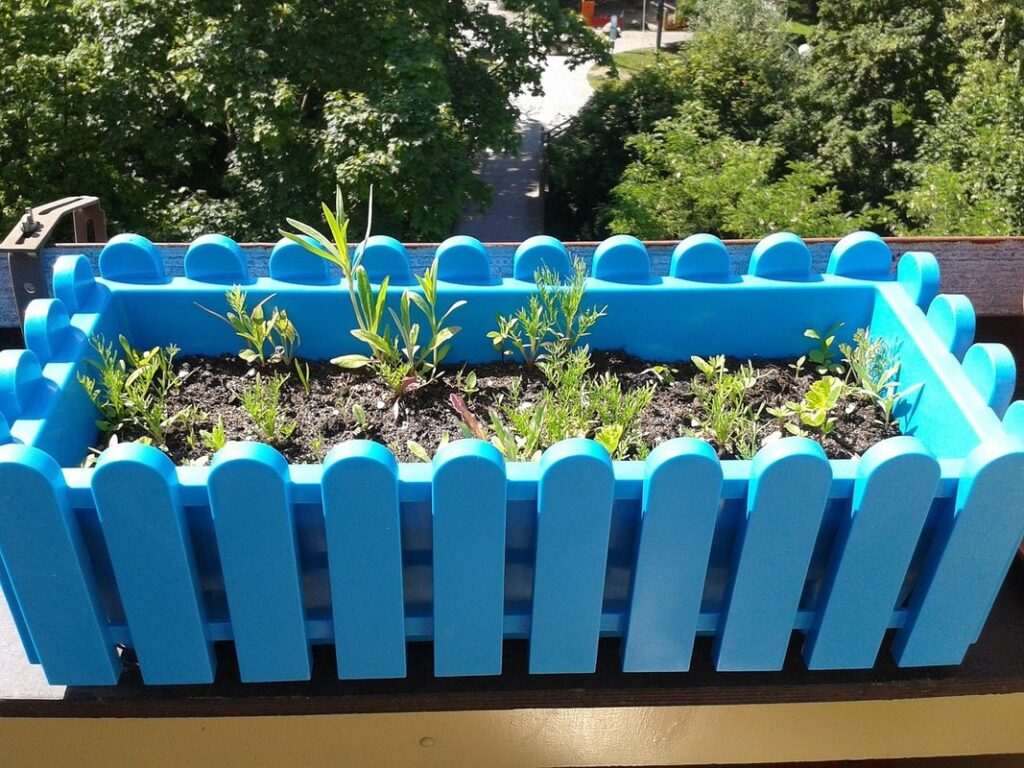
Yes, you can definitely grow wildflowers in containers! Choose a container that is at least 6-8 inches deep to accommodate the root growth of the wildflowers. Use a good quality potting mix and follow the same sowing instructions as for direct sowing.
How often should I water my newly sown wildflower seeds?
Yes, watering is crucial during the first few weeks after sowing. Keep the soil consistently moist but not waterlogged, until the seedlings emerge. Once they’re established, reduce watering to about 1-2 inches per week, depending on your climate and region’s rainfall.
Can I plant wildflowers in areas with existing lawn or vegetation?
It’s generally recommended to remove existing lawn or vegetation before planting wildflowers. However, if you don’t want to disturb the existing growth, consider using a technique called “over-seeding,” where you sow wildflower seeds directly over the existing lawn or vegetation.