
As the summer months come to an end, many gardeners are thinking about their next crop – and that’s where garlic comes in. Planting garlic bulbs in the fall is a great way to get a head start on the growing season, ensuring you have a bountiful harvest by the summer. But with so many variables to consider, from climate and pests to diseases and proper storage, it can be overwhelming for even the most seasoned gardener.
In this article, we’ll walk you through the process of selecting, storing, and planting garlic bulbs for fall. We’ll cover essential tips on climate considerations, common pests and diseases, and advanced growing techniques to help you maximize your harvest. Whether you’re a beginner or an experienced gardener, our goal is to provide you with all the information you need to grow healthy, delicious garlic at home – so let’s dive in!
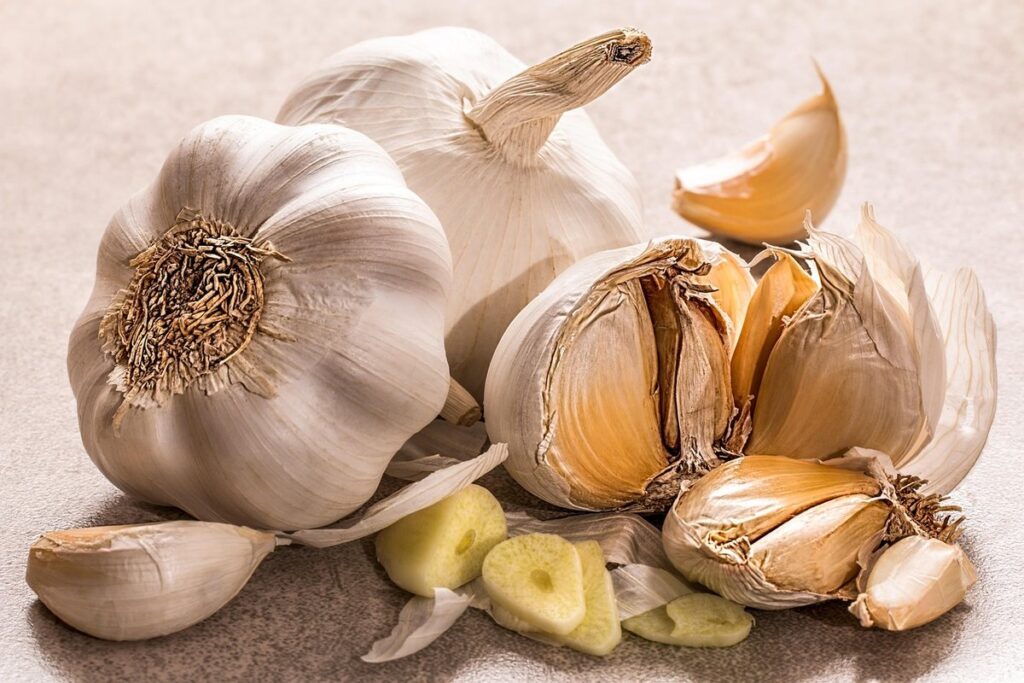
Benefits of Planting Garlic in the Fall
Planting garlic in the fall offers numerous advantages, including a stronger flavor and increased resistance to pests and diseases, making it a smart choice for gardeners.
Advantages of Early Planting
Planting garlic in the fall has several advantages that can greatly benefit your crop. For one, the cooler temperatures and increased moisture of autumn create optimal growing conditions for garlic. The bulb forms more slowly over a longer period, allowing it to develop a stronger flavor and aroma.
Early planting also allows the garlic to establish itself before the heat of summer sets in, reducing the risk of disease and pests that thrive in warmer weather. This is especially important for garlic, which can be susceptible to fungal diseases like downy mildew. By planting early, you give your garlic a head start on developing its natural defenses against these threats.
In addition to better disease resistance, early planting can also lead to higher yields and easier harvesting. Garlic that’s planted in the fall has more time to mature before being harvested, resulting in larger bulbs with fewer cloves. This can be especially beneficial for home gardeners who want to maximize their harvest. By giving your garlic a jump start on the growing season, you’ll be rewarded with a bountiful crop come springtime.
Understanding Garlic Growing Regions and Climate Considerations
When it comes to growing garlic, climate and region play a significant role in determining its success. Garlic is a cool-season crop that thrives in temperate climates with moderate temperatures and adequate moisture. In general, garlic requires a period of winter chill to form bulbs, followed by a spring season with temperatures between 65°F to 75°F (18°C to 24°C) for optimal growth.
If you live in an area with mild winters or hot summers, it’s essential to choose a garlic variety that is suitable for your region. For example, some popular varieties like ‘Silverskin’ and ‘Creole’ are more tolerant of heat and can thrive in warmer climates. On the other hand, cooler-climate regions may prefer varieties like ‘Rocambole’ or ‘Artichoke’, which require a longer period of winter chill to form bulbs.
To adapt planting schedules based on local weather patterns, consider the first frost date for your area. In general, it’s best to plant garlic 6-8 weeks before the ground freezes. This allows the garlic to establish itself before the cold winter months set in. Be sure to check the average first frost date for your region and plan accordingly to ensure a successful harvest.
Selecting High-Quality Garlic Bulbs
When selecting garlic bulbs for fall planting, choose varieties that are disease-resistant and suitable to your climate. This ensures a healthy harvest next summer.
Characteristics of Healthy Garlic Bulbs
When selecting high-quality garlic bulbs for fall planting, it’s essential to inspect them carefully for physical characteristics and signs of disease or pests. Healthy garlic bulbs should have a few distinct features. First, they should be firm and compact, with no soft spots or mushy areas. This indicates that the bulb is mature and has stored enough moisture during its growth period.
The size of the bulb also matters. While larger bulbs might seem more appealing, smaller ones can still produce well if they’re healthy and firm. What’s crucial is not just the size but the condition of the skin. The papery covering should be intact, dry, and free from any signs of mold or mildew.
As you inspect your garlic bulbs, look for any visible signs of pests like aphids, spider mites, or thrips. Check the neck area carefully, as this is a common spot for infestations. Also, gently peel back some of the outer skin to inspect the underlying cloves. If they’re firm and plump, you’ve likely found healthy bulbs ready for planting.
Buying from Reputable Sources: Tips and Considerations
When buying garlic bulbs from reputable sources, it’s essential to do your research and verify the supplier’s credentials. Look for nurseries or online marketplaces that specialize in organic or heirloom garlic varieties. Online reviews can be a great indicator of a supplier’s reputation – check websites like Trustpilot or Google Reviews to see what other customers have to say.
Before making a purchase, ask yourself these questions: Does the supplier provide clear information about their growing and harvesting practices? Are they transparent about the type of garlic being sold and its origins? Look for suppliers that offer certification from organizations like the USDA or local gardening associations. This can give you peace of mind knowing that your garlic is sourced from a trustworthy provider.
When shopping online, be wary of extremely low prices – if it seems too good to be true, it probably is. Stick with reputable sellers who have a track record of providing high-quality bulbs.
Storing Garlic Bulbs for Planting
To ensure healthy garlic growth, you’ll want to store your bulbs properly before planting, and here’s how to do it effectively. Proper storage conditions are crucial.
Proper Storage Techniques to Maintain Quality
Proper storage techniques are crucial to maintaining quality and extending the shelf life of garlic bulbs before planting. To achieve this, store your bulbs in a cool, dry environment with good air circulation. Avoid storing them near direct sunlight or heat sources, as this can cause moisture buildup and lead to mold or rot. A dark, unheated basement or garage is an ideal location.
Label each bag or container clearly with the variety name, date planted, and any relevant notes. This will make it easier to identify individual bulbs later on and ensure you plant the correct varieties in the fall. Organize your stored bulbs in a single layer, avoiding overcrowding that can lead to moisture accumulation and pest issues. Check your stored garlic regularly for signs of pests or damage.
Keep your storage area rodent-proof by sealing any entry points and using breathable containers like mesh bags or paper bags to store your garlic. Regularly inspect your stored bulbs before planting to remove any weak, diseased, or damaged cloves that can compromise the entire crop’s quality and yield.
Preparing Bulbs for Spring Growth: Tips for Successful Planting
As you prepare to store your garlic bulbs for planting, it’s essential to also consider the process of preparing them for spring growth. This involves dividing and replanting individual cloves or entire bulbs to ensure optimal results.
To divide individual cloves, gently pull apart the papery skin to separate each clove from the others. Choose healthy, plump cloves with no signs of mold or disease. For larger bulbs, you can also replant the entire bulb, which will naturally divide into multiple shoots as it grows. Plant the cloves or bulbs 4-6 inches deep and 3-4 inches apart in well-draining soil with full sun.
Timing is crucial when planting garlic. In most regions, it’s best to plant in early spring, about 6-8 weeks before the last frost date. This allows the bulbs to establish themselves before the heat of summer. Avoid planting too early, as this can lead to rot and other problems. As a general rule, aim for late March or early April in most temperate climates.
Keep in mind that garlic is a cool-season crop, meaning it thrives in cooler temperatures. Planting at the right time will help ensure a strong start for your garlic growth. With proper care and attention, you’ll be harvesting fragrant, flavorful garlic in no time!
Common Garlic Growing Challenges
Don’t let pests, diseases, and environmental factors get in the way of your garlic harvest. We’ll tackle common growing challenges to help you achieve a bountiful crop this fall.
Dealing with Pests and Diseases in Your Garlic Crop
When it comes to growing garlic, pests and diseases can quickly spread and destroy an entire crop. Some common problems you may encounter include aphids, mites, and fungal infections like powdery mildew and white rot. Aphids are small, soft-bodied insects that feed on plant sap, causing curled or distorted leaves. Mites are tiny, spider-like creatures that suck the sap from garlic plants, leading to yellowing or bronzing of the foliage.
Fungal diseases can be particularly destructive, especially if left unchecked. Powdery mildew appears as a white, powdery coating on the leaves, while white rot causes soft, fluffy growths on the bulb and roots. To control infestations and prevent disease outbreaks, consider using neem oil or insecticidal soap to repel pests. For fungal infections, copper-based fungicides can be effective.
For organic gardeners, introducing beneficial insects like ladybugs and lacewings can also help regulate pest populations. Keeping your garlic crop well-watered and providing good air circulation can also reduce the risk of disease. Regularly inspecting your plants and removing any affected areas is crucial to preventing the spread of pests and diseases.
Overcoming Soil-Related Issues: How to Improve Garlic Growth Conditions
When planting garlic, it’s essential to create an environment that supports healthy growth. Unfortunately, soil-related issues can hinder your success. Poor drainage is a common problem, as garlic bulbs don’t thrive in waterlogged conditions. If the soil doesn’t drain well, roots may rot, and the bulb won’t have enough oxygen to grow.
Nutrient deficiencies are another issue to consider. Garlic needs a balanced diet of nitrogen, phosphorus, and potassium (NPK) to produce strong growth and flavorful cloves. Without adequate nutrients, your garlic plants will suffer from stunted growth or reduced yields. Regular soil testing can help you identify nutrient deficiencies, so be sure to get a sample analyzed before planting.
pH imbalances are also common and can have a significant impact on garlic growth. Most garlic varieties prefer a slightly acidic to neutral pH (around 6.0-7.0). If your soil is too alkaline or acidic, it may not provide the right balance of nutrients for optimal growth. To address these issues, consider adding organic matter like compost or manure to improve drainage and nutrient levels, and adjust the pH by adding lime to raise it or sulfur to lower it.
Tips for Growing Perfect Garlic
Now that you’ve chosen and prepared your garlic bulbs, let’s dive into some essential tips for growing perfect garlic in your garden. With these expert insights, you’ll be on your way to a bountiful harvest.
Achieving Optimal Harvest Size and Quality
Achieving optimal harvest size and quality is crucial to ensure you get the best out of your garlic crop. One key factor in achieving this is proper spacing between garlic bulbs. Leave about 4-6 inches (10-15 cm) of space between each bulb, allowing for good air circulation and preventing disease.
Watering practices also play a significant role in promoting healthy growth and optimal harvest size. Garlic requires consistent moisture during its growing period, especially when the cloves are forming. Water your garlic plants deeply once or twice a week, depending on weather conditions. However, avoid overwatering, which can lead to bulb rot and other issues.
Proper fertilization is also essential for achieving optimal harvest size and quality. Feed your garlic plants with a balanced fertilizer during the growing season, following the manufacturer’s instructions. A 10-10-10 N-P-K ratio works well for most garlic varieties.
Identifying when your garlic is ready for harvesting can be tricky. Look for signs like yellowing leaves, soft necks, and an easy-to-pull-up feeling in the soil. Once you’ve decided to harvest, carefully dig around each bulb with a fork to avoid damaging it.
Preserving Your Garlic Crop: Curing, Storage, and Usage
Now that you’ve harvested your garlic crop, it’s time to think about preserving it for future use. Curing and storing your garlic properly will help maintain its flavor and aroma over time. Here are some methods to try:
Start by curing your garlic: Tie the stems together in small bunches and hang them upside down in a warm, dry, dark place with good air circulation. This process can take 2-3 weeks, depending on the humidity level. You can also spread the bulbs out in a single layer on a wire rack or tray.
Once cured, store your garlic in a cool, dry place with ventilation to prevent moisture from accumulating. Avoid storing garlic near potatoes as they give off moisture and cause garlic to sprout. A root cellar or a dark cupboard is ideal for storing garlic.
When using stored garlic, crush or mince it just before cooking to release its enzymes and preserve the flavor. You can also freeze garlic by chopping it finely and placing it in an airtight container or freezer bag. This way, you’ll have fresh-tasting garlic year-round.
Advanced Techniques for Growing Garlic
If you’re looking to take your garlic game to the next level, this is where we’ll dive into advanced techniques for growing bigger and better bulbs. We’ll cover strategies for maximizing yields and overcoming common challenges.
Experimenting with Different Varieties and Cultivars
As you continue to explore the world of garlic cultivation, it’s time to take your skills to the next level by experimenting with different varieties and cultivars. This is where things get really exciting! With over 600 known species, there’s a vast array of flavors, textures, and growth habits to discover.
When selecting new garlic varieties, consider factors like climate, soil type, and personal preference. Do you prefer the sweet, nutty flavor of Elephant Garlic or the pungency of hardneck varieties? Research different cultivars online or visit local nurseries to explore what’s available in your area.
To seed-start and propagate these new varieties, begin by selecting healthy cloves from mature bulbs. Plant them 4-6 weeks before the last frost date, using a well-draining potting mix and keeping the soil moist but not waterlogged. This will give you a head start on establishing robust plants come springtime.
Using Garlic in Companion Planting Strategies
When it comes to growing garlic, incorporating companion planting strategies can be a game-changer for gardeners. By pairing garlic with other plants, you can create a diverse and resilient ecosystem that repels pests and improves soil health. One of the most significant benefits of using garlic in companion planting is its ability to repel common pests like aphids, spider mites, and carrot flies.
To get started, try pairing garlic with plants like marigolds, which also repel nematodes and other pests that can harm garlic. You can plant marigolds alongside your garlic bulbs or intersperse them throughout the bed. Another effective pairing is garlic and basil, which not only repels pests but also improves soil health by attracting beneficial insects.
When selecting companion plants, consider their growing requirements and ensure they won’t compete with your garlic for resources like water and nutrients. Some examples of good companion plants for garlic include beans, peas, and dill. By combining these plants, you can create a balanced ecosystem that promotes healthy growth and minimizes the need for pesticides or other chemicals.
Frequently Asked Questions
What are some common pests that target garlic crops, and how can I prevent them?
Pests like aphids, spider mites, and thrips can damage garlic leaves and bulbs. To prevent infestations, maintain a clean growing environment, use physical barriers, and apply neem oil or insecticidal soap as needed. Monitor your plants regularly for signs of pest activity, and take prompt action to address any issues.
Can I plant garlic in containers if I don’t have a large garden space?
Yes! Garlic can thrive in containers, which provide better drainage and warmth. Use a container with good depth (at least 6-8 inches) and well-draining potting mix. Plant the bulbs 4-6 inches deep and keep the soil consistently moist during the first growing season.
How do I know if my garlic bulbs are healthy before planting them in the fall?
Choose bulbs with firm, plump cloves, and no signs of mold or rot. Check for sprouting by gently pulling on the leaves; a healthy bulb will have at least three sets of green shoots. Store the selected bulbs in a cool, dark place until fall planting.
What’s the best way to store garlic bulbs after harvest to maintain their quality?
After harvesting, dry the garlic bulbs thoroughly in a warm, well-ventilated area. Then, store them in paper bags or mesh bags to keep moisture and light away. Keep the stored garlic in a cool, dark place (around 40°F/4°C) for several months.
How can I troubleshoot common issues like yellowing leaves or bulb rot?
Start by inspecting your plants for signs of pests, diseases, or nutrient deficiencies. Adjust your watering schedule to ensure consistent moisture levels. For specific issues, research and implement targeted solutions, such as fungicides for root rot or insecticidal soap for aphid infestations.