
If you’re looking to add some colorful flair to your garden during the cold winter months, consider planting mums in the fall. These beautiful perennials are perfect for providing a stunning display of color and vibrancy when other flowers have faded away. But before you bring home those gorgeous mum plants, it’s essential to choose the right variety for your climate and soil type. In this article, we’ll cover the ins and outs of planting mums in the fall, from selecting the perfect variety to preparing your soil and caring for your new plantings. We’ll also share some valuable tips on how to keep those gorgeous blooms coming back year after year. With our expert advice, you’ll be well on your way to enjoying a winter wonderland of color and beauty.
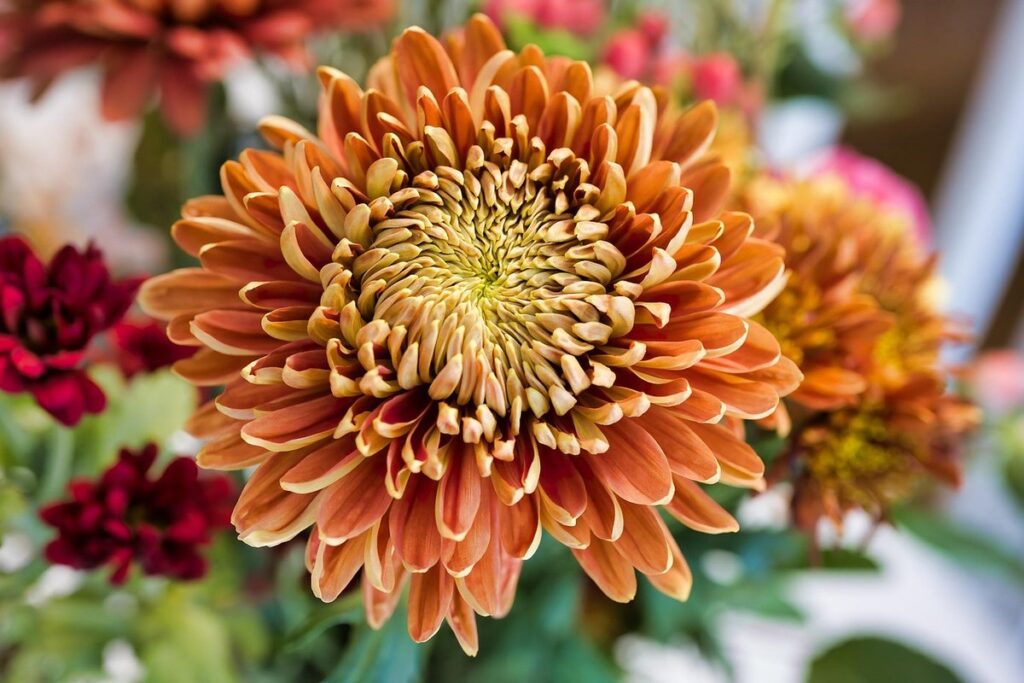
Understanding Mums and Their Planting Requirements
When planting mums for a beautiful winter display, it’s essential to understand their specific needs, including soil requirements and optimal growing conditions. Knowing these basics will help you create a stunning winter garden.
Choosing the Right Variety of Mums
When it comes to choosing the right variety of mums for your fall planting project, understanding the different types is crucial. There are three main categories: hardy mums, tender mums, and hybrid mums.
Hardy mums are perennial plants that can withstand frost and come back year after year in zones 5-9. They tend to bloom in the spring or summer, but some varieties do produce flowers in the fall as well. If you live in an area with harsh winters, hardy mums are a great choice.
Tender mums, on the other hand, are annual plants that thrive in warmer climates and can’t tolerate frost. They’re ideal for zones 10-11 or container gardens where they can be moved indoors during winter.
Hybrid mums are a cross between hardy and tender mums, offering a mix of both characteristics. They’re more adaptable to different environments but may require more maintenance.
When selecting a variety, consider your region’s hardiness zone and desired level of maintenance. For example, if you live in an area with mild winters (zone 8-10), you can opt for tender mums or hybrid mums that thrive in warm temperatures.
Preparing the Soil for Mum Planting
Before planting mums, it’s essential to prepare the soil to ensure they get off to a healthy start. Mums prefer well-draining soil with a slightly acidic pH between 6.0 and 7.0. If your soil is too alkaline or has poor drainage, it can lead to root rot and other problems.
To test your soil’s pH level, you can purchase a DIY kit or send a sample to a lab for analysis. Based on the results, you may need to add sulfur or lime to adjust the pH. As for nutrient requirements, mums benefit from a balanced fertilizer rich in phosphorus and potassium. However, it’s best to fertilize after planting, as excessive nitrogen can promote foliage growth at the expense of blooms.
In terms of moisture needs, mums prefer consistent moisture, especially during their first growing season. Aim for about 1 inch of water per week, either from rain or irrigation. To improve soil structure and drainage, consider mixing in some compost or well-rotted manure before planting. This will also provide a nutrient boost to support healthy growth throughout the winter display.
Timing is Everything: When to Plant Mums in the Fall
When it comes to planting mums in the fall, timing really is everything. Let’s take a closer look at when to plant these beautiful flowers for a stunning winter display.
Understanding Fall Planting Seasons and Climate Zones
When planting mums in the fall, timing is crucial to ensure they thrive and provide a stunning winter display. Understanding the optimal planting seasons for your region can make all the difference in achieving this beautiful outcome.
The key factor influencing planting times is climate zones. Different regions have unique temperature patterns, which dictate when it’s best to plant mums. For example, areas with mild winters like USDA zones 9-11 should plant mums from late summer to early fall (August to September), while cooler climates such as zones 3-5 are better suited for planting in the fall (September to October).
To give you a better idea of optimal planting dates by region, consider the following table:
| Region | Planting Time |
| — | — |
| USDA Zone 9-11 | August – September |
| USDA Zone 7-8 | Late September – Early October |
| USDA Zone 5-6 | Early to Mid-October |
| USDA Zone 3-4 | Late October – Early November |
Keep in mind that these dates serve as a general guideline and may vary depending on your specific location’s microclimate. Be sure to observe the weather forecast and adjust planting times accordingly. Planting mums at the right time ensures they have enough time to establish themselves before winter, guaranteeing a stunning display come spring.
Preparing the Garden Bed for Mum Planting
Before planting mums, it’s essential to prepare the garden bed. Clearing debris from the previous season is a crucial step. Remove any dead plants, weeds, and twigs that may be obstructing growth. This will also help prevent pests and diseases from spreading to your new mum plants.
Next, loosen the soil to a depth of about 12 inches using a fork or spade. This will allow the mums’ roots to grow freely and absorb moisture and nutrients more efficiently. If your soil is heavy clay or sandy, consider adding organic matter like compost or well-rotted manure to improve its structure and fertility.
Check if your soil pH level needs adjustment. Most mums prefer a slightly acidic to neutral soil pH (around 6.0-7.0). Add lime to raise the pH or sulfur to lower it, as necessary. After preparing the bed, rake it smooth to create an even surface for planting.
Planting Mums: A Step-by-Step Guide
To get started with planting your mums, follow these essential steps to ensure a thriving and beautiful winter display in your garden. Let’s dive into the process together!
Digging and Planting Mum Roots or Seedlings
When digging and planting mums, it’s essential to get it right from the start. If you’re using bare-root mum plants, gently dig holes about 12-18 inches deep and 2-3 times as wide as the root system. For seedlings, make sure the soil is loosened to a depth of at least 6-8 inches. Space mums about 1-3 feet apart, depending on their mature size.
If you’re working with bare-root mum plants, carefully spread out the roots and place them in the hole, making sure the crown (where the stem meets the roots) is level with the soil surface. For seedlings, simply dig a hole that’s slightly larger than the pot, gently remove the plant from its container, and place it in the hole.
Water thoroughly after planting to settle the soil around the roots. Keep the soil consistently moist during the first few weeks after planting, but avoid overwatering. This will help your mums establish themselves before winter sets in.
Watering and Mulching New Mum Plantings
When it comes to new mum plantings, proper watering and mulching techniques are crucial for their survival and long-term health. Overwatering is a common mistake that can be detrimental to mums, causing root rot and other issues. To avoid this, make sure the soil drains well before planting. If you’re unsure whether your soil is prone to waterlogging, perform a simple test by digging a small hole and filling it with water – if it takes more than 30 minutes for the water to drain, consider amending the soil.
To promote healthy root development, water newly planted mums thoroughly once or twice a week, depending on weather conditions. Keep in mind that mums prefer dry soil between waterings, so don’t be tempted to overwater just because it’s been hot or dry outside. As for mulching, apply a 2-3 inch layer of organic mulch around the base of your mum plants. This will help retain moisture, suppress weeds, and regulate soil temperature.
By implementing these simple watering and mulching techniques, you’ll be well on your way to creating a thriving environment for your new mum plantings.
Caring for Fall-Planted Mums: Tips and Tricks
Now that your fall-planted mums are settled into their new home, it’s time to think about how to keep them thriving throughout the winter months. Regular care will ensure they come back strong next year.
Fertilizing Mums in the Fall
As fall planting season approaches, it’s essential to provide your mums with the right nutrients to thrive and produce an abundance of blooms throughout the winter months. Fertilizing mums during this time is crucial for promoting healthy growth and encouraging new flowers to form.
By fertilizing your mums in the fall, you’ll give them a boost of energy to establish a strong root system, which will help them survive the cold winter temperatures and emerge strong come springtime. This, in turn, will translate into more blooms and a longer flowering period. You can use either organic or synthetic fertilizers for this purpose.
Organic options like compost tea or fish emulsion are excellent choices as they release nutrients slowly and promote beneficial microbial activity in the soil. On the other hand, synthetic fertilizers like 10-10-10 NPK provide an instant dose of nitrogen, phosphorus, and potassium that will stimulate root growth and flowering. For optimal results, apply a balanced fertilizer at a rate recommended on the label, typically in the fall when mums are actively growing.
Protecting Mums from Winter Damage
As we approach the colder months, mums can be particularly vulnerable to damage from harsh winter conditions. One of the biggest threats is frost, which can cause the buds to freeze and kill off new growth. To protect your mums from frost, apply a thick layer of mulch around the base of the plants. This will help insulate the roots and keep them warm.
Another common issue is wind damage, which can dry out the leaves and stems of your mums. To prevent this, wrap the stems with burlap or use a breathable cloth to protect from harsh winds. You can also bring potted mums under cover if possible, such as a garage or unheated greenhouse.
In addition to these precautions, it’s essential to keep an eye on weather forecasts and be prepared to provide extra protection during prolonged periods of cold temperatures. With a little planning and care, your fall-planted mums can thrive even in the harshest winter conditions.
Troubleshooting Common Mum Planting Issues
Don’t worry if your mums aren’t thriving yet – we’ve got you covered! This section tackles common planting mistakes and offers solutions to get your fall mums looking their best.
Dealing with Dead or Dying Mums
Dealing with Dead or Dying Mums can be disheartening, especially after investing time and effort into planting them for a beautiful winter display. However, there are often underlying reasons why they may not thrive. One common issue is overwatering, which can cause the roots to rot, leading to wilting and eventual death. On the other hand, underwatering can also be detrimental, causing stress to the plant that may lead to its demise.
Pests like aphids, whiteflies, and spider mites can also attack your mum plants, weakening their defenses against disease and causing damage to the foliage. To diagnose these issues, inspect your plants regularly for signs of pests or fungal diseases. Check for yellowing leaves, black spots, or a sticky substance on the stems.
To address underwatering, make sure to provide adequate moisture to your mums by watering them deeply once or twice a week. For overwatered plants, stop watering immediately and consider repotting in fresh soil. If you suspect pest infestation, treat your plants with insecticidal soap or neem oil according to the product’s instructions. By taking prompt action, you can revive struggling mum plants and still enjoy their vibrant colors throughout winter.
Encouraging Blooms in Fall-Planted Mums
For mums planted in the fall to thrive and produce blooms throughout winter, it’s essential to understand what influences their blooming. Light, temperature, and fertilizer levels play a significant role in encouraging these flowers to bloom.
Light is crucial for mum blooming, as they require at least 4-6 hours of direct sunlight per day. If your mums are planted in an area with partial shade, you can supplement the light by pruning nearby trees or shrubs. For those planting mums in containers, ensure they’re placed near a south-facing window to maximize light exposure.
Temperature fluctuations can also impact blooming. Aim for temperatures between 40°F and 70°F (4°C and 21°C), as this range promotes healthy growth and flowering. Avoid sudden temperature changes, which can shock the plant and delay or prevent blooms.
Fertilizer levels are another factor that affects mum blooming. Feed your fall-planted mums with a balanced fertilizer in early spring when new growth appears. This will provide them with essential nutrients to produce flowers throughout the winter months.
Conclusion: Tips for a Successful Mum Planting Experience
As you prepare to plant your mums this fall, remember that proper care and attention will make all the difference come winter. To ensure a successful mum planting experience, start by choosing a location with well-draining soil and full sun. This will help prevent root rot and encourage healthy growth. Don’t be afraid to add some extra compost or fertilizer to give your plants an extra boost.
Also, make sure to deadhead your mums regularly to promote blooming and keep them looking their best. By following these simple tips, you’ll be enjoying a beautiful winter display of colorful blooms in no time. With a little patience and care, your mum plants will thrive throughout the winter months, providing a pop of color when it’s needed most.
Frequently Asked Questions
Can I plant mums in the fall if my area experiences a prolonged period of frost in winter?
Yes, hardy mums are specifically bred to withstand frost and come back year after year in zones 5-9. However, it’s essential to choose a variety that is suitable for your specific climate and soil type.
How do I prevent mum plants from dying off during the cold winter months?
To protect your mum plants from winter damage, mulch around the base of the plant to insulate the roots. You can also bring potted mums indoors or move them to a protected area if possible. This will help preserve the plant’s energy and promote healthy growth come spring.
Can I start with seeds instead of purchasing established mum plants?
Yes, you can start with seeds, but it may take longer for them to mature and produce blooms. Seedlings typically take 6-8 weeks to develop, whereas established plants are usually ready to bloom within a few months. Consider starting seeds indoors 8-10 weeks before the first frost date in your area.
How do I encourage mums to bloom in the fall instead of spring or summer?
To promote fall blooms, make sure to plant hardy mums in the fall when temperatures begin to cool down. Avoid fertilizing too heavily, as this can encourage growth and delay flowering. Deadheading spent flowers will also help direct the plant’s energy towards producing new blooms.
Can I divide and replant established mum plants after they’ve finished blooming?
Yes, but only if you’re growing hardy mums that are perennial in your area. Divide the roots in early spring or fall, making sure each section has at least one “eye” or bud. Replant the divided sections in well-draining soil and water regularly to promote healthy growth.