
If you’re like many pet owners, you know that creating a safe outdoor space for your furry friend is just as important as bringing them inside. But did you know that some plants can be toxic to dogs? With a little knowledge and planning, you can create a dog-friendly garden oasis where you and your pets can enjoy the sunshine together. In this article, we’ll explore the best pet-friendly garden plants for every season, including some surprising options that are safe for your dogs to sniff and play around. We’ll also touch on toxic plants to avoid, as well as some expert tips on how to maintain a beautiful and dog-safe garden. Whether you’re a seasoned gardener or just starting out, this guide will help you create an outdoor space where everyone can enjoy the beauty of nature together.
Choosing the Right Dog-Friendly Plants
When it comes to creating a dog-friendly garden, selecting the right plants is crucial to ensure your furry friend’s safety. In this next part of our guide, we’ll explore the best options for you and your pup.
Understanding Your Dog’s Sensitivity Level
When it comes to creating a dog-friendly garden, understanding your furry friend’s sensitivity level is crucial. You see, every dog is different, and what might be safe for one pup may cause an allergic reaction in another.
To determine your dog’s sensitivity level, start by observing their behavior around plants. Do they sniff, lick, or try to eat the leaves? If so, it could indicate a potential allergy or skin irritation issue. Keep an eye on any redness, itching, or rashes that may appear after exposure to certain plants.
Factors like allergies and digestive issues can also play a significant role in determining your dog’s sensitivity level. Some dogs may be more prone to allergic reactions due to their genetic makeup, while others might experience gastrointestinal upset if they ingest plant materials. If you suspect any of these issues, consult with your veterinarian for guidance on which plants to avoid.
For example, some common culprits include lilies (Lilium spp.), azaleas (Rhododendron spp.), and sago palms (Cycas revoluta), as they are highly toxic to dogs. On the other hand, many herbs like parsley, basil, and mint are safe for them to sniff and even nibble on in moderation.
When selecting dog-friendly plants, consider using non-toxic species that can withstand your pup’s curious nature. This will ensure both you and your furry companion enjoy the garden without any worries.
Common Toxic Plants to Avoid
When it comes to creating a dog-friendly garden, it’s essential to be aware of the toxic plants that can harm our furry friends. Unfortunately, many beautiful and popular plants are poisonous to dogs, so let’s take a closer look at some of the most common culprits.
Lilies, for example, are a notorious culprit when it comes to pet toxicity. All parts of the lily plant, including flowers, leaves, and pollen, can cause severe kidney damage if ingested by your dog. Even small amounts can be toxic, so it’s crucial to keep them out of reach. Sago palms are another common garden plant that’s highly toxic to dogs. The seeds, in particular, contain a toxin called cycasin, which can cause liver failure and even death.
Other plants you should avoid including in your dog-friendly garden include castor bean, oleander, and rhododendron. Castor beans contain ricin, a potent toxin that can cause vomiting, diarrhea, and abdominal pain if ingested by dogs. Even small amounts of these plants can be toxic to your furry friend, so it’s crucial to exercise caution when choosing garden plants.
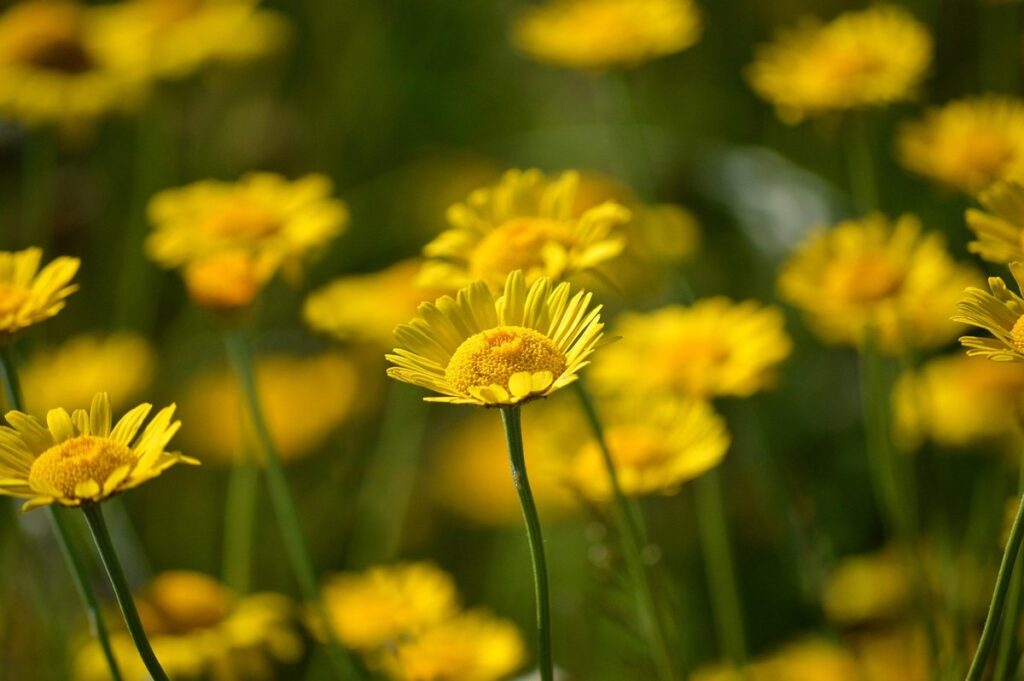
Some popular alternatives to these toxic plants include dog-friendly options like daisies, sunflowers, and lavender. When selecting new plants for your garden, always double-check the plant’s toxicity level before bringing it home to ensure a safe and happy space for both you and your furry companion.
Non-Toxic Flowering Plants
When it comes to flowering plants that are safe for your furry friends, there are plenty of gorgeous options beyond just lavender and petunias. Let’s explore some non-toxic choices perfect for any dog-friendly garden.
Pet-Friendly Options for Every Season
When it comes to creating a pet-friendly garden that blooms year-round, choosing the right flowering plants is crucial. Fortunately, there are many beautiful and dog-safe options available for every season.
In spring, vibrant flowers like sunflowers (Helianthus annuus) and daisies (Bellis perennis) burst forth with colorful blooms. Sunflowers can grow quite tall, reaching up to 12 feet, so be sure to provide a sturdy support system. Daisies are low-maintenance and easy to care for, requiring only occasional watering and pruning.
Summer is the perfect time to showcase heat-tolerant flowers like marigolds (Calendula officinalis) and zinnias (Zinnia elegans). Marigolds come in a variety of colors and can thrive in poor soil conditions, making them an excellent choice for gardens with challenging soil types. Zinnias are another great option, attracting pollinators and adding a pop of color to your garden.
For autumn, consider planting asters (Aster novae-angliae) and chrysanthemums (Chrysanthemum x grandiflorum), which provide stunning blooms as the seasons change. Asters are relatively low-maintenance and can tolerate some drought, while chrysanthemums require regular watering to keep them looking their best.
In winter, when most flowers have gone dormant, consider planting snowdrops (Galanthus nivalis) or hellebores (Helleborus spp.) for a burst of color amidst the frost.
Low-Maintenance Flowers for Busy Owners
As a busy dog owner, you may not have time to devote hours each day to tending to your garden. However, that doesn’t mean you can’t enjoy the beauty of flowering plants. There are many low-maintenance flowers that thrive with minimal care, making them perfect for new gardeners or those who lead busy lives.
Consider adding zinnias, cosmos, and verbena to your dog-friendly garden. These blooms require little more than occasional watering and pruning to keep them looking their best. Zinnias, in particular, are a great choice as they can be direct-sown into the ground and will bloom within just 60 days of planting.
Another benefit of these low-maintenance flowers is that they attract pollinators like bees and butterflies, which are beneficial for your garden’s overall health. To keep them looking their best, simply deadhead spent blooms to encourage continued flowering throughout the season. With a little bit of care, you can enjoy vibrant colors in your garden without sacrificing too much time or effort.
Vegetable Garden Options
When it comes to creating a dog-friendly garden, you’ll want to consider incorporating vegetable gardens that both you and your furry friend can enjoy. Let’s explore some great options for a thriving veggie patch.
Safe Veggies for Your Furry Friends
When it comes to creating a dog-friendly vegetable garden, choosing the right veggies is crucial. You’ll want to focus on safe and non-toxic options that are healthy for both you and your furry friend to enjoy. Some excellent choices include carrots, green beans, and cucumbers.
Carrots are not only delicious for humans but also make great treats for dogs in moderation. To grow carrots, ensure the soil is loose and well-draining. Sow seeds about ¼ inch deep and 1-2 inches apart. Keep the area consistently watered and harvest after about 60 days. Be sure to trim any green tops off before giving them to your dog.
Green beans are another great option, easy to grow on a trellis or in containers. Plant seeds about an inch deep and 3-4 inches apart, providing a trellis for support. Keep the soil consistently moist but not waterlogged. Harvest when the pods reach their full length, usually within 50 days. As with carrots, ensure you only give your dog green beans as treats.
Cucumbers are another safe veggie option and can be trained to climb up a fence or trellis. Sow seeds about an inch deep and 6-8 inches apart. Keep the soil consistently watered and harvest when the fruit is dark green and firm, usually within 50 days. Like other veggies, only give cucumbers as treats in moderation.
When it comes to harvesting your safe veggies, remember to trim any green tops off before giving them to your dog. Also, be sure not to overindulge your furry friend – a few treats per day is plenty.
Tips for Growing a Dog-Friendly Veggie Patch
When creating a dog-friendly veggie patch, it’s essential to consider the needs of both you and your furry friend. Companion planting is a great way to start. For example, planting basil alongside tomatoes can repel pests that target these vegetables, while marigolds can help deter nematodes.
Soil quality is also crucial in a dog-friendly veggie patch. Since dogs often dig up soil with their paws and mouths, it’s vital to maintain a balanced pH level and rich nutrient content. You can achieve this by adding compost or well-rotted manure regularly.
To keep pests at bay without using toxic chemicals, try introducing beneficial insects like ladybugs or lacewings into your veggie patch. These natural predators feed on common garden pests, such as aphids and whiteflies.
Regularly inspecting your plants for signs of stress or disease can also help prevent infestations. For instance, if you notice yellowing leaves, it may be a sign that your soil needs more acidity or nutrients. By staying vigilant and adapting to changing conditions, you can create a thriving veggie patch that’s safe for both you and your dog to enjoy.
Foliage Plants for Your Garden
When it comes to adding some lush greenery to your garden, foliage plants are a great option that are safe for your furry friends to explore. We’ll cover some popular varieties perfect for dog-friendly gardens.
Pet-Friendly Leafy Greens
When it comes to pet-friendly foliage plants, there are several options that not only purify the air but also thrive in a variety of conditions. Spider plants, for instance, are an excellent choice for dog owners. These easy-to-grow plants can be trained to climb up walls or trellises, and their long stems make them perfect for hanging baskets.
Peace lilies are another great option, as they’re known to remove toxins from the air while tolerating low light conditions. Plus, their elegant white blooms add a touch of sophistication to any room. Philodendrons, on the other hand, are incredibly versatile and can be grown in both pots and planters, making them perfect for indoor spaces.
When choosing foliage plants for your dog-friendly garden, remember that some plants may require more maintenance than others. Make sure to water your spider plants regularly, but avoid overwatering, which can lead to root rot. Peace lilies prefer well-draining soil and should be fertilized sparingly during the growing season. By selecting the right foliage plants and following proper care instructions, you’ll be able to enjoy a healthy and thriving garden that’s safe for your furry friends.
Tips for Propagating Dog-Friendly Foliage
When it comes to propagating dog-friendly foliage plants, you have several options: division, cuttings, and seeds. Each method has its own advantages and requires a bit of planning, but with the right techniques, you can enjoy more of your favorite pet-safe plants.
Division is a simple and effective way to propagate many types of foliage plants. This involves separating the roots of a mature plant to create new individuals. For example, if you have a large patch of catnip (Nepeta cataria), you can divide it into smaller sections, making sure each section has at least one set of leaves and some roots attached. Water thoroughly after division, and transplant the new plants into well-draining soil.
Taking cuttings is another popular method for propagating foliage plants. For instance, you can propagate snake plant (Sansevieria Trifasciata) by cutting off a healthy leaf, allowing it to dry slightly, then planting it in a pot filled with moistened potting mix. Roots should develop within a few weeks.
Seeds are also an option for propagating dog-friendly foliage plants. Plant them about 1/4 inch deep and keep the soil consistently moist but not waterlogged until germination occurs. Some examples of dog-safe foliage plants you can propagate using seeds include parlor palm (Chamaedorea elegans) and spider plant (Chlorophytum comosum).
Creating a Safe Outdoor Space
When designing a dog-friendly garden, it’s essential to create a safe outdoor space that prevents your furry friend from getting into trouble, while also allowing them to thrive and enjoy their surroundings. This includes choosing plants carefully.
Designing a Dog-Friendly Garden
When designing a dog-friendly garden, it’s essential to consider both form and function. The layout of your garden can greatly impact its usability for you and your furry friend. For instance, creating separate areas for relaxation, playtime, and even exercise will help prevent overexertion and give you more control over your dog’s activity level.
When selecting plants, opt for species that are non-toxic to dogs. Some popular options include catmint, lavender, and coneflower. However, it’s crucial to double-check the plant’s toxicity through a reliable resource like the ASPCA’s list of toxic and non-toxic plants. Also, consider the mature size of each plant to avoid overcrowding.
Hardscaping materials play a significant role in creating a dog-friendly garden as well. Opt for durable options like composite decking or concrete pavers that can withstand heavy foot traffic and potential accidents from enthusiastic dogs. Furthermore, incorporating features like raised beds and water sources will make the space more enjoyable for both you and your dog.
Avoid using sharp rocks, thorny plants, or other hazards that could harm your furry companion. By considering these factors during garden design, you’ll be able to create a safe and enjoyable outdoor space for everyone involved.
Building a Dog-Proof Fence or Enclosure
When building a dog-proof fence or enclosure for your garden, it’s essential to consider your furry friend’s safety and security. A well-designed fence can prevent unwanted escape attempts and keep curious critters out of your garden. Here are some effective ways to build or install a fence that keeps your dog safe while exploring the garden.
First, assess your yard’s layout and identify potential escape routes. Consider installing a fence with a minimum height of 6 feet to prevent jumping. You can opt for traditional wood picket fencing or choose more durable materials like vinyl or metal. For added security, install a self-closing gate that automatically latches shut behind your dog.
To prevent digging, consider burying a 12-inch deep barrier, such as hardware cloth or chicken wire, around the perimeter of your garden. This will deter your dog from burrowing under the fence. Additionally, trim any trees or shrubs near the fence line to eliminate potential escape routes and reduce the risk of injury from overgrown branches.
When installing a fence or enclosure, involve your dog in the process as much as possible. Observe their behavior and reactions to different materials and layouts, ensuring you create a safe and enjoyable space for them to explore.
Caring for Your Dog-Friendly Garden
Now that you’ve chosen your dog-friendly plants, it’s time to learn how to care for them so they continue to thrive and bring joy to both you and your furry friend. Proper maintenance is key!
Maintenance Tips for a Thriving Garden
Regular watering and fertilizing are crucial for maintaining a healthy garden. For dog-friendly plants, it’s essential to choose a fertilizer that’s safe for your furry friends to ingest. Opt for organic or natural fertilizers that won’t harm your pets if they accidentally nibble on the leaves.
As for watering, make sure not to overwater, as this can lead to root rot and other issues. Instead, check the soil moisture daily by sticking your finger into the soil up to the first knuckle. If it feels dry, it’s time to water. Watering in the morning or evening is best, as this reduces evaporation and allows the plants to absorb the moisture throughout the night.
Pest control is another vital aspect of maintaining a thriving garden. Companion planting can be an effective way to deter pests without using chemicals. For example, marigolds repel nematodes and whiteflies, while basil keeps aphids away. Monitor your plants regularly and take action promptly if you notice any signs of pests.
By following these maintenance tips and choosing dog-friendly plants, you’ll be well on your way to creating a thriving and safe garden for both your pets and family to enjoy.
Encouraging Exploration and Enrichment
As you create a dog-friendly garden, it’s essential to remember that exploration and enrichment are just as crucial for your furry friend’s well-being as they are for their safety. A stimulating environment can help prevent boredom, reduce stress, and even improve your dog’s physical health.
To encourage your dog’s exploration and enrichment in the garden, try hiding treats or toys among plants. This activity not only rewards their sense of smell but also motivates them to sniff out new things. For example, you could bury small pieces of cooked chicken or even peanut butter-filled Kong toys amidst the foliage of low-maintenance plants like succulents or creeping thyme.
You can also create a scavenger hunt by placing various dog-friendly treats and toys among different sections of your garden. This will not only keep your dog engaged but also encourage them to explore different areas of their environment. Some other ideas include:
• Creating a “sniffing trail” with essential oils or treats, which can be especially helpful for dogs with anxiety
• Planting shrubs and bushes that provide hiding spots and shade
• Incorporating interactive elements like puzzle toys or treat-dispensing plants
Conclusion: Enjoy Your Dog-Friendly Garden
As you’ve made it through this comprehensive guide on dog-friendly garden plants, it’s time to reap the rewards of your hard work. Take a step back and admire the beautiful blooms that are safe for your furry friend to explore. Remember, a dog-friendly garden is not just about the plants themselves, but also about creating a space where you and your pet can relax together.
Make sure to keep an eye on your pup as they sniff out new treasures in the garden, and be prepared for the occasional muddy paw print or two. With the right plants in place, you’ll have created a haven that’s not only beautiful but also safe and enjoyable for both you and your dog.
Frequently Asked Questions
What if my dog has a severe allergy to certain plants? How do I create a garden that’s completely safe for them?
Create a separate area of your garden that’s free from allergenic plants, and focus on using hypoallergenic options like lavender, chamomile, or coneflowers. Also, consider consulting with a veterinarian or a certified dog trainer to get personalized advice on creating a safe space for your furry friend.
Can I use the same fertilizers and pest control methods in my dog-friendly garden as I would in an ordinary one?
No, using regular fertilizers and pesticides can be toxic to dogs. Instead, opt for organic and pet-friendly alternatives like neem oil or insecticidal soap. You can also try natural repellents like citronella candles or essential oils to keep pests away.
How do I maintain a dog-friendly garden with busy schedules? Are there any low-maintenance options?
Yes, incorporating low-maintenance flowers like succulents, cacti, or creeping thyme into your garden design can be a great solution. These plants are easy to care for and require minimal watering and pruning. You can also consider implementing an automated irrigation system or hiring a pet-sitter who can water your plants while you’re away.
Can I grow vegetables in my dog-friendly garden? Are there any specific varieties that are safe for my furry friends?
Yes, many vegetables are safe for dogs to eat, but be sure to only use organic and non-treated produce. Consider growing dog-safe options like carrots, green beans, or sweet potatoes, which are all easy to grow and delicious for humans too.
How can I encourage exploration and enrichment in my dog-friendly garden? Are there any fun activities we can do together?
Create a “sniffing trail” by planting herbs and flowers with strong scents, or try hiding treats around the garden for your dog to find. You can also set up a designated play area with obstacles like tunnels, jumps, or interactive toys. Don’t forget to provide plenty of shade, water, and rest areas for your furry friend to relax and recharge.