
Growing your own cucumbers can be a delightful experience, but with so many varieties to choose from, it can also be overwhelming. Whether you’re a seasoned gardener or just starting out, selecting the right type of cucumber for your climate and needs is crucial. With some knowledge about the different types of cucumbers that thrive in various conditions, you’ll be well on your way to a bountiful harvest. In this ultimate guide, we’ll delve into the basics of growing cucumbers, explore specialty varieties, and provide expert tips on how to overcome common pests and diseases. From compact container varieties to sprawling vining types, we’ll help you discover which cucumber varieties will thrive in your climate, ensuring a successful and rewarding gardening experience.
Understanding Cucumber Basics
To grow cucumbers successfully, it’s essential to understand their basic characteristics and needs. Let’s dive into the fundamental aspects of cucumbers that will help you get started on your growing journey.
What are Cucumbers?
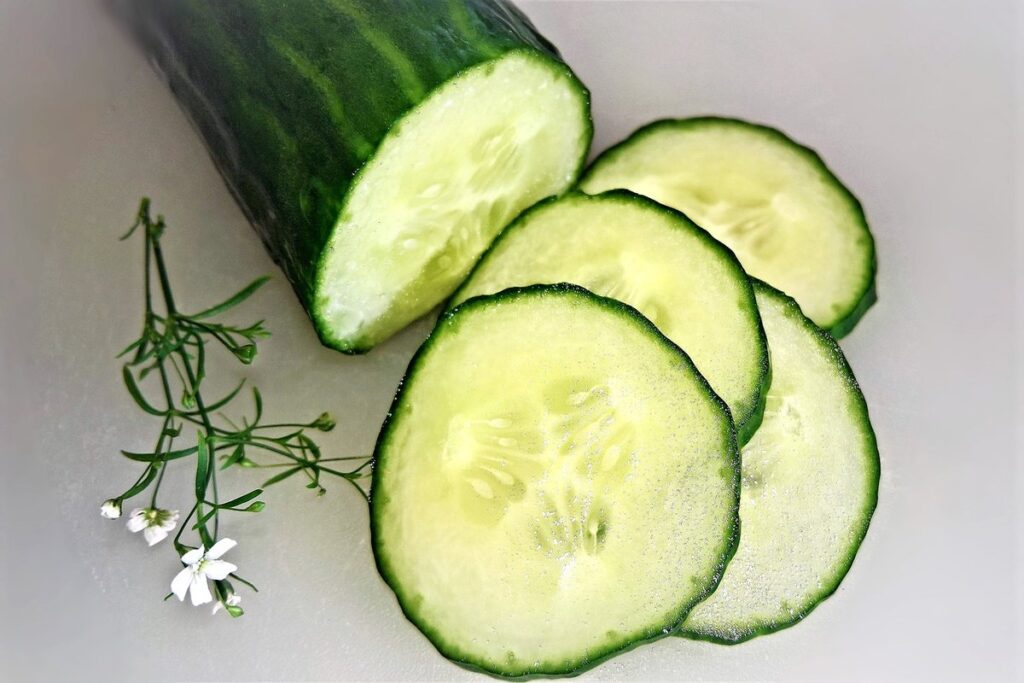
Cucumbers are one of the most widely consumed vegetables globally, and their popularity can be attributed to their refreshing taste, versatility in recipes, and numerous health benefits. Originating from the Indian subcontinent over 3,000 years ago, cucumbers have been a staple in many cuisines ever since. Their ancestors were much smaller and more bitter than today’s varieties.
In its natural state, a cucumber is about 96% water content, making it an excellent source of hydration. The plant itself is a vining type that thrives in warm weather conditions, preferring well-drained soil and full sun exposure. Cucumbers can be grown using various cultivation methods, including trellising, pruning, and container gardening.
Today, there are over 100 known varieties of cucumbers, ranging from slicing, pickling, and English to Japanese and Armenian varieties. Each type has its unique characteristics, growth habits, and flavors. Understanding the basics of cucumber cultivation is essential for any gardener looking to grow this versatile vegetable in their backyard or indoor space.
Some common types include ‘Sour Pickling’, known for its extreme acidity; ‘Lemon’, prized for its lemon-like flavor; and ‘Marketmore’, a popular choice among gardeners due to its high yield and disease resistance. Before diving into the different types, it’s essential to understand these fundamental aspects of cucumber cultivation.
Choosing the Right Climate for Growing Cucumbers
When it comes to growing cucumbers, choosing the right climate is crucial for optimal growth and yields. Cucumbers are a warm-season crop that thrives in temperatures between 65°F and 95°F (18°C and 35°C). In areas with frost, wait until the last frost date has passed before planting.
Sunlight needs are also essential for cucumber growth. Cucumbers require full sun to produce well, so choose a location that receives at least six hours of direct sunlight per day. If you’re growing in a region with intense sunlight, consider providing some afternoon shade to prevent scorching.
Soil type is another critical factor to consider when growing cucumbers. They prefer well-draining, rich soil with a pH between 6.0 and 7.0. Avoid planting in areas with standing water or where water tends to collect. Instead, opt for raised beds or containers that allow for good drainage.
In ideal climates, cucumber plants can produce multiple harvests throughout the growing season. To maximize your yields, make sure your plants receive consistent moisture and fertilizer throughout their growth cycle.
Types of Slicing Cucumbers
Whether you’re looking for a crunchy snack or a refreshing addition to salads, growing slicing cucumbers is a great choice. There are several varieties to choose from, each with its own unique characteristics.
#1. Hothouse Cucumbers: Characteristics and Advantages
Hothouse cucumbers are known for their exceptional size, tender texture, and mild flavor. They typically grow to be 8-10 inches long, making them an ideal choice for salads, sandwiches, and as a snack on their own. One of the main advantages of growing hothouse cucumbers is that they require minimal support as they spread out instead of climbing up trellises like other varieties.
To successfully grow hothouse cucumbers, it’s essential to provide them with a warm and humid environment. They thrive in temperatures between 65-75°F (18-24°C) and high humidity levels above 60%. Make sure your soil is well-draining and rich in organic matter for optimal growth. Water them regularly but avoid overwatering, which can lead to fungal diseases.
By following these guidelines and providing the right conditions, you’ll be able to enjoy a bountiful harvest of delicious hothouse cucumbers that will make any salad or sandwich shine. With proper care and attention, your hothouse cucumbers will grow big and healthy, and you’ll appreciate their unique characteristics and advantages in no time.
#2. English Cucumbers: Unique Features and Growing Tips
English cucumbers are a popular choice for gardeners due to their unique features and versatility. One of the most noticeable characteristics of English cucumbers is their long length, often reaching up to 18 inches or more. This makes them ideal for slicing and using in salads, sandwiches, and other dishes. Another distinctive feature of English cucumbers is their thin skin, which is typically pale green in color.
When growing English cucumbers, it’s essential to provide a trellis or other support system to help the plant grow upright and keep the fruit off the ground. This will also make harvesting easier and reduce the risk of damage to the delicate skin. To encourage healthy growth, ensure the soil is consistently moist but not waterlogged, and fertilize regularly with a balanced fertilizer.
Some gardeners find that English cucumbers can be prone to powdery mildew, so keep an eye out for signs of disease and adjust your care routine accordingly. By following these tips and taking advantage of their unique characteristics, you can enjoy a bountiful harvest of delicious and refreshing English cucumbers from your garden.
Types of Pickling Cucumbers
When it comes to growing cucumbers, selecting the right variety is crucial for achieving success. We’ll explore some popular types of pickling cucumbers that are perfect for preserving and snacking.
#1. Kirby Cucumbers: Ideal for Dill Pickles and More
Kirby cucumbers are a popular variety among gardeners and pickling enthusiasts alike. These compact, bush-type cucumbers produce a high yield of short, slender fruits that are perfect for dill pickles, bread and butter pickles, and other classic recipes.
One of the standout features of Kirby cucumbers is their small size, typically ranging from 4 to 6 inches in length. This makes them ideal for snacking on fresh or using in salads, sandwiches, and other dishes where a smaller cucumber is preferred.
In terms of flavor, Kirby cucumbers are known for their sweet and slightly tangy taste, which pairs well with the bold flavors often used in pickling recipes. Their tender skin and crunchy flesh make them a joy to work with in the kitchen.
If you’re looking to grow Kirby cucumbers for pickling, consider planting them in a container or raised bed where they can receive full sun and consistent moisture. With proper care, you can expect a bountiful harvest of delicious Kirby cucumbers perfect for all your pickling needs.
#2. Cornichon Cucumbers: Flavorful Options for Salads and Snacks
Cornichon cucumbers are a type of pickling cucumber that’s gaining popularity among gardeners and chefs alike. These compact, slender cucumbers pack a punch when it comes to flavor and versatility.
One of the defining characteristics of cornichon cucumbers is their unique flavor profile. They have a slightly sweet and tangy taste, with a hint of bitterness that pairs perfectly with a variety of ingredients. This makes them an excellent choice for salads, sandwiches, and snacks. In French cuisine, cornichons are often used as a condiment to add a burst of flavor to dishes like charcuterie boards and sandwiches.
If you’re looking to grow cornichon cucumbers in your garden, they require minimal space and care. They prefer well-drained soil and full sun, making them an ideal choice for small gardens or containers. To encourage fruiting, provide a trellis or other support for the vines to climb on. Cornichons are ready to harvest within 50-60 days of sowing seeds, and they can be pickled immediately after harvesting for a delicious snack or side dish.
Specialty Cucumber Types
Beyond the classic slicer, there are many specialty cucumber types to grow, each with its own unique characteristics and uses. From pickling to English varieties, we’ll explore them all next!
#1. Armenian Cucumbers: Thin Skins and Sweet Flavors
Armenian cucumbers are a type of specialty cucumber that’s perfect for gardeners who want to add some variety to their harvest. One of the standout characteristics of Armenian cucumbers is their incredibly thin skin, which makes them ideal for salads and snacking. The flavor profile is also sweet and refreshing, with hints of lemon and mint.
To grow Armenian cucumbers successfully, you’ll want to provide a trellis or other support system for them to climb on. They’re a vining variety, so they can get quite long if left to their own devices. Make sure to train the vines gently as they grow, using twine or clips to keep them tidy.
In terms of soil and climate, Armenian cucumbers are relatively low-maintenance. They prefer well-draining soil with full sun exposure, but they’ll tolerate some shade if necessary. Water them regularly, keeping the soil consistently moist but not waterlogged. With proper care, you can expect a bountiful harvest of crunchy, flavorful Armenian cucumbers in as little as 50 days.
#2. Japanese Cucumbers: Characteristics and Unique Features
Japanese cucumbers are a standout variety among cucumber enthusiasts. Their unique shape and flavorful profile make them a great choice for those looking to add some diversity to their garden. One of the most distinctive features of Japanese cucumbers is their slender, elongated shape, which is often described as “English cucumber-like” but without the traditional wrapping.
In terms of flavor, Japanese cucumbers are known for their sweet and refreshing taste, with a higher water content than other varieties. This makes them perfect for snacking or using in salads where you want to add some crunch without overwhelming the dish with too much flavor. They also have a thinner skin, which reduces waste and makes them easier to store.
When growing Japanese cucumbers, it’s essential to note that they require more care than other varieties. They need consistent moisture, rich soil, and full sun to thrive. To ensure you get the most out of your harvest, make sure to provide a trellis or other support for the plants to climb on, as well as keep the area around the plants weed-free.
If you’re new to growing cucumbers, Japanese cucumbers can be a great variety to start with due to their relatively easy-to-grow nature and high yields. With proper care and attention, you’ll be enjoying these unique cucumbers in no time!
Growing Cucumbers at Home: Tips and Considerations
To successfully grow cucumbers at home, you’ll want to keep in mind a few essential tips for creating an optimal growing environment. This section covers key considerations to ensure your cucumber crop thrives.
Starting Cucumber Seeds Indoors vs. Direct Sowing Outdoors
When it comes to growing cucumbers from seed, you have two main options: starting them indoors and then transplanting them outside, or direct sowing outdoors. Each method has its advantages and disadvantages.
Starting cucumber seeds indoors allows for a head start on the growing season, as you can get a jumpstart on germination in a warm and controlled environment. This typically takes 7-10 days, which is faster than direct sowing. Additionally, indoor conditions provide optimal care for seedlings, with precise temperature and humidity control, reducing the risk of disease and pests. However, it’s essential to harden off your seedlings before transplanting them outside.
Direct sowing outdoors eliminates the need for transplanting and can save you time and effort. Cucumber seeds can be direct-sown when the soil has warmed up to at least 60°F (15°C). This method also allows for a more natural growth process, as the seedling develops in its final location. However, germination rates may be lower due to factors like weather conditions and soil quality.
In most cases, starting seeds indoors is the recommended approach for cucumber growers, especially if you’re short on time or want to ensure a healthy crop.
Common Pests and Diseases Affecting Cucumbers
When growing cucumbers at home, it’s essential to be aware of common pests and diseases that can affect these plants. Among the most notorious culprits are aphids, whiteflies, and spider mites, which feed on sap and weaken the plant. To prevent infestations, make sure your cucumber patch has good air circulation and is free from weeds, which can harbor pests.
Aphid populations can be controlled through neem oil sprays or insecticidal soap. Whiteflies are often more challenging to manage, as their eggs can withstand even harsh pesticides. A combination of sticky traps, yellow traps, and introducing beneficial insects like ladybugs or lacewings may help control infestations.
Diseases such as powdery mildew, downy mildew, and fungal infections caused by overwatering are also common issues. To prevent these, maintain proper watering schedules, ensure adequate spacing between plants, and use crop rotation techniques to break disease cycles. Regular inspections will allow you to catch problems early on, minimizing the need for drastic chemical interventions.
Conclusion: Choosing the Right Type of Cucumber for Your Garden
When selecting a type of cucumber for your garden, it’s essential to consider factors such as climate, space constraints, and personal taste. You may find that certain varieties excel in cooler or warmer temperatures, while others are more suited to container gardens or large plots. Take the time to research and experiment with different types to discover which one performs best in your specific conditions.
Don’t be afraid to mix it up and try a few varieties each season. This will not only add diversity to your harvest but also help you determine what works best for your unique gardening situation. Keep in mind that even among similar varieties, there can be subtle differences in taste, texture, and growth habits.
Frequently Asked Questions
Can I grow cucumbers in containers if I have limited space?
Yes, you can definitely grow cucumbers in containers! Many compact varieties like ‘Bush Pickle’ or ‘Salad Bush’ are specifically bred for container growing. Just make sure your container is at least 6-8 inches deep and has good drainage to accommodate the cucumber’s extensive root system.
How do I prevent common pests like aphids and whiteflies from infesting my cucumber plants?
To prevent common pests, ensure you’re growing healthy plants with strong immune systems by providing optimal growing conditions. Use physical barriers or fine mesh to cover your plants at night when pests are most active. Regularly inspect your plants for early signs of infestation and use organic pest control methods whenever possible.
Can I harvest cucumbers when they’re still green, but not yet fully ripe?
While it’s technically possible to harvest unripe cucumbers, the flavor and texture will be significantly affected. If you pick them too soon, they may not develop their full potential sweetness and crunchiness. Wait until the skin is slightly soft to the touch and the cucumber has reached its mature size for optimal taste.
How long do I need to wait between planting new cucumber seeds and harvesting my first crop?
The time it takes to harvest your first crop depends on various factors like climate, soil quality, and the specific variety you’re growing. Generally, you can expect to wait anywhere from 50-70 days after sowing for the first cucumbers to be ready for harvest.
What’s the best way to store harvested cucumbers to keep them fresh for a longer period?
To maintain optimal freshness, store harvested cucumbers in a cool, dry place with good air circulation. Remove any leaves that might touch other cucumbers to prevent moisture buildup and potential decay. You can also wrap them individually in plastic bags or aluminum foil to retain humidity and prevent spoilage.