
Are you eager to grow your own delicious and stunning fruit trees in your backyard? Not only do they provide an abundance of fresh produce, but they also add beauty and charm to any garden. With so many varieties to choose from, selecting the right tree for your climate can seem overwhelming. However, with the right guidance, anyone can cultivate beautiful fruit trees that thrive and flourish.
In this article, we’ll walk you through the essential steps to grow gorgeous fruit trees in your garden, including how to select the perfect tree for your region’s climate and conditions. We’ll also cover expert pruning and fertilization techniques to ensure your trees receive the best care possible. Whether you’re a seasoned gardener or just starting out, this guide will provide you with everything you need to know to grow beautiful fruit trees that bring joy and delicious rewards all season long.
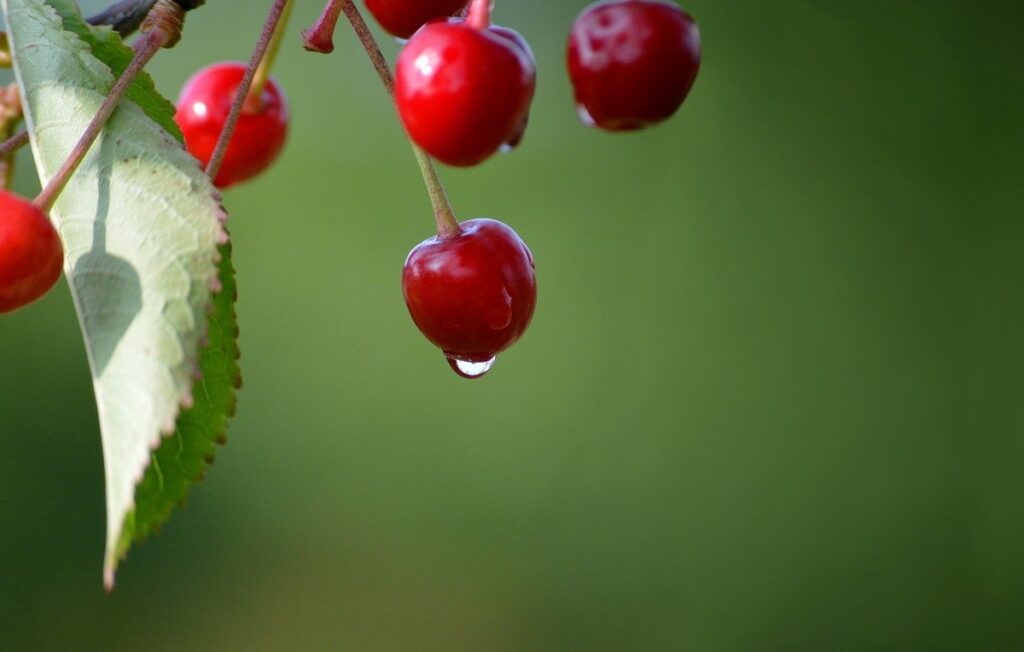
Characteristics of Beautiful Fruit Trees
When it comes to beautiful fruit trees, there are certain characteristics that set them apart from ordinary ones. Let’s take a closer look at what makes these stunning trees so unique and desirable.
Unique Shapes and Forms
When it comes to fruit trees, their unique shapes and forms can be just as breathtaking as their vibrant colors and luscious fruits. A well-designed fruit tree can add visual interest to your garden or landscape, making it a stunning centerpiece. One way to achieve this is through creative pruning techniques that shape the tree into an eye-catching form.
Weeping standards are a popular choice for adding drama to your garden. These trees are trained to grow upright with long, flowing branches that cascade downwards, creating a beautiful display of foliage and flowers. For example, the Weeping Peach Tree (Prunus persica ‘Pendula’) is a stunning example of this unique shape.
Espaliers and topiaries are other ways to add visual interest to your fruit tree. Espaliers involve training the branches to grow along a trellis or wall, creating a flat, layered effect. Topiaries, on the other hand, involve pruning the tree into intricate shapes using balls, cones, or even animals. With patience and practice, you can create your own stunning espalier or topiary fruit tree that becomes a focal point in your garden.
Some popular varieties for espaliers include apples (Malus domestica), pears (Pyrus communis), and apricots (Prunus armeniaca). For topiaries, consider using smaller trees like dwarf citrus (Citrus spp.) or miniature apple trees (Malus domestica ‘Dwarf’).
Vibrant Colors and Patterns
When it comes to beautiful fruit trees, vibrant colors and patterns play a significant role in their overall aesthetic appeal. Beyond the bounty of delicious fruits they produce, these visual elements can make a tree truly stand out.
Leaf color variations are one way to add interest to a fruit tree. Some trees have leaves with stunning shades of yellow, orange, or red that turn golden, copper, or burgundy as the seasons change. The delicate patterns on a tree’s leaves, such as veins and margins, can also be intricately detailed and visually appealing.
Bark texture is another characteristic that contributes to a tree’s beauty. Some trees have smooth, shiny bark while others are rugged with deep grooves and furrows. This adds depth and character to the overall appearance of the tree.
The patterns on fruit flowers can be equally striking. From simple, pure white blooms to complex combinations of colors like red stripes or yellow centers, the variety is astounding. These patterns not only attract pollinators but also add visual interest and make the tree a showstopper in any landscape.
Bountiful Harvests
When it comes to beautiful fruit trees, one of the most desirable characteristics is their ability to produce an abundance of delicious fruit. A bountiful harvest is a sight to behold and can be a source of joy for many gardeners. The type of fruiting tree you choose will greatly impact the quantity and quality of your harvest.
For example, apple trees are known for their high-yielding varieties such as ‘Red Delicious’ and ‘Gala’, which produce an average of 50-60 pounds of fruit per year. Orange trees on the other hand, can yield up to 200 oranges per tree, providing a steady supply of fresh citrus all season long. Cherry trees also offer impressive yields, with some varieties producing over 1,000 cherries in a single growing season.
To encourage your fruiting trees to produce an abundance of fruit, be sure to provide them with proper care and maintenance. This includes planting in well-draining soil, providing adequate sunlight and water, and pruning regularly to promote healthy growth and fruiting habits. With the right conditions and care, your beautiful fruit tree will reward you with a bountiful harvest year after year.
Choosing the Right Fruit Tree for Your Space
When selecting a fruit tree, it’s essential to consider your space and climate to ensure you choose a tree that will thrive and provide you with bountiful harvests. This section helps you navigate those factors.
Climate Considerations
When choosing the right fruit tree for your space, it’s essential to consider the local climate. Different climate zones can significantly impact a fruit tree’s growth, productivity, and overall health. There are several climate zones in the United States, ranging from humid subtropical to arid deserts.
For example, if you live in a zone with hot summers and mild winters, like Southern California or Texas, look for fruit trees that thrive in these conditions, such as oranges, lemons, or limes. On the other hand, areas with cold winters and warm summers, like the Northeast or Pacific Northwest, are better suited for apple, pear, or cherry trees.
To ensure your fruit tree grows well, check its hardiness zone rating, which indicates the minimum temperature it can tolerate. You can also consider factors like wind direction, sunlight exposure, and soil type to create a suitable environment for your tree’s growth. By choosing a fruit tree that fits your local climate, you’ll be rewarded with a bountiful harvest and a beautiful addition to your garden.
Soil and Sunlight Requirements
When it comes to choosing the right fruit tree for your space, understanding its soil and sunlight requirements is crucial. Different varieties have unique needs that must be met to ensure a thriving and bountiful harvest.
For instance, citrus trees prefer well-draining acidic soil with a pH between 6.0 and 7.0, while apple trees tolerate a slightly wider range of pH levels but require more water. Apple trees also benefit from full sun, requiring at least six hours of direct sunlight per day, whereas cherry trees can thrive in partial shade.
To determine the ideal soil conditions for your tree, test your garden’s pH level and amend it if necessary. For fruit trees that prefer acidic soil, like blueberries or strawberries, mix in a layer of peat moss or sulfur to lower the pH. On the other hand, trees like pomegranates and figs require alkaline soil and can benefit from adding lime.
Keep in mind that overwatering is common among fruit tree owners, so make sure to monitor your tree’s watering needs closely. A general rule of thumb is to water deeply once or twice a week during dry spells, but avoid frequent shallow watering.
Space Constraints
If you’re short on yard space but still want to grow your own delicious and beautiful fruit trees, don’t worry – there are plenty of creative options for you. One of the most popular ways to grow fruit trees in small spaces is by using container gardens. These can be placed on a balcony, patio, or even indoors near a sunny window.
When choosing a fruit tree for a container garden, select varieties that are compact or dwarf. For example, the ‘Dwarf Washington’ nectarine or ‘Red Delicious’ apple tree are excellent options. Make sure to use a large enough container with good drainage and a well-draining potting mix. Don’t forget to fertilize regularly and prune your tree annually to maintain its shape and promote fruiting.
Another space-saving option is using vertical planters or trellises. These can be attached to a fence, wall, or even the side of a house. Train your fruit tree to grow upwards by pruning it regularly and providing support with stakes or twine. Espaliers are another great option for small spaces – these are essentially living walls that allow you to grow multiple trees in a compact area.
Consider growing an espalier system using a wooden or metal trellis, and train your fruit tree to grow along the trellis using a series of horizontal branches. This not only saves space but also adds visual interest to your garden or patio. Whatever option you choose, with a little creativity and planning, you can enjoy beautiful and delicious fruit trees even in the smallest of spaces.
Growing and Maintaining Beautiful Fruit Trees
Now that you’ve learned how to choose the perfect fruit tree for your garden, it’s time to focus on keeping them thriving with the right care and maintenance techniques.
Pruning Techniques
Pruning is an essential aspect of maintaining beautiful fruit trees. Not only does it help control the tree’s size and shape, but it also promotes healthy growth and encourages fruit production. Regular pruning can even extend the life of your tree by removing dead or diseased branches.
There are several pruning techniques to explore: tip-pruning, thinning, and renewal pruning. Tip-pruning involves cutting the terminal bud of a branch to control its length and promote bushy growth. This technique is ideal for young trees or those with dense foliage. Thinning involves removing select branches to allow more sunlight to reach fruiting branches, promoting better air circulation, and reducing disease susceptibility.
Renewal pruning is used on mature trees that have become overgrown or no longer produce well. It’s a more extensive process where entire sections of the tree are removed to encourage new growth and increase fruit production. Remember, proper pruning requires regular maintenance and a clear understanding of your tree’s needs. Prune during the dormant season when possible, and always follow local regulations regarding pruning methods for specific fruit trees.
When pruning, make sure to clean and disinfect your tools between cuts to prevent disease transmission. This will not only keep your tree healthy but also ensure you enjoy a bountiful harvest for years to come.
Pest and Disease Management
Pest and disease management is an essential aspect of growing healthy and beautiful fruit trees. Unfortunately, common pests like aphids, codling moths, and scale insects can wreak havoc on a tree’s leaves, fruits, and overall well-being. For instance, the codling moth caterpillar can burrow into apples and pears, causing unsightly holes and reducing the fruit’s quality.
To control these issues organically, adopt an integrated pest management (IPM) approach. This involves combining physical, cultural, biological, and chemical controls to manage pests effectively. Start by removing weeds that harbor pests and providing enough space between trees for good air circulation. Use neem oil or insecticidal soap to repel aphids and other soft-bodied insects.
Biological controls like introducing natural predators, such as ladybugs or lacewings, can also help regulate pest populations. Regularly inspect your trees for signs of pests and diseases like powdery mildew, a fungal disease that causes white powder on leaves. By being proactive and adopting an IPM strategy, you can keep these issues under control and enjoy the beauty of your fruit trees for years to come.
Keep in mind that it’s crucial to identify the pest or disease correctly before taking action. For example, powdery mildew requires a fungicide application, whereas aphids need a combination of physical removal and neem oil treatment. By understanding the specific needs of your tree, you can create an effective management plan and keep your fruit trees looking their best.
Fertilization and Soil Care
Fertilizing and caring for your fruit tree’s soil is just as crucial as pruning or training its branches. A healthy, well-nourished tree will reward you with bountiful harvests year after year. Let’s talk about the importance of composting, mulching, and pH balancing to create a fertile foundation for your fruit trees.
Composting is one of the simplest ways to provide essential nutrients to your soil. Collect kitchen scraps, leaves, and grass clippings, and mix them with other organic matter like manure or peat moss. Spread this rich compost around your tree’s base, keeping it 6-8 inches away from the trunk. This not only adds nitrogen but also helps retain moisture.
Mulching acts as a barrier between your tree’s roots and extreme temperatures. Apply a thick layer (3-4 inches) of wood chips or bark around the root zone to protect the soil and retain water. Regularly replenish this mulch, adding more organic matter to continue enriching your soil.
When it comes to pH balancing, most fruit trees prefer slightly acidic conditions (pH 6.0-7.0). Test your soil periodically to determine its pH level. If it’s too alkaline or acidic, adjust the soil with elemental sulfur or lime according to the manufacturer’s instructions. By taking care of these three essential elements – composting, mulching, and pH balancing – you’ll set up your fruit trees for long-term success and optimal fruit production.
The Benefits of Growing Your Own Fruit
Growing your own fruit can be incredibly rewarding, not just for the delicious flavors you’ll enjoy but also for the numerous health benefits that come from eating fresh, homegrown produce. Let’s explore some of these advantages together!
Health Advantages
Growing your own fruit trees not only brings beauty to your garden, but also provides numerous health benefits. When you harvest fresh produce from your own tree, you can be sure that it’s free from pesticides and other chemicals commonly used on commercial farms. This reduces the risk of pesticide exposure, which has been linked to various health issues, including cancer and neurological problems.
Eating homegrown fruit also allows you to reap the rewards of increased vitamin intake. Fresh fruits are rich in essential vitamins, minerals, and antioxidants that help maintain a healthy immune system and support overall well-being. For example, citrus trees produce vitamin C-rich oranges and lemons that are packed with immunity-boosting properties.
Incorporating homegrown fruit into your diet can be as simple as snacking on fresh berries or adding sliced apples to your morning oatmeal. To get started, choose a variety of fruit tree that suits your climate and growing conditions, and follow proper care and maintenance techniques to ensure a bountiful harvest. By growing your own fruit trees, you’ll not only enjoy the beauty they bring to your garden, but also reap the rewards of healthier eating.
Environmental Benefits
Growing your own fruit trees not only provides you with a bounty of delicious produce, but it also offers numerous environmental benefits that are good for both you and the planet. By cultivating your own fruit trees, you can significantly reduce your carbon footprint, conserve water, and even support biodiversity in your community.
For instance, when you grow your own fruit trees, you eliminate the need for transportation and packaging that comes with buying fruits from grocery stores. This reduction in greenhouse gas emissions not only helps combat climate change but also saves on fuel costs. Furthermore, by using rainwater harvesting systems or drip irrigation, you can conserve water and reduce the amount of fertilizers and pesticides used.
In addition to these benefits, growing your own fruit trees supports local biodiversity by attracting pollinators like bees and butterflies, which are essential for the reproduction of many plant species. By planting a variety of fruit tree species in your garden, you can create a haven for these beneficial insects, contributing to a healthier ecosystem.
Cost Savings
Growing your own fruit not only provides an aesthetic benefit to your garden, but it also offers a financial advantage that’s hard to ignore. By cultivating your own fruit trees, you can significantly reduce the costs associated with purchasing fresh produce from stores.
According to the United States Department of Agriculture (USDA), the average American household spends around $600 per year on fruits and vegetables alone. By growing your own, you can allocate this budget towards other expenses or even save it altogether. For instance, a single apple tree can produce up to 15-20 pounds of fruit annually, which is equivalent to buying a bag of apples every week for an entire year.
Additionally, growing your own fruits reduces reliance on industrial agriculture, which often comes with environmental and social costs. By producing your own food, you contribute less to the greenhouse gas emissions associated with transportation and packaging. With the right care and attention, fruit trees can thrive in your backyard, providing a bounty of fresh produce while also saving you money.
Conclusion
As you’ve learned about the beauty of beautiful fruit trees, you’re likely eager to incorporate these stunning additions into your own garden or yard. Before we wrap up, let’s review some key takeaways from this journey. First and foremost, remember that beautiful fruit trees bring a unique blend of functionality and aesthetic appeal to any space. Not only do they provide delicious produce, but their visually striking features make them an attractive focal point in gardens and landscapes.
When selecting a beautiful fruit tree for your property, consider the mature size, growth rate, and desired harvest yield. With these factors in mind, you’ll be well on your way to cultivating a thriving and picturesque orchard.
Frequently Asked Questions
How do I determine the best fruit tree variety for my specific climate?
When selecting a fruit tree, consider factors like temperature tolerance, frost hardiness, and moisture requirements. Research local nurseries or consult with gardening experts to find varieties that thrive in your region’s climate. Be sure to check the tree’s hardiness zone rating and adaptability to ensure optimal growth.
Can I grow multiple types of fruit trees together?
Yes, many fruit trees can be grown together in a single orchard, but choose varieties that have compatible growing conditions, such as similar sunlight and watering needs. Some popular combinations include pairing dwarf citrus with deciduous fruits like apples or pears. Consider the mature size of each tree to ensure proper spacing.
How often should I water my fruit trees during different seasons?
Watering frequency depends on climate, soil type, and tree variety. As a general rule, newly planted trees require more frequent watering (about 1-2 times per week) while established trees can tolerate less frequent watering (about once every 10-14 days). Monitor soil moisture levels and adjust your watering schedule accordingly.
What are some common pests or diseases that affect fruit trees, and how do I prevent them?
Common issues include aphids, codling moths, and powdery mildew. To prevent infestations, maintain good garden hygiene (removing weeds and debris), use physical barriers (row covers or fine mesh screens), and apply organic pest control methods like neem oil or horticultural soap.
Can I grow fruit trees in containers on a balcony or patio?
Yes, many dwarf fruit tree varieties can thrive in large containers with proper care. Choose compact varieties like dwarf citrus, figs, or apples that are specifically bred for container growing. Be mindful of root depth and ensure the container is at least 12-18 inches deep to accommodate the tree’s mature root system.