
You might be surprised to learn that honeysuckle fruit is not just a sweet treat, but also packed with nutritional benefits. This often-overlooked gem is a treasure trove of antioxidants, vitamins, and minerals waiting to be discovered. But before you start snacking on honeysuckle, it’s essential to understand its potential uses in cooking, medicine, and even as a natural remedy for various ailments. In this article, we’ll delve into the world of honeysuckle fruit, exploring its benefits, risks, and expert tips on how to grow and prepare it. From incorporating it into your favorite recipes to harnessing its medicinal properties, we’ll cover everything you need to know about this versatile and nutritious fruit. Whether you’re a seasoned gardener or a curious foodie, get ready to unlock the sweet truth about honeysuckle fruit!
What is Honeysuckle Fruit?
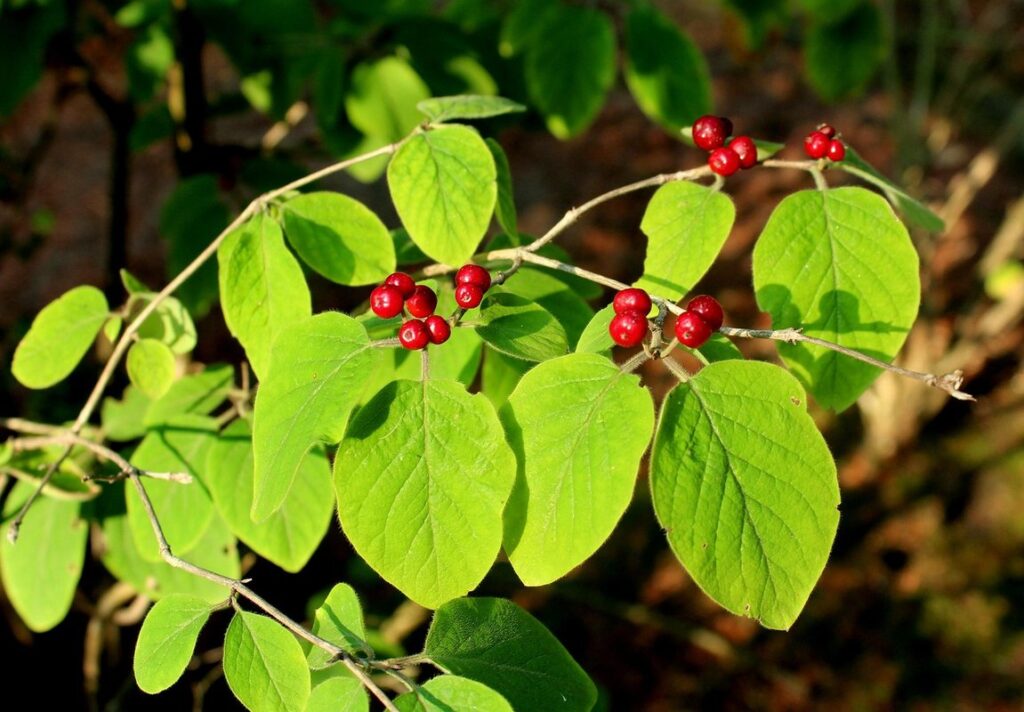
Honeysuckle fruit, often overlooked but rich in flavor and nutrition, is actually a sweet and edible treat waiting to be discovered. But what exactly does this mysterious fruit look like?
Botanical Description
Honeysuckle fruit comes from the Lonicera plant species, which comprises over 200 different types. This remarkable diversity is a testament to the plant’s adaptability and widespread distribution across various climates and regions. But what makes honeysuckle plants so unique?
The Lonicera genus belongs to the Caprifoliaceae family of flowering plants, characterized by their fragrant, showy flowers that attract pollinators like bees and butterflies. These flowers are often white, yellow, or pink in color, with a distinctive shape and arrangement on the stem. The vines can grow up to 30 feet long, making them ideal for trellises, arbors, or other supports.
As honeysuckle plants mature, they produce small, oval-shaped berries that are edible and rich in nutrients. The fruit is typically red, yellow, or purple in color, depending on the specific species. When selecting a honeysuckle plant for its fruit, look for varieties like Lonicera caerulea (blue honeysuckle) or Lonicera sempervirens (coral honeysuckle). These plants are not only ornamental but also provide a delicious and healthy snack when ripe.
To cultivate honeysuckle for its fruit, choose a location with full sun to partial shade and well-draining soil. Water the plant regularly, but avoid overwatering, which can lead to root rot. Prune the vines annually to maintain shape and encourage fruit production. With proper care, you can enjoy a bountiful harvest of honeysuckle fruit in your own garden or yard.
Traditional Use in Cooking and Medicine
In traditional Asian cultures, honeysuckle fruit has been a staple ingredient for centuries. In Chinese medicine, it’s prized for its ability to clear “heat” and “dampness” from the body, while also soothing digestive issues. The fruit is often used to make teas, soups, and infusions that are believed to promote relaxation and balance the body’s energy.
In many Eastern cultures, honeysuckle flowers and fruits are considered edible and are enjoyed in a variety of dishes, such as stir-fries, salads, and desserts. For example, in Korean cuisine, honeysuckle fruit is pickled and served as a side dish or used as an ingredient in traditional soups like ginseng chicken soup.
In addition to its culinary uses, honeysuckle fruit has been employed in traditional medicine for various ailments, including fever reduction, cough suppression, and skin conditions. In some regions, it’s also used as a natural dye, giving fabrics a range of colors from yellow to orange.
When using honeysuckle fruit in cooking or medicine, it’s essential to note that the entire plant, including the flowers, leaves, and roots, contains saponins, which can be toxic in large quantities. Therefore, moderation is key when incorporating honeysuckle into your diet or traditional remedies.
Nutritional Value and Health Benefits
Let’s dive into what honeysuckle fruit has to offer when it comes to its nutritional value and health benefits, which can be quite impressive. Its unique profile is worth exploring in more detail.
Antioxidant Properties and Anti-Inflammatory Effects
Honeysuckle fruit is an antioxidant powerhouse, boasting an impressive array of vitamins and minerals that support immune function and overall health. Rich in vitamin C, flavonoids, and phenolic acids, this sweet gem has been shown to exhibit potent anti-inflammatory properties, which may help mitigate chronic diseases like arthritis, diabetes, and even certain types of cancer.
The high antioxidant content in honeysuckle fruit plays a crucial role in neutralizing free radicals that can damage cells and contribute to aging. In fact, studies have demonstrated its potential in protecting against oxidative stress, cell damage, and inflammation, which are all key factors in the development of chronic diseases.
To harness the anti-inflammatory effects of honeysuckle fruit, you can try incorporating it into your diet by adding fresh or dried flowers to salads, soups, or stir-fries. You can also consume honeysuckle tea or supplements after consulting with a healthcare professional. By embracing this natural remedy, you may be able to boost your immune system and reduce your risk of developing chronic diseases.
Some key takeaways when it comes to harnessing the antioxidant properties of honeysuckle fruit include:
* Eating fresh or dried honeysuckle flowers in moderation as part of a balanced diet
* Incorporating honeysuckle tea into your daily routine, especially after meals to aid digestion and inflammation
* Considering supplements under the guidance of a healthcare professional if you’re looking for an extra boost
By incorporating honeysuckle fruit into your lifestyle, you can potentially reap its impressive health benefits while enjoying its sweet flavor.
Potential Risks and Precautions
While honeysuckle fruit offers numerous health benefits, it’s essential to acknowledge the potential risks associated with its consumption. If you’re planning to incorporate honeysuckle fruit into your diet, be aware of the possibility of allergic reactions, particularly if you have a history of allergies or sensitivities.
Some individuals may experience mild symptoms such as hives, itching, or swelling after consuming honeysuckle fruit. In rare cases, anaphylaxis can occur, which is a life-threatening condition requiring immediate medical attention.
Additionally, interactions with certain medications are also possible, especially for those taking blood thinners, diabetes medications, or heart medications. This is because honeysuckle fruit may enhance the effects of these medications, leading to adverse reactions.
To enjoy the benefits of honeysuckle fruit safely, always consume it in moderation and under guidance from a healthcare professional. If you experience any symptoms or have concerns about potential interactions with your medications, consult with your doctor before making honeysuckle fruit a part of your diet.
Preparing Honeysuckle Fruit: Recipes and Tips
Now that we’ve covered how to use honeysuckle safely, let’s dive into the fun part: preparing its sweet fruit for delicious recipes and other creative uses. Here are some tips and ideas to get you started.
Jam-Making and Preserving Methods
Preparing honeysuckle jam and other preserved products requires attention to detail and proper techniques. To make honeysuckle jam, start by cleaning and preparing the fruit, then combine it with sugar, lemon juice, and pectin in a large pot. Bring the mixture to a boil, stirring constantly, until the jelly forms. Use a candy thermometer to ensure the jam reaches 220°F for high-acid fruits like honeysuckle.
For low-acid fruits, use a traditional method by testing the jam with the ‘wrinkle test’: place a small spoonful on a chilled plate and let it cool. If the jam wrinkles when pushed with your finger, it’s ready. Fill sterilized jars, leaving 1/4 inch headspace, and process in a boiling water bath for 10 minutes.
When making honeysuckle jelly, use a higher ratio of sugar to juice (3:1) as honeysuckle contains less natural pectin than other fruits. To make honeysuckle syrup, simply cook down the fruit with an equal amount of sugar until thickened. Always follow safe canning practices and guidelines for processing times to ensure the jam’s shelf life.
Use a clean glass jar with a new lid to prevent contamination. Process jars in boiling water bath for 10 minutes to create a vacuum seal. Let the jars cool undisturbed before storing them in a dark, cool place.
Infusions, Tinctures, and Edible Oils
Creating honeysuckle infusions, tinctures, and edible oils is a great way to harness the fruit’s medicinal properties while avoiding its potentially toxic compounds. However, it’s crucial to follow proper preparation methods and safety guidelines.
To make a honeysuckle infusion, combine 1 cup of fresh or dried honeysuckle flowers with 2 cups of boiling water in a heat-resistant container. Let it steep for 5-7 minutes before straining the liquid. You can use this infusion as a tea or add it to other herbal remedies.
When creating tinctures, it’s essential to use a solvent like vodka or glycerin to extract the honeysuckle’s active compounds. A standard recipe involves mixing 1 cup of dried flowers with 2 cups of vodka in a glass container and letting it sit for 2-3 weeks before straining and storing it.
For edible oils, combine 1 cup of dried honeysuckle flowers with 4 cups of carrier oil like olive or coconut oil in a dark glass bottle. Let it infuse for 2-3 months before filtering the mixture through cheesecloth or a coffee filter. Always use high-quality ingredients and follow proper safety protocols when preparing honeysuckle products to avoid potential toxicity.
Remember, as with any herbal remedy, quality matters. Use fresh, organic ingredients and follow established recipes to ensure your preparations are safe and effective.
Growing Honeysuckle Plants: Tips and Considerations
To grow a healthy and thriving honeysuckle plant, you’ll want to choose the right location and consider factors like soil quality and sunlight exposure.
Choosing the Right Variety
When it comes to growing honeysuckle for fruit production, choosing the right variety is crucial. With over 200 species of honeysuckle plants, selecting one that thrives in your climate and meets your flavor preferences can be overwhelming.
Consider starting with Lonicera caerulea, a cold-hardy variety that excels in cooler climates with temperatures as low as -20°F (-29°C). This species is perfect for northern gardeners, producing high-quality fruit that’s rich in antioxidants. Alternatively, Lonicera japonica and Lonicera sempervirens are more adaptable to warmer regions, tolerating heat up to 90°F (32°C).
Soil conditions also play a significant role in honeysuckle growth. If you have alkaline soil with a pH above 7, opt for Lonicera tatarica or Lonicera maxima, which can tolerate these conditions. For those with acidic soils, Lonicera caerulea and Lonicera japonica are better suited.
Ultimately, the flavor profile of your honeysuckle fruit will depend on the specific variety you choose. If you prefer a sweeter taste, look for varieties like Lonicera sempervirens or Lonicera tatarica. For a more tart flavor, Lonicera caerulea and Lonicera maxima are good options.
Pest Management and Disease Prevention
As you grow honeysuckle plants for their delicious fruit, you may encounter common challenges like pests and diseases that can damage the plant’s health. One of the most significant threats to honeysuckle plants is aphids, which can spread plant viruses like tobacco rattle virus. To manage these issues effectively, consider using integrated pest management (IPM) strategies.
This approach combines physical, cultural, biological, and chemical controls to minimize harm to people, pets, and the environment. For example, use neem oil or insecticidal soap to control aphid infestations, and prune infested areas to prevent the spread of disease. You can also introduce beneficial insects like ladybugs or lacewings to prey on pests naturally.
To prevent diseases like powdery mildew and leaf spot, ensure good air circulation around your plants by pruning them regularly. Water at the base rather than getting water on the leaves to reduce moisture-related issues. By adopting these IPM strategies, you can enjoy a healthy and productive honeysuckle plant that produces plenty of delicious fruit.
Safety Considerations: Allergies, Toxicity, and Interactions
When exploring the benefits of honeysuckle fruit, it’s essential to consider potential risks such as allergies, toxicity, and interactions that may occur. Be aware of these possible complications before using this fruit in your health routine.
Identifying Honeysuckle Poisoning Symptoms
Consuming unripe or toxic honeysuckle fruit can be detrimental to one’s health. If you suspect that you’ve ingested poisonous honeysuckle, it is essential to monitor your symptoms closely and seek medical attention if necessary.
Symptoms of honeysuckle poisoning may include nausea, vomiting, diarrhea, abdominal pain, and dizziness. In severe cases, consumption can lead to more serious complications such as seizures, respiratory failure, or even cardiac arrest. If you’re experiencing any of these symptoms after consuming honeysuckle fruit, do not hesitate to contact emergency services.
Identifying the severity of poisoning is crucial for effective treatment. Mild symptoms may be treated with supportive care, including rest, hydration, and medication to alleviate discomfort. In severe cases, hospitalization may be necessary to address more critical health concerns.
If you’re planning to use honeysuckle fruit, ensure that it’s ripe and properly identified by a medical professional or an experienced forager. Always handle the fruit with care, as even small amounts of toxic substances can cause harm.
Potential Interactions with Medications
When using honeysuckle extracts or preparations for medicinal purposes, it’s essential to be aware of potential interactions with prescription medications. Honeysuckle contains a compound called flavonoid glycosides, which can affect the way certain medications are metabolized by the body.
If you’re taking blood thinners, such as warfarin, using honeysuckle extracts may increase your risk of bleeding. The flavonoids in honeysuckle can also interact with medications like digoxin and beta-blockers, altering their levels in the bloodstream. Additionally, individuals taking immunosuppressive drugs should exercise caution when consuming honeysuckle, as it may enhance the effects of these medications.
To minimize potential interactions, always consult with your healthcare provider before using honeysuckle for medicinal purposes. If you’re taking prescription medications, start by monitoring your body’s response to small amounts of honeysuckle and adjust your dosage accordingly. Be aware that some honeysuckle products may not be standardized, making it difficult to predict their potency.
If you experience any unusual symptoms or side effects while using honeysuckle, discontinue its use and consult with your healthcare provider immediately.
Frequently Asked Questions
Can I grow honeysuckle fruit in a container or indoors?
Yes, you can grow honeysuckle plants in containers or indoors, but make sure to choose a variety that is compact or dwarf, such as Lonicera nitida. Provide adequate sunlight and maintain consistent moisture levels to promote healthy growth.
How do I identify if my honeysuckle plant has any pests or diseases?
Regularly inspect your plant for signs of infestation or infection, such as whiteflies, mealybugs, or yellowing leaves. Research the common pests and diseases that affect honeysuckle plants in your region, and take prompt action to treat any issues you find.
Can I use honeysuckle fruit to make medicine or supplements?
While honeysuckle has medicinal properties, it’s essential to consult with a healthcare professional before using it as a treatment for any condition. Research the recommended dosages and potential interactions with medications to ensure safe usage.
How do I preserve honeysuckle fruit long-term without losing its nutritional value?
To preserve honeysuckle fruit, consider making jams or preserves, which will help retain its nutritional value. You can also dry the fruit using a food dehydrator or air-drying method, or freeze it for later use in recipes.
Can I eat honeysuckle flowers along with the fruit?
While honeysuckle flowers are edible and fragrant, they have a stronger flavor than the fruit. Use them sparingly in recipes to avoid overpowering the dish. Also, ensure you’ve correctly identified the plant species and removed any bitter or toxic parts before consumption.