
Composting is one of the simplest yet most effective ways to manage your household waste sustainably. By learning the composting basics, you can significantly reduce your environmental footprint and create nutrient-rich soil for your garden. But where do you start? Preparing the right materials, understanding optimal decomposition conditions, and maintaining a healthy balance of carbon and nitrogen are all crucial steps in creating a thriving compost pile.
In this comprehensive guide, we’ll walk you through the essential steps to get started with composting at home. From preparation to maintenance, we’ll cover everything you need to know to create high-quality compost that will enrich your soil and support local biodiversity. By following our expert tips and advice, you’ll be well on your way to mastering the art of composting and joining the ranks of environmentally conscious households around the world.
Understanding the Importance of Composting
Composting is a crucial step towards reducing waste and creating nutrient-rich soil, but have you ever wondered why it’s so important for our planet and gardens? Let’s explore its significance together.
Benefits of Composting for the Environment
Composting is not only an effective way to manage waste, but it also has numerous benefits for the environment. One of the most significant advantages is its ability to reduce greenhouse gas emissions. When organic materials decompose, they release carbon dioxide, a potent greenhouse gas that contributes to climate change. However, when these same materials are composted, they lock in carbon and prevent it from entering the atmosphere. In fact, studies have shown that composting can reduce methane emissions by up to 50% compared to traditional waste management methods.
In addition to reducing emissions, composting also helps conserve water. Compost acts as a natural soil conditioner, improving its structure and increasing its water-holding capacity. This means that plants require less watering, which reduces the demand on municipal water supplies. For example, a study in California found that using compost in agricultural soils reduced irrigation needs by up to 30%.
Finally, composting supports biodiversity by creating habitats for beneficial microorganisms and insects. These tiny organisms play a crucial role in decomposing organic matter, recycling nutrients, and maintaining soil health. By supporting these ecosystems, composting helps maintain the balance of nature and promotes ecosystem services that are essential for human well-being.
How Composting Impacts Human Health
When done correctly, composting not only reduces waste sent to landfills but also has numerous benefits for human health. By utilizing organic materials as a nutrient-rich soil amendment, we can significantly decrease our reliance on synthetic fertilizers and create healthier ecosystems.
Reduced landfilled waste leads to lower emissions of methane, a potent greenhouse gas with serious implications for air quality. This decrease in landfill waste also minimizes the presence of contaminants like heavy metals, which leach into waterways when buried under high pressure. As a result, communities enjoy improved air and water quality.
Additionally, using compost reduces the need for synthetic fertilizers, which have been linked to various health issues. These chemicals can contaminate soil, groundwater, and ultimately human bodies. Compost’s organic nature allows it to replenish depleted nutrients naturally, promoting balanced ecosystems. For example, many households now use homemade compost to grow nutrient-dense fruits and vegetables in their backyards.
To incorporate these benefits into your own life, start by setting up a home compost bin or pile using easily available materials like food scraps and yard waste. Regularly maintain it with gentle mixing, allowing for aeration and preventing pests from inhabiting the area.
Getting Started with Composting: Preparation is Key
Before you begin composting, it’s essential to prepare your space and materials properly. Let’s dive into the crucial steps of getting started on a solid foundation for successful composting.
Choosing the Right Location for Your Compost Pile
When selecting a location for your compost pile, there are several key factors to consider. First and foremost, think about sunlight. Your compost pile needs some direct sunlight to help break down the organic matter, but too much can cause it to dry out and heat up excessively. Aim for a spot that receives partial shade, especially during the hottest part of the day.
Drainage is also crucial. You want your compost pile to be situated in an area where water won’t collect or pool around it. This will prevent moisture from accumulating and creating anaerobic conditions that can lead to odors and pests. Ideally, choose a spot with good airflow and drainage to ensure healthy decomposition.
Finally, consider accessibility. Choose a location that’s easily accessible for regular additions of new materials and turning of the pile. A spot near a water source is also convenient for occasional watering during dry spells. This will make maintaining your compost pile much simpler and more manageable. By selecting a suitable location from the start, you’ll set yourself up for success in creating nutrient-rich compost for your garden.
Selecting the Correct Type of Composter
When it comes to selecting the correct type of composter, there are several options available. Tumblers are a popular choice as they’re easy to turn and aerate, reducing odors and pests. However, they can be more expensive than other types of composters.
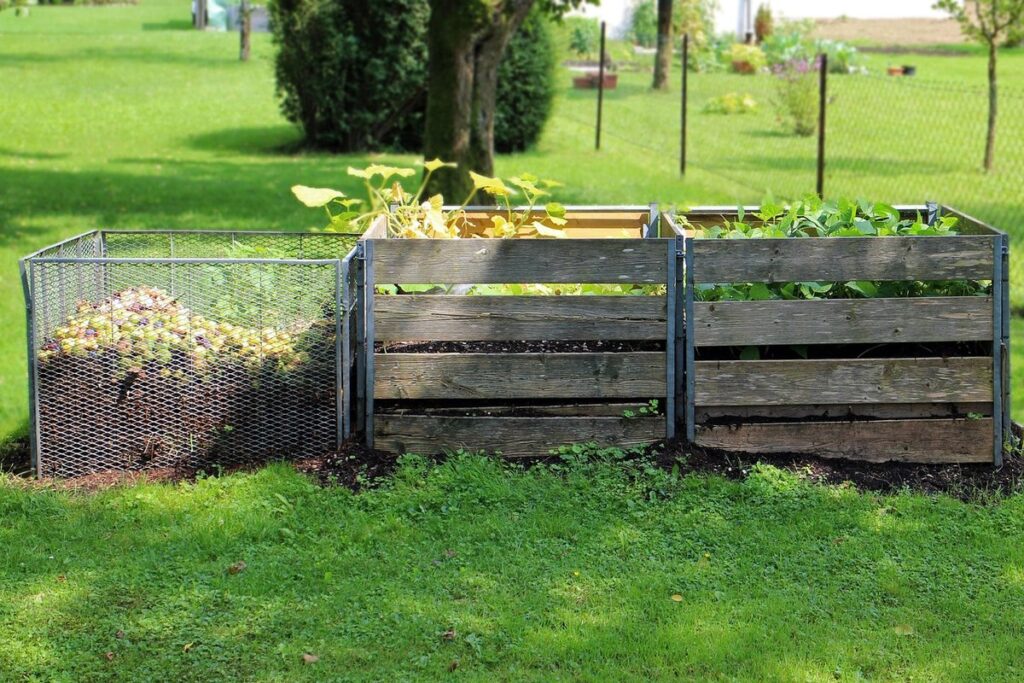
Bins, on the other hand, are often a cost-effective option and come in various sizes to suit different garden spaces. They also provide better insulation, keeping materials at an optimal temperature for decomposition. Wire mesh enclosures offer an open-air design that allows for easy access and can be used in areas with high winds or where space is limited.
Consider the size of your garden and the amount of material you plan to compost when choosing a composter. Larger gardens may benefit from a tumbler, while smaller spaces might suit a bin or wire mesh enclosure better. Additionally, think about maintenance and ease of use – if you’re short on time, a self-rolling bin or a tumbling composter can be a convenient option.
It’s essential to balance the advantages and disadvantages of each type, considering your unique needs and preferences.
What Can Be Composted: A Guide to Acceptable Materials
Now that you know what composting is and why it’s beneficial, let’s dive into what materials are actually suitable for your compost pile.
Organic Matter: Food Scraps, Yard Trimmings, and More
Organic matter is the backbone of composting, and there are countless types that can be transformed into nutrient-rich soil. At home, you likely generate a variety of organic waste that can be composted. Fruit and vegetable peels, for instance, make up a significant portion of household waste. Instead of throwing them away, toss them into your compost pile or bin.
Coffee grounds and tea bags are another pair of common organic matter items that can be composted. These materials are rich in nitrogen, which is essential for the composting process. Simply grind up used coffee grounds or brew a fresh pot to make the most of these nutrient-dense scraps.
Yard trimmings, including grass clippings and leaves, also belong in your compost pile. However, they should be added in moderation due to their high carbon content. A balanced mix of “green” (nitrogen-rich) materials like food waste and yard trimmings is key to creating healthy compost.
When adding organic matter to your compost, aim for a 2:1 or 3:1 ratio of “brown” (carbon-rich) materials like dried leaves to “green” materials. This balance ensures that your compost doesn’t become too wet or dry.
Bulky Items and Their Role in Composting
When it comes to composting, bulky items like branches, leaves, and shredded newspaper often get overlooked. However, they play a vital role in creating a balanced and healthy compost pile.
These materials are rich in carbon (also known as “brown” materials), which is essential for balancing out the nitrogen-rich “green” materials like food scraps and grass clippings. Without sufficient brown materials, your compost can become too wet and smelly, leading to anaerobic conditions that hinder decomposition.
To incorporate bulky items into your compost, simply shred them or chop them into smaller pieces before adding them to the pile. This will help them break down more efficiently and prevent them from creating air pockets in the pile.
A general rule of thumb is to aim for a mix of 2/3 brown materials (like branches, leaves, and shredded newspaper) and 1/3 green materials (like food scraps and grass clippings). By striking this balance, you’ll create an environment where microorganisms can thrive, breaking down organic matter into nutrient-rich compost.
The Composting Process: Turning Waste into Gold
Now that we’ve set up our composting bin, let’s dive into the exciting process of turning kitchen scraps and yard waste into a nutrient-rich soil amendment. We’ll break down each step of the composting process in detail.
Understanding the Different Phases of Decomposition
Decomposition is a complex process that involves breaking down organic matter into its constituent parts. It’s divided into three main phases: aerobic, anaerobic, and stabilization. Understanding these stages is crucial for creating high-quality compost.
Aerobic decomposition occurs when oxygen is present, typically in the initial phase of composting. Microorganisms like bacteria and fungi feed on waste materials, releasing carbon dioxide, water vapor, and heat as byproducts. This stage is characterized by a rapid breakdown of organic matter, often producing a strong odor. To manage this process, ensure adequate airflow within your compost pile.
Anaerobic decomposition kicks in when oxygen levels drop, usually during the middle phase. Microorganisms switch to alternative metabolic pathways, producing compounds like ammonia and volatile fatty acids, which can lead to unpleasant odors. If not managed properly, anaerobic conditions can be detrimental to compost quality.
The stabilization phase marks the final stage of decomposition, where microorganisms continue to break down complex organic molecules into simpler compounds. This process is critical for creating a stable, humus-rich compost that’s free from pathogens and weed seeds. Regular turning and monitoring temperature can help facilitate this phase.
Monitoring pH Levels and Moisture Content
Monitoring pH Levels and Moisture Content is crucial for effective decomposition. The ideal pH range for composting is between 6.0 and 7.5, with 7.0 being the optimal level. If the pH levels are too high or low, it can slow down or even stop the decomposition process.
To monitor pH levels, you can use a pH test kit available at most gardening stores. It’s essential to check pH levels regularly, especially during the early stages of composting, as they can fluctuate significantly due to various factors such as the type and quantity of materials added to the pile.
Moisture content is another critical factor in maintaining optimal decomposition conditions. The ideal moisture level for composting is between 40% and 60%. If the pile becomes too dry, it will slow down decomposition, while excessive moisture can lead to anaerobic conditions, resulting in unpleasant odors and potentially harming microorganisms.
To achieve the right balance of moisture, ensure that you add sufficient brown materials like dry leaves or straw to absorb excess water. Regularly turn your compost pile to maintain airflow and speed up the decomposition process.
Managing Odors and Pests: Common Composting Challenges
One of the biggest hurdles many gardeners face when starting a compost pile is managing unwanted odors and pests, which can be frustrating and overwhelming to deal with. Let’s tackle these common challenges together.
Identifying and Addressing Unpleasant Odors
When you’re working with compost, it’s not uncommon for unpleasant odors to arise. This can be due to a variety of factors such as too much nitrogen-rich material being added at once or not enough airflow within the pile.
One way to mitigate this issue is by incorporating more carbon-rich materials into your compost mixture. These can include shredded newspaper, cardboard, or dried leaves. Not only do they help balance out the nitrogen levels in your pile but also provide an oxygen source which aids in decomposition.
Regular turning of the compost pile is another effective method for eliminating odors. By doing this, you’re allowing fresh air to penetrate deeper into the pile and breaking up any clumps that may be retaining moisture and causing smells. Aim to turn your pile at least once a week to keep things aerated and moving along smoothly.
Additionally, ensuring your compost pile has adequate depth can help with odor management as well. A general rule of thumb is to aim for a minimum of three feet in height to allow for proper airflow.
Strategies for Preventing Pest Infestations
To prevent pest infestations in your compost pile, it’s essential to take proactive measures. Rodents, raccoons, and flies can be attracted to the nutrient-rich environment of your compost, but there are ways to deter them.
Using deterrents like hot peppers or essential oils is an effective way to keep pests away. You can add a few slices of hot pepper to your compost pile to repel rodents and other critters. Alternatively, mix in some essential oils like peppermint or lemongrass, which have natural pest-repelling properties.
Another strategy is to ensure good airflow in your compost pile. Flies are attracted to the anaerobic conditions that can develop when materials are too wet or compacted. By maintaining adequate ventilation and turning your compost regularly, you’ll prevent the buildup of odors and flies.
Keep your compost area clean and tidy by disposing of any food scraps in sealed containers and cleaning up any spills promptly. This will help deter pests from being drawn to the area in the first place.
Frequently Asked Questions
Can I compost with a small yard or limited space?
Yes, you can still compost even with a small yard or limited space. Consider using a compact composter or vermicomposting system that can be placed indoors or on a balcony.
How often should I turn my compost pile to maintain optimal decomposition conditions?
Regular turning of your compost pile is essential for maintaining optimal decomposition conditions. Aim to turn it every 7-10 days, especially during the active decomposition phase. This helps ensure even aeration and prevents anaerobic conditions that can lead to unpleasant odors.
What happens if I accidentally add too many “bulky items” like branches or twigs to my compost pile?
If you’ve added too many bulky items to your compost pile, they may not break down quickly enough. To resolve this, try chopping them into smaller pieces and mixing them thoroughly with other materials. This will help speed up decomposition.
Can I compost meat, dairy, or oily foods?
No, it’s generally not recommended to compost meat, dairy, or oily foods as they can attract pests and create unpleasant odors. Stick to composting “green” materials like food scraps, grass clippings, and leaves, and add them in moderation.
How do I monitor moisture levels in my compost pile?
Monitoring moisture levels is crucial for maintaining a healthy compost pile. Check the pile’s moisture by sticking your hand into it up to the wrist; if it feels dry, add some water. If it feels wet, wait a day or two before checking again. Aim for a damp, but not soggy, consistency.