
Are you tired of neglecting your garden’s shady corners, watching as beautiful plants wither away due to lack of sunlight? Don’t worry, you’re not alone! Many gardens have areas that receive dappled shade or full sun at certain times of day, making it challenging to choose the right plants and design elements.
But what if you could turn these shady spots into vibrant outdoor spaces that invite relaxation and enjoyment? With a little creativity and some practical tips, you can transform your garden’s hidden gems into stunning areas that complement the rest of your landscape. In this article, we’ll explore shade-tolerant plants, DIY projects, and decorative elements to help you create a beautiful and functional shady corner in your own garden.
Understanding Shady Areas in Your Garden
When it comes to shady areas, understanding how much light your garden receives is crucial for making informed decisions about what plants to choose and how to care for them effectively. Let’s explore some essential factors to consider in these zones.
Types of Shade and Their Effects on Plants
When working with shady areas in your garden, it’s essential to understand the different types of shade and their effects on plant growth. Dappled shade, for example, is characterized by filtered sunlight that allows dappled patches of light to reach the plants. This type of shade is perfect for plants like ferns and impatiens, which thrive in partial shade.
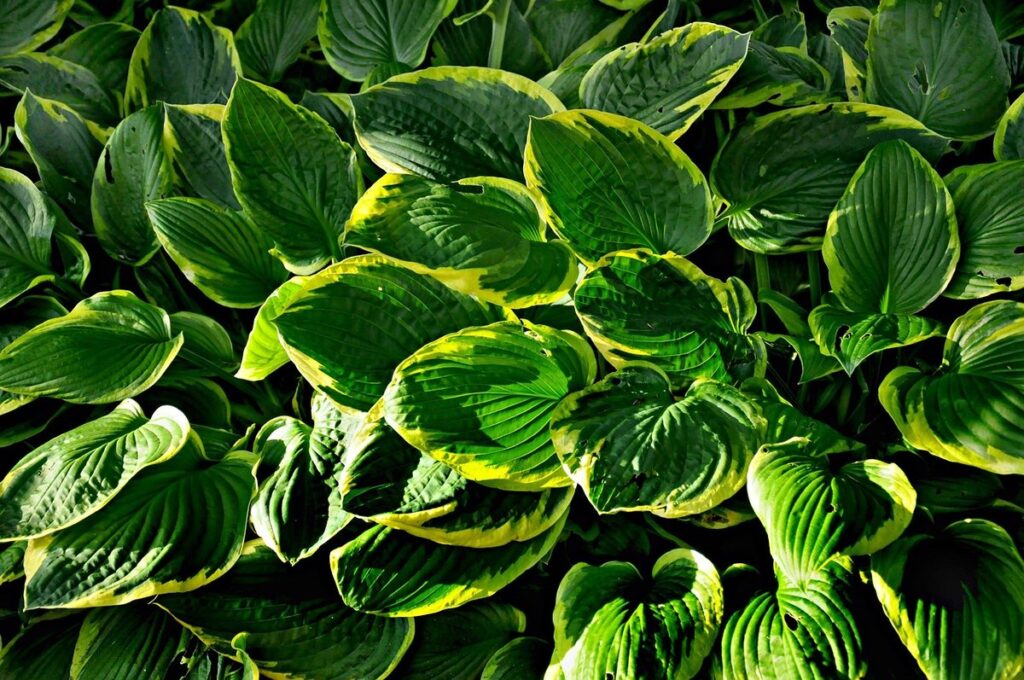
Full shade, on the other hand, occurs when direct sunlight is completely blocked by trees or buildings. In this case, choose plants that are specifically adapted to full shade, such as hostas and astilbe. Partial shade refers to areas that receive 4-6 hours of indirect sunlight daily. This type of shade can be tricky to work with, but plants like hydrangea and daylily love it.
When selecting plants for shady areas, consider the sunlight patterns in your garden. Observe how the sun moves throughout the day and choose plants that will thrive in those conditions. With a little planning and creativity, even the shadiest of corners can become a beautiful and thriving oasis in your garden.
Assessing Shady Areas in Your Garden
When assessing shady areas in your garden, it’s essential to get an accurate reading of sunlight duration and intensity. One way to do this is by using a tool like a sundial or a sunlight meter app on your smartphone. These tools will help you measure the amount of direct sunlight your garden receives throughout the day.
Another method is to observe how plants perform in different areas of your garden. Take note of which plants are thriving and where they’re struggling to grow. This can give you valuable insight into the level of shade and its impact on plant growth. For instance, if you notice that a particular area has mostly ferns and hostas, it’s likely receiving partial shade.
To further refine your assessment, consider using online tools like Google Maps or sunlight exposure apps that provide data on sunlight patterns in your specific location. This can give you a more accurate understanding of how much sunlight your garden receives throughout the year. By combining these methods, you’ll be able to identify areas that are suitable for shade-loving plants and create a more balanced and thriving garden ecosystem.
Plant Selection for Shady Corners
When it comes to adding some greenery to your shady corners, choosing the right plants is crucial. We’ll explore some of our favorite options that thrive in low-light conditions.
Choosing Shade-Tolerant Plants
When it comes to choosing shade-tolerant plants for your shady corner, there are several factors to consider. First, think about the plant hardiness zone you live in and select plants that are suitable for your climate. For example, if you’re in a cooler region, look for plants like ferns or astilbe that thrive in partial shade.
Consider the growth habits of the plants as well. Some plants, such as shrubs and trees, can grow quite large, while others, like groundcovers, stay low to the ground. If your shady corner has limited space, opt for compact or dwarf varieties that won’t outgrow their bounds.
Flowering plants are a great choice for adding color to your shady corner. Look for plants with blooms in shades of white, pink, or purple, which tend to perform well in low-light conditions. Some popular options include impatiens, begonias, and coleus. Don’t forget to consider maintenance requirements when selecting your shade-tolerant plants – some may need more frequent watering or pruning than others.
When shopping for shade-loving plants, be sure to check the plant label for specific growing requirements. This will help you choose plants that are well-suited to your shady corner and will thrive with minimal upkeep.
Layering Plants for Depth and Interest
Creating visually appealing layers in shaded areas is easier than you think. It’s all about combining plants of different heights, textures, and colors to add depth and interest to the space. Start by underplanting with low-growing groundcovers or small perennials like creeping thyme, vinca minor, or astilbe. These plants will fill in the gaps between larger plants and suppress weeds.
Next, choose mid-layer plants that provide a striking contrast to the underplanting. Consider using shrubs like lavender, rosemary, or boxwood, which come in a variety of shapes and sizes. These plants can be pruned to maintain a desired shape and promote healthy growth.
Finally, top off your layered look with taller plants or trees like ferns, hellebores, or even a small tree like a Japanese maple. Don’t forget to leave space between the layers for air circulation and easy maintenance. By mixing and matching different textures, colors, and heights, you’ll create a visually appealing and unique landscape that makes the most of your shaded corner.
Design Ideas for Shady Corners
For those shaded areas, adding a pop of color is as simple as planting vibrant flowers like impatiens or coleus that thrive in low-light conditions. Let’s explore some creative design ideas to make them shine!
Creating Focal Points with Statues or Water Features
When it comes to creating visual interest in shady areas, statues and water features can be incredibly effective. By strategically placing these decorative elements, you can draw the eye through the space and add ambiance. For example, a small statue or sculpture can be placed near the corner of a shaded garden bed, drawing attention to the surrounding plants.
Water features are another great option for creating focal points in shady corners. A small fountain or birdbath can add the soothing sound of water to your garden, making it feel more inviting and relaxing. You can also consider installing a rain chain or a wall-mounted spout to create a dramatic visual effect.
To make the most of these decorative elements, be sure to choose ones that complement your existing garden style. For instance, if you have a Japanese-inspired garden, a serene water feature like a small pond or fountain would be fitting. By incorporating statues or water features into your shady corner design, you can create a beautiful and engaging space that’s perfect for relaxation.
Incorporating Lighting for Ambiance
When it comes to transforming shady corners into inviting spaces, incorporating lighting for ambiance is a game-changer. Outdoor lighting can completely alter the mood and feel of an area, making it perfect for relaxing, socializing, or simply enjoying nature.
String lights are an excellent option for adding warmth and coziness to shaded corners. You can hang them from trees, gazebos, or even create a canopy with sheer fabric. Not only do they provide soft, warm light, but they also add a whimsical touch that’s perfect for evening gatherings. Consider using LED string lights, which are energy-efficient and last longer than traditional incandescent bulbs.
When selecting outdoor lighting options, it’s essential to consider color temperature. Warm white light (2700K-3000K) creates a cozy atmosphere, while cool white light (3500K-5000K) provides a brighter, more energizing feel. Place your lights thoughtfully to highlight architectural features or create visual interest in the space. Solar-powered lights are also a great choice for shady corners, as they’re eco-friendly and require minimal maintenance.
DIY Projects to Enhance Shady Corners
If you’re eager to give new life to those shaded spots, here are some creative and practical DIY projects to turn them into inviting garden havens. Get inspired by these clever ideas!
Upcycling Old Planters or Containers
When working with shady corners, it’s easy to overlook old planters and containers that can still serve as beautiful and functional garden features. Upcycling these items is a great way to breathe new life into underutilized spaces. Start by cleaning the containers thoroughly to remove any debris or grime. A mixture of soap and water will do the trick, but make sure to scrub away any stubborn stains.
Next, restore the planters’ original appearance by giving them a fresh coat of paint or varnish. This is also an excellent opportunity to add some personality to your garden with bold colors or patterns. Once dry, arrange plants that thrive in shade conditions such as ferns, impatiens, or coleus. You can also use mosaics, decoupage, or other creative embellishments to add visual interest.
Consider repurposing old wooden crates or terra cotta pots as unique planters for your shady corner. These items can be easily sourced from local thrift stores, garage sales, or even your own home. Not only will you save money, but you’ll also reduce waste and create a one-of-a-kind garden feature that reflects your personal style.
Building a Trellis or Arbor for Climbing Plants
Building a trellis or arbor for climbing plants is an excellent way to add visual interest and functionality to your shady corner. Not only does it provide support for climbing vines, but it also creates a sense of height and grandeur.
When selecting materials for your DIY project, consider using natural materials like wood or bamboo, which blend seamlessly with the surrounding foliage. For example, you can use reclaimed wood planks or bamboo sticks to create a sturdy trellis that adds texture and warmth to your shady corner.
To choose suitable climbing plants, look for species that thrive in partial shade, such as clematis, ivy, or honeysuckle. Make sure to train the vines to grow up the support by gently twining them around the structure. You can also use twine or wire to secure the stems and encourage vertical growth.
Some popular options for training vines include:
• Gently twisting the stems around the trellis
• Tying the stems with twine or wire
• Pruning the plant regularly to maintain a balanced shape
Remember to install your trellis or arbor in a spot that receives sufficient sunlight and drainage, ensuring the health of your climbing plants. With a little creativity and elbow grease, you can transform your shady corner into a lush and inviting oasis.
Landscaping Tips for Shady Areas
When it comes to shady areas, choosing the right plants is key to creating a lush and thriving landscape. In this section, we’ll share expert tips on how to select and care for shade-loving plants.
Soil Preparation and Mulching
When it comes to preparing soil in shady areas, it’s essential to create an environment that encourages healthy plant growth. Shady conditions often lead to poor drainage and a buildup of acidic soils, which can be detrimental to many plants.
To combat this issue, adjust the pH levels by adding lime if necessary. A slightly acidic or neutral soil is ideal for most shade-tolerant plants. Next, incorporate organic matter like compost or well-rotted manure to improve soil structure and fertility.
Mulching is a crucial step in shady area garden preparation. Mulch not only retains moisture but also suppresses weeds and regulates soil temperature. Use a 2-3 inch layer of organic mulch like wood chips or bark, keeping it a few inches away from plant stems. This will allow for good air circulation while preventing rot.
Mulching is beneficial as it prevents water loss through evaporation, reducing the need for frequent watering. It’s also an aesthetic addition to your garden, adding a touch of natural beauty and texture. By incorporating these simple steps into your shady area gardening routine, you’ll be well on your way to creating a thriving oasis in even the most underutilized spaces.
Watering Strategies for Shaded Plants
When it comes to watering plants in shady areas, it’s essential to understand their unique needs. Shaded plants require less water than those in full sun, as they receive fewer rays and therefore don’t need to compensate for excessive evaporation.
As a general rule, water shaded plants when the top 2-3 inches of soil feel dry to the touch. This can be achieved by using a moisture meter or inserting your finger into the soil up to that depth. Water deeply but infrequently to encourage deep root growth and make your plants more resilient to drought.
Avoid overwatering, which is one of the most common mistakes gardeners make in shaded areas. Overwatering can lead to root rot, leaf drop, and a host of other problems. To avoid this, ensure good air circulation around plants by pruning nearby foliage or installing a trellis to let sunlight filter through.
Check your soil type before watering, as it affects how much water is absorbed. For example, sandy soils drain quickly, while clay soils retain moisture. Adjust your watering schedule accordingly to prevent waterlogged soil and root damage. By understanding these subtleties, you can provide optimal care for your shaded plants and help them thrive in their unique environment.
Conclusion: Bringing Your Shady Corner to Life
Now that you’ve explored various garden ideas for shady corners, it’s time to put your newfound inspiration into action. Bringing your own underutilized space to life will not only enhance its aesthetic appeal but also create a haven for relaxation and connection with nature. Start by selecting the perfect plants for your specific shade levels, considering factors like moisture needs and growth habits. Next, incorporate decorative elements such as garden benches or solar-powered lights to create ambiance and invite exploration.
As you transform your shady corner, remember that it’s all about balance and harmony. Combine lush foliage with pops of color through flowers or shrubs to maintain visual interest. Don’t be afraid to experiment and make mistakes – after all, they can often lead to innovative solutions! With patience and creativity, even the most neglected areas can become vibrant oases, bringing joy and serenity to your outdoor space.
Frequently Asked Questions
How do I determine the right amount of light for my shady corner?
Conduct a sunlight assessment during different times of day to identify areas with dappled or full shade. Consider using tools like a light meter or a plant tag with specific lighting requirements to ensure you choose plants that thrive in those conditions.
Can I still use outdoor furniture in areas with minimal sunlight?
Yes, even with limited sunlight, you can incorporate weather-resistant outdoor furniture and textiles specifically designed for shaded spaces. Look for materials like recycled plastic or wicker that withstand moisture and won’t fade quickly. Consider adding throw pillows and blankets to add color and texture.
What are some creative ways to repurpose old containers for shady corners?
Upcycling old planters is an eco-friendly way to add visual interest and function to your shaded areas. Try using terracotta pots, wooden crates, or metal tubs to create unique planters that blend with the surrounding landscape. Add a fresh coat of paint or stencils to give them a personalized touch.
How do I maintain moisture levels in plants with low sunlight?
Shaded plants often require more frequent watering due to reduced transpiration rates. Monitor soil moisture by inserting your finger into the soil up to the first knuckle, and adjust your watering schedule accordingly. Mulch around plants helps retain moisture, reducing the need for frequent watering.
Can I incorporate a water feature in a fully shaded area?
Yes, even with minimal sunlight, you can create a soothing atmosphere with a small fountain or bubbling wall feature. Choose self-contained units that don’t require direct sunlight to operate efficiently. Ensure proper drainage and maintenance to prevent mold growth and ensure the longevity of your water feature.