
Planning a garden layout can be both exciting and overwhelming. You want your outdoor space to not only look beautiful but also serve its purpose – providing a functional and thriving garden that brings you joy and fresh produce. Before diving into planting, it’s essential to assess your yard’s conditions, considering factors like sunlight, soil quality, and available space. A well-planned garden layout can make all the difference in maximizing your harvest, reducing maintenance, and creating a haven for relaxation. In this article, we’ll walk you through the process of planning a beautiful and functional garden layout that suits your needs, from assessing your yard’s conditions to implementing and maintaining your design.
Understanding Your Space and Goals
To get started on planning a garden layout, take some time to assess your outdoor space and determine what you hope to achieve with your garden. Consider your climate, soil type, and available sunlight.
Assessing Your Yard’s Conditions
When assessing your yard’s conditions, it’s essential to evaluate several key factors that will impact your garden layout. Start by measuring your yard’s size and identifying its dimensions, including the length and width of each area. Consider how you’ll use each space – for example, will you dedicate a section to vegetables, herbs, or flowers?
Next, examine the soil type in different areas of your yard. Check if it’s clay, loamy, sandy, or a mix, as this will influence what plants can thrive there. Test the pH level and nutrient content by collecting a small sample from each area and sending it for analysis.
Sunlight exposure is also crucial, so note which parts of your yard receive full sun (six hours or more of direct sunlight), partial shade (four to six hours), or deep shade (less than four hours). Don’t forget about existing features like slopes, patios, decks, or other obstructions that will affect plant placement.
Note the locations of utility lines, sprinkler systems, and any nearby structures, as these can impact your garden design. Consider how you’ll incorporate pathways, seating areas, and other functional elements to make your garden inviting and user-friendly. By gathering this information, you’ll be better equipped to plan a harmonious and productive garden layout that suits your yard’s unique conditions.
Setting Clear Objectives for Your Garden
When planning a garden layout, it’s essential to set clear objectives that align with your personal goals and needs. This helps you create a functional space that meets your expectations. Start by defining what you want to achieve with your garden. Are you looking to grow specific plants, such as heirloom tomatoes or fragrant herbs? Or perhaps you aim to increase your yield, either for personal consumption or to share with friends and family.
Consider the level of maintenance you’re willing to commit to your garden. Do you want a low-maintenance space that requires minimal care, or are you prepared to invest time in pruning, weeding, and fertilizing? Knowing your goals will help guide your plant selection and layout decisions. For instance, if you’re after a high-yield garden, you may choose to focus on compact varieties of vegetables that mature quickly.
By setting clear objectives, you’ll be able to create a garden plan that’s tailored to your needs and preferences. This will ensure that your garden becomes a source of enjoyment and satisfaction for years to come.
Designing Your Garden Layout
Now that you’ve assessed your garden space, it’s time to think about how to lay out your plants and features for maximum impact and functionality. This involves designing a visually appealing and functional layout.
Choosing a Garden Style or Theme
When it comes to designing your garden layout, choosing a style or theme can be just as important as selecting the plants themselves. With so many options available, from classic cottage gardens to modern and minimalist designs, it’s easy to get overwhelmed. But don’t worry, we’re here to help you navigate the process.
Start by thinking about your personal preferences and needs. Do you want a garden that’s easy to maintain, or one that’s more self-sufficient? Are you looking for a space to relax and unwind, or a productive area for growing fruits and vegetables? Consider factors like climate, soil type, and available sunlight when choosing a style.
For example, if you live in a hot and dry climate, a permaculture garden might be the perfect choice. This design focuses on using natural systems to create a sustainable and low-maintenance space. On the other hand, if you’re looking for a more traditional look, a cottage-style garden with a mix of flowers and herbs could be just what you need.
Ultimately, the key is to choose a style that reflects your personality and meets your needs. Take some time to browse through garden design books and websites, or visit local gardens to get inspiration. You can even try creating a mood board or vision board to help visualize your ideal space. Remember, your garden should be a reflection of you and your lifestyle, so don’t be afraid to get creative and experiment with different styles until you find the one that feels just right.
Incorporating Essential Elements: Paths, Borders, and Water Features
When designing your garden layout, incorporating essential elements like paths, borders, and water features can elevate its functionality and aesthetic appeal. Paths serve as more than just a means of navigation; they also provide a sense of flow and connection between different areas of the garden.
A well-placed path can lead visitors to a focal point, such as a seating area or a beautiful feature plant. Consider positioning paths along the edges of beds or in a winding pattern through dense plantings. The width and material of the path will also impact its functionality – for example, a wide, flat path made of stone is easier to navigate than a narrow, uneven one.
Borders add visual interest and help define different areas within your garden. Choose plants that thrive in the specific conditions of each area and consider using contrasting colors or textures to create visual contrast. Water features, like small ponds or fountains, can create a soothing ambiance and even attract wildlife.
When placing these elements, remember to balance functionality with aesthetics. Aim for a harmonious relationship between hardscaping (paths, borders) and softscaping (plants). This will not only make your garden more enjoyable but also maintain its beauty over time.
Plant Selection and Placement
Now that you’ve chosen a garden style, it’s time to select the plants that will bring your design to life, considering factors like sunlight, soil type, and mature size. Let’s explore some tips for choosing the right plants.
Understanding Plant Characteristics and Requirements
When selecting plants for your garden, it’s essential to understand their unique characteristics and requirements. Different plant species have varying needs when it comes to sunlight, watering, and spacing. For instance, some plants like succulents and cacti can thrive in full sun with minimal watering, while others such as ferns and peace lilies require partial shade and consistent moisture.
When considering the amount of sunlight your garden receives, think about the type of plants that will benefit from it most. If you have a south-facing wall or a spot that gets direct sunlight for several hours a day, choose plants like tomatoes, peppers, and eggplants that can handle full sun. On the other hand, if your garden is shaded by trees or buildings, opt for plants that prefer partial shade such as hostas, impatiens, and coleus.
In terms of watering needs, some plants require more frequent watering than others. Check the soil moisture daily to avoid overwatering, which can lead to root rot and other problems. For example, vegetables like lettuce and spinach need consistent moisture to prevent bolting (premature flowering), while herbs like rosemary and thyme are drought-tolerant and can survive with infrequent watering.
To ensure proper spacing between plants, research the mature size of each variety to avoid overcrowding. A general rule of thumb is to plant taller plants towards the north or west side of your garden to prevent shading smaller plants.
Strategizing Plant Placement for Visual Appeal and Efficacy
When it comes to creating a visually appealing and functional garden layout, strategizing plant placement is crucial. One effective technique for achieving this balance is by grouping plants based on their color, texture, or bloom time. This approach not only adds visual interest but also enhances the overall efficacy of your garden.
Grouping plants by color creates a cohesive look and can create a sense of harmony in the garden. Consider pairing warm-toned plants like sunflowers and zinnias with cool-toned plants like lavender and hydrangeas. Alternatively, you can group plants by texture to add depth and visual interest. Pair smooth-leaved plants like succulents with plants having varying textures like ferns or hostas.
Grouping plants by bloom time ensures that there is always something in flower throughout the growing season. This not only adds color but also attracts pollinators and other beneficial insects. Consider pairing spring-blooming bulbs like tulips and daffodils with summer-blooming annuals like marigolds and zinnias.
By grouping plants in this way, you can create a visually appealing and functional garden layout that meets your needs and enhances the beauty of your outdoor space.
Soil Preparation and Garden Bed Creation
Now that you have a solid plan for your garden layout, it’s time to prepare the soil for planting. Let’s dive into creating healthy garden beds from scratch.
Testing and Amending Your Soil
Soil testing and amending is an essential step in preparing your garden bed for planting. You might be surprised at what lies beneath the surface – literally! Before you start digging, it’s crucial to understand the composition of your soil. A simple pH test kit can give you a good indication of whether your soil is acidic, alkaline, or neutral. But don’t stop there – send a sample off to a lab for a comprehensive analysis to determine nutrient levels and potential contaminants.
Once you have your results, it’s time to amend the soil if necessary. Add organic matter like compost, manure, or peat moss to improve fertility and drainage. Aim for 2-3 inches of organic material spread evenly throughout the bed. This will not only feed your plants but also break up compacted soil and aerate the roots.
For example, a study by the USDA found that adding just 1 inch of compost can increase crop yields by up to 20%. That’s a significant return on investment! So take the time to test and amend your soil – it will pay dividends in your garden’s productivity and overall health.
Building Raised Beds and Other Garden Features
Constructing raised beds and other garden features is an essential part of creating a thriving garden. These structures not only provide support for plants but also improve soil drainage, reduce erosion, and increase accessibility.
When building raised beds, start by selecting a location with adequate sunlight and water supply. The ideal size for a raised bed is 4-6 feet wide to allow for easy access and maintenance. Use durable materials like cedar, recycled plastic, or composite wood for the frame, ensuring it’s at least 6-8 inches high to facilitate good drainage.
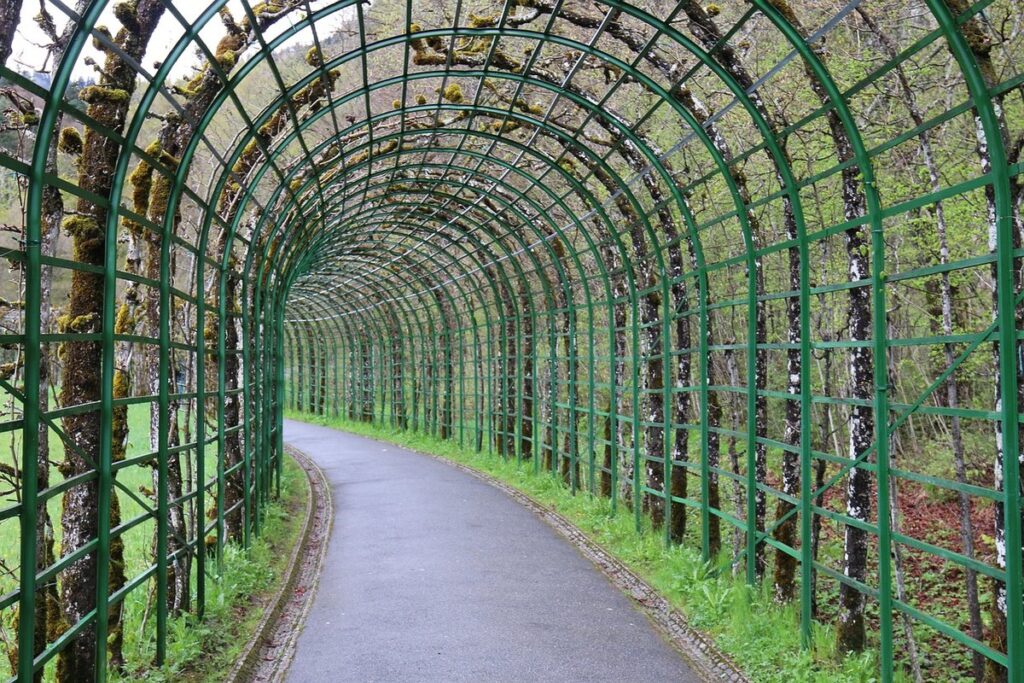
Consider adding trellises or arbors to provide support for climbing plants like peas, beans, or clematis. These structures can also add aesthetic value to your garden. For more elaborate designs, incorporate a mix of levels and layers to create a visually appealing space.
Remember to involve your local climate and soil conditions when choosing the materials and design for your raised beds and other features. With proper construction and planning, these elements will become integral components of your garden’s success.
Irrigation and Maintenance Systems
Now that you have a solid plan for your garden, let’s focus on the logistics of keeping it thriving. We’ll cover irrigation systems and maintenance schedules to keep your plants happy and healthy.
Designing an Efficient Watering System
When it comes to watering your garden, an efficient irrigation system is crucial for optimal plant growth and water conservation. There are two primary types of irrigation systems: drip irrigation and sprinkler systems.
Drip irrigation delivers water directly to the roots of plants through a network of tubing and drippers. This method is highly effective as it minimizes evaporation and runoff, ensuring that every drop reaches its intended destination. Drip irrigation also saves up to 50% of water compared to traditional overhead sprinklers. It’s ideal for gardens with multiple layers or slopes where water can easily run off.
On the other hand, sprinkler systems use a network of pipes and sprayers to distribute water evenly across the garden bed. These systems are more suitable for large areas or lawns. However, they tend to waste more water due to evaporation and overspray. To get the most out of your sprinkler system, consider investing in smart irrigation controllers that adjust watering schedules based on weather forecasts.
When choosing an irrigation system, consider factors like garden layout, plant types, and local climate conditions.
Establishing a Regular Maintenance Routine
When planning a garden layout, it’s easy to get caught up in the excitement of designing and planting. However, neglecting regular maintenance can lead to struggling plants, decreased yields, and an overall unhealthy garden. To ensure your garden thrives for years to come, establish a routine that includes essential tasks like pruning, weeding, and fertilizing.
Pruning is crucial for maintaining plant shape, promoting healthy growth, and encouraging fruiting. Remove dead or damaged branches to prevent disease and pests from spreading. Prune plants at the right time: spring for deciduous shrubs and trees, summer for flowering perennials, and fall for broadleaf evergreens. Make clean cuts using sharp tools, and consider pruning shears or loppers for larger branches.
Regular weeding is also vital to prevent competition for nutrients and water between your desired plants and unwanted weeds. Set aside time each week to remove weeds by hand or with a tool like a hoe. Don’t forget to mulch around plants to suppress weed growth and retain moisture. Fertilizing, typically done seasonally, replenishes soil nutrients depleted during the growing process.
Some gardeners find it helpful to break maintenance tasks into smaller chunks, allocating specific days for pruning, weeding, and fertilizing. Alternatively, incorporate these activities into your daily or weekly routine, such as tidying up while watering or inspecting plants before a rainstorm. By committing to regular maintenance, you’ll enjoy a thriving garden that rewards your efforts with beauty, freshness, and flavor.
Implementation and Ongoing Evaluation
Now that you’ve finalized your garden layout plan, it’s time to bring it to life! This next step involves putting your design into action, starting with preparation and regular assessment of its success.
Executing Your Garden Design
Once you’ve finalized your garden design plan, it’s time to bring it to life. Executing your design involves several key steps that will ensure a smooth and successful implementation process. Start by gathering all the necessary materials and tools, including plants, soil, compost, irrigation systems, and any other features you’ve included in your plan.
Next, divide your garden into manageable sections, focusing on one area at a time to avoid feeling overwhelmed. Begin with the foundation elements, such as installing any hardscaping (patios, walkways, retaining walls), followed by the soil preparation and planting of plants and trees. Don’t forget to consider the irrigation system, mulching, and other essential details that will bring your design to life.
As you work through each section, maintain a clear record of your progress, including photos and notes on any challenges or successes. This will help you identify areas for improvement and refine your garden’s performance over time. With patience and attention to detail, you’ll be enjoying the fruits of your labor in no time.
Monitoring Progress and Making Adjustments as Needed
As you embark on implementing your garden layout, it’s essential to regularly monitor progress and make adjustments as needed. This is where flexibility and adaptability come into play – after all, gardens are living, breathing spaces that evolve over time.
To track progress, schedule regular check-ins with yourself (weekly or bi-weekly) to assess the effectiveness of your design. Take note of what’s working well and what areas need improvement. Consider creating a garden journal to record observations, weather patterns, and any challenges you encounter.
Be prepared to adapt to changing conditions – unexpected rainfall, pests, or diseases can quickly impact your garden’s success. For example, if you notice that certain plants are struggling due to inadequate sunlight, adjust the layout to provide more shade for those areas. Similarly, if you find that a particular section is prone to waterlogging, revise the drainage system to ensure better soil health.
As preferences and needs change over time (e.g., you might want to create a seating area or a children’s play zone), don’t be afraid to refine your garden layout accordingly. Remember, gardening is an iterative process – it’s okay to make changes along the way. By embracing flexibility and continuous evaluation, you’ll cultivate a thriving, beautiful garden that meets your evolving needs.
Frequently Asked Questions
What if I have a small yard, can I still create a functional garden layout?
A well-designed garden layout is not limited to large yards. Even with a small space, you can optimize your area by choosing compact plants, using vertical gardening techniques, and selecting a mix of flowering and foliage plants for visual appeal.
How do I decide which areas of my yard receive sufficient sunlight for specific plants?
When deciding on plant placement, consider the sun’s path throughout the day. Measure the amount of direct sunlight each area receives during peak hours (usually between 9 am and 3 pm). This will help you choose plants that thrive in those conditions.
What if I have uneven or sloping land? Can I still create a beautiful garden layout?
Yes, uneven or sloping land can be challenging but not insurmountable. Consider using raised beds or tiered planters to level out your space and improve drainage. This will allow you to utilize the entire area while maintaining accessibility.
Are there any specific plants that are resistant to common pests and diseases in my region?
Yes, many plants have natural resistance to pests and diseases. Research regional-specific plants that have demonstrated resilience against prevalent issues. Integrate these into your garden design for reduced maintenance and healthier plants.
Can I reuse existing materials from my yard or nearby spaces when building garden features like raised beds?
Repurpose materials whenever possible! Consider reusing wood, stones, or bricks to build raised beds, paths, or other garden elements. This eco-friendly approach can save you money and reduce waste while adding a personal touch to your design.