
Creating a garden that’s teeming with life is a beautiful thing, but did you know that even the shadiest spots can be a haven for pollinators? It’s true! Many plants thrive in partial to full shade conditions, and by incorporating them into your landscape, you’re not only supporting local ecosystems but also attracting bees, butterflies, and other beneficial insects. But where do you start? Choosing the right shade pollinator plants can seem overwhelming, especially with so many options available. In this article, we’ll break it down for you, covering the benefits of incorporating these plants into your garden, how to select the best varieties, and common issues to watch out for. By the end of it, you’ll be well on your way to creating a thriving shade garden that’s a haven for pollinators.
What Are Shade Pollinator Plants?
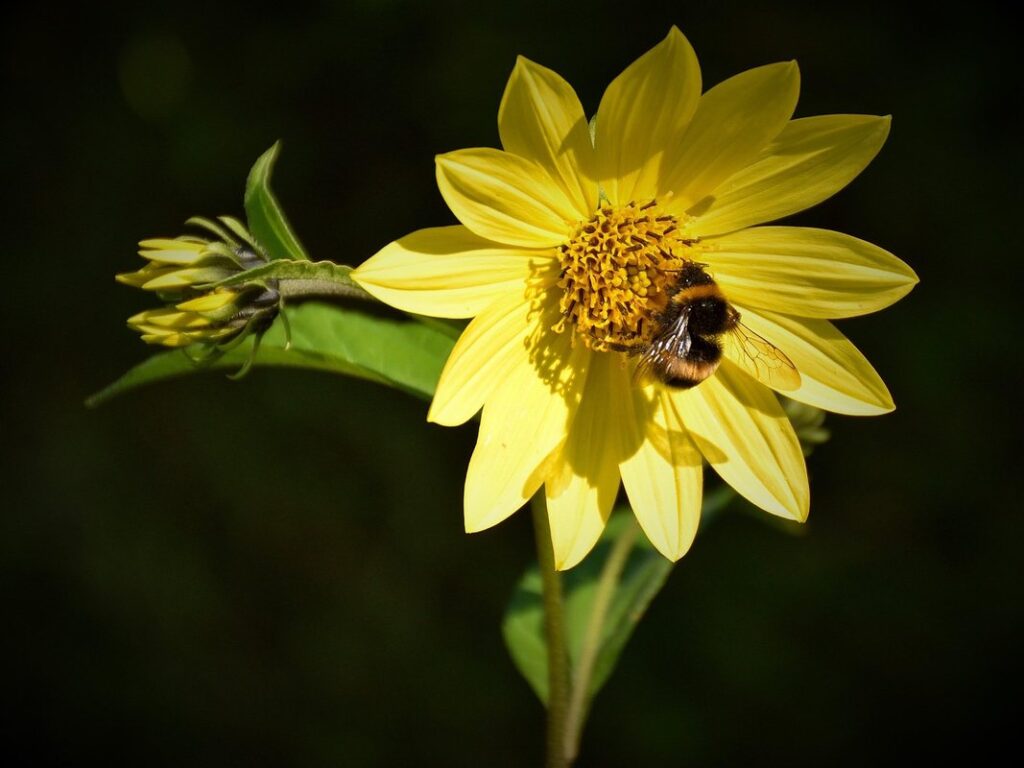
Shade pollinator plants are a vital part of any thriving garden, providing much-needed sustenance for bees and butterflies on cloudy days. They come in a variety of shapes and sizes.
Benefits of Planting Shade Pollinators
By planting shade pollinator plants in your garden, you’re not only creating a haven for beneficial wildlife, but also contributing to the overall health and resilience of local ecosystems. These plants support the delicate balance of nature by providing sustenance, shelter, and habitat for pollinators.
Attracting a diverse range of pollinators is crucial for the reproduction of many plant species. Shade pollinator plants, such as impatiens and coleus, offer nectar-rich flowers that provide essential fuel for these vital creatures. By incorporating these plants into your garden, you’ll be supporting the local pollinator population.
The benefits extend beyond just pollinators, too. Many shade-loving plants also serve as a food source for birds and small mammals, while others provide habitat for beneficial insects like ladybugs and lacewings. For instance, hostas offer sheltered spots for beneficial insects to lay their eggs and escape predators.
By creating a diverse and thriving garden, you’ll be supporting the local ecosystem in ways that have a ripple effect throughout nature.
Characteristics of Shade-Preferring Plants
Shade-preferring plants are more than just a few scattered species; they’re a diverse group of native and non-native plants that have adapted to live without direct sunlight. When choosing shade pollinator plants, look for those with characteristics like deep green leaves or thick, waxy stems that help them conserve water and survive in low-light conditions.
Native species, such as wild geraniums (Geranium maculatum) and foamflowers (Tiarella cordifolia), have unique adaptations that make them thrive in shaded areas. Their roots are often deeper than non-native plants’, allowing them to tap into underground water sources and avoid competition for light. Some shade-preferring plants, like woodland phlox (Phlox divaricata), even produce smaller flowers, but with a higher concentration of nectar to attract pollinators.
When selecting shade-preferring plants, consider the amount of shade your garden receives and choose varieties that fit within those conditions. For example, if you have partial shade, select plants like astilbe (Astilbe spp.) or bleeding heart (Dicentra spectabilis), which can tolerate some sunlight but will also thrive in shadier areas.
Choosing the Right Plants for Your Shade Garden
When selecting plants for your shade garden, it’s essential to choose species that not only tolerate low light but also provide a valuable source of nectar and pollen for pollinators. This selection process requires some care, however.
Considerations for Selecting Pollinator-Friendly Plants
When selecting pollinator-friendly plants for your shade garden, there are several key factors to consider. First and foremost, make sure to choose plants that thrive in your specific plant hardiness zone. This will ensure that the plants you select can withstand the local climate conditions and survive winter months.
Next, pay attention to sunlight requirements. While we’re focusing on shade gardens, it’s essential to note that some plants still require partial sun or filtered light. Check the specific needs of each plant variety to avoid disappointment. Mature plant size is also crucial, as you’ll want to leave enough space for the plants to grow and spread without overcrowding.
Consider the mature plant size, soil type, and moisture levels required by each plant. Some shade-loving plants, such as impatiens and coleus, have relatively small mature sizes, while others like hydrangea and holly can become quite large. Also, be mindful of the plants’ water requirements to ensure they receive adequate moisture without becoming too wet or dry.
When selecting pollinator-friendly plants, remember that some species may require more maintenance than others. Be sure to choose a mix of plants with different growth habits and needs to create a thriving and diverse garden ecosystem.
Native and Non-Native Options for Shade Gardens
When selecting plants for your shade garden, you’ll often come across two main categories: native and non-native options. While both can bring beauty and life to your space, it’s essential to understand their benefits and potential drawbacks.
Native plants, those that are naturally found in your region, offer a range of advantages. They require less maintenance, as they’re adapted to local climate conditions and can tolerate pests and diseases more effectively. Native plants also provide a food source for native pollinators, like bees and butterflies, which is crucial for their survival. For example, the Bee Balm (Monarda didyma) is a native plant that attracts hummingbirds and butterflies, while also repelling pests.
Non-native options, on the other hand, can still thrive in shade gardens but may require more care. They often need additional watering, fertilizing, or pruning to maintain their health. However, some non-native plants, like the Hellebores (Christmas Roses), are popular for their evergreen foliage and ability to bloom in late winter, adding a welcome splash of color to your garden during the dormant season.
When choosing between native and non-native options, consider your region’s specific climate and soil conditions. Assess which plants will require the least maintenance and provide the most benefits for local pollinators. By doing so, you’ll create a thriving shade garden that not only brings joy but also contributes to the well-being of the environment.
Planting and Maintenance Tips
Now that you’ve chosen your shade pollinator plants, it’s time to learn how to plant and care for them so they thrive in your garden. Let’s dive into some essential planting and maintenance tips.
Preparing the Soil for Your Shade Garden
Before planting shade pollinator-friendly plants, it’s essential to prepare the soil. This involves removing weeds, adding organic matter, and adjusting pH levels to create an environment conducive to plant growth.
Start by clearing the area of weeds, which can compete with your new plants for water and nutrients. Use a tool like a hoe or a weeding fork to carefully remove weeds without damaging the surrounding soil. You can also use mulch or cardboard to suppress weed growth in areas where you don’t want weeds to grow.
Next, add organic matter such as compost or well-rotted manure to improve soil structure and fertility. This will not only help your plants absorb nutrients but also retain moisture and support beneficial microorganisms. Aim for a 2-inch layer of compost spread evenly across the garden bed.
Finally, test the pH level of your soil using a soil testing kit. Most shade pollinator plants prefer slightly acidic to neutral soils with a pH between 6.0 and 7.5. If necessary, add lime or sulfur to adjust the pH accordingly.
Watering and Mulching Techniques
When it comes to creating a thriving shade pollinator garden, proper watering and mulching techniques are crucial for promoting healthy plant growth and preventing diseases. In shaded environments, plants tend to grow more slowly, making them more susceptible to moisture-related issues.
To ensure your shade pollinators receive the right amount of water, start by checking the soil moisture regularly using a finger test or a moisture meter. Water only when the top 2-3 inches of soil feel dry to the touch, and avoid overhead watering which can lead to fungal diseases. Instead, use a soaker hose or a drip irrigation system that delivers water directly to the roots.
In addition to proper watering, mulching is essential for maintaining soil temperature and preventing moisture loss. Organic mulch options like wood chips, bark, or leaves are ideal for shade gardens as they regulate soil temperature and retain moisture. Apply 2-3 inches of mulch around each plant, keeping it a few inches away from the stem to prevent rot. Regularly replenish the mulch layer to maintain its effectiveness. By implementing these watering and mulching techniques, you’ll be well on your way to creating a thriving shade pollinator garden that attracts beneficial insects while minimizing maintenance needs.
Designing a Pollinator-Friendly Shade Garden
When designing a pollinator-friendly shade garden, it’s essential to choose plants that attract beneficial insects while tolerating low light conditions. Let’s explore some expert tips for creating a thriving shaded oasis.
Creating a Diverse Plant Palette
When creating a diverse plant palette for your shade garden, it’s essential to consider the needs of various pollinators. A balanced mix of plants that provide nectar, pollen, and shelter will attract a wide range of bees, butterflies, and hummingbirds. For example, include a variety of flowers with different bloom times to ensure a constant source of food for pollinators throughout the growing season.
Some essential plant groups to incorporate into your shade garden are:
• Lilies (Asparagus spp.) and daylilies (Hemerocallis spp.), which provide long-lasting nectar sources
• Hellebores, which attract early-season pollinators like bees and butterflies with their nodding, bell-shaped flowers
• Fuchsias, which offer a rich source of pollen for hummingbirds
When selecting plants, consider factors such as plant size, growth habits, and bloom times to create a visually appealing and functionally diverse garden. Aim to include at least 50% native species to provide a natural habitat for local pollinators. By creating a diverse plant palette that caters to the needs of various pollinators, you’ll attract a wider range of beneficial wildlife to your shade garden.
Incorporating Other Pollinator-Friendly Features
When designing a pollinator-friendly shade garden, it’s not just about selecting the right plants – it’s also about creating an ecosystem that supports the entire pollinator community. One way to achieve this is by incorporating other features that complement your plant selection.
Consider adding a bee hotel to provide solitary bees with a safe place to nest and lay their eggs. These hotels can be made from natural materials like bamboo or straws, and come in various designs to suit different garden styles. For example, you could build a DIY bee hotel using an old log or a bundle of hollow reeds.
You might also think about installing birdhouses or nesting boxes for solitary wasps, which are often overlooked but play a vital role in pollination. Other features like composting areas can help create a nutrient-rich environment that benefits pollinators and other wildlife. Remember to position these features strategically within your garden, taking into account the needs of each species.
Troubleshooting Common Shade Garden Issues
Even the most well-planned shade garden can face unexpected challenges, and knowing how to troubleshoot common issues is crucial for success. Let’s tackle some of these obstacles together.
Dealing with Pests and Diseases
When growing shade pollinator plants, it’s not uncommon to encounter pests and diseases that can harm these delicate flowers. One of the most common pests affecting shade pollinators is aphids, which are small, soft-bodied insects that feed on plant sap. To identify aphids, look for curled or distorted leaves, as well as a sticky substance called honeydew that they produce.
To control aphid infestations, use neem oil or insecticidal soap, which can be applied directly to the affected plants. You can also introduce natural predators like ladybugs or lacewings, which feed on aphids.
Common diseases affecting shade pollinator plants include powdery mildew and leaf spot. Powdery mildew appears as a white, powdery coating on leaves, while leaf spot causes small, circular lesions. To control these diseases, remove any infected leaves, improve air circulation around the plants, and treat with fungicides like copper-based products.
For example, if you’re growing coral bells (Heuchera spp.), which are prone to powdery mildew, make sure to provide good air circulation by leaving enough space between plants. Regularly inspect your plants for signs of disease or pests, and take action promptly to prevent infestations from spreading.
Managing Weeds and Overgrowth in Your Shade Garden
Weeds and overgrown vegetation can quickly take over even the most well-intentioned shade garden. To maintain a healthy and thriving ecosystem, it’s essential to establish effective strategies for managing these unwanted plants. Regularly inspect your garden and remove weeds by hand or with a tool as soon as you spot them. This will prevent them from producing seeds and spreading their roots.
For more challenging areas, consider using mulch or groundcovers to suppress weed growth. Mulch can also help retain moisture in the soil and regulate soil temperature. When selecting a mulch, choose organic options like wood chips or bark that won’t harm beneficial pollinators. Regularly replenish the mulch as it breaks down.
To prevent overgrowth, prune your plants regularly, removing any dead or damaged foliage to promote healthy growth. This will also help maintain air circulation and reduce the risk of disease. Be mindful not to remove too much foliage at once, as this can shock the plant and lead to decline. By staying on top of weed management and pruning, you’ll be able to create a balanced and thriving shade garden that supports your pollinator plants.
Frequently Asked Questions
How do I know if my shade garden is getting enough sunlight for pollinator plants?
Before selecting shade pollinator plants, assess your garden’s light conditions to ensure you’re providing the right amount of light. Most shade-loving plants require at least 4-6 hours of indirect sunlight per day. Observe your garden during different times of day or use a sunlight meter to determine its light intensity.
Can I mix native and non-native pollinator-friendly plants in my shade garden?
Yes, it’s perfectly fine to combine native and non-native plants in your shade garden. However, prioritize native species as they’re better adapted to local conditions and more beneficial for the ecosystem. Introducing non-native plants can still be valuable, but ensure they don’t outcompete natives or cause unintended harm.
How often should I water my shade pollinator plants?
Water your shade pollinator plants when the top inch of soil feels dry to the touch. Avoid overwatering, which can lead to root rot and other issues in shaded areas with poor air circulation. Water deeply but infrequently to encourage deep root growth and make plants more resilient.
Can I use mulch around my pollinator-friendly plants in full shade?
Yes, using organic mulch like wood chips or bark can be beneficial for retaining moisture and suppressing weeds in your shade garden. Just keep the mulch layer thin (2-3 inches) to prevent overheating and ensure good air circulation around your plants.
What are some signs of pests or diseases affecting my shade pollinator plants?
Be aware of symptoms like yellowing leaves, black spots, or white powdery coatings on leaves. Regularly inspect your plants for these issues, especially during peak pest and disease seasons. If you notice any problems, take action promptly to prevent the spread and maintain a healthy ecosystem in your shade garden.