
Are you ready to transform your outdoor space into a breathtaking oasis? With the right design, your flower bed can become a stunning focal point that adds beauty and interest to your yard all year round. Choosing the perfect design for your flower bed is more than just selecting some pretty plants – it’s about creating a harmonious balance of form and function. But where do you start?
In this article, we’ll take you through the process of designing a beautiful flower bed that’s tailored to your style and preferences. We’ll explore classic border styles and modern succulent gardens, as well as provide expert tips on choosing the perfect location and selecting the right plants for year-round beauty. Whether you’re a seasoned gardener or just starting out, this guide will help you create a stunning flower bed that brings joy and serenity to your outdoor space.
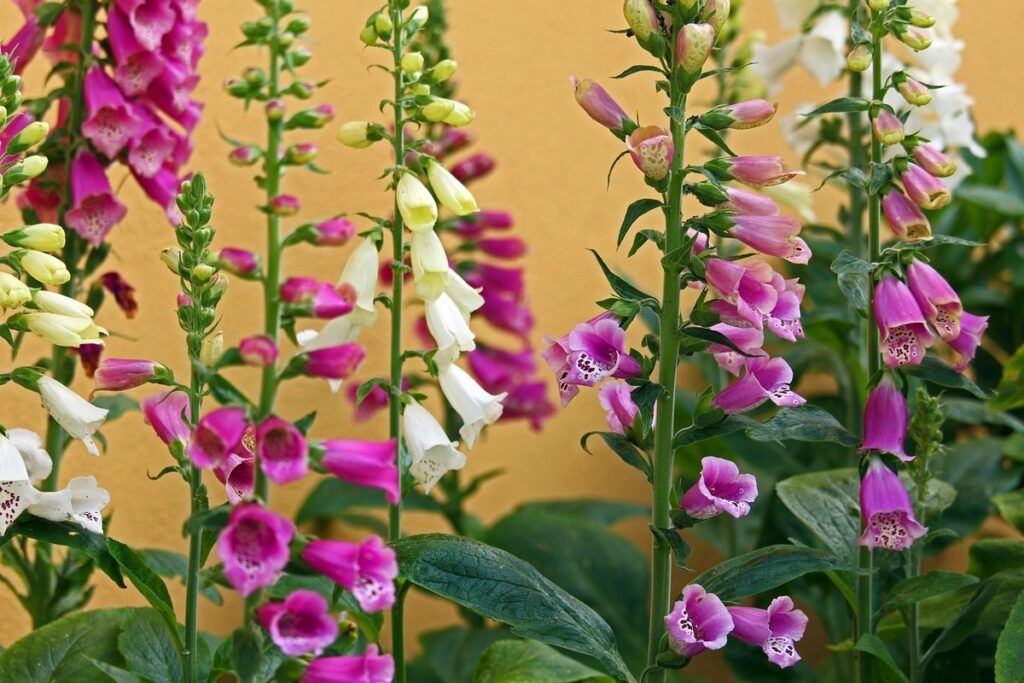
Choosing the Perfect Location
When it comes to designing beautiful flower beds, selecting the perfect location is crucial for showcasing your blooms and creating a stunning outdoor space that you’ll love spending time in. Consider factors like sunlight, drainage, and accessibility when choosing where to place your bed.
Considering Sunlight and Shading
When designing your flower bed, it’s essential to consider the amount of sunlight and shading your garden receives. Sunlight is crucial for most flowering plants as it promotes healthy growth and blooming. To determine the amount of sunlight your garden receives, observe your yard during different times of day. Note which areas receive direct sunlight (six hours or more) and which ones are shaded throughout the day.
A balanced mix of sunny and shaded areas in your flower bed is vital for a diverse and thriving plant collection. Create a sunny spot by placing plants like marigolds, zinnias, and sunflowers that require full sun. For shaded areas, incorporate plants such as impatiens, coleus, and ferns that thrive in partial shade or dappled sunlight.
To create visual interest, combine both sunny and shaded sections in your flower bed design. Consider a gradient effect by placing darker-colored plants near the shadiest area to create depth. This way, you can enjoy a vibrant display of colors while providing a suitable environment for various plant species.
Soil Selection and Preparation
When it comes to designing flower beds, one of the most critical factors to consider is soil quality. The right soil type can make all the difference in promoting healthy plant growth and ensuring that your flowers thrive. But what makes a good soil for flower beds?
First and foremost, you want a well-draining soil that allows excess water to pass through easily. Heavy clay soils or dense sandy soils can be detrimental to plant roots, causing them to rot and leading to poor growth. Look for a mix of topsoil, compost, and perlite or vermiculite to create a balanced and fertile soil blend.
When selecting the right soil type, consider the specific needs of your plants. For example, roses prefer slightly acidic soils with good drainage, while herbs thrive in well-draining sandy loams. Take the time to test your soil pH and adjust it accordingly to ensure optimal growing conditions for your flowers.
In addition to choosing the right soil mix, proper preparation is also essential. Start by removing any debris or weeds from the area, then dig about 8-10 inches deep to loosen the existing soil. Add a layer of compost or fertilizer to provide essential nutrients, and finally rake the soil smooth before planting. With these simple steps, you can create the perfect foundation for your flower beds to flourish.
Avoiding Common Pitfalls in Location Choice
When designing your flower bed, choosing the perfect location can make all the difference. However, many of us overlook some crucial factors that can impact our beautiful blooms. Let’s take a look at some common mistakes to avoid.
Ignoring drainage issues is a rookie mistake when it comes to selecting a location for your flower bed. Waterlogged soil can lead to root rot and kill off your plants. Make sure the area you choose drains well, or consider installing French drains or a rain barrel system to help with excess water.
Another important consideration is nearby power lines, trees, and other obstructions that may interfere with sunlight reaching your flowers. You don’t want to plant your favorite blooms only to have them shaded out by nearby branches. Consider the mature size of your plants and leave enough space for them to grow without being cramped or overshadowed.
It’s also essential to choose a spot that receives the right amount of sunlight for your specific flower bed design. Some flowers thrive in full sun, while others prefer partial shade. Don’t forget about wind direction – a location that catches every breeze can be detrimental to your delicate blooms. Take note of these factors and plan accordingly to ensure your flower bed is a thriving success.
Classic Flower Bed Designs
For a timeless look, consider classic flower bed designs that have stood the test of time, featuring traditional blooms and elegant arrangements. These styles are perfect for a vintage-inspired garden.
The Traditional Border Design
The classic border design is a timeless choice for flower beds, offering a sense of sophistication and elegance. This design features a linear arrangement of plants, which can be arranged in a symmetrical or asymmetrical pattern, depending on the desired look. To create a traditional border, start by choosing plants with varying heights, textures, and colors to add depth and visual interest.
When incorporating hedges or shrubs into your border design, consider their mature size to ensure they won’t overgrow the surrounding plants. For example, boxwood or yew topiaries can provide a clean, geometric shape, while flowering shrubs like hydrangea or lavender can add a pop of color. To add some visual movement to your border, incorporate a mix of annuals and perennials, which will bloom at different times to create a dynamic display.
By using plants with varying growth habits and textures, you can create a visually appealing border that complements the surrounding landscape.
Circular and Spiral Designs
Circular designs can add visual interest to your flower bed by creating a sense of harmony and balance. This type of design often features plants arranged in a continuous circle, with each bloom facing inward. A good example is the “English Cottage” style, where roses, lavender, and other flowering shrubs are planted in a circular pattern around a central feature like a fountain or bench.
Spiral designs, on the other hand, can create a dynamic, flowing effect by leading the eye through a series of connected curves. A spiral design might be created using plants with varying heights and growth habits, such as a tall coneflower at one end, gradually decreasing to shorter plants like creeping thyme or sedum.
Some popular plants for circular and spiral designs include:
• Roses (floribunda and shrub varieties)
• Lavender
• Hydrangea
• Daylily
• Coneflower
• Creeping thyme
When designing a circular or spiral flower bed, remember to consider the mature size of each plant and leave enough space for growth. You can also mix and match plants with different textures and foliage colors to create visual interest throughout the seasons.
Seasonal Rotation for Year-Round Interest
Rotating plants seasonally is essential to maintaining year-round interest in your flower bed. This simple yet effective technique ensures that your garden remains visually appealing and engaging throughout the changing seasons.
To achieve this, plan ahead by grouping plants into categories based on their growth habits and blooming periods. For example, you can have a spring-blooming section featuring tulips and daffodils, followed by a summer-performing area with vibrant annuals like zinnias and marigolds. Come autumn, switch to mums, asters, or chrysanthemums that thrive in cooler temperatures.
Incorporating evergreen plants is another smart strategy for year-round interest. These low-maintenance options provide structural beauty while maintaining a green appearance even during periods of dormancy. Conifers and shrubs like boxwood are excellent choices, as they retain their foliage throughout the seasons and offer a beautiful backdrop for seasonal blooms.
Don’t forget to include some hardy bulbs that bloom in unexpected seasons. Crocuses and snowdrops, for instance, can brighten up the late winter landscape while waiting for warmer temperatures to arrive. By incorporating these techniques into your flower bed design, you’ll create a visually stunning display of color and texture that changes with the seasons but never falls short on interest.
Modern Flower Bed Ideas
Want a modern twist on your flower bed design? In this section, we’ll explore fresh and trendy ideas to elevate your outdoor space.
Unconventional Materials and Shapes
When it comes to modern flower bed ideas, it’s time to think outside the box – literally. Consider using unconventional materials like reclaimed wood, metal, or even repurposed containers to create a one-of-a-kind design that adds visual interest and character to your outdoor space.
One way to incorporate reclaimed wood is by creating a circular or hexagonal-shaped flower bed. Not only will this unique shape add visual appeal, but it also breaks up the traditional rectangular layout of most garden beds. For example, imagine a reclaimed wooden pallet turned into a circular planter with a vibrant mix of flowers and greenery spilling over its edges.
You can also use metal to create a statement piece in your flower bed. Galvanized tubs or vintage planters add an industrial touch that pairs well with modern homes. Simply paint or leave the metal as-is, then fill it with colorful blooms for a striking display. When choosing unconventional materials and shapes, remember to consider drainage and maintenance needs to ensure your design remains beautiful over time.
Succulent and Cactus Gardens
Succulent and cactus gardens are perfect for hot, sunny spots that receive plenty of direct sunlight. Not only do they require minimal watering and maintenance, but their unique shapes and colors add visual interest to the garden. To create a thriving succulent and cactus garden, start by selecting a variety of plants that suit your local climate.
For example, if you live in an area with extreme heat, choose species like Echeveria or Sedum that can tolerate temperatures above 100°F (38°C). If you have limited space, consider using compact varieties such as Mammillaria or Rebutia. When designing the garden, group plants by their watering needs to ensure efficient maintenance.
To enhance the aesthetic appeal of your succulent and cactus garden, incorporate decorative elements like smooth rocks, gravel, or sand. These materials not only add texture but also help with drainage, preventing waterlogged soil that can harm these drought-tolerant plants. Additionally, use a shallow planter box to minimize watering needs and prevent roots from becoming waterlogged.
By following these tips and choosing the right plants for your climate, you can create a stunning succulent and cactus garden that requires minimal maintenance but brings plenty of visual interest to your outdoor space.
Incorporating Water Features
Adding a small pond, fountain, or other water feature to your flower bed can elevate its beauty and tranquility to new heights. These elements not only create a soothing atmosphere but also attract wildlife, such as birds and butterflies, which can add visual interest to your garden.
When selecting a water feature, consider the size of your flower bed and the style you’re aiming for. A small pond or fountain can be a great option for a compact space, while a larger water feature might be better suited for a larger area. For instance, a koi pond can add a sense of drama to a Japanese-inspired garden.
To create a harmonious balance between your water feature and flower bed, choose plants that thrive in moist conditions or near water, such as lilies or irises. Avoid planting delicate flowers too close to the water’s edge to prevent damage from splashing water or potential root rot. By incorporating a water feature thoughtfully, you can turn your flower bed into a serene oasis that invites relaxation and contemplation.
Small Space Solutions
If you’re working with a small yard, don’t worry – we’ve got you covered. We’ll show you how to create beautiful flower beds that thrive in tight spaces.
Vertical Gardening Options
When it comes to small spaces, utilizing vertical gardening options can be a game-changer. By making the most of your walls and corners, you can create lush, thriving gardens without sacrificing floor space.
One popular way to go vertical is with trellises. These freestanding structures support climbing plants like clematis or roses, allowing them to twine their way up towards the sky. Not only do they add a decorative element, but they also provide shade and structure for your garden. When choosing a trellis, consider the mature size of your plants and select one that’s sturdy enough to support their weight.
Another option is arbors, which can serve as both a trellis and a walkway or seating area. Imagine strolling through a fragrant rose arbor on a warm summer evening – it’s the perfect way to enjoy your garden. To incorporate an arbor into your design, consider its placement carefully and choose plants that will spill over its edges for maximum visual impact.
Wall-mounted planters are also a great option for small spaces. These can be made from a variety of materials, including wood, metal, or even recycled plastic. They’re perfect for adding pops of color or greenery to blank walls, and many come with built-in irrigation systems for low-maintenance care. When selecting wall-mounted planters, think about the style of your home and choose ones that complement its aesthetic.
Compact Plant Selections
When working with limited space, it’s essential to choose compact plants that thrive in small areas. For shrubs, consider varieties like the Dwarf Korean Lilac or the Japanese Garden Juniper, which grow up to 3-4 feet tall and wide. These shrubs provide year-round interest with their foliage and flowers.
Perennials are another great option for small spaces. Look for compact varieties of plants like daylilies, coneflowers, and black-eyed susans. They come back year after year and require minimal maintenance. For example, the ‘Minima’ variety of daylily grows to be around 12-18 inches tall and wide.
Annuals can also add color and vibrancy to your small space flower bed. Compact annuals like petunias, impatiens, and coleus are perfect for containers or hanging baskets. They bloom throughout the growing season and come in a variety of colors. Choose compact varieties to avoid overcrowding your space. Some popular compact annuals include ‘Purple Fountain’ petunia and ‘Rainbow’ coleus.
When selecting compact plants, remember to check the mature size to ensure they fit within your designated space. This will prevent overcrowding and allow for proper air circulation, which is essential for healthy plant growth.
Maximizing Corner Spaces
When designing flower beds, it’s easy to overlook the often-wasted potential of corner spaces. These areas can add visual interest and functionality to your garden, but they require a little creativity to make the most of them.
Consider using narrow or angular planters specifically designed for corners. These can be easily attached to walls or placed in tight spaces, making the most of every inch. You could also use built-in planters or recessed areas that create a seamless look and provide ample space for plants to grow.
Another idea is to make use of vertical gardening techniques, such as trellises or obelisks, which can be placed in corners to add height and visual interest. This not only maximizes the space but also creates a dramatic effect when combined with flowering vines or climbing plants.
To create a cohesive look, choose plants that have similar growing conditions and requirements. This will ensure that your corner space remains healthy and thriving throughout the seasons. By incorporating these simple tips into your flower bed design, you can unlock the full potential of even the most neglected areas in your garden.
Edible Flower Bed Ideas
Turn your garden into a gourmet haven by incorporating edible flowers and herbs into your design, adding flavor and visual appeal to your outdoor space. Consider these creative bed ideas that will make you want to dig in!
Incorporating Fruit Trees and Shrubs
When incorporating fruit trees and shrubs into your edible flower bed design, it’s essential to choose varieties that thrive in your specific climate. Start by selecting fruit trees that are compact or dwarf varieties, such as apple, cherry, or orange trees, which can be easily integrated into a small garden space. Consider the mature size of the tree and leave enough room for proper growth.
For shrubs, opt for varieties like blueberries, strawberries, or currants, which are perfect for containers or borders. These shrubs produce fruit in as little as six months and require minimal maintenance. When choosing fruit trees and shrubs, ensure they receive at least six hours of direct sunlight per day and have good air circulation to prevent disease.
Remember to research the specific growing requirements for your chosen plants, including soil pH and watering needs. By carefully selecting fruit trees and shrubs that suit your climate and incorporating them into your edible flower bed design, you can enjoy a bountiful harvest while adding visual interest to your garden space.
Companion Planting Strategies
Companion planting is a wonderful strategy to incorporate into your edible flower bed design. By strategically pairing plants together, you can enhance their growth, flavor, and even repel pests. This technique has been used for centuries by gardeners and farmers to create thriving ecosystems.
Take the classic combination of marigolds and tomatoes. Marigolds repel nematodes that can harm tomato roots, while also attracting beneficial insects like ladybugs and lacewings that prey on aphids and whiteflies. Planting basil with mint or lemon balm can add a burst of fresh flavor to your edible flowers, while also improving their growth rates.
Consider pairing zinnias with corn to attract beneficial pollinators and repel the corn earworm moth. This synergy is not limited to visual appeal; companion planting can even boost the nutritional value of your crops. For instance, growing parsley with carrots enhances carotenoid levels in the carrots, making them more nutritious for consumption.
To implement these strategies effectively, research which plants complement each other’s growth patterns and pest repellant properties. Choose a mix of annuals and perennials to ensure year-round blooms and interest.
Creating a Pollinator-Friendly Garden
As you design your edible flower bed, consider creating a pollinator-friendly garden to attract beneficial insects like bees and butterflies. Pollinators play a crucial role in the reproduction of plants, and their populations are declining due to habitat loss and pesticide use.
To create a welcoming environment for these vital creatures, plant a variety of flowers that provide nectar and pollen, such as sunflowers, lavender, coneflowers, and zinnias. Incorporate native plants, which are more likely to attract local pollinators. Consider using a mix of annuals and perennials to ensure a constant source of food throughout the growing season.
When selecting plants, choose those that bloom at different times to provide a steady supply of nectar. Also, avoid using pesticides, as they can harm or kill beneficial insects. Instead, adopt integrated pest management techniques, such as hand-picking pests or introducing beneficial nematodes to control weeds. By creating a pollinator-friendly garden, you’ll not only attract these vital creatures but also enhance the overall health and biodiversity of your edible flower bed.
Maintenance and Care Tips
To keep your beautiful flower beds thriving all season long, make sure to check out these essential maintenance and care tips below.
Watering and Fertilization Strategies
When it comes to designing flower beds, maintaining them is just as crucial as the initial design. Effective watering and fertilization strategies can make all the difference between a thriving garden and one that’s struggling to stay alive.
First, let’s talk about watering. Overwatering is one of the most common mistakes people make when caring for their flower beds. This can lead to root rot, fungal diseases, and a host of other problems. So how do you avoid this? Start by checking the soil moisture regularly. Stick your finger into the soil up to the knuckle, and if it feels dry, it’s time to water. Water in the morning or early evening, so the plants have the entire night to absorb the water.
In terms of fertilization, choose a balanced fertilizer that contains nitrogen, phosphorus, and potassium (NPK). Apply it according to the manufacturer’s instructions, usually once a month during peak growing seasons. You can also use organic matter like compost or manure to create a nutrient-rich soil without harming the environment.
To reduce waste and conserve resources, consider installing a drip irrigation system. This delivers water directly to the roots of each plant, reducing evaporation and runoff. Another option is to collect rainwater in a barrel and use it for watering your garden. These simple strategies can make a huge difference in the health and beauty of your flower bed over time.
Pruning and Weeding Techniques
Proper pruning and weeding are crucial to maintaining the beauty and health of your flower bed. Regular maintenance not only keeps your plants looking their best but also promotes healthy growth and prevents pests and diseases from taking hold.
In warmer months, focus on deadheading – removing spent blooms – to encourage repeat flowering and prevent seed production. For woody plants like shrubs and perennials, prune in late winter or early spring when dormant to shape and control size. Remove any dead or damaged branches, cutting at a 45-degree angle just above a growth node.
In the fall, clear away weeds that have gone to seed to prevent them from spreading and competing with your desired plants. Cut back perennials to about three inches from the ground to protect against winter damage. In the spring, begin weeding again as new growth emerges, taking care not to disturb young roots. Keep in mind that it’s essential to remove weeds before they produce seeds, as this will prevent them from spreading and make maintenance easier.
To avoid over-pruning, remember to check plant tags or consult a gardening expert for specific guidance on the best pruning techniques for your particular plants.
Frequently Asked Questions
What if I have limited space, but still want to create a beautiful flower bed?
Consider using vertical gardening options or compact plant selections to make the most of your available space. You can also incorporate fruit trees and shrubs to add visual interest while maximizing your garden’s productivity.
How do I choose plants for year-round beauty in my climate?
When selecting plants, consider factors like seasonal rotation and companion planting strategies to ensure a continuous display of blooms throughout the growing season. Don’t forget to incorporate pollinator-friendly plants to attract beneficial wildlife to your garden.
Can I use unconventional materials and shapes in my flower bed design?
Yes! Incorporating non-traditional elements can add visual interest and personality to your garden. Just be mindful of drainage and accessibility when choosing materials and shapes that may not follow the conventional border design.
What are some tips for maintenance and care to keep my flower bed looking its best?
Regular watering and fertilization strategies, along with pruning and weeding techniques, will go a long way in maintaining your garden’s health. Don’t forget to monitor your plants’ specific needs and adjust your care routine accordingly.
How do I incorporate water features into my flower bed design without disrupting the balance of form and function?
Consider using small-scale water features like birdbaths or shallow fountains that won’t compete with your plant selection for attention. Be mindful of drainage and accessibility when incorporating water elements to ensure a harmonious balance in your garden design.