
If you’re like many gardeners in zone 5, you’ve probably struggled to find plants that can thrive in shady areas. Shade perennials are just as beautiful and low-maintenance as their sun-loving counterparts, but they often get overlooked. However, with a little bit of knowledge and the right selection, you can create a stunning shade garden that brings life and color to your outdoor space all year round.
In this article, we’ll take you through the process of choosing and caring for shade-tolerant perennials in zone 5. We’ll cover essential planting tips, including how to prepare the soil and when to plant for optimal results. We’ll also provide seasonal maintenance advice to ensure your plants stay healthy and look their best throughout the growing season.
Understanding Zone 5 and Shade Requirements
To ensure you’re selecting shade perennials that thrive in your specific climate, let’s break down what Zone 5 requires for optimal growth. We’ll explore the unique needs of shade plants in this region.
Defining Zone 5 Climate and Soil Conditions
Zone 5 has a continental climate with cold winters and warm summers. Gardeners in this zone must be prepared for extreme temperature fluctuations, with average winter lows around 0°F (-18°C) and summer highs often reaching the mid-80s (29°C). The region experiences moderate humidity levels, but precipitation can vary significantly from year to year.
Soil conditions in Zone 5 are generally characterized by well-draining loams and sandy soils. However, areas near large bodies of water or in low-lying spots may have heavier clay soils that retain moisture. This can lead to root rot and other issues if perennials aren’t chosen with care.
When selecting shade perennials for Zone 5 gardens, consider the unique challenges presented by these climate and soil conditions. Hardy plants like astilbe, hostas, and hellebores thrive in shaded areas, while more sensitive varieties may struggle to survive. Choose species adapted to your specific zone’s temperature fluctuations and soil types to ensure success in your shade garden.
Identifying the Right Amount of Shade for Perennials
When selecting perennials for your garden, it’s essential to consider their specific light requirements. In Zone 5, shade can be a significant factor in determining the success of your plants. So, what constitutes “shade” in a garden context? Simply put, shade refers to any area that receives direct sunlight for fewer than six hours a day.
In reality, most gardens don’t fall into one of two categories: full sun or deep shade. Instead, they often exist on a spectrum between these two extremes. Partial shade, which is defined as receiving 4-6 hours of direct sunlight per day, can be particularly challenging for gardeners in Zone 5.
To determine the right amount of shade for your perennials, start by observing how much light your garden receives during different times of day. Look at the specific sun patterns and adjust your planting decisions accordingly. For example, if you have a south-facing wall that receives intense sunlight, choose perennials that can tolerate or even benefit from full sun.
Some examples of shade-tolerant perennials for Zone 5 include hostas, astilbe, and ferns. These plants thrive in partial to deep shade conditions and require minimal maintenance. Conversely, if your garden is heavily shaded, consider planting trees or shrubs that provide filtered sunlight during the growing season.
Key Considerations for Planting Perennials in Zone 5
When planting perennials in Zone 5 with shade requirements, there are several key considerations to keep in mind. First and foremost, you’ll want to focus on plants that are hardy enough to withstand the region’s cold winters and hot summers. This means choosing varieties that have a mature height of at least 3-4 feet to provide sufficient foliage density for shade.
Disease resistance is also crucial in Zone 5, where moisture can be a major issue. Look for perennials with built-in immunity or those that are resistant to common diseases such as powdery mildew and leaf spot. Consider plants like astilbe, coral bells, and hostas, which have natural defenses against disease.
In addition to hardiness and disease resistance, winter hardiness is essential in Zone 5. Choose perennials with a USDA Hardiness Zone rating of at least 4-5 to ensure they can withstand the region’s cold temperatures. Some excellent options include bleeding heart, lungwort, and foamflower, which all thrive in partial shade and have demonstrated resilience against harsh winters.
Choosing Shade-Tolerant Perennials for Zone 5
When it comes to selecting perennials for shade in zone 5, finding the right options can be overwhelming. This is where shade-tolerant perennials come into play, offering vibrant color and beauty even in low-light areas.
Deciduous Perennials for Full Sun to Partial Shade
When it comes to choosing shade-tolerant perennials for Zone 5, don’t overlook deciduous options that can thrive in full sun to partial shade conditions. These plants offer a wonderful mix of flowering and foliage interest, making them perfect for adding visual appeal to your garden.
Consider planting coneflowers (Echinacea spp.) which come in a variety of species, such as the popular ‘Mango Sundae’ or ‘Cheyenne Spirit’. These perennials produce large, showy flowers that attract pollinators and add a pop of color to your landscape. They prefer well-draining soil and full sun to partial shade, making them an excellent choice for Zone 5 gardens.
Black-eyed Susans (Rudbeckia hirta) are another great option for full sun to partial shade conditions. These daisy-like flowers bloom from mid-summer to fall, producing bright yellow petals with a dark center. Coral bells (Heuchera spp.) also thrive in these conditions and offer beautiful, maple-like leaves in shades of pink, red, or coral.
When selecting deciduous perennials for full sun to partial shade, be sure to choose varieties that suit your specific growing conditions. Check the plant label for recommendations on soil type, moisture levels, and light requirements to ensure a healthy and thriving garden.
Evergreen Perennials for Deep Shade
When it comes to deep shade, evergreen perennials are a godsend. They provide structure and interest year-round, making them perfect for areas that receive limited sunlight. Hellebores, also known as Christmas roses, are an excellent choice for deep shade. These low-maintenance flowers bloom in late winter to early spring, producing delicate white, pink, or purple blooms.
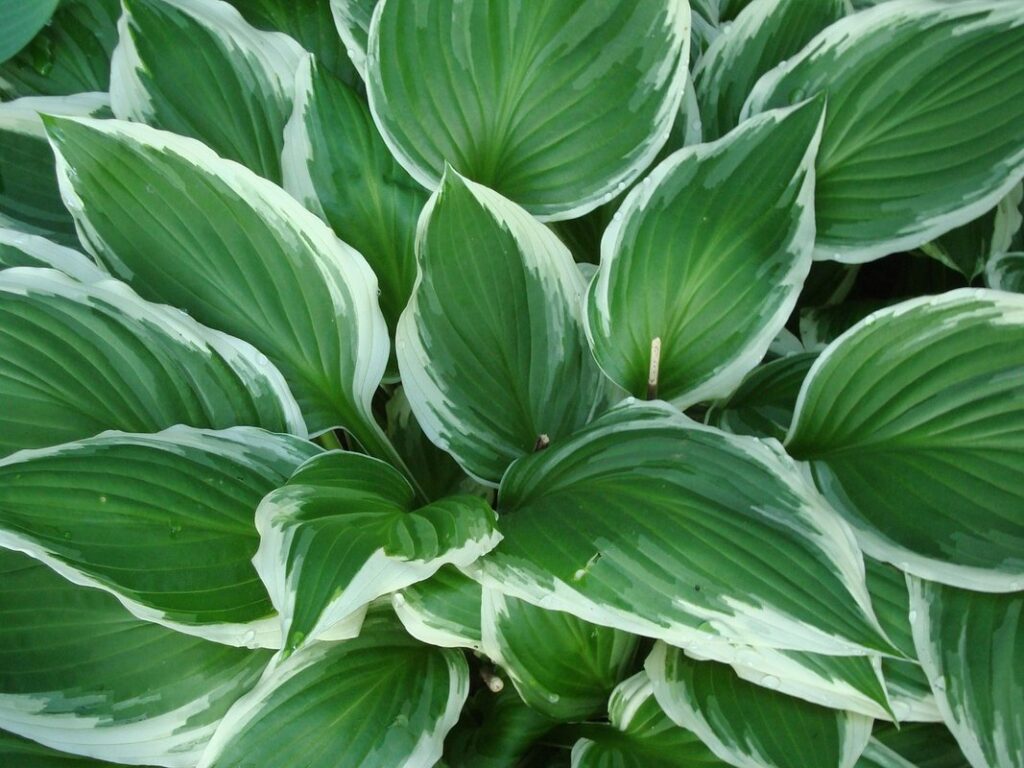
Astilbe is another perennial that thrives in deep shade. Its feathery plumes come in a range of colors, including pink, red, and white, adding a pop of color to the garden even on cloudy days. Hostas are perhaps one of the most popular evergreen perennials for shade gardens. Their large leaves come in various shades of green and can grow quite large, making them a great choice for groundcover.
When selecting evergreen perennials for deep shade, consider their mature size and growth habits to ensure they won’t overcrowd each other or competing plants. Also, think about the plant’s texture and color to create visual interest in the garden. By incorporating these beautiful evergreen perennials into your Zone 5 shade garden, you’ll enjoy a lush and vibrant space even on the gloomiest of days.
Ferns and Grasses: Adding Texture and Movement to Your Shade Garden
When it comes to adding depth and visual interest to your shade garden in Zone 5, look no further than ferns and ornamental grasses. These plants bring a unique combination of texture and movement that can elevate the entire space.
Ferns are an excellent choice for Zone 5 shade gardens because they thrive in low-light conditions. Ostrich ferns (Matteuccia struthiopteris) are a popular option, growing up to 6 feet tall with delicate, lacy fronds. Lady’s mantle (Alchemilla mollis) is another great choice, producing chartreuse flowers in early summer and beautiful, rounded leaves.
Ornamental grasses also add a dynamic element to the shade garden. Pampas grass (Cortaderia selloana), for example, boasts showy white plumes that dance in the breeze, adding movement and texture to the space. When choosing ornamental grasses, consider varieties like ‘Husker Red’ little bluestem (Andropogon scoparius) or ‘Blue Oat Grass’ (Helictotrichon sempervirens), which add a pop of color and interest.
To incorporate ferns and ornamental grasses into your shade garden, simply plant them in well-draining soil and provide regular watering. These plants are relatively low-maintenance and can thrive with minimal care. By combining different textures and heights, you’ll create a visually appealing and dynamic space that will engage visitors all year round.
Planting and Caring for Shade Perennials in Zone 5
When planting shade perennials in Zone 5, it’s essential to choose varieties that thrive in your region’s specific climate and soil conditions. This section will walk you through the best practices for planting and caring for these beautiful blooms.
Preparing Your Soil for Shade Perennials
When preparing your soil for shade perennials in Zone 5, it’s essential to focus on creating an environment that promotes healthy root growth and optimal plant performance. Start by testing the pH level of your soil using a DIY kit or consulting with a local nursery professional. Most shade perennials prefer slightly acidic to neutral soil pH, ranging from 6.0 to 7.0.
To improve soil structure and fertility, add a 2-3 inch layer of compost on top of the existing soil. This will provide essential nutrients, such as nitrogen, phosphorus, and potassium, that your shade perennials need to thrive. You can also mix in a small amount of organic matter like peat moss or well-rotted manure to further enhance soil quality.
Finally, apply a 2-inch layer of mulch around the base of your plants to retain moisture, suppress weeds, and regulate soil temperature. Use natural materials like wood chips, bark, or pine straw for optimal results. By following these simple steps, you’ll be well on your way to creating an ideal environment for your shade perennials in Zone 5 to flourish.
Watering Strategies for Shade Perennials
Watering shade perennials requires finesse, as these plants are more susceptible to moisture stress due to their limited exposure to sunlight. To ensure they receive the right amount of water without overwatering or underwatering, follow a consistent watering schedule that takes into account the soil type and climate conditions in Zone 5.
A good rule of thumb is to water your shade perennials when the top 2-3 inches of soil feels dry to the touch. You can check this by inserting your finger into the soil up to that depth. If you’re unsure, it’s always better to err on the side of caution and wait another day or two before watering again.
Some additional tips include:
* Water in the morning so the plants have the entire day to absorb the water
* Use a drip irrigation system or soaker hose to deliver water directly to the roots, reducing evaporation and runoff
* Avoid getting water on the leaves or crown of the plant to prevent fungal diseases
By adopting these strategies, you’ll be able to provide your shade perennials with the consistent moisture levels they need to thrive in Zone 5.
Mulching and Weeding: Tips for Maintaining Your Shade Garden
When it comes to maintaining a thriving shade garden in Zone 5, mulching and weeding are essential tasks that can make all the difference. Mulch helps retain soil moisture, suppress weeds, and regulate soil temperature – all crucial factors for healthy perennial growth.
Choose a mulch type suitable for your shade garden. Organic options like wood chips or bark work well, but keep in mind they may break down quickly. Alternatively, consider using compost or leaf mold to add nutrients to the soil. Apply a 2-3 inch layer of mulch around plants, keeping it a few inches away from plant stems to prevent moisture buildup.
Weeds can be a challenge in shade gardens, where dense foliage often hides them until they’re well-established. To control weeds effectively, consider using a combination of physical and chemical methods. Hand-pull or dig up weeds regularly, taking care not to damage surrounding plants. You can also use mulch to suppress weed growth – as it breaks down, it’ll create an environment inhospitable to weeds.
To prevent weeds from germinating in the first place, consider applying a pre-emergent herbicide in early spring. Follow label instructions carefully and take necessary precautions to avoid over-applying, which can harm your perennials. With regular mulching and weeding efforts, you’ll be able to enjoy a beautiful, thriving shade garden all season long.
Seasonal Care for Zone 5 Shade Perennials
As you tend to your shade perennials, it’s essential to understand how seasonal changes impact their needs, from pruning in spring to mulching in winter. Let’s dive into the specifics of care for each season.
Spring Care: Preparing Plants for New Growth
As spring arrives in zone 5, it’s time to give your shade perennials the TLC they need to thrive. One of the most crucial tasks during this season is division. This process involves splitting established plants into smaller sections to encourage new growth and prevent overcrowding. For zone 5’s cool climate, divide perennials like hostas, astilbe, and daylilies in early spring when new growth begins.
Deadheading is another essential task for promoting healthy growth. Remove spent flowers from plants like coral bells, heuchera, and ferns to encourage more blooms and prevent seed production. This will also help maintain the plant’s appearance and prevent them from becoming leggy.
Fertilizing is a crucial aspect of spring care in zone 5. Use a balanced, water-soluble fertilizer to provide essential nutrients for your perennials. Apply it at the recommended rate, usually once a month, to promote strong growth and blooms. Be mindful not to over-fertilize, as this can damage roots and harm plants.
By performing these simple tasks, you’ll be giving your shade perennials in zone 5 the best chance to thrive during the growing season ahead.
Summer Care: Managing Watering and Pest Control
Summer is here, and with it comes the challenges of keeping your shade perennials thriving. Watering and pest control are crucial aspects of summer care that can make all the difference in the health and beauty of your plants.
When it comes to watering, overwatering is just as damaging as underwatering for shade perennials. In Zone 5’s hot summers, it’s essential to check the soil moisture regularly. Stick your finger into the soil up to the first knuckle, and if it feels dry, it’s time to water. Water deeply but infrequently to encourage deep root growth, rather than shallow watering which can lead to weak roots.
Some common pests that affect shade perennials in Zone 5 include slugs, snails, and aphids. To prevent these pests, use physical barriers like copper tape or crushed eggshells around plant stems. Spray neem oil on the leaves to repel aphids and other pests. Regularly inspect your plants for signs of damage and take action promptly.
By following these simple tips, you can keep your shade perennials healthy and thriving throughout the summer months.
Fall and Winter Care: Preparing Plants for Dormancy
As fall arrives in Zone 5, it’s essential to prepare your shade perennials for dormancy. Cleaning up dead foliage is a crucial step in this process. Remove any dead leaves, stems, and flowers from your plants to prevent disease and pests from spreading. This will also help maintain the plant’s appearance and promote healthy growth come spring.
Pruning is another vital task during fall and winter care. Cut back perennials like hostas, astilbe, and hellebores to about one-third of their height. This will not only encourage new growth but also prevent damage from snow and ice. Consider cutting back shrubs like hydrangea and rhododendron by about half.
Protect your plants from harsh winter conditions by applying a layer of mulch or straw around the base. This will insulate the roots, preventing them from freezing. You can also bring potted plants indoors to a bright, cool location, such as a sunroom or a north-facing window.
Conclusion and Additional Resources
Now that you’ve learned how to choose, plant, and care for your new shade perennials, let’s summarize what we’ve covered so far. We’ll also share some additional resources to help you thrive in Zone 5.
Recap of Key Takeaways
To successfully incorporate shade perennials into your Zone 5 garden, remember to choose plants that thrive in low-light conditions. This includes flowers like astilbe, hostas, and hellebores, which not only tolerate shade but also add visual interest with their unique foliage and bloom patterns. When selecting perennial varieties, ensure they are hardy for Zone 5 and suitable for the specific moisture levels of your garden.
Don’t forget to consider factors like soil type and drainage when planting perennials in shaded areas. For instance, if your garden has heavy clay or compacted soil, choose plants that can adapt to these conditions, such as coral bells or bleeding heart. Also, be mindful of plant spacing to avoid overcrowding, which can lead to reduced growth and increased susceptibility to diseases.
By keeping these key points in mind, you’ll be well on your way to creating a thriving shade garden in Zone 5. Remember to regularly water and fertilize your perennials, and don’t hesitate to prune them back after blooming to maintain shape and promote new growth.
Further Reading: Books, Online Resources, and Gardening Communities
If you’re eager to dive deeper into the world of shade perennials and continue learning beyond this comprehensive guide, there are numerous resources available that can provide expert guidance and support. For book enthusiasts, I recommend “The New Shade Garden” by Ken Druse, which offers a wealth of information on creating stunning shade gardens using perennials. Another valuable resource is “Planting in a Post-Wild World” by Thomas Rainer and Claudia West, which explores the benefits of using native plants in your garden.
For online resources, I suggest checking out websites like the American Society for Horticultural Science (ASHS) and the Perennial Plant Association (PPA), both of which offer a wealth of information on perennials, including those suitable for shade. You can also find valuable advice and tips from experienced gardeners on online forums like GardenWeb and Reddit’s r/gardening community.
Additionally, joining local gardening communities or online groups focused on shade gardening in Zone 5 can provide opportunities to connect with other enthusiasts, ask questions, and learn from their experiences. This is a great way to stay motivated, inspired, and informed throughout the growing season.
Frequently Asked Questions
What are some common mistakes to avoid when planting shade perennials in Zone 5?
When planting shade perennials, it’s essential to choose varieties that are specifically adapted to your region. Avoid selecting plants that require more sun than you can provide or those with extreme growing conditions. Also, be mindful of overwatering and underwatering by checking soil moisture regularly.
How often should I water my Zone 5 shade perennials during the summer months?
Yes, it’s crucial to maintain consistent moisture levels for your shade perennials during hot summers in Zone 5. Water them deeply once or twice a week, depending on weather conditions and soil type. However, be cautious not to overwater, as this can lead to root rot and other problems.
What are some tips for incorporating native plants into my shade garden?
Native plants are an excellent choice for Zone 5 shade gardens as they require minimal maintenance and are adapted to local climate and soil conditions. Incorporate native perennials like astilbe, coral bells, or coneflowers into your design for a low-maintenance and wildlife-friendly garden.
How do I handle pests and diseases in my Zone 5 shade garden?
Regular inspection is key to detecting pest and disease issues early on. Use organic methods whenever possible, such as introducing beneficial insects or using neem oil, to manage problems. Also, practice good sanitation by removing weeds and debris from your garden beds.
Can I divide and transplant established perennials in Zone 5 shade gardens?
Yes, many perennial varieties can be divided and transplanted in the spring or fall when new growth begins. However, be sure to choose a suitable time for your specific plants, taking into account their growth habits and root systems to minimize stress.